
If you’re raising backyard chickens, you’ve probably wondered at some point: where exactly do they lay their eggs? It’s not as simple as finding a designated nesting box and voila! Chickens are surprisingly particular about their laying spots. Understanding where your hens prefer to lay eggs is crucial for optimal egg production, reproductive health, and overall flock happiness. But what drives this behavior? How can you create an environment that encourages your girls to choose the perfect spot? In this article, we’ll delve into the fascinating world of chicken reproductive systems, explore why chickens are picky about their laying spots, and provide expert tips on how to set up a thriving egg-laying zone in your backyard flock.
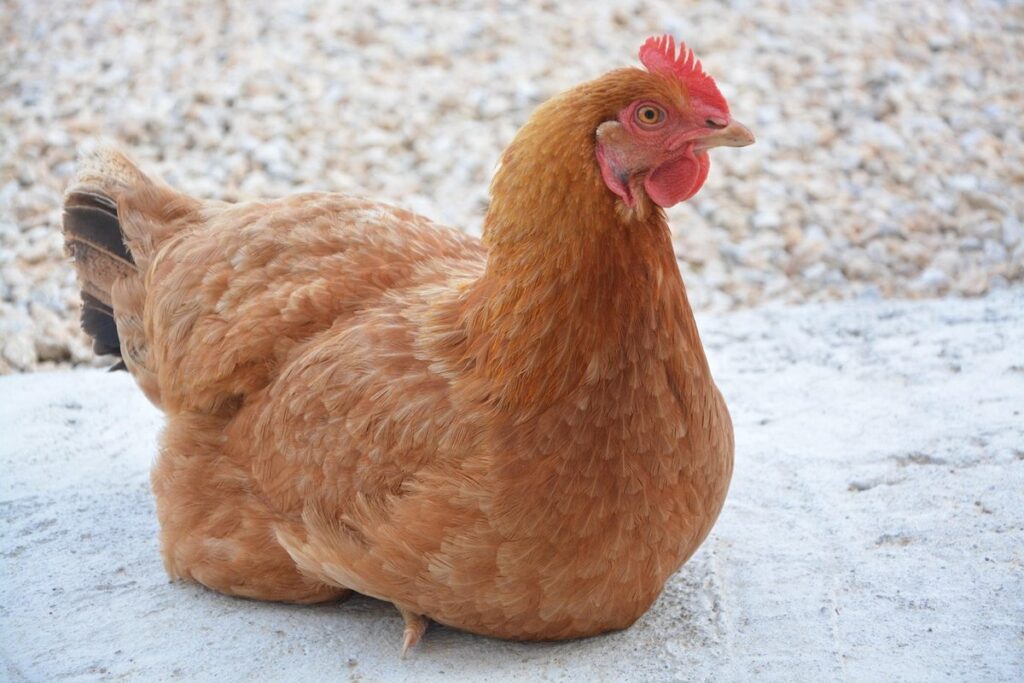
The Anatomy of an Egg Laying Hen
Let’s take a closer look at what makes an egg-laying hen tick, from her reproductive system to her unique physical characteristics. We’ll explore how it all works together to produce those delicious eggs!
Understanding the Reproductive System
To truly understand where chickens lay eggs, it’s essential to grasp the basics of their reproductive system. Let’s start with the ovaries, which are responsible for producing and releasing yolks. These yolks will eventually become the nutrient-rich centers of the egg.
The oviducts, a pair of tubes that connect the ovaries to the cloaca, play a crucial role in egg formation. The yolk travels through the oviduct first, where it’s surrounded by a protective membrane called the albumen or egg white. Next, the shell membranes are added, and finally, the outer shell is deposited.
The reproductive system of an egg-laying hen culminates at the cloaca, a multi-purpose opening that serves as a vent for waste, reproduction, and even breathing in some species. In chickens, it’s located just below the tail and is where eggs exit the body.
When examining your hen’s reproductive system, look for these key components: a pair of ovaries (located on either side of the cloaca), the oviducts (running from the ovaries to the cloaca), and the cloaca itself. Understanding how these parts work together will give you valuable insights into your hen’s health and egg-laying abilities.
Factors Influencing Egg Laying
Egg laying is influenced by several key factors that affect a chicken’s ability to produce eggs. The breed of chicken is one major factor – some breeds are naturally better layers than others. For example, Leghorns can lay up to 300 eggs per year, while heavier breeds like Orpingtons may only manage 200.
A hen’s age also plays a significant role in egg laying. Most chickens begin laying eggs at around 18-24 weeks of age and will reach their peak production between one and two years old. However, some hens may continue to lay well into their teens.
Nutrition is another crucial aspect – a balanced diet rich in protein, calcium, and other essential nutrients is vital for egg production. A lack of these nutrients can lead to reduced egg size or even cessation of laying altogether.
Environmental conditions also have an impact – factors such as temperature, light exposure, and humidity all influence a hen’s ability to lay eggs. For example, many breeds require 14 hours of daylight to produce eggs at their best. Understanding these factors can help you optimize your flock’s egg production.
Where Chickens Lay Eggs: A Closer Look
Now that we’ve explored why chickens lay eggs, let’s dive into where exactly they do it – a crucial detail for any backyard chicken keeper! We’ll examine the most common egg-laying spots.
The Role of the Oviducts
When an egg is laid by a chicken, it’s not just a simple matter of the hen releasing a fully-formed egg. The process is actually quite complex and involves several crucial steps, all of which take place within the oviducts – a network of tubes that make up a significant part of the reproductive system of hens.
The journey begins in the yolk sac, where the yolk itself is produced. From there, it travels to the infundibulum, where it’s picked up by tiny hairs called microvilli and swept into the magnum. Here, albumen (the egg white) starts to form around the yolk. The oviduct then stretches out over 2 feet, providing a series of different environments for the egg to mature.
The next stage occurs in the isthmus, where the shell membranes start to form around the egg white and yolk. Then comes the uterus or shell gland, where minerals from the hen’s diet are absorbed and deposited onto the eggshell, creating its characteristic texture and color.
The Importance of Perching and Roosting
When it comes to chicken egg-laying habits, many people underestimate the importance of perching and roosting opportunities. However, providing adequate perches and roosting bars is essential for chickens to lay eggs comfortably and stress-free.
Chickens are natural roosters, and they need a place to perch at night to feel secure and relaxed. If your flock doesn’t have access to perches or roosting bars, they may resort to laying eggs on the floor or in corners of the coop, which can lead to egg breakage and increased stress levels.
Providing perching opportunities not only reduces stress but also increases egg production. A study by the University of California found that hens who had access to vertical space and roosting bars laid 10-15% more eggs than those without these opportunities. In addition, providing multiple levels of perches allows birds to choose their preferred height, which can lead to increased comfort and overall well-being.
To incorporate perching and roosting into your coop design, consider installing sturdy wooden or metal bars at varying heights (around 2-3 feet off the ground) and providing soft bedding material like straw or hay for comfortable perching.
Common Places Chickens Lay Eggs
When it comes to finding where your hens are laying their eggs, it’s essential to know the common places chickens tend to deposit them in and around your coop. Let’s explore these areas together!
Nest Boxes and Coop Designs
When it comes to creating an environment that encourages egg laying, the design of your coop and nesting boxes is crucial. Chickens are creatures of habit and prefer a clean, quiet, and safe space to lay their eggs. A well-designed nesting box can make all the difference in increasing egg production and reducing stress on your flock.
A good rule of thumb for nesting box size is to provide one nesting box per 3-4 hens. The box should be at least 12 inches wide and 18 inches deep, with a sloping roof to allow eggs to roll out easily. Consider adding a roof overhang or canopy to protect the boxes from rain and predators.
Nesting material is also essential. Chickens prefer soft, dry bedding such as straw or hay. Avoid using pine shavings or other materials that can be toxic to your flock. Place the nesting boxes at a comfortable height, ideally 2-3 feet off the ground, and ensure they are easily accessible from the coop’s main area.
When it comes to placement, avoid locating nesting boxes directly above perches as this can create an unappealing environment for egg laying. Instead, place them in a quiet corner or along a wall, where your chickens feel secure and comfortable.
Outdoor Egg Laying Areas
When it comes to designing an outdoor area for egg laying, chickens need protection from the elements and predators. A sheltered spot with shade is essential for their comfort and safety. You can provide a coop or hen house within the enclosed run, which should be at least 2-3 times larger than the number of hens you have. This allows them to move around freely and reduces stress.
Consider using a chicken tractor or mobile coop that can be moved around the yard, providing new grass for your chickens to scratch and peck at while keeping them safe from predators. A secure fence around the entire area is crucial, as it will prevent escape and predator entry. Hardware cloth or chicken wire with openings of 1 inch or smaller is recommended to keep out foxes, raccoons, and other small predators.
In addition to shelter and security, chickens also need access to fresh water and a calcium-rich diet to promote healthy egg production. Ensure that your outdoor laying area is equipped with adequate ventilation to prevent ammonia buildup from their droppings. With proper design and maintenance, your chickens will thrive in their outdoor egg-laying haven.
Tips for Encouraging Chickens to Lay Eggs
Encouraging your chickens to lay eggs regularly can be a challenge, but don’t worry, we’ve got some expert tips to help you boost their egg-laying productivity. With these simple tricks, you’ll be collecting more eggs in no time!
Health and Nutrition
When it comes to encouraging your chickens to lay eggs, their health and nutrition play a crucial role. A balanced diet is essential for optimal egg production, as it provides the necessary nutrients for strong and healthy hens.
Provide Your Hens with Essential Nutrients:
Make sure to offer a mix of high-quality grains, such as oats, barley, and wheat, along with fresh fruits and vegetables like leafy greens, carrots, and apples. Consider adding supplements like calcium, vitamin D3, and probiotics to their feed to support strong bones and immune systems.
Maintain Flock Health:
A healthy flock is a happy flock! Keep an eye out for signs of illness or stress, such as lethargy, loss of appetite, or changes in egg production. Establish regular health checks and provide ample space for your hens to roam and exercise. This will help prevent the spread of disease and promote overall well-being.
By prioritizing your chickens’ nutritional needs and maintaining a healthy flock, you’ll be on track to maximizing their egg-laying potential.
Managing Stress and Predator Prevention
Managing stress and predators is crucial to creating a safe environment for your laying hens. High levels of stress can significantly impact egg production, leading to reduced yields and overall health issues.
To minimize stress factors, provide adequate shelter and protection from the elements. This includes ensuring proper ventilation, insulation, and predator-proofing measures are in place. Keep your coop clean and well-maintained, removing soiled bedding regularly and replenishing fresh feed and water daily.
Predator prevention requires taking proactive steps to secure your chicken run or enclosure. Use sturdy fencing materials that extend at least 3 feet underground to prevent digging predators from gaining access. Consider using hardware cloth or chicken wire with openings no larger than 1 inch in diameter for added protection. Additionally, consider adding a roof or canopy over the run to provide extra coverage and security.
Regularly inspect your coop and run for any signs of damage or weaknesses, making repairs promptly to prevent predator entry points from forming. By creating a safe and secure environment, you can help reduce stress levels in your chickens and promote healthy egg production.
Common Problems with Egg Laying
Let’s get down to business: every backyard chicken owner faces common issues when it comes to egg laying, and we’re about to tackle them together. From inconsistent production to cracked eggs.
Infertility and Oviposition Issues
When it comes to chicken egg laying, infertility and oviposition issues can be a significant concern for backyard farmers. Infertility in chickens refers to the inability of a hen to produce fertile eggs, while oviposition problems pertain to difficulties with laying eggs altogether.
Recognizing signs of these issues can be crucial in taking prompt action. Hens that are infertile may exhibit behaviors such as reduced egg production or failure to lay eggs at all. On the other hand, oviposition problems can manifest as difficulty passing large eggs, straining while attempting to lay, or even blood-stained or cracked eggs.
If you suspect your hen is experiencing infertility or oviposition issues, there are several steps you can take. First, ensure your hen has a balanced diet rich in essential nutrients and maintain a clean living environment free from stressors. Consult with a veterinarian to rule out any underlying health conditions that may be contributing to the issue.
A 2018 study by the University of California, Davis found that vitamin deficiencies were responsible for up to 30% of infertility cases in laying hens. Therefore, supplementing your hen’s diet with essential vitamins and minerals can help alleviate issues related to fertility.
Diseases and Parasites
When it comes to egg laying, diseases and parasites can be major culprits behind reduced production. Certain conditions like Marek’s disease, avian influenza, and coccidiosis can affect the chicken’s reproductive system, leading to a decrease in egg production or even complete cessation.
Infectious bronchitis is another common issue that can cause egg laying problems. This highly contagious virus affects the respiratory tract but also has a significant impact on the reproductive organs of hens. Coccidiostats, antibiotics, and vaccination are some of the common treatments used to manage these conditions.
Regular cleaning and disinfection of coops, proper ventilation, and adequate nutrition can go a long way in preventing diseases and parasites from affecting your flock’s egg-laying abilities. Make sure to monitor for any signs of illness or infestation regularly, such as changes in appetite, lethargy, or unusual droppings.
To keep your flock healthy, ensure they have access to clean water, fresh air, and a balanced diet that includes essential nutrients like calcium and vitamins A and D3. Keep an eye out for potential risks in your area, such as predators, disease outbreaks, or parasite infestations, and take proactive measures to mitigate them.
Regular health checks by a veterinarian can also help identify any underlying issues early on, allowing you to address them promptly and prevent long-term damage to your flock’s reproductive health.
Conclusion
Now that you’ve learned where chickens lay eggs, you can confidently plan your own backyard chicken-keeping adventure. Remember, chickens are happy to roam and forage, so make sure to provide a safe and spacious area for them to do their thing. You don’t need a huge property to raise chickens – even a small yard or a few square feet of balcony space can work if you’re creative with your coop design.
In conclusion, the location where chickens lay eggs is often overlooked but crucial to consider when raising backyard chickens. By understanding their natural behavior and providing them with the right environment, you’ll be rewarded with an abundance of fresh, healthy eggs from happy hens. So go ahead, get started on your chicken-keeping journey, and enjoy the many benefits that come with it – not just delicious eggs, but also a fun and educational experience for the whole family!
Frequently Asked Questions
Can I still expect my chickens to lay eggs if I don’t have a designated nesting box?
Yes, but it’s essential to provide a safe and comfortable area for your hens to lay their eggs. Without a dedicated nesting box, they may choose an alternative spot, which can lead to reduced egg production or even health issues.
How often should I clean the nesting boxes and what disinfectants are safe for my flock?
It’s recommended to clean the nesting boxes at least once a week, using a gentle poultry-safe disinfectant. This will help maintain hygiene and reduce the risk of disease transmission within your flock.
What if my chickens refuse to use the nesting boxes I’ve set up – what can I do?
Try rearranging the layout or adding more boxes to provide multiple options. You may also need to consider factors like lighting, ventilation, and accessibility to determine why your hens are choosing not to use the designated areas.
Are there any specific health issues that could affect my chickens’ egg-laying habits?
Yes, certain health problems like mites, lice, or respiratory infections can impact egg production. Regular monitoring of your flock’s overall health, including their nutrition and stress levels, is crucial for maintaining optimal reproductive health.
Can I expect different breeds to have varying preferences when it comes to laying eggs – are some more particular than others?
Yes, different breeds may exhibit distinct preferences regarding nesting areas or other factors influencing egg-laying habits. Researching the specific needs of your breed can help you create an environment that meets their unique requirements and promotes optimal reproductive health.