
If you’re an avid chicken keeper or simply interested in learning about sustainable farming practices, you might be wondering: where do free-range chickens lay their eggs? Unlike their caged counterparts, these birds have the freedom to roam and forage, which not only improves their health but also leads to more nutritious eggs. But what does it mean to be a “free-range” chicken, exactly? Is it just a label or a genuinely better way of raising poultry? In this article, we’ll explore the ins and outs of free-range egg production, including how farms meet regulations, deciphering misleading labels, and practical tips for managing your own flock. By understanding where these chickens lay their eggs, you’ll be better equipped to make informed choices about the food on your table.
The Importance of Free Range Laying
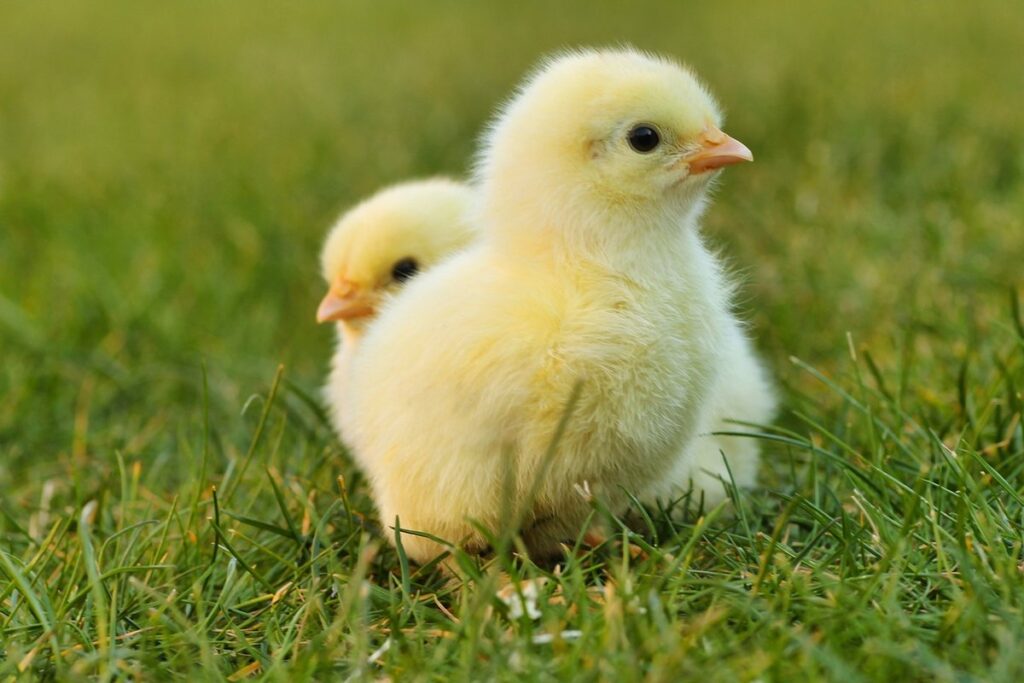
Free range chickens aren’t limited to just one specific spot when it comes to laying their eggs, but rather they have a surprising amount of freedom. Let’s explore what that means for these birds and their owners alike.
Benefits of Free Range Laying for Chicken Health
When chickens are given the freedom to roam and forage, it has a profoundly positive impact on their overall health. Free range laying allows hens to engage in natural behaviors like pecking, scratching, and flying, which not only keeps them active but also reduces stress levels.
In fact, studies have shown that free-range chickens exhibit lower corticosterone levels – a key indicator of stress – compared to those confined to battery cages. This reduced stress promotes better overall health, leading to fewer instances of respiratory problems, leg disorders, and other common issues associated with intensive farming practices.
One key benefit of free range laying is the increased mobility it provides hens. By allowing them to roam outdoors, you’re giving them access to fresh air, sunlight, and a diverse range of foraging opportunities – essential for maintaining strong bones, beaks, and feather health.
To ensure your free-range flock remains healthy, consider implementing practices like rotating pastures, providing access to shelter from the elements, and introducing enriching activities like scratching posts or foraging toys. By giving your hens the freedom to roam and engage in natural behaviors, you’ll see a significant improvement in their overall well-being.
Regulations Governing Free Range Farms
Free range farms are subject to various regulations that dictate what constitutes a “free range” environment. In the European Union, for instance, free range hens must have access to outdoor areas with vegetation and be able to roam freely for at least 6 hours a day. The United States has similar guidelines, requiring hens to have access to the outdoors or to be let out of their enclosures for at least 3-4 hours daily.
In Australia, free range farms must provide hens with “access to the outdoors” but do not specify how much time they must spend outside. This has led to controversy and criticism from animal welfare organizations who argue that this loophole allows some farms to label themselves as “free range” despite providing limited or no access to the outdoors.
It’s essential for consumers to research and understand these regulations in their respective countries, ensuring that the free-range eggs they purchase are genuinely produced on farms that meet the necessary standards.
The Difference Between True Free Range and “Free Range” Labels
When it comes to free range eggs, you might have noticed that not all farms with “free range” labels offer the same level of freedom and welfare for their chickens. In fact, some producers may use misleading labeling to make their eggs seem more humane than they actually are.
To understand what sets true free range farms apart from those with deceptive labeling, let’s look at the key differences. True free range farms allow hens to roam freely outdoors, where they can engage in natural behaviors like foraging and scratching. These birds typically have access to large outdoor areas, often exceeding 1 square meter per bird.
In contrast, some farms may label their eggs as “free range” but keep their hens indoors with small windows or slats that provide a limited view of the outside world. This type of setup is often referred to as “controlled free range.” While it’s better than battery cages, it still falls short of providing genuine freedom for the birds.
When shopping for eggs, look for third-party certifications like the Certified Humane Free Farmed label or the RSPCA Assured logo. These organizations have strict standards for animal welfare and will only certify farms that meet their rigorous criteria.
Where Do Chickens Typically Lay Their Eggs?
When it comes to free range chickens, you’re probably curious about where they prefer to lay their eggs. Let’s take a closer look at the typical nesting spots of these birds in the wild.
Nest Box Locations on Free Range Farms
When it comes to free range farms, the placement of nest boxes is crucial for encouraging hens to lay their eggs in a safe and accessible location. Typically, you’ll find that these nest boxes are situated near roosting areas, allowing hens to easily move between resting and laying.
In an ideal scenario, the nest box will be located within 10-15 feet of the roosting area, providing easy access for the hens to fly back and forth. This proximity also helps reduce stress on the birds, as they don’t have to travel far to lay their eggs. Some farms even position the nest boxes under a shaded area or near a windbreak, which can help create a sense of security and calm.
It’s worth noting that the size and design of the nest box itself play a significant role in its effectiveness. A well-designed nest box should be at least 12 inches wide, 18 inches deep, and 6-8 inches tall, with soft bedding materials like straw or shavings to provide comfort for the hens. By following these guidelines, you can create an inviting environment that encourages your free range chickens to lay their eggs in the designated nest box area.
Factors Influencing Egg-Laying Location Choices
When it comes to egg-laying location choices, free-range chickens take into account various factors that ensure their safety and comfort. Terrain plays a significant role, with birds preferring areas with slight inclines or gentle slopes. This terrain allows them to easily access and exit the area without feeling exposed.
Vegetation is another crucial factor influencing egg-laying locations. Chickens often seek out areas with dense undergrowth or shrubs, which provide them with shelter from harsh weather conditions and potential predators. A mix of grasses, leaves, and other plant materials also helps to conceal their nests, making it easier for them to keep their eggs safe.
Predator avoidance is a key consideration for free-range chickens. They tend to choose locations that offer some degree of cover or protection, such as near trees, rocks, or other natural features. By selecting these areas, hens can minimize the risk of predation and ensure the safety of their young.
When designing your chicken’s habitat, consider incorporating features that cater to these preferences. Adding a mix of slopes, dense vegetation, and sheltered areas can encourage your free-range chickens to lay their eggs in more secure locations.
Types of Environments That Support Free Range Laying
Free range chickens can lay their eggs in a variety of outdoor environments, from sunny pastures to shaded forests. Let’s explore some examples of these diverse settings together!
Pasture-Based Farms: Characteristics and Challenges
Pasture-based farms are often considered the gold standard for free range laying hens. These farms provide an ideal environment for chickens to roam and forage, which not only improves their welfare but also produces eggs with better nutritional profiles. One of the key characteristics of a pasture-based farm is its emphasis on rotation grazing. This involves moving the chicken flock regularly to new areas of pasture, allowing them to graze on fresh grasses and reducing the risk of overgrazing.
A good pasture-based farm should have at least 2-3 acres of land per thousand birds, with a mix of grasses and legumes that provide a diverse range of nutrients. However, one of the main challenges faced by these farms is managing predators such as foxes and hawks, which can threaten the health and safety of both humans and animals.
To establish a successful pasture-based farm, it’s essential to have a thorough understanding of rotational grazing practices, including factors like soil type, climate, and vegetation management. This requires a significant amount of planning, resources, and expertise, but the rewards are well worth it – healthier hens, more nutritious eggs, and a more sustainable agricultural system.
Woodland and Forest Edge Habitats: Opportunities and Risks
Woodland and forest edge habitats can provide ideal environments for free range chickens to roam and lay their eggs. These areas offer a mix of open spaces and woodland cover, allowing chickens to forage for food while minimizing the risk of predators. In fact, studies have shown that chickens prefer to forage in areas with a mix of grassland and woodland, as this allows them to access both seeds and insects.
When creating woodland or forest edge habitats for free range chickens, it’s essential to consider the local ecosystem and vegetation. For example, you may need to manage tree cover to ensure adequate sunlight penetration and prevent overgrowth. Additionally, be mindful of any invasive species that could impact the environment.
To create a thriving woodland habitat for your free range chickens, incorporate native plant species that provide shelter and food sources. You can also consider introducing natural features such as logs or rocks to create hiding spots and perches. By providing a diverse and dynamic environment, you can encourage healthy behavior in your flock and support local wildlife, ultimately leading to more productive and happy hens.
Egg-Laying Patterns in Free Range Chickens
So, you’re curious where your free range chickens are laying their eggs? Let’s take a closer look at how these birds typically choose to drop off their daily deposits.
Diurnal vs. Nocturnal Laying Behavior
Free range chickens exhibit unique diurnal and nocturnal egg-laying behavior, influenced by their natural instincts. Diurnal laying is more common, typically occurring between 5 am to 10 am when the chicken’s internal clock signals that it’s morning. Research suggests that around 70% of hens prefer to lay eggs during this period. On the other hand, nocturnal laying is less frequent but still present in some breeds.
Some farmers have observed that as the sun begins to set and darkness approaches, a few hens may start to forage for nesting sites, often leading to nighttime egg-laying. This behavior can be attributed to their natural urge to protect their eggs from predators. For instance, a study on pasture-raised hens found that 10% of them laid eggs between 8 pm and midnight.
To encourage diurnal laying in your free range flock, consider enriching their environment with adequate sunlight and shelter. You may also want to provide nesting boxes near the roosting area, allowing them to easily transition from roosting to egg-laying.
Factors Influencing Daily Egg Production
When it comes to free range chickens, several factors influence their daily egg production. One key factor is the time of year. Chickens tend to lay more eggs during spring and summer months when daylight hours are longer, as this stimulates their reproductive cycle.
Another crucial factor is nutrition. A balanced diet rich in essential vitamins and minerals can significantly impact a chicken’s egg-laying capacity. For instance, a study found that hens fed a diet supplemented with omega-3 fatty acids laid 4% more eggs than those without supplements.
Climate also plays a significant role, as chickens are sensitive to heat stress. Extreme temperatures above 85°F (30°C) can reduce egg production by up to 20%. Conversely, cold temperatures below 40°F (4°C) can cause hens to become less active and lay fewer eggs.
Additionally, the availability of nesting sites within the free range area can impact daily egg production. Chickens are natural foragers but may prefer dedicated nesting areas to reduce stress and maintain hygiene.
Age is another critical factor, as hens typically reach their peak egg-laying capacity between 18-24 months of age.
Managing Free Range Flocks to Optimize Egg Laying
When it comes to maximizing egg production, understanding where and how free-range chickens lay their eggs is crucial. Let’s dive into strategies for managing these flocks to optimize laying performance.
Creating an Environment That Promotes Happy, Healthy Chickens
Creating an environment that promotes happy and healthy chickens is essential for maximizing egg production. Free range chickens need space to roam, exercise, and engage in natural behaviors like scratching, pecking, and dust bathing. To create such a setting, you’ll want to consider the following.
Firstly, ensure your coop has adequate ventilation, light, and temperature control. This will help maintain a healthy indoor environment for your hens during extreme weather conditions. Next, provide an inviting outdoor area with grassy patches, trees, or shrubs to offer shade and shelter from wind. A minimum of 10 square feet per bird is recommended for free range systems.
Incorporate various enrichment features like dust baths, scratching posts, and perches to stimulate your hens’ natural behaviors. These elements will not only keep them entertained but also help maintain their physical health. Consider adding a feeder or two outside the coop to encourage foraging behavior, promoting mental stimulation and activity levels.
Monitoring and Maintaining Optimal Laying Conditions
Monitoring and maintaining optimal laying conditions is crucial to support continued egg production in free-range flocks. A healthy and stress-free environment encourages hens to lay eggs regularly. This involves ensuring adequate shelter, ventilation, and access to food, water, and nesting boxes.
Proper nesting box management is essential for encouraging hens to lay their eggs in designated areas. Boxes should be cleaned regularly and provided with comfortable bedding materials like straw or wood shavings. The number of nesting boxes per hen also plays a significant role – a general rule of thumb is one box for every five hens.
Temperature control is another critical aspect of maintaining optimal laying conditions. Most breeds prefer temperatures between 15°C to 20°C (59°F to 68°F) during the day and above 10°C (50°F) at night. Monitor temperature fluctuations and adjust your management strategies accordingly.
A well-managed flock will continue to thrive with ongoing monitoring and maintenance of these key factors. By prioritizing optimal laying conditions, you’ll see a positive impact on egg production and overall flock health.
Challenges Facing Free Range Farmers: Balancing Welfare and Productivity
As you’ve learned about the benefits of free range farming, it’s essential to acknowledge the challenges farmers face in balancing their welfare with productivity requirements. This can impact where your eggs come from in surprising ways.
Managing Predators and Other Threats to Flock Safety
As free range farmers, you’re well aware of the importance of providing a safe and healthy environment for your flock. However, even with the best intentions, predators can pose a significant threat to their safety. Hawks, owls, foxes, coyotes, and domestic dogs are just a few examples of common predators that may target free range chickens.
To mitigate these risks, consider implementing a multi-faceted approach. Start by conducting a thorough site assessment to identify potential entry points for predators. This might involve checking for holes in fences, gaps under gates, or areas with dense vegetation that could provide cover for sneak attacks.
Once vulnerabilities have been identified, take steps to address them. Repair any damaged fencing, install hardware cloth around vulnerable areas, and consider using electric fencing to deter predators. You may also want to explore non-lethal deterrents like motion-activated sprinklers or ultrasonic repellent devices to scare off unwanted visitors.
By taking proactive measures to safeguard your flock, you can help minimize the risk of predation and ensure a safe and healthy environment for your free range chickens to thrive.
Balancing Welfare Concerns with Economic Pressures
As you’re considering where free range chickens lay their eggs, it’s essential to balance welfare concerns with economic pressures. This delicate trade-off is a significant challenge for many free range farmers. On one hand, animal welfare standards are paramount – providing ample space, fresh air, and opportunities for exercise is crucial for the well-being of these birds. However, maintaining such conditions can drive up costs and affect profitability.
For instance, if you’re aiming to meet strict welfare guidelines, you might need to allocate more land per bird or invest in specialized equipment, such as automated feeders and egg collection systems. These expenses can eat into your profits, making it difficult to stay competitive in the market. To mitigate this issue, consider adopting more efficient farming practices that prioritize animal welfare while minimizing costs.
One approach is to incorporate rotational grazing methods, where chickens are moved regularly between different paddocks to maintain soil health and prevent overgrazing. This not only reduces the need for expensive infrastructure but also promotes natural pest control and improved egg quality. By finding ways to balance welfare concerns with economic realities, you can create a more sustainable free range farming operation that benefits both your birds and your bottom line.
Frequently Asked Questions
What are the ideal nesting box dimensions for a free-range flock?
Free-range chickens typically prefer nesting boxes that are around 12-18 inches deep, 6-8 inches wide, and 12-18 inches long. This size allows them to comfortably lay their eggs in a quiet and secluded area. Make sure to place several boxes throughout the farm to accommodate different hens’ preferences.
Can free-range chickens be managed without access to pastures or woods?
Yes. While pastures and woodlands provide ideal environments for free-range laying, it’s possible to create a thriving flock on smaller plots of land with careful management. Consider incorporating areas with native vegetation, trees, and birdhouses to mimic the diversity found in natural habitats.
How do I ensure my free-range chickens’ eggs are safe from predators?
Free-range farms often face predator threats. Install secure fencing around your farm or enclosures, and consider using guard animals like dogs or donkeys. Regularly inspect your flock’s living space for any signs of predation, and take prompt action if you notice any damage.
What factors should I consider when deciding whether to integrate free-range chickens into my existing backyard flock?
Before introducing free-range chickens to your backyard flock, assess the available space, predator risks, and local regulations. Ensure that your yard can accommodate free-range chickens’ needs for food, water, shelter, and exercise. Consider consulting with a veterinarian or experienced chicken keeper for guidance.
Can I start a free-range flock without having any prior experience with chicken keeping?
While experience is helpful, it’s not necessary to have extensive knowledge of chicken keeping to start a free-range flock. However, research the specific needs of your breed, and invest in high-quality feeders, waterers, and nesting boxes. Consider consulting online resources or joining local chicken-keeping communities for support and advice.