
If you’re looking to start or expand your backyard flock, you’re likely on the hunt for reliable egg-layers that can withstand various conditions. White chicken breeds are often top contenders for their impressive ability to produce an abundance of eggs while remaining relatively low-maintenance. Not only do these birds have a knack for laying large quantities of white eggs, but they also boast robust health and adaptability. Whether you’re a seasoned farmer or just starting out, understanding the characteristics, history, and specific needs of these breeds is crucial in making informed decisions about your flock’s composition. This article will delve into some of the top-performing white chicken laying breeds, providing an overview of their unique qualities, care requirements, and why they’re ideal for backyard farming.
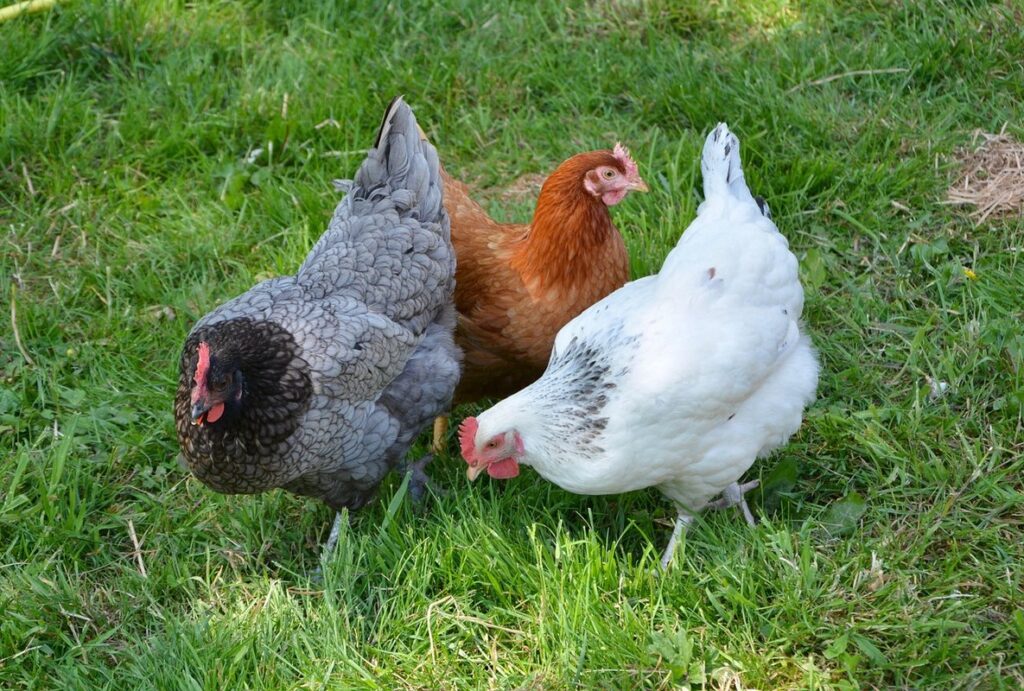
What is a White Chicken Breed?
If you’re new to chicken keeping, you might be wondering what defines a white chicken breed and how they differ from others. Let’s explore the characteristics that set them apart.
Characteristics of White Chickens
When it comes to identifying white chicken breeds, their physical characteristics are one of the most noticeable features. These birds typically have a pure white coat with no feathers other than those on their neck, breast, and tail. The plumage is usually smooth, compact, and even, giving them a clean appearance.
White chickens come in various sizes, ranging from small to large breeds. For example, some popular egg-laying breeds like Leghorns and Cornish are smaller in stature, weighing between 3-4 pounds (1.4-1.8 kg). On the other hand, larger breeds such as White Orpingtons can weigh up to 9 pounds (4 kg) or more.
In terms of body shape, white chickens tend to have a muscular build, with well-developed legs and feet. Their beaks are typically yellow or orange in color, which helps them forage for food efficiently. When it comes to temperament, white chicken breeds are often friendly, docile, and easy-going, making them an excellent choice for backyard flocks.
Overall, the physical characteristics of white chickens make them a popular choice among chicken keepers due to their attractive appearance and productive nature.
History and Origins of White Chicken Breeds
White chicken breeds have a rich history that dates back to the early days of poultry farming. In the 19th century, farmers began selecting white-feathered chickens for their exceptional egg-laying abilities and meat quality. These birds were developed from various European breeds, such as the Leghorn and the Plymouth Rock.
The introduction of white chicken breeds was largely driven by demand from consumers who preferred the appearance of pure white eggs over the more common brown or speckled varieties. To meet this demand, farmers began breeding chickens specifically for their egg-laying capacity and ability to produce white eggs. The result was a range of white chicken breeds that have since become synonymous with egg production.
Some notable examples of white chicken breeds include the Leghorn, the Cornish Cross, and the White Plymouth Rock. These birds were developed through selective breeding programs designed to emphasize desirable traits such as high egg-laying capacity, fast growth rates, and lean meat quality. Today, these breeds remain popular among commercial farmers due to their exceptional performance in both egg and meat production.
Advantages of Raising a White Chicken Breed
If you’re considering raising white chickens for their exceptional egg-laying abilities, let’s explore the advantages of choosing this breed. From increased egg production to easy maintenance, there are many benefits to keeping white chickens.
Egg-Laying Capacity
When it comes to raising chickens for egg production, few breeds can match the impressive laying capacity of white chicken breeds. On average, a healthy white hen will lay around 280-300 large brown eggs per year, with some individuals producing even more.
One factor that contributes to their high egg-laying capacity is their robust health and resilience. White chickens are generally less prone to diseases and parasites, which means they can maintain their energy levels throughout the year. This allows them to produce eggs consistently, even in challenging weather conditions.
Another advantage of white chicken breeds is their ability to adapt to different climates and living situations. Whether you’re raising them on a small backyard farm or a larger commercial operation, these birds are capable of thriving in various environments.
To maximize your white chickens’ egg-laying potential, make sure to provide them with a balanced diet that includes essential nutrients like protein, calcium, and vitamins. Also, ensure they have access to fresh water and adequate space to roam. With proper care and attention, your white chickens will reward you with an impressive egg yield for years to come.
Disease Resistance
One of the significant advantages of raising white chicken breeds is their robust disease resistance. White chickens have been bred over centuries to withstand various diseases that affect poultry, including Marek’s disease and avian influenza. These conditions can be devastating for flocks, but white chickens’ immune systems are better equipped to fight them off.
Research has shown that certain white chicken breeds, such as Leghorns and Cornish, exhibit a higher level of resistance to Marek’s disease than other breeds. A study published in the Journal of Avian Diseases found that White Leghorns had a significantly lower incidence of Marek’s disease than Brown Leghorns.
When choosing a white chicken breed for your flock, look for those with a strong immune system. Breeders often select for birds that are less susceptible to certain diseases, so ask about disease resistance when purchasing chicks or hens. By selecting breeds with robust immunity levels, you can reduce the risk of disease outbreaks and keep your flock healthy.
Maintaining good health practices is also essential. Ensure your chickens have access to clean water, nutritious feed, and a safe living environment. Vaccinations may also be necessary depending on your location and local regulations.
Popular White Chicken Breeds Known for Egg-Laying
If you’re looking to add some egg-laying power to your backyard flock, here are some popular white chicken breeds that consistently deliver. Let’s take a closer look at each of these exceptional birds.
Leghorn Chickens
Leghorns are one of the most recognizable and popular white chicken breeds globally. Known for their high egg-laying capacity, Leghorns can produce up to 300 large brown eggs per year under ideal conditions.
When it comes to temperament, Leghorns are often described as friendly and active birds. They’re known to be quite social and enjoy being around humans, making them a great addition to backyard flocks. However, they can be loud and boisterous at times, so if you live in a residential area or have noise restrictions, this might not be the best breed for you.
In terms of adaptability, Leghorns are relatively low-maintenance birds that can thrive in various climates. They’re heat-tolerant and can handle warm temperatures well, but they also do okay in cooler conditions. One thing to note is that Leghorns can be prone to frostbite if exposed to prolonged periods of cold weather without adequate shelter.
Overall, Leghorns are a great choice for backyard chicken keepers who want a breed that’s high-producing and relatively easy to care for. With proper management and attention to their needs, you can enjoy a steady supply of fresh eggs from your very own flock!
Plymouth Rock Chickens
If you’re looking for a white chicken breed that’s known for its exceptional egg-laying abilities and robust health, consider the Plymouth Rock. This breed is renowned for producing an average of 280-300 brown eggs per year, making it an excellent choice for backyard chicken keepers who want to ensure a steady supply of fresh eggs.
One of the primary advantages of the Plymouth Rock breed is its ability to thrive in a variety of climates and environments. They are relatively cold-hardy, which means they can withstand temperatures as low as 0°F (-18°C), making them an excellent choice for chicken keepers living in areas with harsh winters.
Another benefit of the Plymouth Rock is their friendly and docile nature, making them a great breed to introduce to children or novice chicken keepers. With proper care and attention, these chickens can live up to six years or more, providing a reliable source of fresh eggs for many years to come.
When choosing a Plymouth Rock chicken, be sure to look for birds with well-defined feathers, bright eyes, and a robust build. With their excellent egg-laying abilities and hardy constitution, it’s no wonder why the Plymouth Rock has become a popular choice among backyard chicken enthusiasts.
Breeding White Chicken Breeds for Optimal Egg-Laying
If you’re interested in maximizing your flock’s egg production, learn how to breed white chicken breeds that are specifically suited for optimal laying. This involves selecting birds with desirable traits.
Selective Breeding
When it comes to developing white chicken breeds with exceptional egg-laying capacity, selective breeding plays a crucial role. This process involves carefully selecting and mating chickens that exhibit desirable traits, such as high egg production, large egg size, or improved fertility.
By repeatedly choosing parents with the most attractive characteristics, breeders can accelerate the development of offspring with enhanced performance. For instance, a breeder might select hens laying an average of 300 eggs per year and pair them with roosters that exhibit exceptional vigor and fertility. The resulting chicks will inherit their parents’ desirable traits, increasing the likelihood of producing even more eggs.
Selective breeding can also help breeders introduce new characteristics into white chicken breeds, such as improved cold hardiness or better disease resistance. By doing so, they create a self-sustaining flock that requires fewer resources and interventions to maintain optimal performance. With patience and dedication, selective breeding enables breeders to refine their flocks over time, yielding remarkable improvements in egg production and overall health.
Nutrition and Supplements
When it comes to breeding white chicken breeds for optimal egg-laying, nutrition and supplements play a crucial role. A balanced diet is essential to support the high energy demands of egg production.
First and foremost, ensure that your flock has access to fresh water at all times. A calcium-rich layer feed should be their primary source of nutrition, but you can also supplement with crushed oyster shells or dark leafy greens like kale and spinach, which are rich in calcium.
In addition to calcium, other essential nutrients include protein, vitamin D3, and biotin. Consider adding a vitamin and mineral supplement specifically designed for egg-laying hens to their feed. This can be especially beneficial during the spring and summer months when pasture-raised chickens may have limited access to nutrient-rich foods.
Aim to provide around 16-18% protein in their layer feed, as well as sources of omega-3 fatty acids like flaxseed or chia seeds to support overall health and egg quality.
Health Considerations for White Chicken Breeds
When raising white chicken breeds, it’s essential to be aware of their specific health considerations to ensure they thrive and lay eggs consistently. This includes a few key factors to monitor closely.
Common Health Issues
White chicken breeds are known for their high egg-laying capacity, but like all chickens, they can be prone to certain health issues. Respiratory problems are a common concern among white chicken breeds, particularly those with large combs and wattles. These birds tend to overheat more easily, which can lead to breathing difficulties and other respiratory-related issues.
Another issue that affects many white chicken breeds is internal parasites. These can range from worms like tapeworms and roundworms to protozoa like coccidia. Internal parasites can be difficult to detect, but they can cause a range of symptoms including weight loss, diarrhea, and lethargy. Regular fecal testing and parasite control measures can help prevent these issues.
In addition to respiratory problems and internal parasites, white chicken breeds are also susceptible to other health issues such as Marek’s disease, a viral illness that affects the nervous system. To mitigate these risks, it’s essential to provide your birds with a balanced diet, clean living conditions, and access to fresh water at all times.
Many breeders have successfully implemented strategies like maintaining proper ventilation in coops, using dust baths to reduce parasite loads, and implementing vaccination programs to protect against Marek’s disease. By being aware of these potential health issues and taking proactive steps to prevent them, you can help ensure the long-term health and productivity of your white chicken flock.
Preventative Measures
When it comes to minimizing the risk of disease in white chicken breeds, preventative measures are crucial. Vaccination strategies should be implemented from a young age to protect against common diseases such as Marek’s and Newcastle. A veterinarian-recommended vaccination schedule is essential, with booster shots administered at regular intervals.
Biosecurity practices also play a vital role in maintaining flock health. This includes regular cleaning and disinfection of coops, runs, and equipment, as well as implementing strict protocols for introducing new birds to the flock. Keeping the coop free from debris, removing soiled bedding regularly, and ensuring adequate ventilation can all help prevent the spread of disease.
To maintain a healthy flock, it’s essential to monitor their behavior and health closely, watching for signs of illness such as lethargy, loss of appetite, or changes in droppings. Early detection of disease allows for prompt action, which can be crucial in preventing outbreaks. By implementing these preventative measures, you can help protect your white chicken breed from disease and ensure they continue to thrive and produce eggs. Regular health checks with a veterinarian will also help identify potential issues early on.
Conclusion: Choosing the Right White Chicken Breed for Your Needs
Now that you’ve learned about different white chicken breeds, it’s time to decide which one is perfect for your needs and lifestyle.
Factors to Consider When Selecting a Breed
When selecting a white chicken breed, there are several factors to consider. One of the most important is egg-laying capacity, as some breeds are more prolific layers than others. For example, Leghorns and Cornish are known for their high egg production, laying up to 300 eggs per year, while other breeds like Silkie or Polish may lay fewer eggs.
Another crucial factor is temperament, as you’ll want a breed that’s friendly and docile around your family and pets. Some white breeds, such as the White Brahma, are known for their gentle nature, making them an excellent choice for families with children. On the other hand, some breeds like the White Rock can be quite feisty, so it’s essential to research a breed’s temperament before bringing one home.
Additionally, consider factors like climate and space requirements. Some white breeds thrive in cold climates, while others prefer warmer temperatures. Think about your living situation and whether you have enough space for a flock of chickens. With over 300 recognized chicken breeds worldwide, choosing the right one can be overwhelming, but by considering these key factors, you’ll be well on your way to selecting a breed that meets your needs.
Final Thoughts on Raising a White Chicken Breed
Raising a white chicken breed can be an incredibly rewarding experience, especially if you’re looking for a reliable egg-layer. As we’ve discussed throughout this post, these birds are known for their high-quality eggs and manageable personalities. On the plus side, they’re relatively easy to care for, and with proper nutrition and attention, they’ll reward you with an abundance of delicious eggs.
However, as with any breed, there are also some challenges to consider. For one, white chickens can be prone to health issues if not given adequate space and exercise. Make sure your coop is well-ventilated and provides enough room for them to stretch their wings. Additionally, they may require more frequent egg collection, which can be a bit tedious but ensures the quality of their eggs remains high.
By weighing these benefits and challenges, you’ll be better equipped to decide if a white chicken breed is right for your needs. With the right care and attention, they’ll thrive in your backyard or farm, providing you with a steady supply of fresh eggs and plenty of joy along the way.
Frequently Asked Questions
What is the ideal environment for raising white chicken breeds?
White chicken breeds require a temperature range of around 40°F to 90°F (4°C to 32°C) and adequate ventilation to thrive. It’s essential to provide them with enough space, shelter, and protection from harsh weather conditions.
Can I raise multiple white chicken breeds together?
Yes, it is possible to raise multiple white chicken breeds together, but you should introduce them gradually and ensure there’s sufficient space for each breed to roam without stress or competition for resources. Research the specific needs of each breed before mixing them.
How can I promote egg-laying capacity in my flock?
Promoting egg-laying capacity involves providing your flock with a balanced diet, ensuring access to fresh water, and maintaining a healthy environment. Consider supplementing their feed with calcium-rich foods like oyster shells or crushed eggshells to support strong bones and eggshell production.
Are white chicken breeds more prone to certain health issues?
No, white chicken breeds are not inherently more prone to specific health issues compared to other breeds. However, they can be susceptible to conditions like feather pecking, cannibalism, or respiratory problems if their environment is not properly managed.
Can I breed my own white chicken flock for optimal egg-laying capacity?
Yes, with proper knowledge and experience in selective breeding, you can develop a flock that excels in egg-laying capacity. Research the principles of selective breeding and understand the genetic factors influencing egg production before attempting to breed your flock.