
The humble white chicken egg is a staple in many kitchens around the world. Not only are they a versatile ingredient in cooking, but they also hold a significant place in our culture and have an impact on the environment. Whether you’re a seasoned chef or just starting to explore the world of cooking, understanding more about these everyday eggs can make all the difference.
In this article, we’ll delve into the benefits of white chicken eggs, from their nutritional value to their role in various cuisines. We’ll also take a closer look at egg farming and its environmental impact, as well as share some exciting recipes that showcase just how versatile these little powerhouses are. Whether you’re looking for cooking tips or just want to learn more about the world of white chicken eggs, this article has got you covered.
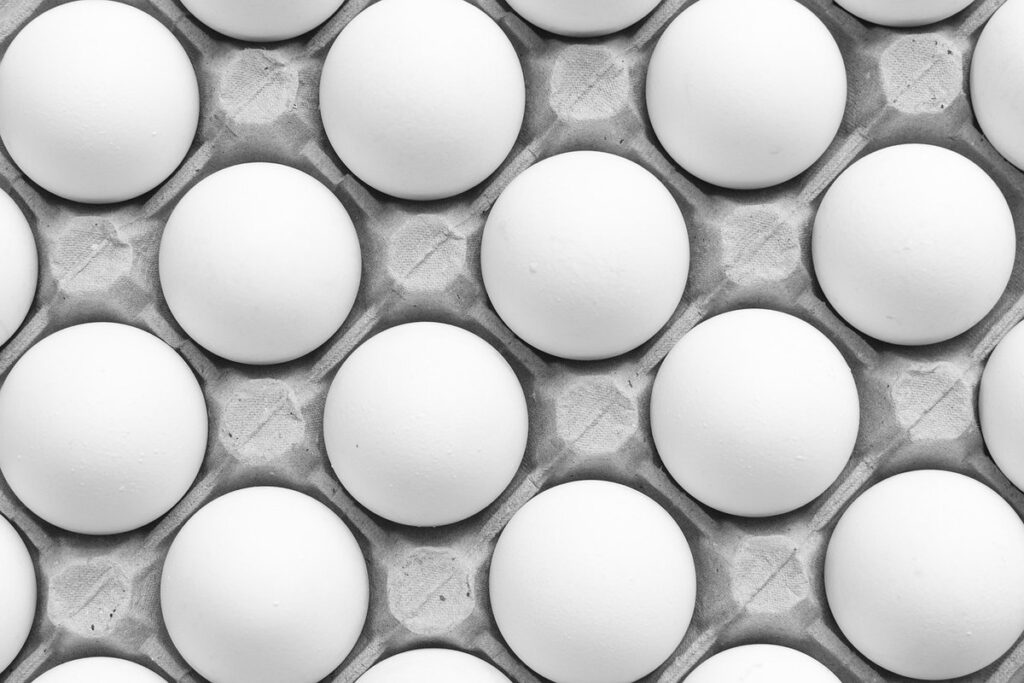
History and Production of White Chicken Eggs
White chicken eggs have been a staple food source for centuries, with their production influenced by various factors including climate, feed, and breed. Let’s take a closer look at how they’re made.
Breeding and Raising Chickens for Egg Production
When it comes to raising chickens for egg production, choosing the right breed is crucial. You’ll want to select a bird that’s not only prolific but also healthy and easy to care for. Let’s take a look at some of the most popular breeds used for egg production.
The Leghorn is a top choice among backyard chicken keepers due to its high egg-laying capacity, producing around 280-300 brown eggs per year. They’re lightweight, energetic birds that thrive in warm climates. However, they can be loud and may require more attention than other breeds.
Another popular breed is the Rhode Island Red, known for its gentle nature and moderate egg production of about 200-220 brown eggs per year. They’re relatively low maintenance and suitable for smaller spaces. On the other hand, the Barred Plymouth Rock is a hardy bird that’s easy to manage but produces fewer eggs at around 200 per year.
When selecting a breed, consider your lifestyle, climate, and available space. Research each breed’s characteristics, advantages, and disadvantages to ensure you’re making an informed decision. This will help you choose the perfect fit for your needs and create a thriving egg-laying flock.
Egg Farming Practices and Regulations
When it comes to white chicken eggs, many consumers are interested in understanding where their food comes from and the practices used to produce them. Egg farming practices vary widely depending on factors such as location, climate, and consumer demand.
Free-range egg farms allow hens to roam outdoors, foraging for insects and plants, which can improve the nutritional content of eggs. Organic farming practices prohibit the use of antibiotics, hormones, and pesticides, resulting in cleaner living conditions for the birds. Conventional farms, on the other hand, prioritize efficiency and may keep hens indoors with access to limited outdoor space.
Relevant regulations and certifications include Animal Welfare Approved (AWA) and Certified Humane (CH). Look for these labels when shopping for eggs to ensure that they meet certain standards of animal treatment and living conditions. Consider visiting local farms or purchasing eggs directly from producers to learn more about their practices.
Nutritional Value and Health Benefits of White Chicken Eggs
White chicken eggs are a rich source of essential nutrients, and understanding their nutritional value is crucial to unlocking their incredible health benefits for you. Let’s dive into what makes these eggs so nutritious.
Protein Content and Quality
White chicken eggs are an excellent source of protein, with approximately 6-7 grams per large egg. The protein content is comprised of various amino acids, essential for building and repairing tissues. The amino acid profile of white chicken eggs includes all nine essential amino acids that the human body cannot produce on its own. This makes them a complete protein source.
In comparison to other protein sources like soy or beans, which are often low in one or more essential amino acids, white chicken eggs have a balanced and efficient amino acid profile. For example, a 3-ounce serving of cooked chicken breast contains about 26 grams of protein, with all the essential amino acids present. However, it lacks some non-essential amino acids found in eggs.
The quality of egg protein is also high due to its excellent bioavailability. This means that the body can easily absorb and utilize the nutrients from egg protein. When choosing eggs for optimal nutrition, look for those from hens raised on pasture or fed a balanced diet rich in omega-3 fatty acids and vitamins A, D, and E. These eggs will have an even better amino acid profile and higher nutritional content.
Cholesterol and Saturated Fat Content
One common misconception about white chicken eggs is that they are high in cholesterol and saturated fat, which can negatively impact heart health. While it’s true that eggs do contain some cholesterol, the amount is relatively small compared to other foods. In fact, a large egg typically contains around 186 milligrams of cholesterol, which is a concern for those with high cholesterol levels or heart disease.
However, it’s essential to understand that dietary cholesterol has a more significant impact on blood cholesterol levels when consumed in excess and combined with saturated fats. The good news is that most eggs are low in saturated fat, with an average content of 1-2 grams per large egg. To put this into perspective, the American Heart Association recommends limiting daily intake of saturated fats to no more than 5-6% of total calories.
In moderation, white chicken eggs can be a part of a heart-healthy diet. If you’re concerned about cholesterol or saturated fat content, consider choosing eggs from hens raised on pasture or omega-3 enriched eggs, which may have a slightly different nutritional profile.
Micronutrients and Vitamins
White chicken eggs are not only a great source of protein but also rich in essential micronutrients and vitamins. Let’s take a closer look at some of the key players.
One of the most significant micronutrients found in white chicken eggs is vitamin D. A single large egg can provide up to 6-7% of the recommended daily intake, making it an excellent way to boost your levels, especially during winter months when sunlight is scarce. Vitamin B12 is another essential nutrient that’s readily available in eggs, playing a vital role in energy production and nerve function.
Iron is also present in moderate amounts within egg whites. This makes eggs an ideal food choice for individuals with iron deficiency or those following a meat-restricted diet. For instance, if you’re a vegetarian or vegan looking to increase your iron intake, cooking eggs with vitamin C-rich foods like bell peppers can enhance absorption by up to 85%.
Cooking and Preparation Methods for White Chicken Eggs
When cooking with white chicken eggs, you’ll want to know the best methods to bring out their unique flavors and textures. We’ll explore various preparation techniques in this section.
Scrambled, Fried, and Poached: Popular Cooking Methods
White chicken eggs are incredibly versatile, and their nutritional benefits can be preserved through various cooking methods. Let’s explore three popular ways to prepare them: scrambled, fried, and poached.
Scrambled eggs are a staple breakfast option that can be made with ease. To minimize nutrient loss, cook the eggs over low heat, stirring constantly until they’re set. This method allows for even distribution of heat, preventing the eggs from becoming tough or rubbery. Additionally, using room temperature eggs before scrambling will ensure a fluffier texture and better moisture retention.
Frying eggs is another popular method that can be done in various ways – whether it’s sunny-side up, over easy, or over hard. To make fried eggs healthier, use a non-stick pan with a small amount of oil to prevent added calories. Cooking the yolks until they’re still runny will retain more vitamins and minerals compared to fully cooked yolks.
Poaching is a low-calorie method that preserves the egg’s delicate texture and nutrients. To poach an egg successfully, use simmering water with a dash of vinegar to create a whirlpool effect when cracking in the egg. This helps keep the whites tidy and intact while cooking evenly.
Boiled and Steamed: Healthier Alternatives
When it comes to cooking white chicken eggs, boiling and steaming are two popular methods that offer healthier alternatives to traditional frying. Boiling is a simple process that involves submerging the eggs in water and heating them until cooked through. This method helps retain more nutrients than frying, as high heat can break down delicate proteins and fats.
Steaming is another excellent option for cooking white chicken eggs. It involves placing the eggs on a steamer basket over boiling water, allowing them to cook gently without direct heat contact. Steaming helps preserve the egg’s protein structure, making it easier to digest and reducing the risk of nutrient loss. In fact, studies have shown that steaming retains up to 50% more vitamins and minerals than boiling.
To get the most out of these methods, aim for a medium-cooked texture – soft but still slightly firm to the touch. This will help ensure the egg’s protein structure remains intact while minimizing the risk of overcooking. Experiment with adding herbs or spices during cooking to add flavor without added calories!
Cultural Significance and Symbolism of White Chicken Eggs
Beyond their rich nutritional profile, white chicken eggs have also played a significant role in various cultures around the world, carrying symbolic meanings that are both fascinating and diverse. Let’s explore these cultural connections.
Easter Traditions and Symbolism
In many parts of the world, white chicken eggs are an integral part of Easter celebrations. This tradition has its roots in ancient cultures where eggs symbolized new life and renewal. The association between eggs and fertility dates back to pre-Christian times when eggs were seen as a representation of the cycle of birth and death.
During Easter, families often dye hard-boiled eggs in various colors, which holds significant symbolic meaning. Red, for example, represents blood and sacrifice, while blue signifies hope and new beginnings. The act of decorating eggs is also believed to have been inspired by medieval guilds who would decorate eggs as a symbol of spring’s arrival.
In modern times, Easter egg decoration has evolved into an art form, with intricate designs and patterns becoming increasingly popular. Whether you’re dyeing eggs at home or attending an Easter egg hunt, remember that the tradition is not just about the physical act but also about the symbolic meaning behind it. So next time you crack open a white chicken egg to decorate, take a moment to appreciate its rich cultural significance.
Global Culinary Traditions
White chicken eggs have been an integral part of various global cuisines for centuries. In many Eastern European countries, such as Poland and Ukraine, hard-boiled eggs are a staple at Easter celebrations, symbolizing renewal and fertility. Similarly, in Japan, tamagoyaki is a traditional sweet omelette made from white eggs, often served at special occasions.
In Indian cuisine, eggs are a fundamental ingredient in many dishes, including curries, biryanis, and naan bread fillings. The use of white chicken eggs in Indian cooking dates back to the Mughal Empire, where eggs were introduced as a luxury item. In Mexico, huevos rancheros is a popular breakfast dish consisting of fried eggs served on top of tortillas, topped with salsa and cheese.
These diverse culinary traditions highlight the versatility and cultural significance of white chicken eggs. By incorporating these global recipes into your cooking repertoire, you can experience the rich flavors and aromas that have made white chicken eggs a beloved ingredient worldwide. Experiment with different cultures’ egg-based dishes to elevate your cooking skills and appreciate the nutritional benefits of this humble yet iconic ingredient.
Sustainability and Environmental Impact of White Chicken Egg Production
As we explore the nutritional benefits of white chicken eggs, it’s also essential to consider their environmental footprint and how they can be produced in a more sustainable way. Let’s examine the impact of large-scale egg farming on our planet.
Greenhouse Gas Emissions and Water Usage
When it comes to white chicken egg production, one of the most pressing concerns is its environmental impact. Two key areas of focus are greenhouse gas emissions and water usage. The good news is that many egg producers are now taking steps to reduce their carbon footprint.
Greenhouse gas emissions from egg production primarily come from feed production, manure management, and energy use. According to a study by the University of California, egg production generates around 3.6 kg CO2 equivalent per kilogram of eggs produced. To put this into perspective, that’s about the same amount of carbon dioxide emitted by driving a car for 100 miles. However, some producers are now exploring renewable energy sources like solar and biogas to power their farms.
Water usage is another significant concern, with egg production requiring around 2-3 liters of water per kilogram of eggs produced. This not only affects the environment but also the birds themselves. Many farmers are adopting more efficient irrigation systems and implementing conservation measures to reduce waste.
Manure Management and Waste Reduction Strategies
When it comes to commercial egg farms, managing manure and reducing waste is crucial for maintaining a sustainable operation. Not only does this help minimize environmental impact, but it also contributes to the overall health and well-being of the birds. One effective strategy for reducing waste is implementing a dry litter system, which involves collecting and composting poultry droppings rather than relying on wet systems that can lead to ammonia buildup.
This method not only reduces odors and moisture levels but also creates a valuable fertilizer for farm use or sale. Furthermore, many farms are turning to anaerobic digestion, a process where manure is broken down in the absence of oxygen to produce biogas. This renewable energy source can power farms or even generate income through electricity sales.
To take it a step further, some large-scale operations incorporate recycling programs for eggshells and other organic materials. These efforts not only decrease waste but also provide an added revenue stream through the sale of these byproducts. By adopting such waste reduction strategies, commercial egg farms can significantly minimize their environmental footprint while promoting a healthier and more efficient operation.
Conclusion: The Versatility and Importance of White Chicken Eggs
As we reach the end of our exploration into the world of white chicken eggs, let’s take a moment to reflect on their versatility in the kitchen.
Summary of Key Points
In summary, white chicken eggs have proven to be an incredibly versatile and essential component of our diets. From a nutritional standpoint, they are an excellent source of protein, vitamin D, and choline, making them a valuable addition to breakfast plates, salads, and other meals. In the culinary realm, their adaptability allows for endless creativity in recipe development, from classic omelets and frittatas to more complex dishes like spaetzle and gnocchi.
Beyond the kitchen, white chicken eggs also hold cultural significance, with many traditional dishes and celebrations centered around them. From Japanese tamagoyaki to Mexican huevos rancheros, these versatile orbs have earned a special place in cuisines worldwide. Furthermore, their production has numerous environmental benefits, as they require less land and water than other protein sources like beef or lamb.
As we conclude our exploration of the nutritional and culinary benefits of white chicken eggs, remember that incorporating them into your diet is easier than you think. Try experimenting with new recipes, exploring different cooking methods, and learning about local egg farmers to make informed choices about the eggs on your plate. By embracing the versatility of white chicken eggs, you’ll not only be treating yourself to a nutrient-dense food but also contributing to a more sustainable food system.
Final Thoughts on the Significance of White Chicken Eggs
In conclusion to our exploration of white chicken eggs, it’s clear that these humble orbs are more than just a breakfast staple. As we’ve seen, they offer an impressive array of nutritional benefits, from high-quality protein and essential vitamins to minerals like zinc and iron. But their significance extends far beyond the plate – in modern society, white chicken eggs have become increasingly vital as a sustainable food source.
As the world grapples with rising concerns over climate change, food security, and environmental degradation, the importance of efficient agriculture cannot be overstated. White chicken eggs are a testament to the power of responsible farming practices: they require minimal land and resources to produce, yet yield an impressive return in terms of nutrition and taste.
Incorporating white chicken eggs into your diet is one simple step you can take towards promoting sustainable living – whether it’s scrambling them for breakfast or using their versatile yolks as a base for homemade mayonnaise. By making informed choices about the food we eat, we can collectively drive demand for environmentally-friendly practices that benefit both our planet and our plates.
Frequently Asked Questions
Can I raise white chickens for egg production at home, even if I have a small backyard?
Yes, you can definitely raise white chickens for egg production at home, even with limited space. Just ensure you follow local regulations and provide a safe, healthy environment for your birds. Start by researching suitable breeds, such as Leghorns or Plymouth Rocks, which are known to thrive in smaller spaces.
How do I know if the white chicken eggs I buy come from sustainable farms?
When purchasing white chicken eggs, look for labels indicating “free-range” or “cage-free.” These practices often imply better living conditions for the hens. However, always research the farm itself to ensure it adheres to your standards of sustainability and animal welfare.
Can I use white chicken eggs as a protein source in vegan cooking?
While white chicken eggs are not suitable for vegans due to their animal origin, you can create plant-based egg substitutes using ingredients like mung bean, tofu, or aquafaba. Experiment with these alternatives to achieve similar textures and flavors in your dishes.
What’s the difference between omega-3 enriched and regular white chicken eggs?
Omega-3 enriched eggs come from hens fed a diet rich in omega-3 fatty acids. These eggs offer enhanced nutritional benefits, particularly for heart health and brain function. Regular white chicken eggs still provide some omega-3 content but at lower levels.
Can I use white chicken eggs as a binding agent in vegan baking?
Yes, you can use aquafaba (the liquid from canned chickpeas) or mung bean puree as egg substitutes in baking recipes. These alternatives work well for binding ingredients together and creating a similar texture to traditional eggs. Experiment with different ratios to achieve the desired consistency.