
White chicken eggs are one of the most widely consumed egg types globally, and for good reason. Not only are they an excellent source of protein, essential vitamins, and minerals, but they’re also surprisingly versatile in both cooking and baking. If you’re a health-conscious individual looking to incorporate more nutrient-dense foods into your diet or simply seeking to explore new recipes, white chicken eggs are an excellent choice.
In this article, we’ll delve into the fascinating world of white chicken eggs, examining their nutritional benefits, sustainable production methods, and creative uses in various cuisines. From farm-to-table production practices to innovative cooking techniques, we’ll cover it all, providing you with a comprehensive understanding of these popular eggs. Whether you’re an egg enthusiast or just starting your culinary journey, this article aims to equip you with the knowledge and inspiration needed to take your white chicken egg game to the next level!
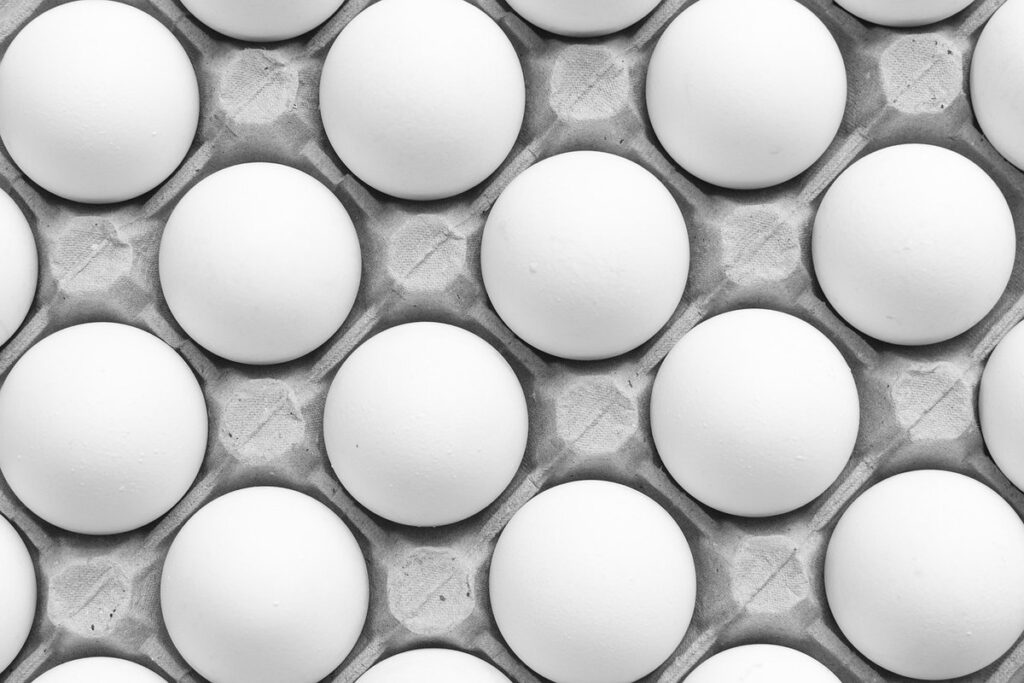
Understanding White Chicken Eggs: A Brief Overview
Let’s dive into what makes white chicken eggs special, and start by understanding their basic characteristics and differences from brown eggs. This brief overview will give you a solid foundation to build on.
What Are White Chicken Eggs?
White chicken eggs are an incredibly popular choice among consumers due to their versatility and nutritional value. They are a staple in many households and are used in a variety of dishes, from omelets to baked goods.
To start with the basics, white chicken eggs have several characteristics that set them apart from other types of eggs. For one, they have an egg white that is typically pale yellow or clear, rather than the darker brown or orange of some other breeds. This makes them ideal for cooking methods where the appearance of the egg white is important, such as poaching or making delicate sauces.
In terms of nutritional value, white chicken eggs are a good source of protein and various vitamins and minerals, including vitamin D and choline. They also tend to be lower in fat compared to some other types of eggs. This makes them a popular choice for health-conscious consumers who want to get the most nutritional bang for their buck.
Overall, the unique combination of characteristics that make white chicken eggs so versatile and nutritious has contributed to their widespread popularity among consumers.
History and Production of White Chicken Eggs
The history of white chicken egg production is a fascinating story that dates back to ancient civilizations. As humans began to domesticate chickens for food and other uses, the concept of commercial egg production started to take shape. In the early 20th century, poultry farming emerged as a major industry in many parts of the world. This marked a significant shift from traditional backyard chicken keeping to large-scale egg production.
As the demand for eggs grew, so did the need for efficient and cost-effective methods of production. Farmers began to adopt new technologies, such as automated feeding systems and climate-controlled facilities, which greatly improved egg quality and quantity. Today, commercial egg production is a multi-billion dollar industry that supplies millions of eggs to consumers every day.
Interestingly, the majority of white chicken eggs sold in supermarkets come from just a few large-scale farms, where thousands of hens are kept in controlled environments. While this may seem impersonal, it has undoubtedly contributed to the affordability and consistency of egg production worldwide.
Nutrition and Health Benefits of White Chicken Eggs
When it comes to white chicken eggs, you might be surprised by their impressive nutritional profile and numerous health benefits for your body. From protein to vitamins, let’s crack open these advantages together!
Protein Content and Quality
White chicken eggs are renowned for their exceptional protein content, making them an ideal addition to a balanced diet. In fact, one large white egg provides approximately 6-7 grams of high-quality protein, which is essential for building and repairing muscles, organs, and tissues.
What sets the protein in white chicken eggs apart from other food sources? It’s the combination of all nine essential amino acids (EAAs) that our bodies can’t produce on its own. These EAAs are crucial for muscle growth, recovery, and overall health. White chicken eggs also contain a high bioavailability score, which means their proteins can be easily absorbed by the body.
To maximize the protein benefits of white chicken eggs, it’s essential to consume them in moderation as part of a varied diet. A general rule of thumb is to include 2-3 whole eggs per day for optimal nutrition. You can also use egg whites as a convenient and versatile protein supplement, especially post-workout or as a quick breakfast option. By incorporating white chicken eggs into your daily meals, you’ll not only boost your protein intake but also tap into their rich nutritional profile.
Vitamins and Minerals Found in White Chicken Eggs
White chicken eggs are an excellent source of essential vitamins and minerals, making them a nutritious addition to a balanced diet. In fact, just one large egg provides about 6-7% of the recommended daily intake of several crucial micronutrients.
Rich in vitamin D, white chicken eggs can help support bone health by facilitating calcium absorption. Vitamin B12 is also present in significant amounts, playing a vital role in nerve function and red blood cell production. Additionally, these eggs are an excellent source of folate, with one large egg providing around 25% of the daily recommended intake. Other essential vitamins found in white chicken eggs include vitamin A, vitamin E, and riboflavin.
Minerals such as phosphorus, zinc, and iron are also present in these eggs, contributing to overall health and well-being. Phosphorus, for example, is necessary for maintaining strong bones and teeth, while zinc supports immune function. With a single egg providing around 10% of the daily recommended intake of iron, incorporating white chicken eggs into your diet can help support healthy red blood cell production.
The Science Behind White Chicken Egg Whites
At its core, egg whites are made up of about 90% water and a combination of proteins that give them their unique texture and structure. Let’s take a closer look at what makes these components so fascinating.
Composition and Structure
When it comes to understanding the science behind white chicken egg whites, composition and structure are essential components. Egg whites are primarily made up of water, with approximately 90% of their weight comprised of H2O. However, it’s not just about the liquid content – protein takes center stage too.
Protein is responsible for roughly 10% of the total composition of egg whites, primarily consisting of ovotransferrin (around 60%) and ovomucoid (about 15%). These proteins have distinct roles in maintaining the structural integrity and functional properties of egg whites. For instance, ovotransferrin helps to bind water molecules and stabilize the protein network.
In terms of other minor components, egg whites also contain small amounts of salts, vitamins, and minerals like calcium, magnesium, and potassium. While these elements contribute a relatively minor proportion to the overall composition, their presence is vital in supporting various bodily functions, including hydration and energy production. This delicate balance of ingredients ensures that egg whites maintain their characteristic gel-like texture when liquid and set firmly when cooked.
Functions and Uses of White Chicken Egg Whites
Egg whites have been harnessed for centuries due to their unique properties. Not only do they add protein and moisture to baked goods, but their gel-like texture also makes them an excellent thickening agent. In cooking, egg whites are commonly used as a replacement for cornstarch or flour in recipes such as mayonnaise, meringues, and souffles.
The versatility of egg whites extends beyond the kitchen. They have industrial applications as well. For instance, egg white proteins like ovotransferrin and ovomucoid are used in pharmaceuticals to enhance wound healing and reduce inflammation. Additionally, egg whites can be used to create biodegradable plastics due to their natural binding properties.
Some interesting examples of egg whites being used for non-culinary purposes include the creation of adhesives and coatings. In cosmetics, egg white proteins are often utilized as emulsifiers in skincare products. To get started with using egg whites in your own kitchen or DIY projects, you can experiment with whisking them to create a foam that’s perfect for sealing or glazing food.
Environmental Impact and Sustainability
As we’ve explored the wonders of white chicken eggs, it’s essential to consider their impact on our planet, from resource usage to waste management. Let’s delve into the environmental effects and sustainable practices surrounding these everyday essentials.
Egg Farming Practices and Their Effects on the Environment
Commercial egg production is a complex issue that goes beyond the quality and nutritional value of eggs themselves. As we’ve explored earlier, white chicken eggs are an excellent source of protein and essential nutrients for a healthy diet. However, the way these eggs are produced can have significant environmental implications.
Intensive farming practices, which are common in commercial egg production, can lead to soil erosion, water pollution, and loss of biodiversity. For instance, large-scale egg farms often rely on monoculture, where a single crop is grown repeatedly on the same land. This not only depletes soil nutrients but also contributes to greenhouse gas emissions.
The environmental effects of intensive farming are far-reaching. A study by the United Nations found that animal agriculture is responsible for around 14.5% of global greenhouse gas emissions, with poultry being a significant contributor. To mitigate these impacts, many farmers and producers are adopting more sustainable practices, such as free-range or organic egg production. By choosing eggs from farms that prioritize environmental stewardship, consumers can support more sustainable farming methods.
It’s essential to note that not all commercial egg farms have a negative impact on the environment. Some producers are embracing innovative approaches, like regenerative agriculture and permaculture design, which aim to restore soil health, promote biodiversity, and reduce waste. By supporting these eco-friendly farms, consumers can enjoy high-quality white chicken eggs while promoting a more sustainable food system.
Sustainable Egg Production Methods
As consumers become more environmentally conscious, it’s no surprise that there’s a growing demand for sustainable egg production methods. The good news is that innovative approaches to reducing the ecological footprint of white chicken eggs are being developed and implemented by farmers and producers worldwide.
One key approach to sustainable egg production is free-range farming. This method allows hens to roam freely outdoors, reducing their reliance on indoor space and artificial lighting. As a result, hens can engage in natural behaviors like foraging and scratching, which not only improve their welfare but also reduce the need for pesticides and fertilizers.
Another approach gaining traction is regenerative agriculture. This method focuses on rebuilding soil health through practices like rotational grazing and cover cropping. By mimicking nature’s cycles, farmers can sequester carbon, promote biodiversity, and even enhance water quality.
As a consumer, you can support sustainable egg production by choosing producers that adopt these methods. Look for certifications like “free-range” or “regenerative,” and ask questions about the farm’s practices when buying eggs directly from them. By making informed choices, you’re helping to drive demand for more environmentally friendly farming practices.
White Chicken Eggs in Cooking: Techniques and Recipes
White chicken eggs are incredibly versatile, and in this section, we’ll explore creative techniques for incorporating them into your favorite recipes. From breakfast staples to savory main dishes, get inspired!
Preparation Methods and Safety Guidelines
When working with white chicken eggs, it’s essential to follow proper preparation and food safety guidelines to ensure your dishes are both delicious and safe to eat. To begin, always wash your hands thoroughly before handling eggs to prevent the risk of contamination.
Storing eggs requires attention to detail as well. White chicken eggs should be stored in a cool, dry place away from direct sunlight. It’s best to store them with their pointed end facing down to prevent moisture from seeping into the egg and causing spoilage.
When cooking with white chicken eggs, it’s crucial to handle them safely. Always use clean utensils and surfaces when cracking and preparing eggs. Cooked eggs should be stored in a sealed container in the refrigerator at a temperature of 40°F (4°C) or below within two hours of cooking.
In addition to proper storage and handling, it’s also important to cook eggs to the recommended internal temperature of 160°F (71°C) to prevent the risk of salmonella poisoning. This can be achieved by using a food thermometer or by cooking eggs until the whites are set and the yolks reach your desired doneness.
Creative Recipes Using White Chicken Eggs
White chicken eggs are an incredibly versatile ingredient, and one of their most exciting aspects is their ability to be used in a wide range of creative recipes. Whether you’re a seasoned chef or a home cook looking for new ideas, these eggs can add texture, flavor, and moisture to your dishes.
Consider making a White Chicken Egg Frittata with Spinach and Feta: This classic Italian dish is a great way to showcase the eggs’ versatility. Simply sauté chopped onions, garlic, and spinach in olive oil, then mix in beaten eggs, crumbled feta cheese, salt, and pepper. Pour the mixture into a greased skillet and cook until set. The result is a delicious, protein-packed breakfast or brunch option.
Another idea is to use white chicken eggs as a binder in homemade pasta dough: This might sound unusual, but it’s a great way to add extra moisture and flavor to your pasta. Simply mix 1-2 beaten eggs with the flour and water mixture before rolling out the dough. The eggs will help bind the ingredients together, creating a deliciously tender and chewy texture.
White chicken eggs can also be used in baked goods: Try making a Lemon Poppy Seed Cake using egg whites to add lightness and structure to the batter. Simply beat the egg whites until stiff peaks form, then fold them into the remaining cake mixture before pouring it into a greased loaf pan. The result is a moist, fluffy cake with a beautiful texture.
These are just a few examples of the many creative ways you can use white chicken eggs in cooking. Experiment with different recipes and techniques to find your own favorite uses for these incredible ingredients!
Conclusion: The Importance of White Chicken Eggs in Modern Cuisine
As we’ve explored the incredible versatility and benefits of white chicken eggs, it’s time to discuss their impact on modern cuisine and why they’re a staple in many top chefs’ kitchens.
Recap of Key Points
As we conclude our exploration into the amazing world of white chicken eggs, let’s take a moment to recap the key points that highlight their significance in modern cuisine. White chicken eggs are an excellent source of protein, vitamins, and minerals, making them a staple in many kitchens around the world.
Their versatility is undeniable, as they can be boiled, fried, poached, or baked into a variety of dishes. From classic omelets to intricate desserts like tiramisu, white chicken eggs are an essential ingredient in both sweet and savory recipes. Moreover, their delicate flavor and firm texture make them an ideal choice for baking.
One of the most significant advantages of using white chicken eggs is their ability to pair well with a wide range of flavors. Whether you’re cooking Italian, Mexican, or Asian cuisine, white chicken eggs are a versatile ingredient that can be easily integrated into your dishes. By incorporating white chicken eggs into your meals, you’ll not only add flavor and nutrition but also help reduce food waste by using up the entire egg.
Incorporating these tips into your kitchen routine will ensure that you make the most of this incredible ingredient.
Future Directions for White Chicken Egg Research and Production
As we conclude our journey into the world of white chicken eggs, it’s essential to consider the future directions for research and production. The demand for high-quality egg products continues to grow, driven by consumers seeking healthier, more sustainable options.
One promising area of research is the development of new breeds that prioritize both egg quality and environmental sustainability. Scientists are exploring ways to enhance the nutritional profile of eggs through changes in feed composition or breed selection. For example, studies have shown that feeding hens omega-3 rich diets can result in eggs with higher levels of this beneficial fatty acid.
To meet the increasing demand for high-quality egg products, producers will need to adopt more efficient and sustainable production methods. This might involve implementing precision agriculture techniques, such as automated monitoring systems or optimized feeding strategies. Consumers can also play a role by supporting farms that prioritize animal welfare and environmental stewardship.
As consumers become increasingly aware of the environmental impact of their food choices, the white chicken egg industry will need to adapt. Expect to see more emphasis on regenerative farming practices, which promote soil health and biodiversity while reducing greenhouse gas emissions.
Frequently Asked Questions
Can I use white chicken eggs for vegan or vegetarian diets?
While white chicken eggs are an excellent source of protein, vitamins, and minerals, they are not suitable for vegan or vegetarian diets as they come from animals. However, egg whites can be used in some plant-based recipes, and there are many vegan egg alternatives available on the market.
How do I incorporate more sustainable egg production methods into my grocery choices?
When shopping for white chicken eggs, look for labels that indicate “free-range,” “cage-free,” or “organic” production. These methods prioritize animal welfare and environmental sustainability. You can also consider buying eggs from local farmers’ markets or joining a community-supported agriculture (CSA) program to support sustainable egg farming practices.
What are the key differences between white and brown chicken eggs, beyond appearance?
While both types of eggs come from chickens, their nutritional content and production methods can differ. White eggs tend to have thinner shells than brown eggs, making them easier to digest for some people. Brown eggs may contain slightly more nutrients like vitamins A and E, but the difference is relatively small.
Can I use white chicken egg whites as a substitute in recipes that call for gelatin?
Yes. Egg whites can be used as a vegan alternative to gelatin due to their high protein content and ability to create a similar texture when whipped or cooked. However, keep in mind that using too much egg white can result in an overly dense or rubbery consistency.
How do I store white chicken eggs for optimal freshness and safety?
Always store eggs in their original carton, with the pointed end facing down. Keep them refrigerated at a temperature below 40°F (4°C) to prevent bacterial growth. Use eggs within 3-5 weeks of purchase for best flavor and texture.