
If you’re considering adding some feathered friends to your backyard flock, you might want to learn more about White Leghorn chickens. These popular birds have been around for over a century and are known for their impressive egg-laying capacity. But that’s not all – they also come with a host of desirable traits, including friendly personalities and high-quality eggs.
In this ultimate guide, we’ll delve into the history of White Leghorns, highlighting what makes them such an attractive choice for backyard farmers and homesteaders. We’ll explore their characteristics in-depth, covering everything from egg-laying capacity to health considerations. Whether you’re a seasoned poultry keeper or just starting out, this article will provide you with all the information you need to raise and care for these wonderful birds.
History and Origins of White Leghorn
The White Leghorn breed has its roots in Italy, where it was first developed in the 19th century from local chickens. Let’s explore how this iconic breed came to be.
Early Development in Italy
The White Leghorn breed has its roots in Italy, specifically in the region of Tuscany, where it was first developed in the late 19th century. The goal was to create a bird that would be exceptional at egg-laying and suitable for the Mediterranean climate. Italian farmers crossed local breeds with foreign birds, introducing new traits such as high egg production and adaptability.
The result was a bird that excelled in both areas, producing an impressive number of eggs per year. This innovative breed quickly gained popularity among Italian farmers due to its hardiness and ability to thrive in various conditions. By the early 20th century, the White Leghorn had become one of Italy’s leading egg-laying breeds.
The breed’s development was a significant milestone in poultry history. Its success can be attributed to selective breeding, which allowed for the amplification of desirable traits such as high fertility and longevity. The White Leghorn went on to become a global phenomenon, spreading to countries around the world due to its exceptional egg-laying abilities and adaptability.
Introduction to the Breed’s Characteristics
The White Leghorn is one of the most recognizable chicken breeds due to its striking appearance. One of the breed’s standout characteristics is its egg-laying ability – they are prolific layers, producing an average of 280-300 large white eggs per year. In terms of temperament, White Leghorns are known for being friendly and docile, making them a great choice for backyard flocks with children.
In terms of body type, the White Leghorn is a medium-sized bird, with males weighing around 4-5 pounds and females slightly smaller at 3-4 pounds. They have a slender build, long neck, and legs that are well-suited for scratching and foraging. Their feathers are a pure white color, with no other markings or colors present.
For prospective owners, it’s essential to note that White Leghorns can be prone to certain health issues, such as heat stress due to their large comb size. Regular care and attention will help minimize these risks and ensure your birds thrive in their new home.
Physical Characteristics and Traits
When it comes to identifying a White Leghorn, let’s take a closer look at their physical characteristics and traits that set them apart from other breeds.
Key Physical Features
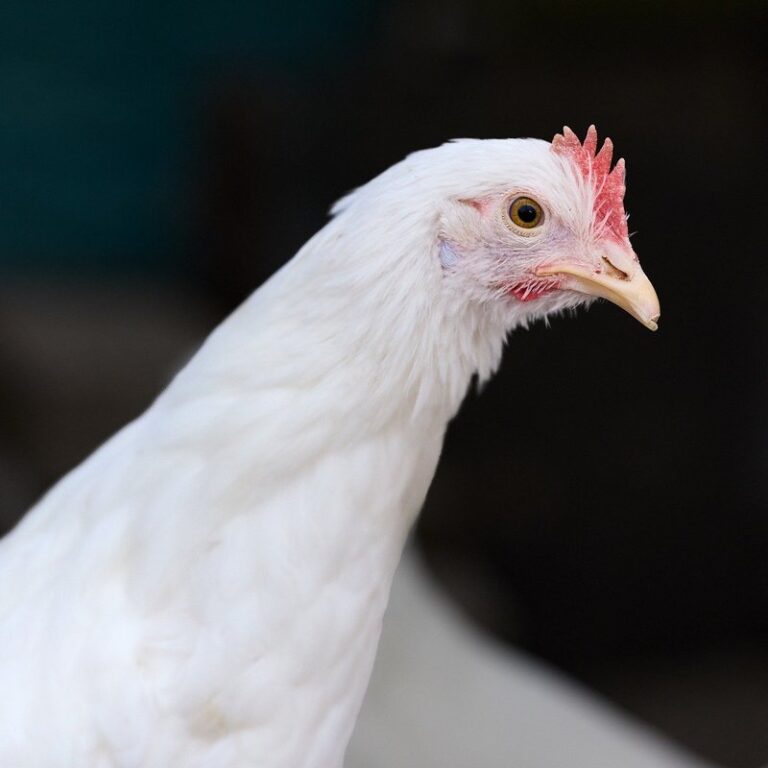
One of the most distinctive features of the White Leghorn chicken breed is its physical characteristics. As one of the most recognizable breeds in the world, it’s easy to spot a White Leghorn due to its striking appearance. When it comes to plumage color, these chickens are aptly named – their feathers are a brilliant white, with no hint of any other color. This pure white coat is not only aesthetically pleasing but also helps them blend in with their surroundings, making them easy prey for predators if they’re free-ranging.
The White Leghorn’s comb shape and size are another defining feature. They have a single comb, meaning it’s a single projection from the top of the head rather than being divided into two or more sections like some other breeds. The comb is medium-sized and curved in shape, adding to the breed’s overall rugged yet elegant appearance.
In terms of size, White Leghorns are relatively small compared to some other chicken breeds, with roosters typically weighing around 3-4 pounds and hens weighing slightly less at about 2-3 pounds. This compact size makes them perfect for backyard flocks or small farms where space is limited.
Size and Weight Variations
When it comes to size and weight, the White Leghorn breed offers a range of options for owners. While they are known as one of the most popular breeds globally, White Leghorns come in various sizes, from bantam to standard. Bantams weigh between 1-2 pounds (0.5-1 kg), making them perfect for small backyard flocks or urban chicken keepers with limited space.
Standard-sized White Leghorns, on the other hand, can weigh anywhere from 4-7 pounds (1.8-3.2 kg) and are ideal for larger farms or those seeking to produce eggs at an efficient rate. Medium-sized birds fall somewhere in between, weighing around 2-3 pounds (0.9-1.4 kg).
For owners, the size and weight variations of White Leghorns mean they can choose a bird that suits their specific needs and resources. For example, if you’re short on space or have limited feed available, a bantam might be the perfect choice for your flock. However, if you want to maximize egg production and are willing to invest in more food and care, a standard-sized White Leghorn could be a better fit.
Ultimately, it’s essential to research and understand the needs of each bird size before making an informed decision.
Temperament and Personality Traits
When it comes to the White Leghorn, understanding their temperament and personality traits is essential for any backyard chicken keeper. Let’s take a closer look at what makes these birds tick.
Friendly Nature
One of the standout characteristics of the White Leghorn breed is their incredibly friendly and docile nature. This makes them an ideal choice for families with children, as well as beginners who are new to raising chickens. Unlike some other breeds that can be more territorial or aggressive, White Leghorns are known for being gentle and easy-going.
In fact, many owners report that their White Leghorn hens will follow them around the yard, eager to investigate and interact with their owners. This friendly nature also makes them a great choice for small farms or homesteads where they can be integrated into a community of animals. If you’re looking to raise chickens but are concerned about their temperament, White Leghorns are an excellent starting point.
To encourage a strong bond between your White Leghorn hens and your family, try spending time with them in the coop or run. Let them get to know your voice and touch, and be sure to provide plenty of treats and rewards for good behavior. With patience and consistency, you’ll find that your White Leghorns will become loyal companions and loving members of your backyard flock.
Noise Level and Feeding Requirements
White Leghorns are known for their loud and expressive personalities, making them one of the most vocal chicken breeds. They’re not afraid to let you know when they need something, whether it’s food, water, or attention. If you’re considering bringing a White Leghorn into your backyard flock, be prepared for some early morning wake-up calls.
To keep these high-energy hens happy and healthy, regular feeding is essential. Aim to feed them at least twice a day, with an emphasis on providing a balanced diet that includes a mix of grains, proteins, and calcium-rich foods. A good rule of thumb is to provide about 1/4 cup of layer feed per hen per day, adjusting as needed based on their age and activity level.
By keeping your White Leghorns well-fed and happy, you’ll be rewarded with plenty of eggs and a lively flock that will bring joy to your backyard. Just remember to expect some noise – it’s all part of the package when owning a White Leghorn!
Egg-Laying Capacity and Production
White Leghorn hens are prolific layers, producing a large number of eggs per year, making them an ideal choice for backyard flocks and commercial farms alike. In this section, we’ll explore their impressive egg-laying capacity and production in more detail.
Average Daily Egg Production
White Leghorns are renowned for their exceptional egg-laying capacity, and one of the most significant advantages of keeping this breed is their ability to produce a high number of eggs per year. On average, a White Leghorn hen will lay around 280-300 eggs annually, which is an impressive figure considering the breed’s overall lifespan.
To put this into perspective, let’s consider that it takes approximately 24 weeks (6 months) for a White Leghorn to reach maturity and start laying eggs regularly. This means that even before they’ve reached full production potential, your hens are already contributing significantly to your egg supply.
It’s worth noting that individual performance may vary depending on several factors such as nutrition, health, and living conditions. However, with proper care and management, you can expect your White Leghorns to maintain their high level of productivity throughout the year.
Factors Affecting Egg Production
When it comes to maximizing egg production from your White Leghorn hens, several key factors come into play. Nutrition, health, and environment are crucial elements that can significantly impact a hen’s egg-laying capacity.
A well-balanced diet rich in essential nutrients is vital for optimal egg production. Hens require a mix of protein, calcium, and other minerals to lay eggs regularly. A deficiency in these nutrients can lead to reduced egg production or even affect the quality of eggs. For instance, if your hens are not getting enough calcium, their eggs may be soft-shelled or have weak shells.
Regular health checks are also essential to prevent any potential health issues that might impact egg laying. Common health problems like mites, lice, and respiratory infections can all negatively affect a hen’s ability to lay eggs. Moreover, stress caused by environmental factors such as overcrowding, poor ventilation, or extreme temperatures can also reduce egg production.
Maintaining a clean and well-ventilated coop is essential for your hens’ overall health and egg-laying capacity. Aim for at least 3-4 square feet of space per hen inside the coop, and ensure adequate light, fresh air, and dust-free conditions to promote healthy living.
Health Considerations and Common Issues
When raising White Leghorn hens, it’s essential to be aware of common health issues that may arise, such as respiratory problems or egg-related complications. These can often be prevented with proper care and attention to their needs.
Susceptibility to Diseases
As you embark on raising White Leghorns, it’s essential to be aware of their susceptibility to certain diseases. One of the most significant health concerns for this breed is Marek’s disease, a viral infection that can cause immunosuppression, leading to secondary infections and even death. Unfortunately, White Leghorns are particularly prone to this disease due to their genetic makeup.
Another significant threat to your flock is avian influenza (bird flu). While it’s not exclusive to White Leghorns, they are more susceptible to its effects due to their large-scale breeding practices. Outbreaks can be devastating, resulting in massive losses and even economic collapse for some farmers.
If you’re concerned about disease susceptibility, consider implementing strict biosecurity measures, such as disinfecting equipment, providing adequate ventilation, and limiting direct contact between birds and humans. Keeping your flock healthy also involves maintaining a balanced diet, ensuring access to fresh water, and monitoring their overall health regularly.
By being proactive in managing potential risks, you can minimize the impact of these diseases on your White Leghorn flock.
Nutritional Needs and Requirements
As an owner of White Leghorn chickens, it’s essential to understand their nutritional needs and requirements. These birds are known for their high egg production, which puts a strain on their calcium reserves. To ensure they’re getting enough protein, calcium, and other essential nutrients, you’ll want to provide a balanced diet that meets their specific needs.
White Leghorns require a minimum of 16-18% protein in their diet, with a ratio of 1:20 or higher for calcium-to-phosphorus. You can achieve this by mixing layer feed with supplements such as crushed eggshells or oyster shells to boost calcium levels. Fresh fruits and vegetables should also be included in their diet, but avoid giving them high-starch foods like bread or potatoes.
A good rule of thumb is to provide a 1/4 cup of fresh fruit per chicken daily, and let them forage for insects and worms as much as possible. Regularly check the feeders to ensure your birds are getting enough to eat, and make adjustments accordingly. By paying attention to their nutritional needs, you can help prevent health issues like egg binding or soft-shelled eggs in your White Leghorn hens.
Breeding and Raising White Leghorn Chicks
To successfully raise healthy White Leghorns, you’ll want to learn how to breed and raise them from day one, which requires careful attention to their incubation and early growth stages.
Choosing a Hatchery or Breeder
When it comes to raising healthy and thriving White Leghorns, selecting a reputable hatchery or breeder is of utmost importance. You want to ensure that you’re starting with chicks that are robust, disease-free, and well-suited for the conditions they’ll face on your farm.
A good breeder or hatchery will prioritize the health and welfare of their birds, implementing strict biosecurity measures and regular veterinary check-ups to prevent disease outbreaks. They should also have a clear understanding of the breed’s specific needs and can provide guidance on nutrition, management, and husbandry practices that are tailored to your region and climate.
Look for breeders or hatcheries that are certified by reputable organizations such as the American Poultry Association (APA) or the United States Department of Agriculture (USDA). These certifications ensure that they meet rigorous standards for animal welfare, hygiene, and genetics. By choosing a trusted breeder or hatchery, you’ll set your flock up for success from day one, saving yourself time, money, and heartache in the long run.
Proper Care and Management
When it comes to raising healthy White Leghorn chicks, proper care and management are crucial for their growth and development. A well-planned feeding schedule is essential to ensure they receive the necessary nutrients for optimal growth. Feed them a starter feed that contains around 20% protein from day-old to six weeks of age. Gradually switch to grower feed with about 16% protein between six to eighteen weeks.
Vaccinations also play a vital role in protecting your chicks against common diseases such as Marek’s disease, Newcastle disease, and Infectious Bronchitis. Consult with a veterinarian to determine the best vaccination schedule for your flock.
Housing is another critical aspect of raising White Leghorn chicks. Provide them with adequate space to move around, about 2-3 square feet per chick in the brooder. Ensure proper ventilation and maintain a comfortable temperature range between 90°F to 100°F during the first week. As they grow, you can gradually increase the space allocated to each bird.
It’s also essential to ensure good hygiene practices, such as cleaning feeders and waterers daily, disinfecting surfaces regularly, and maintaining a clean brooder. By following these guidelines, you’ll be able to raise healthy and robust White Leghorn chicks that will thrive under your care.
Conclusion and Final Thoughts
As you’ve now learned everything there is to know about White Leghorn chickens, let’s summarize the key takeaways from our journey together so far.
Recap of Breed’s Benefits and Drawbacks
As we wrap up our comprehensive guide to the White Leghorn breed, let’s take a moment to recap their benefits and drawbacks. One of the most significant advantages of owning a White Leghorn is their exceptional egg-laying capacity. On average, these hens can produce around 280-300 brown eggs per year, making them an excellent choice for backyard chicken keepers who want a reliable source of fresh eggs.
Another benefit of White Leghorns is their friendly and docile nature. They are known to be approachable and easy-going, making them a great breed for families with children or for those new to chicken keeping. However, it’s essential to note that some individuals may experience health issues such as egg-binding or reproductive problems due to their high egg production.
To mitigate these risks, regular veterinary check-ups, proper nutrition, and sufficient exercise are crucial. With proper care and attention, a White Leghorn can thrive and provide you with an abundance of fresh eggs for years to come.
Final Recommendations for Owners
If you’re considering bringing home a White Leghorn chicken, there are several factors to consider before making a decision. First and foremost, it’s essential to weigh the pros and cons of owning a breed known for its high egg production. While their impressive egg-laying abilities can be a significant advantage for backyard chicken owners, they also require regular feeding and management to maintain their health.
To make an informed decision, evaluate your lifestyle and available space. White Leghorns are active birds that need room to roam, so ensure you have enough yard or coop space to accommodate them. Additionally, consider your ability to manage their high egg production by having a plan in place for storing and using eggs regularly. You may also want to research local regulations regarding backyard chickens to avoid any potential issues.
Ultimately, if you’re willing to provide the necessary care and attention, White Leghorns can be wonderful additions to your flock. However, it’s crucial to carefully consider their needs before bringing them home to ensure a harmonious and healthy living situation for both you and your birds.
Frequently Asked Questions
What are some essential nutritional requirements for White Leghorn chickens to maintain their egg-laying capacity?
White Leghorns require a balanced diet rich in protein, calcium, and phosphorus to support their high egg production. A good layer feed should be formulated with 16-18% protein and 1.5-2% calcium to ensure optimal health.
How can I provide enough space for my White Leghorn flock considering they are energetic birds?
Providing sufficient space is crucial for the physical and mental well-being of your flock. A general rule of thumb is to allocate at least 4-6 square feet per bird in the coop and 8-10 square feet in the run.
Can I mix White Leghorns with other breeds, or do they require a separate flock?
While it’s possible to integrate White Leghorns with other breeds, it’s essential to consider compatibility. Some breeds may not tolerate their friendly but dominant nature. Start by introducing them slowly and under close supervision.
Are White Leghorns prone to health issues specific to their high egg-laying capacity?
Yes. Their high reproductive demands can make them more susceptible to respiratory problems and prolapse due to the pressure of laying large numbers of eggs. Regular health checks, proper ventilation, and adequate nutrition are crucial to mitigate these risks.
Can I raise White Leghorn chicks from hatching without prior experience in chicken keeping?
Raising young chickens requires patience, dedication, and attention to detail. While it’s not impossible for beginners, it’s recommended that you start with a small group of adult birds or gain some experience with smaller breeds before diving into raising vulnerable chicks. Proper care and management during the critical early stages will significantly impact their long-term health and productivity.