
If you’re anything like me, you probably care about the quality of your eggs. Not just their taste and nutritional value, but also where they come from and how they’re produced. When it comes to White Leghorns, these popular egg-laying birds are known for producing a high volume of white eggs with an incredibly consistent color. But have you ever stopped to think about why the color of your eggs matters? Not only can it indicate freshness and quality, but it’s also linked to the nutritional content within. In this article, we’ll delve into the world of White Leghorn eggs, exploring factors that influence their unique characteristics and how to identify high-quality eggs that meet your dietary needs. We’ll cover everything from eggshell color to nutritional content, so you can make informed choices about the eggs you eat.
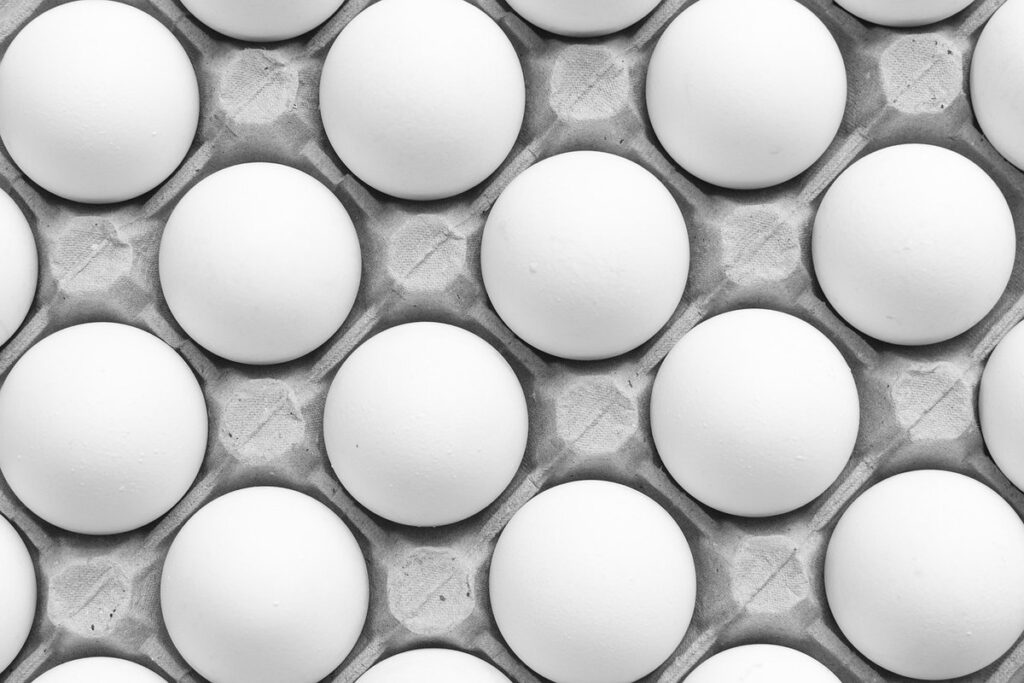
What Are White Leghorn Eggs?
So, you’re curious to know more about what makes a white leghorn egg so unique in terms of its color and characteristics. Let’s dive into the details.
Origins and History of White Leghorns
The White Leghorn breed has its roots in Italy, specifically in the Tuscany region, where it was first developed in the 19th century. The original intention of breeding this bird was to create a high-producing egg layer that could withstand the hot climate of southern Europe.
Over time, the White Leghorn’s popularity grew, and by the early 20th century, it had become one of the leading breeds for commercial egg production worldwide. Its adaptability to various climates, combined with its impressive laying capacity, made it an ideal choice for large-scale farming operations.
As a result, the White Leghorn quickly became a staple in many commercial farms, and its eggs are still widely consumed today. In fact, it’s estimated that over 90% of all eggs produced commercially come from this breed or hybrids derived from it. The White Leghorn’s success can be attributed to its robust health, high egg production (averaging around 280-300 brown eggs per year), and relatively low feed requirements.
Physical Characteristics of White Leghorns
White Leghorns are one of the most popular breeds used for egg production, and their physical characteristics play a significant role in their suitability for this purpose. When it comes to size, White Leghorns are medium-sized birds, typically weighing between 5-6 pounds (2.3-2.7 kg). They have a length of around 26-28 inches (66-71 cm) and a wingspan of approximately 40-42 inches (102-107 cm).
Their plumage is where they get their name from – they have a pure white coat, which makes them easily distinguishable from other breeds. This single comb breed has a medium-sized comb that’s erect and single, which helps to regulate their body temperature during the hot summer months.
When it comes to egg production, White Leghorns are known for their prolific laying ability, producing an average of 280-300 large white eggs per year. Their size, weight, and plumage color all contribute to their suitability for commercial egg production. With proper care and management, White Leghorns can thrive in a variety of settings, making them a popular choice among backyard chicken keepers and large-scale commercial farms alike.
Egg Color Variations: The Case of White Leghorn Eggs
White Leghorns are known for their distinctive egg-laying abilities, and one fascinating aspect is the range of colors their eggs can come in. Let’s dive into the different shades you might find when collecting your White Leghorn eggs.
Factors Influencing Eggshell Color
The genetics behind eggshell color in poultry is a complex process involving multiple genes that interact to determine the final color. In the case of White Leghorns, it’s not just one single gene responsible for their distinctive white eggs. Instead, it’s the combination of several genes working together that produces this characteristic feature.
Researchers have identified at least three main genes that contribute to eggshell pigmentation: OCA2, TYRP1, and SLC45A2. The interaction between these genes determines the amount and distribution of melanin, a pigment responsible for eggshell color. When it comes to White Leghorns, a specific combination of alleles (different forms) of these genes results in little to no melanin production, resulting in the white eggs we’re familiar with.
Interestingly, even within a single flock of White Leghorns, you may notice some eggs with slight variations in color. This is due to individual birds having slightly different combinations of gene variants, which can result in minor deviations from the typical white eggshell color. Understanding these genetic factors can help breeders and farmers make informed decisions about their flocks and better predict eggshell color outcomes.
Why Do Some White Leghorn Eggs Have a Pinkish Tinge?
Some White Leghorn eggs may exhibit an unusual pinkish tinge due to various factors. These eggs are typically produced by hens that have a genetic predisposition to producing slightly pigmented eggs. This condition is often linked to the presence of the OCA2 gene, which regulates melanin production in the hen’s body.
In some cases, environmental influences can also contribute to the pinkish coloration of White Leghorn eggs. For instance, hens that consume a diet rich in iron or have exposure to certain types of bacteria may produce eggs with a reddish tint.
It’s essential to note that egg color is not a reliable indicator of an egg’s nutritional value or safety for consumption. If you’re concerned about the appearance of your White Leghorn eggs, it’s best to consult with a veterinarian or poultry expert to rule out any underlying health issues.
To determine if the pinkish tinge on your White Leghorn eggs is due to genetic or environmental factors, observe the eggs’ coloration and overall health. If you notice a consistent pattern of pink-colored eggs in conjunction with other signs of good health, it may be attributed to genetics.
Understanding the EEAT Criteria for White Leghorn Eggs
To ensure you’re producing high-quality white Leghorns, it’s essential to understand the EEAT criteria that governs their egg production standards. These guidelines are crucial in maintaining a healthy and sustainable operation.
Expertise: The Breeders’ Perspective
Breeders of White Leghorns play a vital role in shaping the characteristics of these birds, including their eggshell color. Their primary goal is to develop hens that consistently produce high-quality eggs with desirable traits. To achieve this, breeders employ various strategies to identify and select individuals with optimal eggshell colors.
One crucial aspect of breeding White Leghorns is understanding the genetic basis of eggshell color. Breeders must recognize that eggshell color is a complex trait influenced by multiple genes. They use techniques such as DNA testing and pedigree analysis to determine an individual bird’s genetic makeup and predict its potential for producing eggs with desired colors.
To maintain consistent egg quality, breeders prioritize breeding programs that focus on selecting birds with exceptional eggshell characteristics. For example, they might identify hens with a specific shade of white or those with minimal or no spotting. By carefully selecting breeding stock and monitoring their performance, breeders can improve the overall consistency of eggshell color in subsequent generations. This expertise is essential for producing high-quality eggs that meet consumer demand.
Trustworthiness: Evidence-Based Practices in Egg Production
When it comes to trustworthiness, evidence-based practices play a crucial role in ensuring that White Leghorn eggs meet consumer expectations and regulatory standards. One such practice is adhering to the principles of animal welfare, which prioritizes the health and well-being of the birds. For instance, many egg producers ensure that their flocks have access to natural light, fresh air, and adequate space to roam.
Another key evidence-based practice is implementing robust biosecurity measures to minimize the risk of disease outbreaks. This includes regular cleaning and disinfection protocols, as well as strict vaccination programs to protect against common pathogens. By doing so, egg producers can prevent the spread of diseases that could compromise egg quality and safety.
To further ensure trustworthiness, many producers also adopt sustainable practices such as reducing water consumption and minimizing waste. For example, some farms have implemented rainwater harvesting systems or use recycled materials in their infrastructure. These initiatives not only benefit the environment but also contribute to a healthier flock and higher-quality eggs for consumers.
Search Intent Alignment: What Consumers Want to Know About White Leghorn Eggs
When searching for white leghorn eggs, you’re likely looking for information on their quality, nutritional value, and usage in cooking. Let’s dive into how search intent can guide your expectations of these popular eggs.
Quality of the Eggshell
When it comes to White Leghorn eggs, consumers are often curious about the quality of the eggshells. A high-quality eggshell is not only a reflection of the hen’s overall health but also affects the safety and freshness of the egg. Factors such as nutrition and environmental conditions play a significant role in determining the appearance and durability of the eggshell.
A well-nourished White Leghorn will produce eggs with strong, smooth shells that are less prone to cracking. On the other hand, a diet lacking essential nutrients like calcium can lead to fragile eggshells. For instance, a study found that hens fed a calcium-rich diet produced eggs with thicker, more robust shells compared to those fed a standard diet.
In terms of environmental conditions, temperature and humidity levels also impact eggshell quality. Ideal temperatures between 40°F to 80°F (4°C to 27°C) and moderate humidity can help ensure the development of strong eggshells. In contrast, extreme temperatures or fluctuations can cause stress on the hen, leading to weaker eggs.
To choose high-quality White Leghorn eggs, look for farms that prioritize hens’ nutrition and environmental conditions. By understanding what affects eggshell quality, consumers can make informed decisions when selecting their next dozen eggs.
Health and Safety Implications
Consuming eggs from White Leghorns is generally considered safe. However, some consumers may be concerned about potential health implications due to unusual egg color variations.
One common concern is the presence of blood spots or visible yolks on the eggs. These are usually caused by a harmless condition called hemolysis, where red blood cells rupture and release hemoglobin into the egg white. While these spots can look alarming, they don’t pose any health risk and are simply a natural phenomenon.
Another potential concern is the possibility of bacterial contamination. Some studies have suggested that eggs with unusual coloration may be more susceptible to Salmonella contamination. However, it’s essential to note that proper handling, storage, and cooking procedures significantly reduce this risk.
To minimize risks when consuming White Leghorn eggs, ensure you’re purchasing from reputable sources and storing them properly in the refrigerator at a temperature of 40°F (4°C) or below. Always wash your hands before and after handling eggs, and cook them to an internal temperature of at least 160°F (71°C). By following these simple guidelines, you can enjoy White Leghorn eggs while minimizing any potential risks associated with unusual egg color variations.
Nutritional Content of White Leghorn Eggs
White Leghorn eggs are not only a delight to look at, but they also pack a punch when it comes to nutritional value. Let’s take a closer look at their impressive profile.
Macronutrient Composition
White Leghorn eggs are renowned for their exceptional nutritional profile, making them an attractive option for health-conscious consumers. In terms of macronutrient composition, these eggs contain approximately 6-7 grams of protein per large egg, which is about 12-13% of the recommended daily intake. This high protein content makes them an excellent choice for individuals looking to increase their dietary protein without relying on supplements.
In addition to protein, White Leghorn eggs are also a good source of healthy fats, containing around 5 grams per large egg. These fats are primarily unsaturated, which can help lower cholesterol levels and reduce the risk of heart disease when consumed as part of a balanced diet. Carbohydrates account for a smaller portion of the egg’s nutritional profile, with approximately 0.6 grams per large egg.
To meet or exceed consumer expectations for healthy eating options, it is essential to consider the overall nutritional balance of White Leghorn eggs. With their impressive protein and fat content, these eggs can be a valuable addition to a variety of diets, including those focused on weight management, athletic performance, or general health and wellness.
Micronutrients and Vitamins in White Leghorn Eggs
White Leghorn eggs are not only prized for their size and egg-laying abilities but also for their nutrient-rich content. When it comes to micronutrients and vitamins, these eggs are a powerhouse of nutrition. Vitamins A, D, E, K, and the B complex are all present in significant amounts in White Leghorn eggs.
Vitamin D is particularly important as it plays a crucial role in bone health, immune function, and even mood regulation. A single large White Leghorn egg can provide up to 10% of the recommended daily intake of vitamin D. Similarly, vitamins E and K are essential for maintaining healthy skin, hair, and eyesight, while also supporting bone health.
The B complex vitamins found in White Leghorn eggs are also vital for energy production, nerve function, and heart health. These include thiamin (B1), riboflavin (B2), niacin (B3), pantothenic acid (B5), vitamin B6, biotin, and folate. Minerals like calcium, iron, and zinc are also present in significant amounts, making White Leghorn eggs an excellent choice for those looking to boost their mineral intake.
To reap the benefits of these micronutrients, it’s essential to consume eggs from pasture-raised hens or those that have been fed a balanced diet. This will ensure that your eggs are rich in nutrients and low in unhealthy additives.
How to Identify High-Quality White Leghorn Eggs
When scouring the market for high-quality White Leghorn eggs, it’s essential to know what to look for in terms of appearance and consistency. This section will walk you through the key characteristics to identify premium eggs.
Visual Cues for Eggshell Quality
When it comes to selecting high-quality eggs from White Leghorns, there are several visual cues that consumers can look out for. One of the most obvious signs is a symmetrical egg shape. High-quality eggs typically have a more oval or teardrop shape, rather than being spherical. This is because the shape of the egg is influenced by the way it’s formed inside the hen’s oviduct.
Another important factor to consider is the size of the egg. White Leghorn eggs are generally on the smaller side, but high-quality ones will have a more uniform size and weight. Look for eggs that are roughly the same size and shape as each other – this can indicate that they were laid by a healthy, well-fed hen.
The cleanliness of the shell is also crucial when it comes to egg quality. High-quality eggs should have a clean, dry appearance with no visible cracks or dirt. Avoid eggs with rough, pitted, or discolored shells, as these can be signs of poor handling or storage conditions. By paying attention to these visual cues, consumers can increase their chances of selecting high-quality White Leghorn eggs.
Storage and Handling Practices for Optimal Freshness
When it comes to preserving the quality and freshness of White Leghorn eggs, proper storage and handling practices are crucial. As an egg consumer, you want to ensure that your eggs remain fresh for as long as possible, which not only affects the taste but also the safety of consumption.
Transporting eggs requires careful consideration. Eggs should be kept in their original cartons or containers, away from direct sunlight, moisture, and heat sources. When transporting eggs to a storage area, maintain a consistent temperature between 32°F (0°C) and 40°F (4°C), as fluctuations can lead to moisture accumulation inside the egg.
Once stored, keep eggs pointed end down in their cartons to prevent any bacteria from entering through the air pocket at the large end. It’s also essential to maintain adequate ventilation in storage areas to allow for airflow, which helps prevent moisture buildup and promotes egg longevity.
Conclusion: The Value of Understanding White Leghorn Eggs
In conclusion, understanding the unique characteristics of White Leghorn eggs can be incredibly valuable for backyard chicken keepers and egg enthusiasts alike. By knowing what to expect from these eggs, you can better care for your flock and appreciate the beauty of their simple, white shells. Whether you’re looking to start a small egg business or simply want to enjoy fresh eggs from your own backyard, understanding White Leghorn eggs is essential. With this knowledge, you’ll be able to recognize any potential issues with fertility, shell quality, or other factors that can affect the overall health of your flock.
This newfound appreciation for White Leghorn eggs will also translate to a greater sense of satisfaction and connection with your chickens, as you come to appreciate their unique characteristics and contributions. So take the time to learn about these remarkable eggs – it’s an investment in yourself and your flock that will pay dividends in many ways!
Frequently Asked Questions
Can I use White Leghorn eggs for baking and cooking without any issues?
Yes, White Leghorn eggs are ideal for baking and cooking due to their consistent size, shape, and eggshell quality. Their white color also makes them a great choice for dishes where appearance matters, such as deviled eggs or egg salad.
How can I ensure the nutritional content of my White Leghorn eggs is optimal?
To maximize the nutritional benefits of your White Leghorn eggs, it’s essential to choose eggs from hens that are raised on pasture and fed a balanced diet. Look for certifications like “pasture-raised” or “free-range” to ensure you’re getting high-quality eggs.
What happens if I store my White Leghorn eggs incorrectly?
Incorrect storage can lead to a decrease in egg quality and shelf life. To keep your White Leghorn eggs fresh, store them in their original carton in the coldest part of your refrigerator at 40°F (4°C) or below. Avoid washing or cleaning the eggs before storing.
Can I use White Leghorn eggs for making omelets and scrambled eggs?
Yes, White Leghorn eggs are perfect for breakfast dishes like omelets and scrambled eggs due to their rich, creamy texture and mild flavor. Use fresh eggs from a trusted source for the best results.
How can I identify high-quality White Leghorn eggs that meet my dietary needs?
To choose high-quality White Leghorn eggs, look for those with clean, unblemished eggshells and check the expiration date. Also, consider the breed’s history, living conditions, and feed quality to ensure you’re getting eggs from hens raised on a balanced diet.