
If you’re considering adding some feathered friends to your backyard or farm, you might be wondering about the popular White Pekin duck breed. Known for their friendly demeanor and attractive white plumage, these ducks have been a staple in many households and farms for centuries. But what makes them so special? In this article, we’ll delve into the history of the White Pekin breed, exploring their origins and how they’ve become one of the most widely kept duck breeds around the world. We’ll also cover their physical characteristics, temperament, and care requirements, as well as their uses – whether you’re looking to raise them for meat, keep them as ornamental birds, or enjoy them as a beloved backyard pet.
Origin and History
Let’s dive into where it all began, and explore the fascinating history of how White Pekin ducks came to be one of the world’s most popular breeds. Their origins date back to China in the 13th century.
Early Development
The White Pekin duck breed has its roots in China, where it was first developed over 4,000 years ago. The breed’s early history is closely tied to the development of Chinese culture and agriculture. Initially, ducks were bred for their meat, with farmers selecting birds with desirable traits such as fast growth rates and high egg production.
As the White Pekin breed evolved, it became a staple in Chinese cuisine, particularly in the southern province of Guangdong. The breed’s white plumage made it an ideal choice for cooking methods that involved frying or roasting. Over time, Chinese farmers selectively bred the ducks to enhance their size, meat quality, and egg-laying capabilities.
One of the key factors contributing to the White Pekin’s success was its ability to thrive in diverse environments. This adaptability allowed the breed to spread throughout China and eventually around the world. Today, the White Pekin remains one of the most popular duck breeds globally, prized for its mild flavor, tender meat, and high reproductive efficiency.
Introduction to Europe and America
The White Pekin duck breed has had a significant impact on both Europe and America, primarily due to its unique characteristics as a table duck and ornamental bird. In the early 20th century, American farmers began importing Pekin ducks from China to meet the growing demand for white meat in the United States.
These ducks quickly gained popularity among European breeders and poultry enthusiasts, who recognized their exceptional growth rate, feed efficiency, and rich flavor. As a result, the White Pekin was introduced to major duck-producing countries such as France, Germany, and Italy, where it became an integral part of the table-duck industry.
In America, the Pekin’s adaptability and foraging ability made them ideal for farming in various climates and conditions. They soon became one of the most widely raised breeds in the country, prized not only for their meat but also for their docile nature and striking appearance. Today, the White Pekin remains a favorite among backyard farmers and commercial duck producers alike, its popularity enduring due to its unique combination of utility and charm.
Physical Characteristics
When it comes to the White Pekin duck breed, there are several physical characteristics that make them easily recognizable and identifiable. Let’s take a closer look at these distinguishing features.
Body Type and Size
The White Pekin duck is a medium-sized breed, typically weighing between 8-12 pounds (3.6-5.4 kg) for males and 7-10 pounds (3.2-4.5 kg) for females. Their body shape is muscular and compact, with a broad breast and well-sprung ribs. The overall length of the bird is around 20 inches (51 cm), making them an attractive addition to any backyard flock.
When it comes to plumage, White Pekins are known for their stunning white feathers, which are soft and smooth to the touch. However, they do require regular maintenance to keep their coat looking its best. Regular baths and a clean living environment will help to prevent dirt and stains from setting into their feathers.
In terms of body shape, White Pekins have a slight incline at the back of their neck, giving them a distinctive appearance. Their legs are short but sturdy, ending in webbed feet that are well-suited for swimming. Overall, the White Pekin’s physical characteristics make them an excellent choice for backyard duck keepers who want a friendly and hardy breed.
Head Shape and Beak
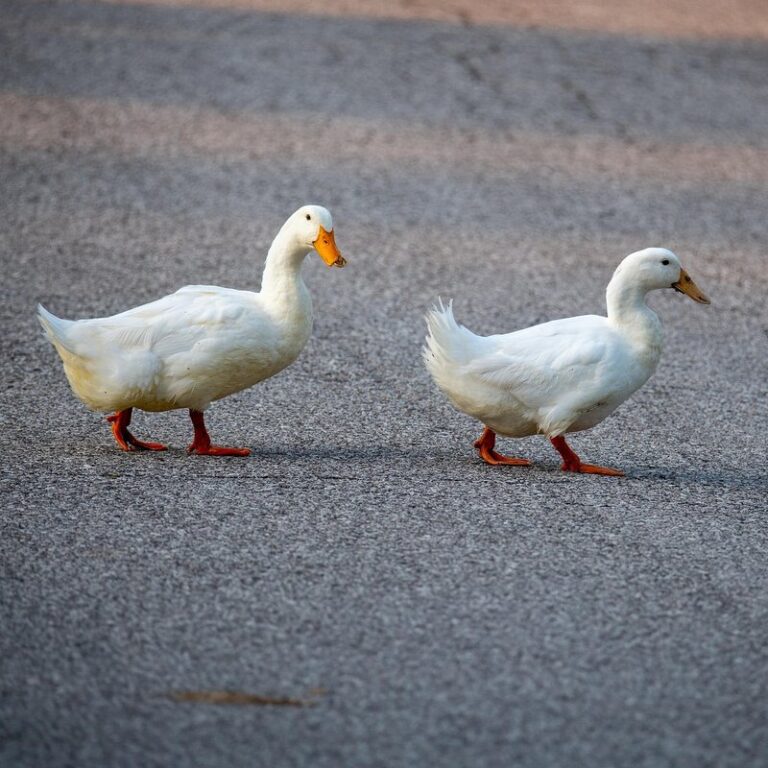
The head shape of White Pekin ducks is one of its most distinctive features. Characterized by a broad, flat head with a slightly curved profile, it’s a departure from the more angular heads found in some other breeds. The beak itself is short and stout, typically a bright orange color that darkens to yellow as the duck ages. This unique combination of head shape and beak color gives the White Pekin its endearing and recognizable appearance.
In terms of facial features, White Pekin ducks are known for their large, wide-set eyes and medium-length neck. The eyes themselves are often described as bright, expressive, and alert, which makes them a delight to behold. One thing to keep in mind when selecting a White Pekin duck is that the head shape can vary slightly from bird to bird, so it’s essential to choose one with a broad, flat head for optimal aesthetics.
In contrast to other breeds, the head shape of the White Pekin is more compact and rounded. This makes them an excellent choice for backyard keepers who want a friendly, approachable duck that will thrive in most environments.
Feathers and Coloring
The White Pekin duck’s feathers are one of its most distinctive and recognizable features. The breed is known for its soft, fluffy plumage that is a brilliant white color with no visible markings or patterns. The texture of their feathers is delightfully soft to the touch, making them a joy to handle.
In terms of length, the White Pekin duck’s feathers are relatively long, with some breeds having feathers that reach as far down as their ankles. This can make them appear even larger and more impressive than they already are. The feathers themselves are also incredibly well-insulated, helping the ducks stay warm in cold weather and cool in hot weather.
One of the most striking features of the White Pekin duck’s coloring is its uniformity. Unlike some other breeds, where the white color may be tinged with pink or yellow, the White Pekin duck has a pure, unblemished white coat that shows off its clean lines and impressive size to perfection. Whether you’re keeping them as pets or raising them for meat, there’s no denying the beauty of these stunning birds.
Temperament and Personality
When it comes to temperament, White Pekin ducks are known for being friendly and outgoing, making them a great fit for families and backyard duck keepers.
Friendly Nature
The White Pekin duck is renowned for its exceptionally friendly and docile temperament, making it an ideal choice for families with children, first-time duck keepers, and experienced farmers alike. They are social creatures that thrive on interaction and attention from their human caregivers.
One of the most notable characteristics of White Pekins is their gentle nature. They are not aggressive and rarely defend themselves when provoked. This makes them an excellent choice for households with multiple pets or children who love to be around animals. In fact, many backyard duck keepers report that their White Pekin ducks become part of the family, following them around the yard and responding to their calls.
To encourage friendly behavior in your White Pekins, provide a safe and spacious environment with plenty of room for exercise and exploration. Social interaction is key, so spend time with your birds daily, feeding them treats, talking to them, and handling them gently. With proper care and attention, your White Pekin ducks will grow into confident, friendly companions that bring joy and entertainment to your backyard flock.
Social Behavior
One of the most delightful aspects of owning White Pekin ducks is their social nature. They thrive on interaction and will often form close bonds with their human caregivers. In fact, these friendly birds are known to follow their owners around the yard, eager for attention and treats.
As a responsible duck breeder or owner, it’s essential to provide your White Pekin ducks with plenty of social stimulation. This can be achieved by spending quality time with them daily, engaging in activities such as feeding, grooming, and playing together. You’ll be amazed at how quickly they learn to recognize their name and respond to commands.
When it comes to interacting with other animals, White Pekin ducks are generally docile and easy-going. They get along well with chickens, geese, and even cats, making them an excellent addition to a multi-species farm or backyard flock. However, as with any animal, introduce them slowly and under close supervision to prevent any potential conflicts.
To encourage harmonious social interactions within your flock, establish a routine and provide a safe, spacious area for your ducks to roam and exercise. With proper care and attention, your White Pekin ducks will reward you with their affectionate and playful personalities.
Training and Handling
Training and handling White Pekin ducks requires patience, consistency, and positive reinforcement. These birds are known for their friendly and outgoing personalities, but they can also be strong-willed and stubborn at times. To establish a good relationship with your White Pekin duck, it’s essential to approach them calmly and gently.
When interacting with your White Pekin duck, move slowly and deliberately, avoiding sudden movements that may startle them. Start by letting them come to you, allowing them to become comfortable with your presence. Once they’ve warmed up to you, try offering treats such as leafy greens or fruits to encourage positive behavior.
It’s also crucial to handle White Pekin ducks regularly to get them accustomed to being handled. Begin with short sessions, gradually increasing the duration as they become more comfortable. Be sure to support their body and legs carefully, as they can be prone to injuries if handled roughly.
Remember that every duck is unique, so it’s vital to tailor your approach to your individual bird’s needs and personality. With time, patience, and consistent training, you’ll develop a strong bond with your White Pekin duck, making handling and care a breeze.
Health and Longevity
Maintaining the health of your White Pekin ducks is crucial for their longevity, so let’s dive into some essential tips on keeping them happy and healthy. Proper care can ensure they thrive in their new home.
Common Health Issues
As you embark on raising White Pekin ducks, it’s essential to be aware of the common health issues that can affect this breed. Respiratory problems are a significant concern for White Pekin ducks, particularly during extreme weather conditions or when they’re exposed to dust and pollen. In fact, studies have shown that respiratory disease is one of the leading causes of mortality in young ducklings.
To prevent respiratory issues, ensure your ducks have access to clean air and water, and maintain a clean living environment. You can also help alleviate symptoms by providing steam inhalation treatments or administering antibiotic therapy under the guidance of a veterinarian.
Obesity is another health concern for White Pekin ducks, as they can quickly become overweight if overfed or fed high-calorie foods. A healthy diet rich in fiber, vitamins, and minerals will keep your ducks active and lean. Monitor their food intake and provide regular exercise through activities such as foraging and swimming to maintain optimal weight and overall health.
Lifespan and Expected Longevity
A White Pekin duck’s average lifespan is around 8-12 years, although some have been known to live up to 15 years with proper care and management. Factors such as genetics, diet, exercise, and environmental conditions significantly influence their overall health and well-being.
Proper nutrition is crucial in maintaining a healthy weight and preventing diseases. A balanced diet that includes high-quality duck feed, fruits, vegetables, and grains can help promote longevity. Additionally, regular veterinary check-ups and preventative care measures such as vaccinations and parasite control are essential for maintaining optimal health.
Providing adequate shelter, space to exercise, and protection from extreme temperatures and predators is also vital in ensuring the well-being of White Pekin ducks. It’s worth noting that these birds can be prone to certain health issues such as respiratory problems, obesity, and musculoskeletal disorders due to selective breeding for rapid growth rates.
To promote longevity, it’s recommended to create a safe and stimulating environment that meets their physical and mental needs. This includes providing enough space for exercise, enriching activities, and social interaction with other ducks.
Breeding and Raising
If you’re planning to raise white Pekin ducks, understanding their breeding and raising requirements is crucial for success. This section will walk you through the essential steps.
Selecting a Breader or Hatchery
When selecting a reputable breeder or hatchery to source White Pekin ducklings, there are several key factors to consider. First and foremost, research the breeder’s reputation and experience with the breed. Look for reviews, testimonials, and ratings from other customers to gauge their satisfaction with the breeder.
Check if the breeder is a member of any reputable poultry associations or organizations, such as the American Poultry Association (APA). This can be an indication that they adhere to high standards and best practices in breeding and raising waterfowl. You should also ask about the breeder’s health guarantees and warranty policies for their ducklings.
Another crucial aspect is ensuring the breeder or hatchery is licensed by relevant authorities, such as the US Department of Agriculture (USDA). This ensures that they meet certain standards for animal welfare, sanitation, and biosecurity. Finally, don’t hesitate to ask about the genetics and lineage of the ducks being sold – a reputable breeder will be transparent about this information.
When evaluating potential breeders or hatcheries, prioritize those with a clear understanding of the White Pekin breed’s characteristics, temperament, and requirements. This can help you avoid selecting ducklings that may not thrive in your environment.
Caring for Ducklings
Caring for ducklings is one of the most rewarding aspects of raising White Pekin ducks. During their first few weeks of life, these tiny balls of fluff require a delicate balance of care to ensure they grow strong and healthy.
First and foremost, feeding plays a crucial role in the development of your ducklings. A starter feed specifically formulated for young waterfowl is essential, providing them with the necessary nutrients for growth. Supplement their diet with fresh vegetables like kale, spinach, and dandelion greens, which are rich in vitamins and minerals. However, avoid giving them too much food, as this can lead to digestive issues.
When it comes to housing, make sure you have a safe and warm environment for your ducklings. A brooder or incubator is ideal, providing a temperature range of 90-100°F (32-38°C) for the first week after hatching. Increase the temperature by 5-10°F (3-6°C) each subsequent day to promote healthy growth.
Regular health checks are vital during this critical period. Monitor their droppings, looking out for signs of diarrhea or constipation, and ensure they have access to clean water at all times. Also, keep an eye out for any unusual behavior, such as lethargy or loss of appetite, which could indicate underlying health issues.
By following these guidelines, you’ll be well on your way to raising robust and thriving White Pekin ducklings that will bring joy and satisfaction to your backyard flock.
Uses and Benefits
Whether you’re raising white Pekin ducks for eggs, meat, or companionship, understanding their uses and benefits is essential to making the most of these wonderful birds. Let’s dive into what makes them so valuable.
Meat Production
As one of the most popular breeds for meat production, White Pekin ducks are renowned for their exceptional quality and versatility. Their meat is sought after by top chefs and home cooks alike, making them an ideal choice for those interested in raising table ducks.
White Pekin ducks have a leaner meat compared to other duck breeds, with less fat and more protein content. This makes their meat not only healthier but also incredibly flavorful when cooked using various techniques such as roasting, grilling, or sautéing. Their mild flavor profile pairs well with a wide range of seasonings and herbs, allowing for endless culinary creativity.
To maximize the breed’s potential as a table duck, it is essential to focus on proper feeding and nutrition. A diet rich in omega-3 fatty acids, vitamins, and minerals will not only enhance their meat quality but also ensure they remain healthy and disease-free. Regular exercise and adequate living space are equally crucial to maintaining their overall well-being.
When cooking White Pekin duck, consider the following tips:
• Use a slow-cooking method such as braising or stewing to break down connective tissues and achieve tender results.
• Marinate the meat in a mixture of herbs and spices for added flavor before grilling or roasting.
• Pair their meat with seasonal vegetables and fruits to create balanced and delicious meals.
By following these guidelines, you can unlock the full potential of your White Pekin ducks as a premium table duck breed.
Egg Laying and Poultry Keeping
If you’re looking to start a backyard poultry keeping operation or simply want to use White Pekin ducks for egg production, this breed is an excellent choice. They are prolific layers, producing around 300 large white eggs per year, making them one of the most popular breeds for small-scale farming and homesteading.
To get started with egg laying, it’s essential to provide your White Pekins with a suitable environment. Ensure they have access to adequate shelter, clean water, and nutritious feed. You can either build or purchase a coop specifically designed for ducks, or repurpose an existing structure like a shed or garage.
When keeping White Pekin ducks as part of a backyard poultry operation, consider their social needs. Ducks are highly social animals and prefer to live in groups. A minimum ratio of one duck per 10 square feet of space is recommended, taking into account the coop, run, and any additional outdoor areas you provide for exercise and foraging.
By following these guidelines, you can enjoy a steady supply of fresh eggs from your White Pekin ducks while also benefiting from their unique personalities.
Ornamental Value
If you’re looking to add some visual interest and charm to your backyard or waterfowl collection, white Pekin ducks are an excellent choice. These birds have a striking appearance that’s sure to turn heads. With their snowy-white feathers and orange beaks, they exude elegance and sophistication.
One of the most appealing aspects of white Pekin ducks is their ability to thrive in small spaces. They’re well-suited for backyards with limited space, making them an ideal choice for urban or suburban dwellers. Whether you’re a seasoned waterfowl enthusiast or just starting out, these birds are sure to captivate and delight.
In terms of ornamental value, white Pekin ducks can be used as focal points in your yard. Their unique plumage and charming personalities make them perfect for adding visual interest and creating a sense of wonder. Plus, their relatively low-maintenance care requirements mean you’ll have more time to enjoy their company.
To maximize the ornamental value of your white Pekin duck, consider creating a dedicated enclosure or water feature. This will not only provide them with a safe and stimulating environment but also create a beautiful focal point for your yard.
Frequently Asked Questions
Can I keep White Pekin ducks as pets, or are they too loud for residential areas?
Yes, while White Pekin ducks can be noisy, especially when alerting to potential predators, they can make great pets if you’re willing to provide the necessary space and noise regulation measures. If you live in a residential area with noise restrictions, consider consulting local authorities on the specific regulations regarding backyard poultry.
How long does it take for White Pekin ducks to mature, and what’s their expected lifespan?
White Pekin ducks typically reach maturity at around 5-6 months of age, while their average lifespan ranges from 10 to 12 years with proper care. Factors like diet, health conditions, and living environment can significantly impact their longevity.
Can I crossbreed White Pekin ducks with other breeds, or are they suitable for breeding programs?
While it’s technically possible to crossbreed White Pekin ducks with other breeds, they’re not typically recommended as a breeding choice due to their tendency towards obesity and potential health issues associated with hybrid vigor. It’s essential to research the specific needs of your chosen breed before creating a breeding program.
How do I ensure my White Pekin ducks have access to clean water and adequate shelter?
Providing your White Pekin ducks with easy access to clean, unfrozen water is crucial for their well-being. You should also offer them a sturdy, predator-proof shelter or coop that protects from harsh weather conditions and potential predators.
Are there any specific dietary requirements I need to consider when raising White Pekin ducks?
Yes, White Pekin ducks have unique nutritional needs due to their high growth rates. Ensure you’re providing them with a balanced diet rich in protein (around 16-18% of daily calories) and calcium (to support bone development). Consult with a poultry expert or veterinarian for personalized advice on feeding your flock.