
The White Pekin duck breed has been a favorite among waterfowl enthusiasts for centuries, and it’s easy to see why. With their stunning white feathers and friendly demeanor, these ducks are a delight to keep on your farm or homestead. But what makes them so special? From their origins as a cross between Muscovy and Wood ducks, to their adaptability in both breeding and raising environments, the White Pekin duck breed is one of the most popular and versatile waterfowl breeds around. In this guide, we’ll delve into the characteristics that make these ducks stand out, including their physical traits, temperament, and uses on the farm or homestead. Whether you’re a seasoned breeder or just starting out with raising ducks, our expert advice will help you care for your White Pekin flock like a pro.
Origins and History
The White Pekin duck breed has a rich history that dates back centuries, originating from China where it was first bred for its unique characteristics. Let’s dive into the origins of this beloved breed!
Early Beginnings
The White Pekin duck breed has its roots in China, where it was selectively bred for over 2,000 years to produce a unique combination of desirable traits. During the Tang Dynasty, Chinese farmers crossed local ducks with Mallards from Central Asia to create a hardy and prolific breeder that thrived in diverse environments. The resulting birds were known for their exceptional egg-laying abilities, fast growth rate, and succulent meat.
In the early 20th century, European breeders discovered the White Pekin and were impressed by its potential as a commercial duck. They began importing large numbers of White Pekins to Europe, where they quickly gained popularity among both farmers and backyard enthusiasts. Today, the White Pekin is one of the most widely raised duck breeds globally, prized for its efficiency in producing high-quality meat and eggs.
If you’re considering raising White Pekins on your own farm or homestead, it’s essential to understand their unique requirements and needs. Start by providing a balanced diet rich in protein and calcium to support their rapid growth rate. Regular exercise and adequate shelter will also help keep your flock healthy and stress-free.
Evolution of the Breed
The White Pekin duck breed has undergone significant changes since its introduction to Europe from China in the 19th century. Initially, these ducks were prized for their white plumage and fast growth rate, making them ideal for meat production. Over time, breeders selectively bred the White Pekin for improved egg-laying capabilities, resulting in a more consistent producer of around 200-250 brown eggs per year.
Notable milestones in the breed’s history include its recognition by the American Poultry Association (APA) in 1893 and the British Poultry Standards in 1909. These recognitions solidified the White Pekin’s position as a premier commercial duck breed worldwide.
Today, the White Pekin remains one of the most popular duck breeds globally due to its adaptability and versatility. With proper care, they can thrive in various environments, from small backyard flocks to large-scale commercial operations.
Physical Characteristics and Temperament
When it comes to selecting a White Pekin duck for your backyard flock, understanding its physical characteristics and temperament is crucial. This section delves into what you can expect in terms of size, feathering, and personality.
Body Type and Plumage
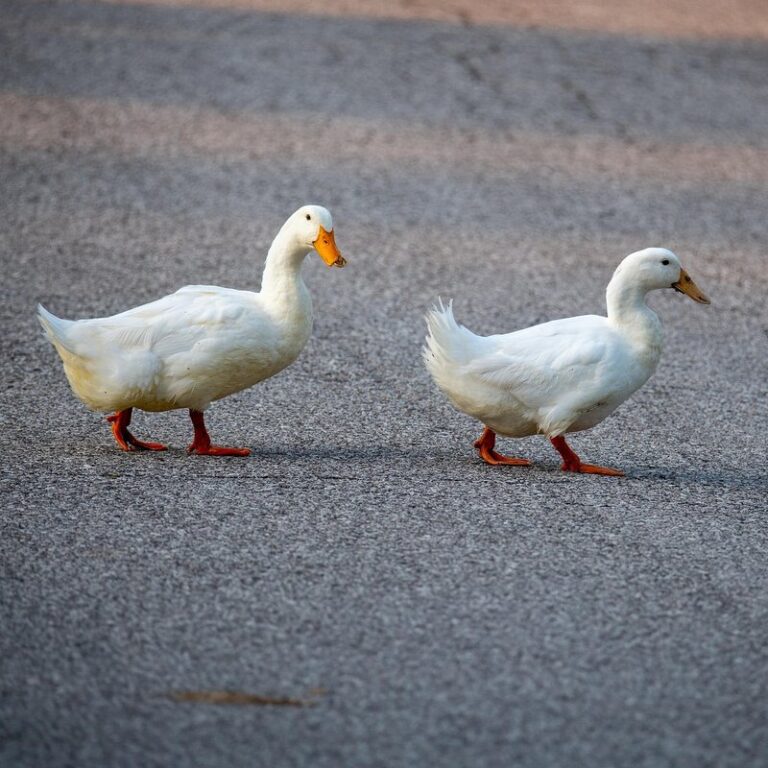
One of the most distinctive features of the White Pekin duck breed is its stunning white plumage. A purebred White Pekin duck will have a crisp, clean white coat with no yellow or brown tinting. The feathers should be smooth and even, with a subtle sheen that catches the light.
In terms of size, White Pekin ducks are considered medium to large-sized birds. Males typically weigh between 8-10 pounds (3.6-4.5 kg), while females weigh around 7-9 pounds (3.2-4 kg). Their bodies are broad and deep, with a well-defined breast and a slight tapering towards the tail.
To identify a purebred White Pekin duck, look for these key characteristics: a broad, rounded head; a small beak; and a distinctive “V”-shaped notch in the forehead. The feathers should be tightly packed and have a smooth texture, with no signs of fluffiness or ruffling. With proper care and attention to detail, you can enjoy the unique beauty and charm of this beloved duck breed.
Temperament and Handling
When it comes to temperament and handling, the White Pekin duck is known for its docile nature. They are generally calm, easy-going birds that are perfect for backyard settings. One of the most notable characteristics of the White Pekin is their relatively low noise level compared to other breeds. They will quack occasionally, but they won’t disturb neighbors or wake up the household at night.
Social behavior-wise, White Pekins are friendly and outgoing, making them an excellent choice for families with children. They get along well with humans and other pets, as long as socialization is done properly from a young age. In fact, many backyard duck owners swear by their ability to be litter-trained, which makes them a great addition to small farms or urban homesteads.
When handling White Pekins, it’s essential to move slowly and gently to avoid startling them. Make sure your hands are clean and gentle when reaching for them, as they can get nervous if handled roughly. By providing regular social interaction, proper care, and attention, you’ll be rewarded with a happy and trusting flock that will bring joy and entertainment to your backyard.
Health Considerations and Care
When caring for a White Pekin duck, it’s essential to be aware of their specific health needs and potential issues that may arise, such as respiratory problems. Regular veterinary check-ups can help prevent these issues and ensure your feathered friend stays healthy.
Common Health Issues
White Pekin ducks are generally hardy and robust birds, but like all breeds, they can be prone to certain health issues. One common problem is respiratory problems, which can be caused by a range of factors including genetics, environmental conditions, and poor ventilation. To prevent or manage these issues, it’s essential to provide your White Pekin ducks with plenty of space to move around and adequate ventilation in their enclosure.
Another issue that affects many duck breeds, including the White Pekin, is feather pecking. This behavior can be caused by boredom, nutritional deficiencies, or stress. To prevent feather pecking, make sure to provide a balanced diet rich in nutrients and keep your ducks engaged with activities like foraging or providing them with treats.
Vitamin deficiencies are also common among White Pekin ducks, particularly if their diet is lacking in essential vitamins such as vitamin A, D, or E. Providing a well-balanced commercial duck feed or supplementing their diet with fresh vegetables and fruits can help prevent these deficiencies. Regular health checks and monitoring of your ducks’ behavior can also help identify potential issues early on.
Nutrition and Feeding
When it comes to providing optimal nutrition for your White Pekin duck, understanding their unique dietary needs is crucial. These ducks require a balanced diet that includes protein-rich foods, calcium for strong eggshell production, and essential vitamins and minerals. A good quality commercial feed should form the foundation of their diet, but it’s equally important to supplement with fresh produce and whole grains.
Aim to provide 16-18% protein content in their feed, which can be achieved by mixing commercial pellets with oats or barley. Fresh vegetables like leafy greens, carrots, and sweet potatoes are excellent sources of fiber, vitamins, and minerals. Limit high-starch foods like corn and wheat, as they can lead to obesity and other health issues.
Aim for 2-3 cups of fresh produce per duck daily, distributed throughout the day to avoid overfeeding. Provide clean water at all times, and ensure a salt lick or mineral block is available for essential minerals. Monitor your ducks’ weight and adjust their diet accordingly, as they can quickly become overweight if overfed.
Breeding and Raising
If you’re new to raising ducks, understanding how to breed and raise healthy White Pekin ducklings is crucial for a successful flock. This guide covers the basics of breeding and raising White Pekin ducks.
Breeding Program Basics
When it comes to breeding White Pekin ducks, understanding the basics is crucial for success. To start, you’ll need to select suitable breeders that have a proven track record of producing healthy and desirable offspring. Look for breeders who prioritize genetics, temperament, and overall quality in their breeding program.
Sexing techniques are also essential when it comes to breeding White Pekin ducks. Sexing refers to identifying the sex of a duckling or mature bird, which is crucial for determining whether they’ll be suitable for your breeding program. In White Pekins, sexing can be challenging due to the similarity in appearance between males and females. Experienced breeders often rely on a combination of visual inspection, behavior, and physical characteristics to determine the sex of their birds.
To manage a successful breeding program, you’ll need to consider factors such as genetics, nutrition, health, and environment. This includes providing suitable housing, maintaining proper sanitation and hygiene, and ensuring access to quality feed and water. By doing so, you can create an optimal breeding environment that promotes healthy growth and development in your White Pekin ducklings.
Raising Ducklings
Raising healthy ducklings from hatch to maturity requires attention to detail and a well-planned approach. When it comes to raising White Pekin ducklings, you’ll want to provide them with a safe and nurturing environment that promotes growth and development.
First, set up a brooder specifically designed for ducklings, which should have adequate ventilation, heat, and space to move around. A good rule of thumb is to provide at least 1-2 square feet of floor space per duckling. Ensure the temperature in the brooder remains between 90°F to 95°F (32°C to 35°C) for the first week after hatching.
Feed your ducklings a starter feed specifically formulated for waterfowl, and make sure to provide fresh water at all times. Monitor their health closely, watching out for signs of disease such as labored breathing, lethargy, or loss of appetite.
As they grow, increase their access to the outdoors gradually, starting with short periods under close supervision. This will help them adjust to the new environment and prevent stress-related problems.
Uses and Products
You’re interested in knowing how you can utilize your White Pekin duck for various purposes, from meat production to egg laying. Here’s a rundown of its uses and products.
Meat Production
When it comes to meat production, the White Pekin duck breed stands out for its exceptional qualities. One of the primary reasons why farmers and producers prefer this breed is due to its remarkable growth rate. White Pekins can reach market weight in as little as 7-8 weeks, making them an ideal choice for commercial operations. This rapid growth allows for more frequent harvests and increased productivity.
The meat itself is renowned for its high quality, with a tender and juicy texture that’s similar to chicken. The breast meat is particularly prized for its mild flavor and firm texture, making it a favorite among consumers. Additionally, the White Pekin duck’s efficient processing characteristics mean that it can be easily adapted to various production systems, from large-scale farms to smaller backyard operations.
To get the most out of your White Pekin flock, it’s essential to focus on breeding high-quality birds and maintaining optimal living conditions. This includes providing a balanced diet, regular health checks, and sufficient space for exercise. By following these guidelines, you can enjoy the benefits of raising White Pekins for meat production while minimizing waste and ensuring the well-being of your animals.
Egg-Laying and Poultry Keeping
When it comes to considering alternative uses for the White Pekin duck, egg-laying is a popular choice. While they don’t lay as many eggs as some other breeds, White Pekins are prolific layers and can produce up to 300 large white eggs per year. This makes them an excellent addition to any backyard flock.
In terms of integrating these ducks into your home flock, it’s essential to consider their social nature. White Pekins are friendly and outgoing birds that thrive in the company of others, making them a great choice for families or small farms with multiple animals. To ensure they fit in seamlessly, introduce them slowly and under close supervision.
When it comes to benefits, having White Pekin ducks in your backyard flock can be incredibly rewarding. Not only will you have access to fresh eggs daily, but these birds are also known to help control pests like ticks and snails. With their friendly demeanor and ease of care, White Pekins make an excellent addition to any poultry-keeping operation.
When deciding on the best place for your ducks to roam, consider providing a safe enclosure with adequate space to move around. This will not only keep them happy but also ensure they remain healthy.
Conclusion and Future Prospects
As we conclude our comprehensive guide to the White Pekin duck breed, let’s take a look at what the future holds for these charming birds in your backyard.
Recap of Key Points
In conclusion to our comprehensive guide on the White Pekin duck breed, let’s recap the key points that will help you understand and appreciate these magnificent birds.
The White Pekin duck is a popular choice among backyard farmers due to its friendly nature and high egg production rate. With an average of 300 eggs per year, they are ideal for those who want a reliable source of fresh eggs.
In terms of temperament, White Pekins are known for their docile and calm demeanor, making them suitable for families with children or for beginners in the world of duck keeping.
Their growth rate is also noteworthy, with males reaching maturity in as little as 10 weeks and females in 12-14 weeks. This rapid growth makes them an excellent choice for those who want to get a quick return on their investment.
We also discussed how White Pekins are relatively low-maintenance birds that can thrive in small spaces, making them perfect for urban dwellers or those with limited space.
Lastly, remember that proper care and nutrition are essential for the health and well-being of your White Pekin ducks. Provide them with a balanced diet, plenty of fresh water, and regular check-ups to ensure they lead happy and healthy lives.
Future Developments and Trends
As we conclude our comprehensive guide to the White Pekin duck breed, it’s essential to consider future developments and trends that may impact this beloved breed. In the poultry industry, genetic research is increasingly driving innovation. Scientists are exploring new ways to improve egg production, meat quality, and disease resistance in ducks. The White Pekin, being one of the most widely kept breeds, will likely benefit from these advancements.
For instance, researchers are studying the genetics of stress tolerance, which could lead to improved welfare for farm-raised ducks like the White Pekin. This is particularly relevant as consumer demands for animal welfare and sustainability continue to grow. As consumers become more aware of the conditions under which their food is produced, farmers will need to adapt their practices to meet these expectations.
In response, some poultry farms are already incorporating new technologies and management strategies that prioritize duck health and well-being. This shift towards sustainable and humane farming practices not only benefits the ducks but also contributes to a healthier environment. As the demand for responsible agriculture grows, it’s likely that the White Pekin breed will be at the forefront of these developments.
Frequently Asked Questions
How do I ensure my White Pekin ducks are getting enough exercise?
While White Pekin ducks are adaptable to various environments, they still require regular exercise to stay healthy. Consider providing a spacious enclosure with adequate room for swimming and walking. You can also supplement their exercise needs by letting them free-range under close supervision.
Can I mix White Pekin ducks with other breeds in my flock?
Yes, White Pekin ducks are known for their friendly nature and can be integrated into existing flocks with careful planning. However, ensure the other breeds are compatible and won’t harass or stress your White Pekins. Start by introducing them gradually and monitor their behavior to avoid any potential issues.
What common health issues should I watch out for in my White Pekin flock?
As with all duck breeds, be on the lookout for respiratory problems, especially during extreme weather conditions. Regular vaccinations and a balanced diet can help prevent these issues. Keep an eye on your ducks’ overall health and behavior, and consult a veterinarian if you notice any unusual signs or symptoms.
How do I determine the sex of my White Pekin ducklings?
Determine the sex of your White Pekin ducklings by observing their behavior around 4-5 weeks of age. Male ducklings tend to be more aggressive and will often engage in rough play, while females are generally calmer and less confrontational.
Can I use my White Pekin ducks for both egg production and meat?
Yes, White Pekin ducks can thrive in both roles. With proper nutrition and care, they can produce an impressive number of eggs (up to 300 per year) and grow into fine table birds with a rich flavor profile. Consider developing a diversified farming plan that incorporates multiple products from your flock for maximum efficiency and profitability.