
If you’re thinking about adding some feathered friends to your homestead or backyard, you might have considered White Pekin ducks. These charming waterfowl have been a staple in agriculture for centuries, prized for their exceptional meat production and gentle nature. But that’s not all – they also make wonderful pets, bringing joy and entertainment to families with their playful antics. In this article, we’ll delve into the history, physical characteristics, and temperament of White Pekin ducks, as well as explore their uses in agriculture and homesteading. We’ll also provide expert advice on breeding, raising, and caring for these beloved birds. Whether you’re a seasoned farmer or just starting out with backyard chickens, this guide is perfect for anyone looking to learn more about the wonderful world of White Pekin ducks.
History and Origin
Let’s dive into the rich history of these beloved birds, exploring how white Pekin ducks came to be a staple on farms and tables around the world. Their origins date back centuries in China.
The Ancient Roots of White Pekins
White Pekin ducks have an illustrious history that dates back to ancient China. Their story begins over 2,000 years ago in the fertile Yangtze River delta, where they were first bred as a domesticated species. The Chinese prized these ducks for their exceptional meat quality and ease of handling. They became a staple in traditional Chinese cuisine, particularly during special occasions.
The name “White Pekin” is believed to have originated from the city of Peking (now known as Beijing), which was once the capital of China. These ducks were highly valued by the imperial court for their succulent meat and versatility in cooking. The White Pekin’s unique genetic makeup, a combination of domesticated Muscovy and Mallard ducks, made them an ideal choice for both table fare and egg production.
Despite their long history, White Pekins nearly disappeared from North America during World War I due to disease outbreaks and the introduction of other duck breeds. However, they have since rebounded in popularity and are now widely kept as pets and raised for meat production worldwide.
Early Breed Development
The development of the White Pekin duck breed is a fascinating story that spans centuries. Originating from China, this popular breed was first introduced to Europe in the 19th century as a gift from Queen Victoria to King Louis-Philippe of France. Initially known for their distinctive white plumage and high egg-laying capacity, they quickly gained popularity among farmers.
As the demand for White Pekin ducks grew, breeders began to selectively breed them to enhance their desirable traits. In 1873, the first standard was established by the American Poultry Association (APA), outlining the ideal characteristics of a purebred White Pekin duck. Over time, breeders continued to refine the breed through careful selection and breeding.
The result of this meticulous process is a robust and efficient bird capable of producing up to 300 eggs per year. Today, White Pekin ducks remain one of the most widely kept breeds globally, prized for their impressive egg-laying abilities, friendly nature, and high-quality meat.
Introduction to Europe and North America
As we explore the fascinating world of White Pekin ducks, it’s essential to delve into their history and origin. One significant chapter in their story began when these birds were introduced to new continents, specifically Europe and North America.
The introduction of White Pekin ducks to these regions had a profound impact on local poultry industries. In the late 19th century, European breeders crossed White Pekins with other breeds to create new varieties that excelled in egg-laying capacity. This strategic cross-breeding led to a significant increase in egg production and marked the beginning of commercial duck farming in Europe.
Similarly, in North America, White Pekin ducks were introduced as an ideal breed for the region’s temperate climate. Their adaptability, high egg production, and robust health made them an instant hit with farmers and poultry enthusiasts alike. The introduction of White Pekins to these continents not only revolutionized local poultry industries but also paved the way for their widespread adoption globally.
Their adaptability, hardiness, and impressive reproductive capabilities have cemented the White Pekin duck’s place as one of the world’s most popular duck breeds.
Physical Characteristics
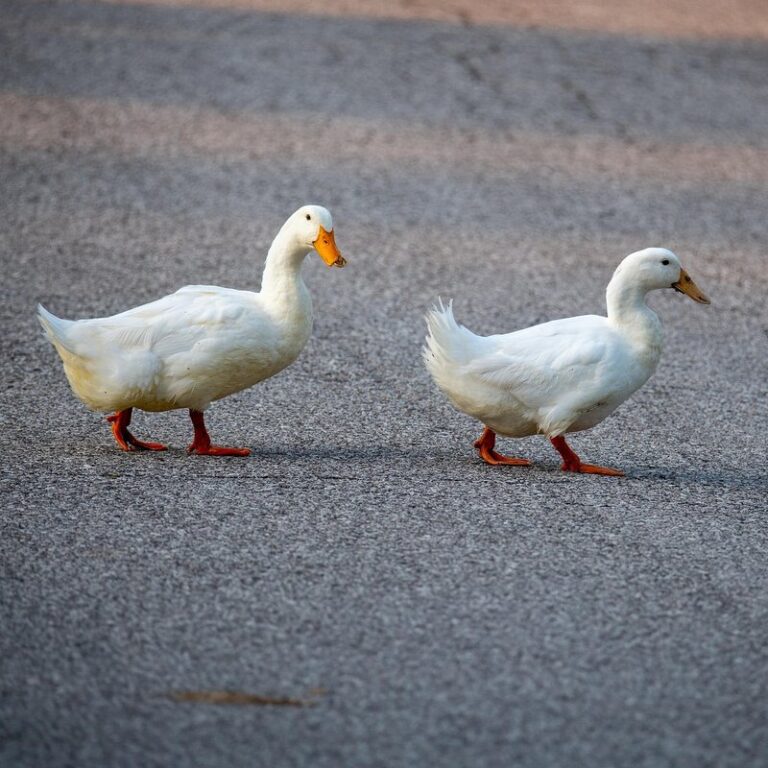
White Pekin ducks are easily recognizable by their striking physical features, including a predominantly white plumage and distinctive orange beak. Let’s take a closer look at what makes these birds so visually appealing.
Coat and Plumage
One of the most distinctive features of the White Pekin duck is its stunning coat and plumage. When you look at a White Pekin duck, you’ll notice that its feathers are incredibly smooth to the touch. This is due to their unique genetics, which result in a single-layered coat of soft, fluffy feathers.
The whiteness of the White Pekin’s plumage is also noteworthy. It’s not just a matter of being lightly colored; these ducks have a true white coat that doesn’t fade or discolor over time. This is because their melanocytes produce very little to no pigment, resulting in an almost pure white color.
In contrast to other duck breeds, the White Pekin’s smooth and even coat requires minimal maintenance. In fact, it’s relatively easy to keep their plumage looking its best: a simple weekly bath with gentle soap and water is all they need to stay clean and healthy. With proper care, your White Pekin duck will retain its sleek appearance for years to come.
Size and Weight
When it comes to the physical characteristics of white Pekin ducks, their size and weight are two notable features that set them apart from other breeds. On average, a mature white Pekin duck can weigh anywhere from 6-8 pounds (2.7-3.6 kg), with some individuals reaching up to 10 pounds (4.5 kg) or more.
In terms of length, male white Pekin ducks typically reach around 26-28 inches (66-71 cm) in length, while females are slightly smaller, measuring around 24-26 inches (61-66 cm). These measurements can vary depending on factors such as diet, living conditions, and genetics. It’s worth noting that some breeders have developed larger or smaller variations of the white Pekin duck, but these remain relatively rare.
When raising your own white Pekin ducks, it’s essential to ensure they receive adequate nutrition and exercise to support their growth and development. A balanced diet rich in protein, calcium, and other essential nutrients will help them reach their optimal size and weight.
Comb and Feet
One of the most recognizable features of the White Pekin duck is its distinctive comb shape and foot size. The comb on a male White Pekin duck is a vibrant red color and forms a circular shape around the base of the beak, giving it a striking appearance. On the other hand, female White Pekin ducks have a smaller comb that’s often less prominent.
In terms of foot size, White Pekin ducks are known for their relatively large webbed feet. These webbed feet play a crucial role in helping them swim efficiently through water and provide stability on land. When it comes to choosing a healthy White Pekin duck, pay attention to the condition of its feet. Webbing that’s torn or excessively worn can be a sign of underlying health issues.
When caring for your White Pekin duck, ensure you provide enough space for it to move around comfortably. This will help prevent foot problems and promote overall well-being. Make sure to clean the coop regularly to reduce the risk of fungal infections, which can affect webbed feet. By keeping an eye on these physical characteristics, you’ll be better equipped to identify potential health concerns in your White Pekin duck.
Temperament and Personality
When it comes to temperament, white Pekin ducks are known for their friendly, outgoing personalities that make them a joy to have around. They’re highly social birds that thrive on interaction.
Friendly and Docile Nature
One of the most appealing aspects of owning a White Pekin duck is their incredibly friendly and docile nature. These gentle birds make perfect additions to family pets or backyard farms, as they are easily approachable and social. In fact, many owners describe their White Pekin ducks as ” Velcro ducks” due to their tendency to stick by your side.
Their calm demeanor allows them to thrive in close proximity to humans and other animals, making them an excellent choice for those with smaller spaces or wanting a low-maintenance pet. If you’re considering bringing a White Pekin duck into your family, be prepared for plenty of quacking and cuddling – they love human interaction and will often follow you around the yard.
To build trust with your new feathered friend, start by offering treats and allowing them to come to you on their own terms. With patience and consistency, you’ll soon find yourself enjoying quality time with your White Pekin duck, whether it’s feeding them in the morning or simply watching them explore the yard.
Intelligence and Trainability
White Pekin ducks are known for their exceptional intelligence and trainability, making them a delight to own as pets. In fact, studies have shown that White Pekins are one of the most intelligent breeds of domesticated ducks. They possess problem-solving skills, memory, and even learn from experience.
Training your White Pekin duck is relatively easy, but it does require patience and consistency. Start by establishing a daily routine that includes feeding times, exercise periods, and playtime. Use positive reinforcement techniques such as offering treats when they perform desired behaviors like coming when called or following commands. It’s also essential to socialize them from an early age to ensure they become friendly and interactive.
One tip for training your White Pekin is to use their natural instinctual behavior. For instance, they have a strong innate desire to follow a leader, so take advantage of this by introducing yourself as the alpha duck. This will help establish trust and make training much more effective. With time and practice, you’ll find that your White Pekin responds eagerly to commands and even begins to initiate playtime on its own.
Social Interaction with Humans
One of the most delightful aspects of owning a white Pekin duck is their affectionate and social nature. These gentle birds are known to form strong bonds with their human caregivers, often seeking out attention and interaction. In fact, research has shown that ducks are highly attuned to human behavior and can even recognize individual owners.
If you’re lucky enough to have a white Pekin duck in your life, you’ll soon discover just how affectionate they can be. They love to follow their owners around the yard or garden, quacking excitedly as they go. Some duck owners report that their birds will even nudge them gently with their beaks, seeking out pets and scratches behind the ears.
To encourage a strong social bond between you and your white Pekin duck, try spending quality time with them each day. This can be as simple as taking them for a walk around the yard, feeding them treats by hand, or simply sitting with them in a quiet spot. With patience and consistency, you’ll find that your duck becomes increasingly affectionate and trusting, enjoying your company above all else.
Health and Nutrition
When it comes to keeping White Pekin Ducks healthy, proper nutrition is crucial for their overall well-being. We’ll explore essential dietary needs and tips to ensure your feathered friends thrive.
Common Health Issues
As you delve into the world of White Pekin ducks, it’s essential to understand that like all living creatures, they can be prone to certain health issues. Respiratory problems are a common concern among backyard duck keepers and commercial farmers alike. Bacterial infections such as Pasteurella multocida can cause symptoms like coughing, sneezing, and labored breathing. Maintaining good air quality in your duck’s enclosure by providing adequate ventilation and keeping it clean is crucial to preventing these issues.
Another health concern for White Pekin ducks is obesity. Ducks are natural grazers and require regular exercise to maintain a healthy weight. Overfeeding, especially with high-calorie grains, can lead to obesity, which increases the risk of other health problems like heart disease and diabetes. Limiting grain intake and ensuring your duck has access to plenty of space for foraging and swimming is vital.
It’s also crucial to monitor your duck’s overall health by keeping an eye out for any unusual changes in behavior or appetite. Regular check-ups with a veterinarian can help identify potential issues early on, allowing you to take preventative measures to ensure the long-term health and well-being of your White Pekin duck.
Dietary Needs and Requirements
When it comes to feeding your white Pekin ducks, their dietary needs are relatively straightforward. These birds are omnivores, which means they require a balanced diet that includes both plant and animal matter. A good starting point is to provide high-quality commercial duck pellets as the main staple of their diet. You can supplement this with fresh fruits and vegetables, such as carrots, apples, and leafy greens.
It’s essential to note that white Pekin ducks have specific nutritional requirements, particularly when it comes to protein levels. They require a minimum of 16% protein in their diet, which is why commercial duck pellets are an excellent choice. As for the frequency of feeding, provide fresh food twice a day and make sure they always have access to clean water.
One crucial aspect to consider is providing a calcium-rich supplement to support healthy bone development, particularly during breeding season. You can do this by adding crushed eggshells or oyster shells to their food.
Importance of Regular Grooming
Maintaining the beautiful coat of a white pekin duck requires regular grooming. A clean and well-maintained coat not only enhances their appearance but also contributes to their overall health and well-being.
Just like humans, ducks require regular bathing to stay clean. However, over-bathing can strip their coat of its natural oils, leading to dryness and irritation. For white pekin ducks, it’s recommended to bathe them every 2-3 weeks using a mild duck-specific shampoo and lukewarm water. Be sure to rinse thoroughly to remove all soap residue.
In addition to bathing, regular preening is also crucial for maintaining their coat. Preening involves using the beak to clean and smooth out feathers, removing dirt and tangles. You can help by gently brushing your duck’s feathers with a soft-bristled brush to prevent matting and tangling. This will also encourage natural oil production and keep their coat healthy.
A well-groomed white pekin duck is not only visually appealing but also less prone to health issues such as skin irritations and mites. By incorporating regular grooming into your care routine, you’ll be rewarded with a happy, healthy, and radiant feathered friend.
Breeding and Raising
When it comes to raising your own flock of white Pekin ducks, you’ll want to understand their breeding habits and requirements. This involves knowing how to select a suitable mate and create an ideal environment for successful hatching and growth.
Choosing Healthy Breeders
When it comes to bringing home healthy and happy White Pekin ducklings, choosing the right breeder is crucial. A reputable breeder can help you avoid common health issues that may arise from breeding stock with genetic defects.
To spot a good breeder, look for one who prioritizes animal welfare and transparency. Ask about their breeding program and the selection process they use to choose which ducks become parents. A responsible breeder will only breed ducks that have excellent conformation, temperament, and egg-laying abilities.
Some red flags to watch out for include ducklings being sold too early or being kept in unsanitary conditions. Be wary of breeders who are unwilling to share information about the ducks’ health history, parents, or breeding practices. A good breeder will be proud to showcase their facilities and share knowledge with potential buyers.
Before making a purchase, research the breeder’s reputation online and ask for references from other satisfied customers. This can give you an idea of their commitment to raising healthy, well-cared-for ducks. By choosing a reputable breeder, you’ll increase the chances of bringing home strong, thriving White Pekin ducklings that will become beloved members of your family.
Hatching and Incubation
When it’s time to raise your white Pekin ducklings, understanding the hatching and incubation process is crucial for a successful breeding experience. The hatching process typically begins 28 days after fertilization, but it can take up to 30-31 days for some eggs.
To ensure proper development during incubation, maintain a consistent temperature between 99°F (37°C) and 100°F (38°C). Humidity levels should be around 50-60% during the first 24 hours and then decreased to about 40-50%. Turning the eggs 2-3 times daily is also essential for even development. For those who prefer not to incubate eggs manually, automatic incubators can provide precise temperature control and monitoring.
Monitoring egg temperature is vital to prevent embryonic death or slow growth. A small dip in temperature can significantly impact the duckling’s chances of hatching successfully. Make sure you follow a reliable incubation schedule, as deviations from the recommended temperatures may lead to poor outcomes.
A healthy white Pekin duckling typically weighs around 28-30 grams at hatching and will grow rapidly during its first few weeks of life.
Early Care and Nutrition for Ducklings
When it comes to raising healthy and thriving white pekin ducklings, providing the right care and nutrition from an early age is crucial. As a responsible breeder or owner, you want to ensure that your young birds get off to a great start. The first few weeks of life are critical for duckling development, and their diet plays a significant role in shaping their growth.
A balanced diet rich in protein, vitamins, and minerals is essential for ducklings. You can provide a starter feed specifically formulated for waterfowl, which should be available at most poultry stores or online retailers. Supplement this with fresh vegetables like leafy greens, fruits, and occasional treats like mealworms or crickets. Avoid giving them milk or dairy products as they can cause digestive issues.
Keep the brooder clean and well-ventilated to prevent respiratory problems. Maintain a consistent temperature between 90°F to 100°F (32°C to 38°C) until they’re about two weeks old, after which you can gradually decrease it by 5°F per week. Monitor their water intake and ensure access to a shallow pool for swimming exercises.
Regular checks on your ducklings’ health will help identify any potential issues early on. By following these guidelines and providing the right care and nutrition, you’ll set them up for a healthy, happy life as adult white pekin ducks.
Uses in Agriculture and Homesteading
White Pekin ducks have been a staple on many farms for centuries, providing valuable resources that extend beyond their delicious meat. Let’s explore some of the practical uses of these amazing birds in agriculture and homesteading.
Egg Production
White Pekin ducks are an excellent choice for backyard farmers and homesteaders looking to raise egg layers. These birds are prolific producers, capable of laying up to 300 large brown eggs per year. That’s a significant number considering their size and the fact that they’re often used as meat producers.
If you’re new to raising ducks, it’s essential to understand their egg-laying cycle. White Pekin ducks typically begin laying eggs at around 20 weeks old and will reach their peak production between 30-40 weeks. During this time, they’ll produce an average of 280-300 large brown eggs per year.
To optimize your White Pekin duck’s egg production, make sure to provide them with a balanced diet rich in calcium and protein. You can supplement their feed with crushed oyster shells or dark leafy greens like kale and spinach to promote strong eggshell development. Also, consider providing them with adequate space to roam and forage, as this will help reduce stress and increase overall health.
When it comes to managing your White Pekin duck’s egg production, keep in mind that they’re social animals and thrive in flocks of 3-5 birds. By maintaining a healthy flock dynamic and providing regular care and attention, you’ll be rewarded with a steady supply of fresh eggs from these amazing birds.
Meat Production
White Pekin ducks have long been valued for their exceptional meat production qualities. One of the key reasons they’re a popular choice is their ability to grow rapidly and efficiently. In as little as 5-6 weeks, White Pekins can reach market weight, making them an ideal option for commercial farmers and homesteaders alike.
Processing White Pekin ducks involves several steps, including harvesting, evisceration, and cleaning. To ensure the best possible results, it’s essential to follow proper handling and processing techniques. A general rule of thumb is to harvest birds when they reach 5-6 pounds, as this yields the most tender and flavorful meat.
When raising White Pekins for meat production, consider implementing a rotation system to maintain optimal health and prevent overgrazing on pastures. Regular vaccinations and parasite control measures can also help minimize losses due to disease and ensure a healthy flock overall. By following these guidelines and staying attentive to your birds’ needs, you can enjoy the many benefits of raising White Pekin ducks for meat production on your homestead or farm.
Landscaping and Weed Control
White Pekin ducks are often overlooked as a tool for landscaping and weed control on homesteads or small farms. However, these birds can be an excellent addition to your property, providing natural pest control and beautiful aesthetics. One of the most significant benefits of using White Pekin ducks for landscaping is their voracious appetite for weeds. They will eat almost anything from clover to chickweed, making them a great asset in maintaining tidy gardens and pastures.
In fact, research has shown that a single duck can consume up to 1/4 pound of aquatic plants per day. With a small flock of White Pekin ducks, you can cover a substantial area of land without the need for chemical herbicides or manual weeding. Not only does this method save time and money, but it also creates a healthier environment by removing invasive species that might be competing with your crops.
When introducing White Pekin ducks to your property, it’s essential to create a suitable habitat for them. Provide adequate shelter from the elements, access to clean water, and a balanced diet. By doing so, you’ll be rewarded with not only a beautiful landscape but also a natural and efficient method of weed control.
Frequently Asked Questions
What are the ideal housing requirements for raising White Pekin ducks?
When it comes to providing a suitable environment for your feathered friends, ensure you have a secure, predator-proof enclosure with adequate space for exercise and movement. A minimum of 2-3 square feet per duck is recommended. Also, consider the local climate and provide shelter from extreme temperatures.
How do I introduce White Pekin ducks to my existing backyard flock or family pets?
Introducing new birds to your flock requires patience and caution. Start by keeping them in a separate area, allowing them to become familiar with each other’s scents and sounds. Gradually increase their interaction time under close supervision, rewarding calm behavior.
Can I breed White Pekin ducks for egg production if they’re primarily raised for meat?
Yes, many farmers successfully breed White Pekins for both meat and egg production. However, it’s essential to consider the nutritional needs of your flock, as excessive egg-laying can impact their overall health.
How often should I clean and disinfect my duck pond or enclosure to prevent disease?
Regular cleaning is crucial to maintaining a healthy environment for your birds. Clean the pond at least once a week during peak laying season, removing any debris, waste, or algae growth. Disinfect regularly using a solution of 1 part bleach to 10 parts water.
What are some common health issues I should be aware of in White Pekin ducks?
Common health concerns in White Pekins include respiratory infections, parasites, and eye problems. Regular veterinary check-ups, vaccinations, and maintaining a clean environment can help prevent these issues. Ensure your birds have access to a balanced diet and fresh water at all times.