
Are you interested in raising healthy hens that produce exceptional White Sussex eggs? This popular breed has gained a loyal following among backyard chicken enthusiasts and commercial farmers alike, due to its high egg production and unique characteristics. If you’re looking to start or expand your flock, understanding the ins and outs of breeding, caring for, and marketing these exceptional birds is crucial.
In this comprehensive guide, we’ll delve into the world of White Sussex eggs, covering everything from breeding techniques to improving egg quality and effective marketing strategies. Whether you’re a seasoned farmer or just starting out, our expert advice will help you unlock the full potential of your flock and stand out in the market with high-quality, unique products. By the end of this article, you’ll be well-equipped to raise happy, healthy hens that produce exceptional eggs.
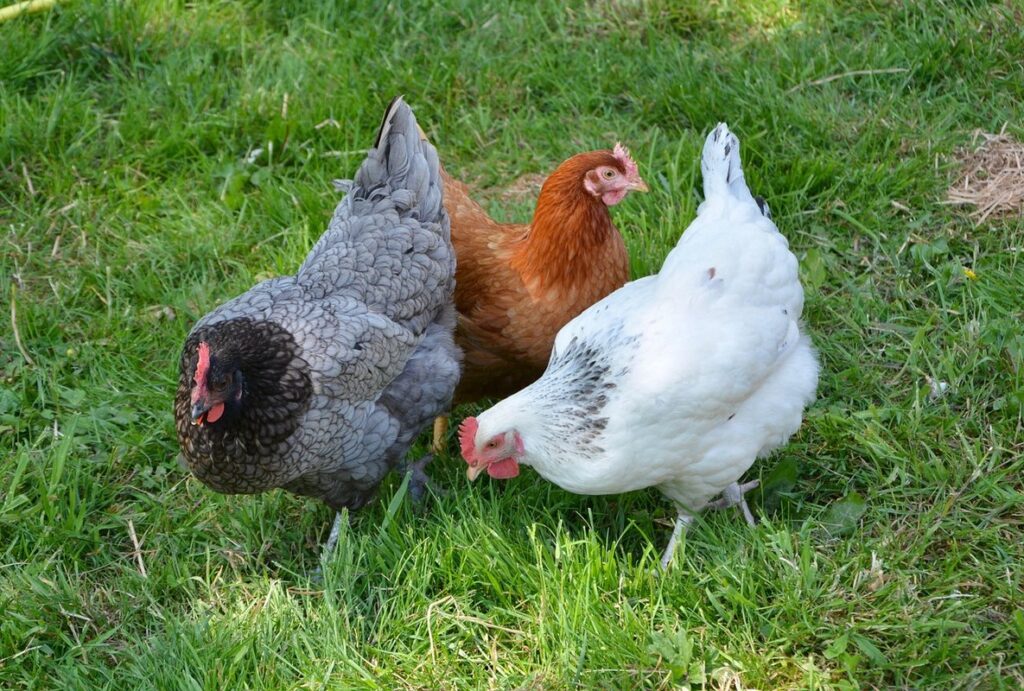
Introduction to White Sussex Chickens
Welcome to our ultimate guide! In this first part, we’ll introduce you to the wonderful world of White Sussex chickens, their origins, and unique characteristics that make them a popular choice for egg enthusiasts.
History of the Breed
The White Sussex breed has its roots in England, where it was developed in the early 20th century. Initially created for meat production, the breed’s purpose was to provide a leaner and more efficient alternative to traditional poultry breeds. The White Sussex was designed to excel at cross-breeding with other strains, making it an ideal choice for commercial egg and meat producers.
Characterized by its striking white plumage and rugged constitution, the White Sussex quickly gained popularity among farmers due to its robust health and high fertility rates. By the 1950s, the breed had spread across England and was being exported to various countries around the world. Today, the White Sussex remains a staple in many commercial poultry operations, prized for its exceptional egg-laying abilities and rapid growth rate.
In terms of specific characteristics, the White Sussex is known for producing an average of 280-300 large white eggs per year, with some hens laying up to 320 eggs annually. This impressive production level, combined with their adaptability and hardiness, has cemented the breed’s status as a top choice among poultry enthusiasts and commercial farmers alike.
Characteristics of White Sussex Hens
White Sussex hens are known for their exceptional egg-laying abilities, producing an average of 280-300 large white eggs per year. But that’s not all – these stunning birds also possess a range of desirable characteristics that make them a joy to keep as backyard chickens.
One of the most notable traits of White Sussex hens is their friendly and docile nature. They are relatively easy-going and get along well with other birds, making them an excellent choice for small farms or family flocks. Their calm demeanor also makes them a great option for beginner chicken keepers who may not have experience handling more feisty breeds.
In terms of egg-laying abilities, White Sussex hens are prolific layers, producing eggs that are consistently large and brown-tinted. They are also known to be relatively low-maintenance when it comes to feeding and nutrition, requiring a balanced diet but not being particularly fussy about their feed.
When choosing a White Sussex hen, look for birds with bright, alert eyes and shiny feathers in good condition. This breed is generally hardy and disease-resistant, making them a great choice for backyard chicken keepers who want a low-maintenance yet rewarding experience.
Breeding and Raising White Sussex Chickens
When it comes to raising top-quality White Sussex chickens, you’ll want to know how to breed them successfully, from selecting breeding stock to fostering healthy chicks. This section covers those essential details.
Choosing the Right Mating Strategy
When it comes to breeding White Sussex chickens, selecting the right mating strategy is crucial for producing high-quality eggs. You have two primary options: linebreeding and cross-breeding.
Linebreeding involves breeding birds that are closely related, often from a common ancestor. This approach helps retain desirable traits while minimizing genetic diversity. However, it can also lead to inbreeding depression if not managed properly. To avoid this, it’s essential to select parents with a high degree of genetic similarity but also sufficient genetic variation.
Cross-breeding, on the other hand, involves mixing different breeds or lines to create a new hybrid. This approach allows you to combine the best traits from each parent, resulting in more robust and fertile offspring. However, it requires careful selection of parent stock to ensure compatibility and minimize potential health issues.
To determine which mating strategy suits your needs, consider your breeding goals, available space, and resources. If you prioritize maintaining a specific breed characteristic or trait, linebreeding might be the way to go. For those seeking to improve overall egg production or fertility, cross-breeding could be the better option.
Caring for White Sussex Chicks
When it comes to raising healthy and happy White Sussex chicks, providing them with proper care is essential. Start by offering a nutritious diet that includes a starter feed specifically formulated for young chickens. This should be free from antibiotics and hormones to promote optimal health.
Monitor their environment closely, ensuring it’s clean and well-ventilated to prevent the buildup of ammonia from droppings. Provide adequate space for movement and exercise, as White Sussex chicks can grow rapidly. A ratio of one square foot per chick is a good starting point.
Regular health checks are also crucial. Look out for signs of illness such as lethargy, labored breathing, or unusual droppings. Keep an eye on their weight, aiming to gain about 1-2 ounces per day. Maintain a strict cleanliness routine, disinfecting feeders and waterers daily. By following these guidelines, you can help your White Sussex chicks thrive from the start.
Egg Production and Quality
When it comes to the eggs themselves, you’ll want to know that White Sussex chickens are renowned for their exceptional egg-laying capabilities and high-quality eggs. Let’s take a closer look at what makes these eggs so special.
Factors Affecting Egg Laying
When it comes to egg laying, White Sussex hens are prolific producers, but various factors can influence their productivity. Nutrition plays a critical role, and providing a balanced diet is essential for optimal egg production. A mix of high-quality layer feed, fruits, and vegetables ensures that your flock gets the necessary nutrients.
Lighting also has a significant impact on egg laying. Natural light exposure helps regulate the reproductive cycle, but artificial lighting can be used to supplement this during periods of low daylight hours or in areas with inadequate natural light. Ensure that your coop is well-ventilated and equipped with adequate lighting to promote healthy production.
Stress levels are another crucial factor affecting egg laying. High stress levels can lead to a decrease in egg production, so it’s essential to provide a comfortable environment for your flock. This includes maintaining cleanliness, ensuring sufficient space per bird, and minimizing noise levels.
Monitor your flock regularly to identify any potential issues that may impact their productivity, such as health problems or changes in feeding habits. By paying attention to these factors, you can optimize egg production and enjoy the benefits of a thriving White Sussex flock.
Assessing Egg Quality and Quantity
When it comes to evaluating the quality of White Sussex eggs, there are several key factors to consider. First and foremost is shell strength, which can be assessed by gently tapping on the egg. A strong, solid sound indicates a healthy egg with a robust shell. On the other hand, a weak or hollow sound may indicate a crack in the shell or other issues.
Next, cleanliness is also crucial. Look for eggs with clean, dry surfaces and no visible cracks. Eggs that are excessively dirty or have visible stains should be set aside for closer inspection or discarded altogether.
Egg size is another important consideration. White Sussex chickens are known for producing large to extra-large eggs, so you’ll want to ensure that your eggs meet this standard. However, it’s worth noting that larger eggs may not necessarily be of higher quality.
To give you a better idea of what to look for, consider the following guidelines: aim for eggs with shells that are around 1/16 inch thick (about 1.5 mm), and no more than 10% variation in size within each dozen. By paying attention to these factors, you can ensure that your White Sussex flock is producing high-quality eggs that meet your standards.
Health Considerations and Common Issues
When it comes to raising White Sussex chickens, understanding potential health issues is crucial for maintaining a healthy flock and producing high-quality eggs. This section will explore common concerns and best practices for keeping your birds in top condition.
Common Diseases Affecting White Sussex Chickens
As a responsible chicken keeper, it’s essential to be aware of the common diseases that can affect White Sussex chickens. These birds are prone to certain health issues due to their genetic makeup and environmental factors.
One of the most prevalent diseases affecting White Sussex chickens is Marek’s disease, a viral infection caused by the gallid herpesvirus-2 (GaHV-2). Symptoms include weight loss, lethargy, and respiratory problems. To prevent Marek’s disease, ensure your flock receives regular vaccinations and maintain good hygiene practices.
Another common issue is Respiratory Syncytial Virus (RSV), which can lead to coughing, sneezing, and labored breathing. Keep your birds indoors during cold weather and provide adequate ventilation to reduce the risk of RSV infection.
Fowl Pox, caused by a poxvirus, is another disease that affects White Sussex chickens. Symptoms include lesions on the skin and respiratory problems. To prevent Fowl Pox, ensure your birds are vaccinated regularly and maintain good biosecurity practices.
Regular monitoring of your flock’s health and prompt treatment can help prevent these diseases from spreading. Consult with a veterinarian to develop an effective vaccination and disease prevention plan for your White Sussex chickens.
Managing Stress and Preventing Health Problems
As a White Sussex owner, you know that stress can negatively impact egg production and overall health. To minimize stress and prevent health issues, it’s essential to prioritize environmental enrichment and nutrition.
Provide plenty of space for your hens to roam and exercise, including vertical structures like nesting boxes, perches, and dust baths. This will help them expend energy and reduce stress. Consider adding some interactive elements, such as toys or scratching posts, to keep them engaged. You can also rotate their environment regularly to prevent boredom.
Nutrition plays a significant role in maintaining your hens’ health. Ensure they have access to a balanced diet that includes essential vitamins and minerals. A good quality layer feed should be supplemented with fresh fruits and vegetables to provide essential nutrients and fiber. Some examples of stress-reducing foods include leafy greens, carrots, and sweet potatoes.
By incorporating these simple yet effective strategies into your flock management, you’ll not only minimize stress but also promote overall health and well-being in your White Sussex hens. This will ultimately lead to a more productive and thriving flock.
Housing and Equipment for White Sussex Hens
To ensure your girls stay happy and healthy, you’ll need to consider their housing needs, including coop size, ventilation, and nesting boxes. We’ll walk through the essentials to get you started.
Creating a Suitable Environment
When it comes to creating a suitable environment for your White Sussex hens, there are several essential features and equipment that you’ll need to consider. Providing a comfortable and safe living space is crucial for their health and happiness.
Start by setting up sturdy roosts and perches where your hens can roost at night and take breaks during the day. These should be placed in a dry, draft-free area to prevent cold stress and respiratory problems. Aim for about 12-18 inches of roosting space per bird, with some hens preferring to roost higher than others.
Nesting boxes are another crucial element, providing your girls with a secure and private place to lay their eggs. You’ll need at least one nesting box per three to four birds, making sure they’re placed in a quiet area of the coop to reduce stress. Consider adding some soft bedding like straw or hay inside the nesting boxes for added comfort.
Remember, a well-designed coop should also include adequate ventilation, lighting, and easy access for cleaning and maintenance. With these essential features and equipment in place, you’ll be well on your way to creating a happy and healthy environment for your White Sussex hens.
Providing Adequate Space and Ventilation
Providing adequate space and ventilation is crucial for the health and well-being of your White Sussex hens. These birds are known for their high egg production, but they can be prone to respiratory issues if they don’t have enough room to move around and breathe freely.
Inadequate space can lead to stress, which in turn can cause health problems like feather pecking, cannibalism, and even death. White Sussex hens need at least 2-4 square feet of floor space per bird inside the coop, with a minimum of 3-4 inches of perch space per hen. It’s also essential to provide enough ventilation to prevent ammonia buildup from their droppings.
A good rule of thumb is to ensure that air enters and leaves the coop through at least one window or vent for every 10 birds. You can also add a fan to circulate the air, but be sure to install it in a way that doesn’t create drafts. By providing ample space and ventilation, you’ll help keep your White Sussex hens happy and healthy, which is essential for maximizing egg production.
Marketing and Selling White Sussex Eggs
To get the most out of your White Sussex flock, you’ll want to know how to market and sell their eggs effectively, which can significantly impact your bottom line. We’ve got some valuable tips on how to do just that.
Identifying Target Markets
When it comes to marketing and selling White Sussex eggs, identifying the right target markets is crucial for success. These birds are renowned for their high egg production and rich flavor, making them a sought-after choice among egg enthusiasts.
Consider starting with specialty stores that cater to customers looking for premium or heritage-bred eggs. These establishments often have a loyal customer base willing to pay a premium for high-quality products. To tap into this market, you’ll need to develop relationships with store owners and ensure your product meets their standards.
Farmers’ markets are another excellent venue for selling White Sussex eggs directly to consumers. This allows you to showcase the unique qualities of your birds and build a loyal customer base. Online sales can also be lucrative, particularly through platforms like social media or dedicated egg-selling websites.
To effectively target these markets, research local demand, competition, and pricing strategies beforehand. Develop a marketing plan that highlights the benefits of White Sussex eggs, such as their exceptional taste and high nutritional value. Consider offering discounts for bulk purchases or loyalty programs to incentivize repeat business.
Developing a Branding Strategy
When it comes to selling White Sussex eggs, developing a solid branding strategy is crucial. Your logo, packaging, and marketing materials are often the first impression potential customers have of your product, so make them count.
Start by identifying what sets your farm apart from others. Is it your unique breeding program, exceptional egg quality, or commitment to sustainability? Use this differentiation as the foundation for your branding efforts. Develop a logo that reflects these values and is memorable enough to stand out in a crowded market.
Your packaging should also reinforce your brand identity. Consider eco-friendly materials, clear labeling of the breed and production methods, and eye-catching graphics. Marketing materials such as brochures, social media posts, and email newsletters can further promote your unique selling proposition (USP). Take inspiration from successful farm-to-table brands that have built loyal followings by emphasizing transparency, quality, and community involvement.
By investing time and thought into crafting a distinct brand identity, you’ll be able to differentiate yourself in the market and attract customers who share your values.
Conclusion and Future Perspectives
As we wrap up our comprehensive guide to White Sussex eggs, let’s take a moment to reflect on what you’ve learned and explore exciting possibilities for your future endeavors.
Recap of Key Takeaways
As you’ve made it through this comprehensive guide to White Sussex eggs, let’s recap the essential information you need to know for breeding, raising, and marketing these prized birds.
When it comes to breeding, we emphasized the importance of selecting quality parents with desirable traits such as fertility rates, egg size, and temperament. We also discussed the ideal breeder ratios, feeding programs, and health checks to ensure a strong foundation for your flock.
In terms of care, you learned about providing a nutritious diet rich in calcium and protein, along with access to fresh water and suitable housing that meets their specific needs. From brooding to maturity, we covered essential tips on temperature control, lighting schedules, and handling techniques to promote healthy growth and development.
Marketing your White Sussex eggs requires careful consideration of packaging, labeling, and branding strategies. By highlighting the unique characteristics of these high-quality eggs – from superior taste to exceptional nutritional value – you can differentiate your product in a crowded market. Consider targeting niche customers such as artisanal bakeries or health-conscious consumers who are willing to pay a premium for sustainable and locally sourced eggs.
To recap, remember that breeding quality parents is key, while proper care and nutrition promote healthy birds. When marketing your White Sussex eggs, emphasize the value of these exceptional eggs through effective branding and targeted sales strategies. By applying the principles outlined in this guide, you’ll be well on your way to producing high-quality White Sussex eggs that meet the demands of discerning customers.
Frequently Asked Questions
How can I balance my flock’s nutritional needs with the high egg production of White Sussex hens?
To ensure your birds’ optimal health, provide a balanced diet rich in protein, calcium, and vitamins. Consider consulting with a veterinarian or poultry expert to determine the best feed for your flock based on their age, size, and egg-laying capacity.
What are some common mistakes I should avoid when breeding White Sussex chickens?
Avoid overbreeding, which can lead to health issues and decreased fertility. Regularly monitor your birds’ weight, posture, and egg production, and separate them by age and sex to prevent stress and promote healthy mating behaviors.
How do I effectively manage my flock’s stress levels to prevent health problems?
Create a calm environment with adequate space, ventilation, and shelter. Minimize noise and handling during peak breeding or laying periods, and consider introducing enrichment activities like foraging toys or scratching posts to reduce boredom and anxiety.
Can I use artificial lighting to extend the egg-laying season of my White Sussex hens?
Yes, but be cautious not to overdo it. Supplemental lighting can increase production by 10-15% during winter months, but excessive light exposure can lead to health issues like eye problems or reproductive stress. Monitor your birds’ behavior and adjust lighting schedules accordingly.
How do I differentiate my White Sussex egg products from those of competitors in a crowded market?
Develop a strong brand identity that highlights the unique characteristics and benefits of your eggs (e.g., “Free-Range,” “Organic,” or “Sustainably Sourced”). Utilize social media platforms to showcase your farm’s story, values, and commitment to quality, building a loyal customer base through transparency and community engagement.