
If you’re looking to add some new feathers to your backyard flock or increase egg production on your farm, you’ve likely come across the White Sussex hen. This popular breed has been a favorite among chicken keepers for its exceptional temperament and impressive laying abilities. In this article, we’ll take a closer look at the history of the White Sussex, exploring what makes them such an attractive choice for both hobbyists and commercial farmers. We’ll cover their key characteristics, including their high egg production and friendly nature, as well as provide essential care tips to help you get the most out of your flock. Whether you’re just starting out or looking to add some new bloodlines to your existing operation, this breed is definitely worth considering.
History and Origin of the White Sussex Hen
The history of the White Sussex hen dates back centuries, originating from England where it was prized for its gentle nature and high-quality eggs. Let’s delve into this rich history together!
Early Beginnings
The early beginnings of the White Sussex hen date back to England, where it was meticulously bred for its exceptional egg-laying abilities and gentle nature. The exact origin story is unclear, but historians believe that the breed’s development began as a cross between various English chicken strains.
In the 19th century, English farmers sought to create a breed that combined high egg production with docile temperament. To achieve this, they crossed native breeds such as the Old English Game Fowl and the Campine with other established egg-laying strains. This selective breeding resulted in a distinct strain of hen known for its stunning white plumage and impressive laying abilities.
One notable characteristic of the early White Sussex hens was their robust build and ability to thrive in confinement. This made them an ideal choice for farmers looking to establish backyard flocks or commercial egg production operations. As the breed gained popularity, it quickly spread throughout England and eventually around the world, becoming one of the most beloved and sought-after chicken breeds today.
Development as a Commercial Breed
The commercial appeal of the White Sussex hen lies in its exceptional egg-laying abilities. Compared to other breeds, it outshines them with a higher productivity rate. On average, a White Sussex hen can lay up to 300 eggs per year, making it an attractive choice for large-scale poultry farming operations.
One key advantage is its ability to maintain high egg production even in intensive farming conditions. This breed’s robust health and resistance to diseases contribute significantly to its commercial viability. Its large brown eggs are also highly prized by consumers, fetching a premium price in the market.
To maximize the benefits of raising White Sussex hens for commercial purposes, farmers can implement strategies such as providing optimal nutrition, ensuring proper ventilation, and maintaining a clean and hygienic living environment. By doing so, they can expect higher yields and better overall performance from their flock. This practical approach has made the White Sussex hen a favorite among commercial poultry farmers seeking to capitalize on its impressive egg-laying capabilities.
Physical Characteristics of the White Sussex Hen
When it comes to physical characteristics, the White Sussex hen is a stunning sight to behold, boasting some truly unique features that set her apart from other breeds. Let’s take a closer look at what makes her so beautiful.
Size and Build
When it comes to size and build, the White Sussex hen is a striking sight. On average, an adult White Sussex hen stands between 24 and 28 inches (60-70 cm) tall, with some individuals reaching up to 30 inches (75 cm). They are known for their impressive stature, which makes them one of the larger breeds in the chicken world.
Their build is sturdy and muscular, with a deep breast and well-sprung wings. One of the most distinctive features of the White Sussex hen is its large size, particularly when compared to some other popular backyard breeds. This can make them appear slightly intimidating at first glance, but rest assured they are friendly and docile. In fact, their gentle nature makes them an excellent choice for families with children or for those new to chicken-keeping.
Their size also means they require a decent amount of space to roam and exercise. A minimum of 2 square feet (0.2 square meters) per bird is recommended, but ideally, you’ll want to provide even more room for your White Sussex hens to stretch their legs and enjoy the great outdoors.
Plumage and Feathers
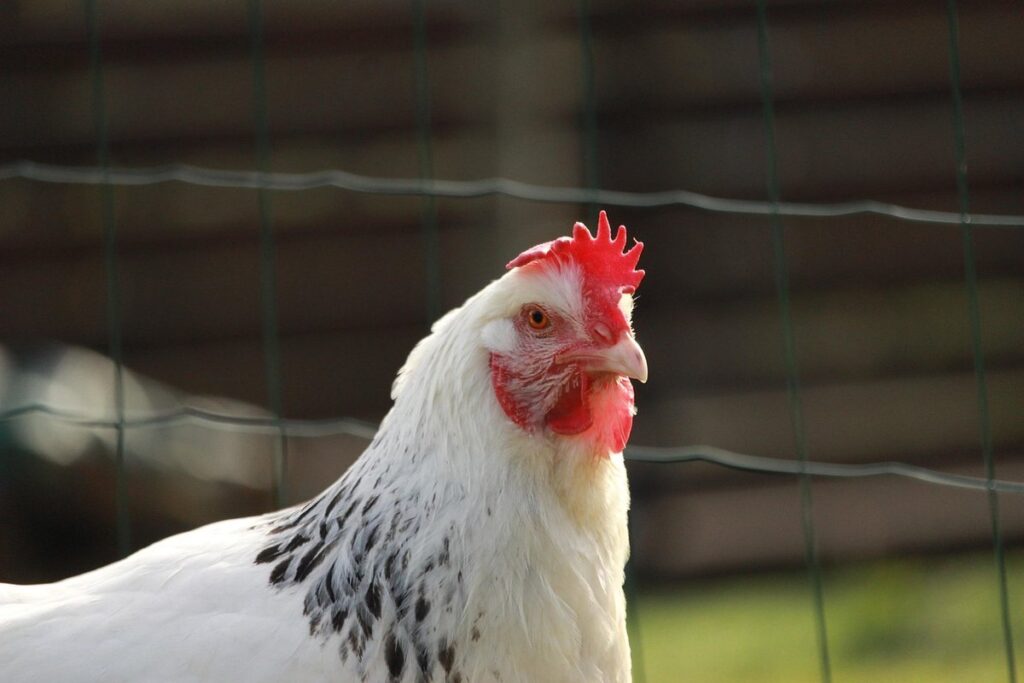
One of the most distinctive and iconic features of the White Sussex Hen is its stunning plumage. The breed’s feathers are known for their crisp, clean lines, and smooth texture, which gives them a radiant appearance that catches the eye. When it comes to feather length, the White Sussex Hen has a medium-length coat, with the hackle feathers (those around the neck) being particularly impressive.
In terms of plumage patterns, the breed is characterized by its pure white coloration, although some individuals may have small amounts of light gray or buff on their faces and legs. The beak shape is also noteworthy – long, pointed, and strong, perfectly suited for pecking at grain. Speaking of leg color, White Sussex Hens often have pink or red feet and legs, a trait that’s become quite the conversation starter among poultry enthusiasts.
In terms of maintenance, it’s worth noting that the breed’s feathers are relatively easy to clean and keep in good condition, thanks to their natural oils and waxy texture. However, regular grooming is still essential to prevent matting and tangling – simply take a few minutes each week to gently brush through your hen’s plumage with a soft-bristle brush.
The White Sussex Hen’s impressive appearance makes it a favorite among backyard chicken keepers and show enthusiasts alike.
Temperament and Behavior of the White Sussex Hen
When it comes to temperament, White Sussex hens are known for their friendly, outgoing personalities that make them a joy to have in any backyard flock. They’re generally docile and easy-going.
Friendly Nature
The White Sussex hen is renowned for its exceptionally friendly nature, making it an ideal choice for backyard chicken keepers. This gentle breed is a perfect fit for families with children who want to learn about and interact with chickens. Their calm demeanor allows them to be handled regularly, making them an excellent option for those new to raising chickens.
One of the key reasons White Sussex hens are so popular among families is their ability to form close bonds with their owners. They have a unique capacity to recognize and respond to individual voices, which makes them highly trainable. With patience and consistent interaction, you can teach your White Sussex hen to perform tricks, follow commands, and even come when called.
White Sussex hens are also known for their docile behavior around other chickens, making them an excellent addition to a backyard flock. They are less aggressive than some other breeds, which means they get along well with other birds, reducing the likelihood of conflicts within your coop. With proper care and attention, White Sussex hens can thrive in even the smallest backyards, bringing joy and companionship to their owners.
Noise Level
White Sussex hens are known for their lively and vocal nature. They’re not afraid to express themselves, often through loud clucking, chirping, and even screaming when they want attention or are startled. While some owners find the noise endearing and a sign of enthusiasm, others may find it overwhelming.
In reality, the noise level can be beneficial in certain situations. For instance, if you’re raising your White Sussex hen for egg production, their loud calls can serve as an alert system to notify you that eggs are being laid or that they need attention. However, this same trait can become a problem if you live in close proximity to neighbors or have noise restrictions.
To manage the noise level of your White Sussex hen, consider providing them with plenty of space and activities to keep them occupied. This might include creating a large enclosure, offering foraging toys, or engaging them in playtime exercises.
Health Considerations for the White Sussex Hen
When it comes to caring for your White Sussex hen, understanding potential health concerns is crucial to ensure she lives a long and happy life. Let’s explore some key health considerations specific to this breed.
Common Ailments
As you care for your beloved White Sussex hen, it’s essential to be aware of some common health issues that can affect this breed. Respiratory problems are a frequent concern, particularly during hot weather or when the hens are under stress. To prevent respiratory issues, ensure your coop is well-ventilated and provides adequate shade. Regular dusting and cleaning will also help minimize airborne pathogens.
Feather pecking is another common problem in White Sussex hens. This behavior can lead to injury and even cannibalism among flock members. To manage feather pecking, provide a balanced diet rich in calcium and vitamins. You can also try offering supplements like oyster shells or crushed eggshells to help strengthen their beaks.
In addition to these issues, White Sussex hens may also be prone to obesity if overfed. Monitor your hen’s food intake closely, and make sure she has ample space for exercise. With proper care and attention, you can minimize the risk of these common ailments and keep your White Sussex hen happy and healthy. Regular check-ups with a veterinarian will also help identify any potential issues early on.
Nutrition and Diet
When it comes to nutrition and diet for White Sussex hens, providing a balanced and complete feed is crucial for optimal egg production and overall well-being. As one of the most popular dual-purpose breeds, White Sussex hens require a nutrient-rich diet that supports their high energy needs.
Aim to provide your White Sussex hen with a mix of protein sources such as layer pellets (16-18% protein), supplemented with fresh vegetables like kale, spinach, and carrots, which are rich in calcium and other essential minerals. You can also offer small amounts of fruits like berries or apples for added flavor and nutrition.
Some key considerations to keep in mind include:
* Provide a balanced and complete feed as the main staple of their diet (70-80% of daily intake)
* Supplement with fresh produce (10-15% of daily intake) for essential vitamins and minerals
* Limit treats like table scraps or high-sugar foods, which can lead to obesity and health issues
* Consider adding probiotics or omega-3 supplements to support digestive health and egg production
By following these guidelines, you’ll be well on your way to supporting the optimal nutrition and health of your White Sussex hen.
Breeding and Raising White Sussex Hens
When it comes to raising your own White Sussex hens, understanding their breeding requirements is crucial for success. This section will cover everything you need to know about breeding and raising these beautiful birds.
Selective Breeding
Selective breeding is a deliberate process of choosing parents with desirable traits to produce offspring that inherit those characteristics. In poultry, this involves selecting hens and roosters with specific attributes, such as egg-laying ability, temperament, or appearance, and breeding them to pass on these traits to their chicks. The goal is to concentrate the desired qualities in a single breed, making it easier for farmers and hobbyists to raise birds that meet their needs.
For White Sussex hens, selective breeding can be used to improve several desirable traits. For example, you might choose parents with high egg production rates to increase your flock’s overall productivity. You could also select birds with gentle temperaments to create a more docile and friendly breed. By carefully selecting parents based on their genetic makeup, you can influence the characteristics of your White Sussex hens’ offspring.
To get started with selective breeding, begin by identifying the traits you want to improve in your flock. Research the breed standard for White Sussex hens to understand what characteristics are considered desirable. Then, select parents that meet these criteria and carefully monitor their offspring to identify any improvements or setbacks. With time and patience, you can use selective breeding to create a more productive, hardy, and appealing flock of White Sussex hens.
Raising Chicks
Raising healthy chicks is an essential aspect of breeding and raising White Sussex hens. From brooding to point of lay, proper care and attention are crucial for their development into strong, productive birds.
When introducing new chicks to their environment, it’s essential to maintain a temperature range between 90°F and 100°F (32°C to 38°C) during the first week. This can be achieved by using a heat lamp or a brooder with built-in heating elements. As they grow, you’ll need to gradually lower the temperature over a period of 7-10 days.
Vaccination schedules are also critical in preventing disease and promoting overall health. Consult with your veterinarian for guidance on the best vaccination protocols for your chicks. Typically, vaccinations begin at one day old and continue every week until they reach 18 weeks of age.
Once the young birds have settled into their new environment, it’s time to introduce them to a balanced diet. Provide a starter feed that contains around 20% protein during the first few weeks, gradually increasing to 16-18% by the time they’re six weeks old.
Eggs and Egg Production
When it comes to raising White Sussex hens, understanding their egg-laying abilities is crucial for any backyard farmer. This section will dive into the specifics of White Sussex egg production, including average yields and notable characteristics.
Characteristics of White Sussex Hen Eggs
White Sussex hens are renowned for laying an abundance of large, white eggs. On average, these eggs measure around 2 ounces (57 grams) and 60-65 mm in length, making them one of the larger egg varieties. The shell is typically smooth and clean, with a slight sheen to it. One notable characteristic of White Sussex eggs is their uniformity – they tend to be very consistent in size and shape.
In terms of appearance, these eggs are an immaculate white color throughout, including the yolk. This is due to the breed’s unique genetics, which also gives them their stunning white plumage. If you’re keeping track of your flock’s egg production, you might notice that White Sussex hens tend to lay slightly larger eggs as they mature.
When it comes to sourcing eggs from different breeding lines or sources, there may be some slight variations in size and quality. However, these differences are relatively minor, and the overall characteristics remain consistent with what we’ve come to expect from this beloved breed.
Tips for Maximizing Egg Production
When it comes to maximizing egg production in White Sussex hens, providing optimal nutrition is crucial. These birds are known for their high feed conversion rate, which means they can produce a lot of eggs with minimal feed consumption. However, this also means that they require a balanced diet that includes plenty of protein, calcium, and other essential nutrients. To ensure your White Sussex hens are getting the nutrition they need, consider supplementing their feed with oyster shells or crushed eggshells to boost calcium levels.
In terms of health care, keeping your flock healthy is vital for maximizing egg production. This can be achieved through regular vaccinations, parasite control measures, and monitoring for signs of disease. Make sure to provide a clean and well-ventilated coop, along with plenty of space for exercise and foraging.
Regular health checks, vaccinations, and prompt treatment of any illnesses will help maintain your flock’s overall health and ensure optimal egg production.
Conclusion: Why the White Sussex Hen is a Great Choice
In conclusion, if you’re looking for a gentle and hardy breed that will thrive on your backyard farm or homestead, the White Sussex hen is an excellent choice. With their friendly nature, high egg production, and adaptability to various environments, they are sure to become a beloved addition to any flock. Whether you’re a seasoned farmer or just starting out, these hens are relatively low maintenance and easy to care for. They also come in a range of sizes, making them suitable for small or large farms alike.
In fact, many backyard chicken keepers rave about their White Sussex hens, praising their docile nature and impressive egg-laying abilities. With proper care and attention, these hens can live long and healthy lives, providing years of enjoyment and fresh eggs for your family to enjoy. So why not consider bringing a few White Sussex hens into your life?
Frequently Asked Questions
Can I start a small flock with just one or two White Sussex hens?
Yes, you can start with a small flock of White Sussex hens, but it’s essential to consider their social nature and provide adequate companionship for each bird. A minimum of 2-3 hens is recommended to ensure they receive the attention and interaction they need.
How do I prevent heat stress in my White Sussex hens during hot summer months?
To prevent heat stress in your White Sussex hens, ensure they have access to plenty of fresh water and shade. You can also provide a cooling system like misting or sprinklers on extremely hot days. Keep their coop well-ventilated, and consider using a fan to circulate air.
Can I cross-breed my White Sussex hens with other breeds to create new bloodlines?
Yes, you can cross-breed your White Sussex hens with other breeds to create new bloodlines. However, it’s crucial to research the compatibility of the breeds and understand the potential risks and benefits involved. Consult with an experienced breeder or poultry expert before attempting any cross-breeding.
How often should I collect eggs from my White Sussex hens?
Collect eggs daily from your White Sussex hens, especially if you have a large flock. Fresh eggs are best consumed within a week of collection, so plan your egg collection and storage accordingly. Consider investing in an egg collector or conveyor system to streamline the process.
Can I keep White Sussex hens as pets without intending to raise them for meat or eggs?
Yes, White Sussex hens can make wonderful pets, known for their friendly nature and docile temperament. They are a great choice for backyard flocks or small farms where they can receive attention and care. Provide adequate space, nutrition, and social interaction to keep your White Sussex hens happy and healthy as pets.