
If you’re on the hunt for a rare and unique chicken breed, you might want to consider the Whiting True Blue. These gorgeous birds have a rich history that dates back to their origins in England, making them a fascinating addition to any backyard flock. But before you bring home your very own Whiting True Blue chickens, it’s essential to know what to expect. In this article, we’ll delve into the temperament, health considerations, and care requirements of these stunning birds. We’ll also cover show preparation tips to help you decide if this breed is right for you, including their unique characteristics that set them apart from other chicken breeds. By the end of this guide, you’ll be well-equipped to make an informed decision about whether Whiting True Blue chickens are the perfect fit for your farm or backyard flock.
History and Origins of Whiting True Blue Chickens
Whiting True Blue chickens have a rich history that dates back to the early 20th century, when they were first bred in England. Let’s take a closer look at where these unique birds came from and how they evolved over time.
Breed Development and Early Adoption
The early beginnings of the Whiting True Blue breed can be traced back to the 19th century when farmers and chicken enthusiasts began experimenting with cross-breeding different strains to create a hardy and productive bird. The resulting breed was a blue-colored, lightweight fowl that excelled in its ability to thrive on small farms and homesteads.
In the early days of its development, the Whiting True Blue was primarily adopted by farmers who valued its high egg-laying capacity and broodiness. These birds were known for their docile nature and ease of handling, making them a favorite among backyard chicken enthusiasts. According to historical records, some of the earliest breeders of the Whiting True Blue were small-scale farmers in the southeastern United States.
Today, enthusiasts can still benefit from this hardy and productive breed by following similar breeding practices. To get started with raising Whiting True Blues, start by selecting a flock with desirable traits such as high egg production and broodiness. Introduce new birds to your existing flock gradually to minimize stress and ensure a smooth transition.
Key Players in the Breed’s Development
At the heart of the Whiting True Blue breed’s development are several key individuals and organizations that played crucial roles in shaping its characteristics. One such figure is William Cuthbertson, a renowned poultry breeder who first exhibited the breed at the 1899 Royal Agricultural Show in England. His vision for a blue-gene chicken led to the creation of this unique breed.
Another significant contributor was Robert Jones, a Welsh breeder who refined the Whiting True Blue’s plumage pattern and introduced the breed to new regions in the UK. Organizations like the Poultry Club of Great Britain also played important roles in promoting the breed through exhibitions, publications, and networking events. Breeders’ clubs within local communities helped spread knowledge about the breed’s care and management.
The collaboration between these individuals and organizations facilitated the Whiting True Blue’s widespread acceptance as a distinct breed. Their contributions are still recognized today by enthusiasts who continue to refine and promote this remarkable breed. By understanding the key players behind its development, you can appreciate the intricate history that underpins the Whiting True Blue’s distinctive characteristics.
Characteristics of Whiting True Blue Chickens
Whiting True Blue chickens are known for their striking appearance, and one of the most notable characteristics is their vibrant blue plumage that’s sure to turn heads. Let’s take a closer look at what makes this breed so unique.
Physical Traits and Appearance
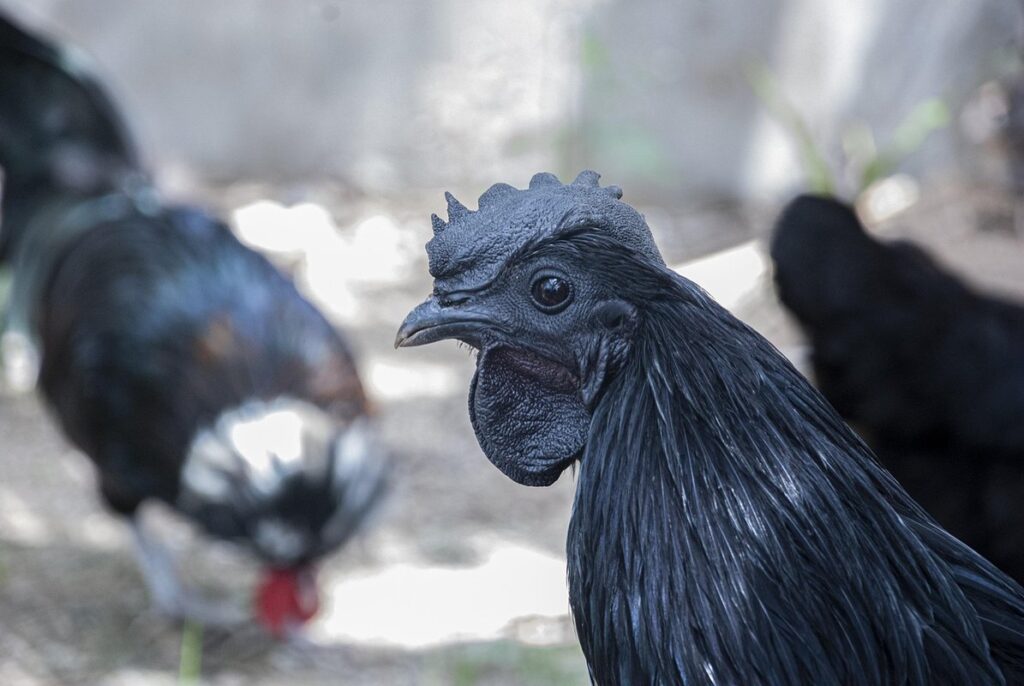
When it comes to physical traits and appearance, Whiting True Blue Chickens are undoubtedly a sight to behold. These stunning birds boast an impressive plumage that is a key identifier of the breed. Their feathers are a beautiful shade of blue with intricate patterns of white, giving them an overall striking appearance.
In terms of size, Whiting True Blues are relatively compact, making them perfect for backyard chicken keepers who have limited space. On average, they weigh around 4-5 pounds and stand about 10-12 inches tall, but don’t let their small stature fool you – these birds pack a punch when it comes to egg-laying.
Their beak shape is another distinctive feature of the breed, with a short, curved beak that’s perfectly suited for pecking at grains. Additionally, Whiting True Blues have a unique head shape, with a slightly rounded skull and prominent facial features that give them an endearing, almost comical appearance.
One thing to note when it comes to caring for your Whiting True Blue Chickens is their susceptibility to heat stress due to their pale blue plumage. Be sure to provide plenty of shade and ventilation in their coop to keep them cool and comfortable during hot summer months.
Temperament and Personality
Whiting True Blues are known for their calm and gentle nature, making them an excellent choice for families with children. However, they can be wary of strangers, so it’s essential to socialize them properly from a young age. With consistent handling and attention, these chickens can become incredibly tame and even seek interaction.
One key aspect to consider is their broody behavior. Whiting True Blues are prolific layers, but some individuals may exhibit strong maternal instincts, attempting to sit on eggs or raise their own chicks. While this can be endearing, it’s crucial to recognize the signs of a broody bird and separate them from the rest of the flock if necessary.
In terms of personality traits, Whiting True Blues are generally quiet and laid-back. They’re not as active or flighty as some other breeds, but they still enjoy exploring their surroundings. If you’re looking for a low-maintenance chicken that will fit seamlessly into your backyard, the Whiting True Blue is an excellent choice.
Raising and Caring for Whiting True Blue Chickens
If you’re planning on raising Whiting True Blue chickens, it’s essential to understand their specific needs when it comes to nutrition and health care. Here are some key considerations for keeping your birds happy and thriving.
Housing and Environment Requirements
When it comes to providing optimal living conditions for your Whiting True Blue chickens, there are several key factors to consider. First and foremost, ensure that their coop is spacious enough to accommodate them comfortably. A good rule of thumb is to provide at least 3-4 square feet of floor space per bird inside the coop. This will give them ample room to move around, stretch their wings, and engage in natural behaviors like foraging.
Proper ventilation is also crucial to maintain a healthy environment. Whiting True Blue chickens are prone to respiratory issues if the air quality is poor. Install windows or vents that allow for cross-ventilation and make sure they are easily accessible for cleaning. Don’t forget to secure your coop from predators – consider installing hardware cloth around any openings, securing the roof with strong wire mesh, and keeping a watchful eye on your birds’ surroundings.
Keep in mind that these chickens love to scratch and dig, so their living space should be designed with this behavior in mind. Consider adding some raised beds or enclosed areas where they can exercise without escaping. By providing a well-ventilated, predator-proof coop with ample space for movement, you’ll be creating a happy and healthy environment for your Whiting True Blue chickens to thrive in.
Nutrition and Feeding Best Practices
When it comes to nutrition and feeding your Whiting True Blue chickens, understanding their dietary needs is crucial for their overall health and well-being. These birds are omnivores and require a balanced diet that includes both protein and fiber-rich foods.
For starter chicks, provide a high-quality starter feed that contains around 20% protein until they reach eight weeks of age. Switch to a grower feed with 16-18% protein at this stage. It’s also essential to offer fresh water and grit regularly, as these birds have a tendency to crack their own eggs if they don’t consume enough calcium.
Treats such as mealworms, crickets, or fruits like berries are excellent for providing variety and stimulating foraging behavior. However, avoid giving them table scraps or high-sodium foods, which can be detrimental to their health. When supplementing with vitamins, always consult a poultry expert to determine the right dosage.
A good rule of thumb is to follow the 80/20 principle: provide about 80% of their daily nutrient intake through their regular feed and reserve 20% for treats and supplements. By following these guidelines, you can ensure your Whiting True Blue chickens are receiving the nutrition they need to thrive.
Health Considerations and Common Issues
As you consider bringing Whiting True Blue chickens into your backyard flock, it’s essential to be aware of potential health concerns that may arise. This section will explore common issues to watch out for.
Genetic Predispositions and Common Health Issues
As you consider bringing Whiting True Blue chickens into your flock, it’s essential to be aware of their genetic predispositions and potential health issues. While this breed is known for its striking appearance and friendly nature, they are not immune to common health problems.
One issue that may affect Whiting True Blues is frostbite. Due to their blue feathers, which can reduce the amount of sunlight they absorb in cold weather, these chickens may be more susceptible to hypothermia. To prevent this, make sure your coop has adequate ventilation and provides a warm shelter for your birds during harsh winters.
Another health issue that may arise is respiratory problems, such as bronchitis or pneumonia. This can be caused by factors like dirty living conditions, inadequate ventilation, or poor nutrition. Regularly cleaning the coop, providing plenty of fresh air, and feeding a balanced diet will help mitigate these risks.
By understanding these potential health issues and taking proactive steps to prevent them, you can help ensure your Whiting True Blue chickens live long, healthy lives.
Parasite Control and Disease Prevention
When it comes to keeping your Whiting True Blue chickens healthy and thriving, parasite control and disease prevention are crucial aspects of their care. Integrated pest management (IPM) techniques can help minimize the risks associated with parasites and diseases.
One of the most effective ways to prevent parasite infestations is through good hygiene practices. This includes regularly cleaning feeders, waterers, and coops to remove any potential parasite eggs or larvae. You should also monitor your flock regularly for signs of internal parasites such as coccidiosis, which can be controlled with medication.
Vaccination schedules are another important aspect of disease prevention. Consult with a veterinarian to determine the best vaccination schedule for your Whiting True Blue chickens based on factors like climate and exposure risks. Regular vaccinations can help prevent diseases such as Marek’s disease, which is particularly concerning in young birds.
By implementing IPM techniques and following recommended vaccination schedules, you can significantly reduce the risk of parasites and diseases affecting your flock.
Breeding and Showing Whiting True Blue Chickens
Breeding Whiting True Blue chickens requires careful consideration of genetics, health, and temperament to produce high-quality birds. If you’re interested in showing these stunning chickens, understanding their specific needs is crucial.
Selecting Breeding Stock and Genetic Management
When it comes to selecting breeding stock for Whiting True Blue chickens, there are several key factors to consider. Firstly, you want to identify birds with desirable traits such as egg-laying ability, temperament, and overall health. Observe the birds’ behavior, movement, and plumage quality to determine their potential as breeders.
It’s also essential to ensure genetic diversity within your breeding program to prevent inbreeding and promote healthy offspring. A diverse gene pool will help reduce the risk of inherited diseases and improve overall flock vitality. To achieve this, you can introduce new birds from reputable breeders or participate in genetic evaluation programs.
For a sustainable breeding program, plan for long-term success by maintaining detailed records on breeding stock performance, including fertility rates, hatchability, and growth rates. Regularly review these records to identify areas for improvement and make informed decisions about future breeding selections.
Show Preparation and Competition Tips
When preparing your Whiting True Blue chickens for competitions, it’s essential to focus on grooming, handling, and mental preparation. Start by ensuring your birds are clean and well-groomed, paying particular attention to their feathers, beaks, and nails. A daily bath or a thorough scrubbing with a soft brush can work wonders in keeping them looking their best.
When it comes to handling techniques, it’s crucial to move calmly and confidently around the coop. Avoid sudden movements that might startle your birds, and always support their bodies when picking them up. Make sure they’re comfortable with being handled regularly, as this will help them remain calm during competition.
To mentally prepare your Whiting True Blue chickens for shows, try simulating the environment by placing them in a temporary enclosure or “practice pen.” This can help acclimate them to new sights and sounds, reducing stress levels come competition day.
Conclusion: The Rewards of Raising Whiting True Blue Chickens
Now that you’ve learned everything there is to know about Whiting True Blue Chickens, let’s talk about what makes raising them truly rewarding.
Recap of the Breed’s Unique Qualities
Whiting True Blue chickens are truly one-of-a-kind birds, and it’s no wonder you’re still buzzing with excitement after learning about them. From their exceptional egg-laying abilities to their robust constitution and striking blue-gray plumage, these hens have earned a special place in the hearts of many backyard chicken enthusiasts.
One of the standout features of Whiting True Blue chickens is their incredible fertility rate – they can lay up to 280 large brown eggs per year! This makes them an excellent choice for families or small-scale farmers looking to supplement their egg supply. Their calm and docile nature also makes them a great fit for backyard flocks, as they are easy to handle and integrate with existing birds.
Their robust constitution is another significant advantage of owning Whiting True Blue chickens. They’re highly resistant to common chicken diseases and can thrive in a variety of environments, from small backyards to larger farms. This durability makes them an attractive choice for those who want a low-maintenance yet high-rewarding flock.
If you’re considering adding Whiting True Blues to your backyard flock, be sure to provide them with plenty of space to roam – they love to forage and scratch in the dirt! With proper care and attention, these incredible birds will reward you with years of joy, eggs, and companionship.
Encouragement to Try Raising This Rare Breed
If you’re still on the fence about raising Whiting True Blue chickens, let me share with you why these birds are truly special. For one, their unique color pattern is a sight to behold – imagine having a flock of iridescent blue and white hens roaming around your backyard! But it’s not just their looks that make them stand out; their friendly, docile nature makes them an absolute joy to own.
Whiting True Blues are also incredibly hardy birds, thriving in a variety of climates and conditions. With proper care, they’ll reward you with plenty of fresh eggs every day – yes, every single day! Their egg-laying abilities are unmatched by many other breeds, making them a top choice for backyard chicken keepers.
So why not give Whiting True Blue chickens a try? Not only will you be introducing yourself to one of the rarest and most unique breeds out there, but you’ll also get to experience firsthand the joys of raising these incredible birds. With patience, dedication, and proper care, you’ll be hooked from day one – trust me, it’s worth the effort!
Frequently Asked Questions
Can I show my Whiting True Blue chickens at local or national shows if I’m just starting out with the breed?
Yes, showing your Whiting True Blue chickens is a great way to learn more about the breed and get involved in the community. However, it’s essential to research local and national show rules and regulations regarding rare breeds like the Whiting True Blue. Start by contacting your local poultry association or joining online forums to connect with other breeders who can offer valuable guidance on show preparation and competition tips.
How do I manage the genetic predispositions mentioned in the article, such as respiratory issues, in my flock?
Genetic predispositions can be managed through selective breeding practices and careful monitoring of your flock’s health. Work with a reputable breeder to select birds with a strong genetic foundation for the breed, and consider implementing rotational grazing or providing plenty of space to reduce stress on your birds. Regular vaccinations, parasite control measures, and maintaining a clean living environment are also crucial in minimizing disease risks.
Are Whiting True Blue chickens suitable for small backyard flocks, given their relatively high maintenance needs?
Whiting True Blue chickens can thrive in small backyard flocks when provided with proper care and attention to detail. However, it’s essential to note that they do require regular grooming to maintain their blue feathers, as well as a balanced diet that includes plenty of protein and calcium. With the right resources and commitment, you can successfully raise these beautiful birds in your own backyard.
Can I breed Whiting True Blue chickens with other breeds to create new genetic lines?
Breeding Whiting True Blue chickens with other breeds should be approached with caution and careful consideration. Cross-breeding can help introduce new traits and characteristics but may also dilute the unique qualities of the Whiting True Blue breed. Before attempting any cross-breeding, research the potential outcomes and consult with experienced breeders to ensure you’re making informed decisions about your flock’s genetic diversity.
What are some common mistakes to avoid when raising Whiting True Blue chickens, especially for beginners?
One common mistake to avoid is underestimating the time and resources required to care for these birds. Whiting True Blue chickens demand regular attention to their grooming needs, as well as a balanced diet that meets their nutritional requirements. It’s also essential to research local regulations regarding backyard flocks and ensure you have adequate space for your birds to roam and exercise.