
Have you ever wondered why some chicken eggs are brown, while others are a brilliant white? It all comes down to genetics and nutrition. The color of an eggshell is determined by the type of pigment present in the hen’s body. But that’s not all – did you know that raising chickens for brown eggs can also be beneficial for your backyard flock? Not only do they provide a delicious source of fresh eggs, but with proper care, these birds can become valuable members of your family. In this article, we’ll delve into the fascinating science behind why chickens lay brown eggs and share expert tips on how to raise these beautiful birds. Whether you’re a seasoned chicken keeper or just starting out, get ready to discover the secrets of raising healthy, happy hens that produce gorgeous brown eggs.
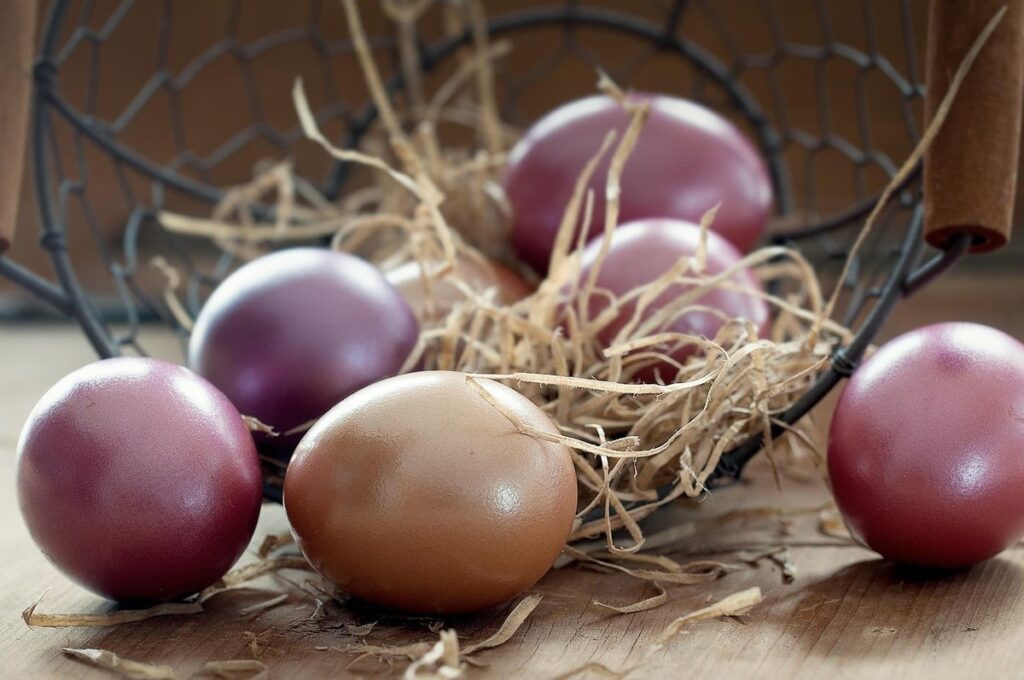
The Basics of Chicken Eggshell Coloration
So you’ve always wondered what makes chicken eggs come in a range of brown hues, from creamy beige to deep chocolate? Let’s dive into the simple science behind eggshell coloration.
Genetic Factors in Determining Eggshell Color
When it comes to determining eggshell color, genetics play a significant role. Certain breeds are known for laying eggs with specific colors due to their genetic makeup. For instance, Leghorns are famous for their white eggs, while Marans and Barred Rocks are renowned for their dark brown eggs.
The reason behind these distinct colors lies in the pigments present on the eggshell. Two primary pigments – porphyrins and protoporphyrin – contribute to the development of the eggshell’s color. Brown egg-laying breeds, such as Marans, have a higher concentration of protoporphyrin, which leads to their characteristic dark brown eggs.
If you’re interested in breeding chickens that lay brown eggs, consider selecting breeds with a high percentage of protoporphyrin. Research and familiarize yourself with the genetic makeup of various breeds to make informed choices about your flock’s coloration.
Keep in mind that genetics aren’t the only factor influencing eggshell color – other factors like diet, age, and health can also impact the final color. However, understanding the role of genetics will help you better predict the colors your hens may produce.
Environmental Influences on Eggshell Pigmentation
Environmental influences can significantly impact the color of a chicken’s eggs. One key factor is diet. Chickens that are fed a diet rich in pigments such as lycopene and beta-carotene will produce eggs with a more vibrant brown color. For example, if you’re raising chickens that lay brown eggs, supplementing their feed with fresh vegetables like leafy greens or carrots can enhance the eggshell’s color.
Light exposure also plays a role in determining eggshell pigmentation. Chickens that are exposed to natural light, particularly during the morning and afternoon when the sun is lower in the sky, tend to produce eggs with a deeper brown hue. This is because light stimulates the production of melanin, which is responsible for pigment production.
Age is another environmental factor that affects eggshell coloration. Younger chickens may lay lighter-colored eggs due to a lack of fully developed melanocytes, the cells responsible for producing pigments. As they mature, their eggshells will darken in color.
The Role of Diet in Determining Eggshell Color
Your chicken’s diet plays a significant role in determining the color and texture of their eggshells, and understanding how it affects brown eggs is fascinating. Let’s dive into the specifics!
Carotenoid-Rich Foods and Their Impact on Eggshell Color
Chickens lay brown eggs when their diet includes carotenoid-rich foods that are converted into pigments that color both the egg yolks and shells. These pigments, particularly xanthophylls, come from marigold petals, alfalfa, and dark leafy greens like kale and spinach.
Marigold petals contain a high concentration of lutein and zeaxanthin – two types of carotenoids that are transferred to the egg yolks and shells through the hen’s liver. When hens consume foods rich in these pigments, their eggs will turn brown due to the presence of xanthophylls.
Dark leafy greens like kale and spinach also contribute to brown eggs as they contain a mix of carotenoids, including lutein, zeaxanthin, and beta-carotene. Feeding your chickens a balanced diet that includes these foods can increase their egg yolks’ pigmentation and cause the shells to turn brown.
To incorporate more carotenoid-rich foods into your flock’s diet, consider adding marigold petals or alfalfa meal to their feed mixture.
Other Nutrients Affecting Eggshell Color
While we’ve discussed the impact of omega-3 fatty acids and lutein on eggshell color, other essential nutrients also play a crucial role. Vitamin A, for instance, is converted into beta-carotene in the chicken’s body. Beta-carotene accumulates in the oviduct and gets deposited onto the egg yolk, influencing the eggshell’s color. This is why hens fed with vitamin A-rich feed or supplements may lay eggs with a deeper orange or reddish hue.
Omega-3 fatty acids also contribute to the intensity of brown pigmentation. Research suggests that chickens receiving omega-3-enriched diets tend to produce darker eggshells, possibly due to increased deposition of iron and other micronutrients. Ensure your hens are getting adequate amounts of these essential nutrients by providing them with a balanced diet rich in fruits, vegetables, whole grains, and a reliable source of calcium.
To give your chickens the best chance at producing brown eggs, consider adding leafy greens, carrots, or sweet potatoes to their feed. These nutrient-dense foods will not only contribute to better eggshell color but also provide numerous health benefits for your flock.
Breeds and Their Tendency to Lay Brown Eggs
Let’s explore some of the most popular chicken breeds that consistently lay brown eggs, from Rhode Island Reds to Barred Rocks. You’ll see why these birds are egg-cellent choices for backyard farmers and enthusiasts alike.
Popular Breeds Known for Laying Brown Eggs
If you’re looking to bring home some brown egg-laying chickens, there are several popular breeds that consistently deliver on this promise. The Marans breed is one of the most recognizable for its dark, chocolate-brown eggs. Known for their gentle nature and relatively small size, these chickens make a great choice for backyard flocks.
Welsummers are another popular breed prized for their rich, brown egg yolks. With a docile temperament and easy-to-maintain feathers, they’re an excellent option for beginners or those with limited space. Barnevelders, on the other hand, lay some of the largest eggs you’ll find – often weighing in at over 60 grams.
When choosing a breed, it’s essential to consider more than just their egg-laying capabilities. Things like temperament, noise level, and space requirements can greatly impact your decision. For example, if you live in a small apartment or have limited outdoor space, a smaller breed like the Marans might be a better fit.
Factors Influencing Breed-Specific Eggshell Coloration
When it comes to breed-specific eggshell coloration, several factors come into play. The color of a chicken’s feathers can influence the tone and intensity of their eggs. For instance, breeds with black or dark brown plumage tend to lay darker brown eggs, while those with lighter-colored feathers may produce lighter brown or tan eggs.
The shape and size of a chicken’s beak also play a role in determining eggshell color. Some breeds have curved or hooked beaks that are better suited for breaking through harder, more compacted eggshells, which can result in darker brown eggs. On the other hand, breeds with straight or flat beaks may lay lighter-colored eggs.
Body size is another factor to consider. Larger breeds tend to lay larger eggs with thicker shells, often resulting in a richer, deeper brown coloration. This is because their bodies produce more melanin, which is responsible for eggshell pigmentation.
By understanding these breed-specific traits, you can better predict the type of eggs your chickens will lay.
The Science Behind Brown Egg Laying
When it comes to brown egg laying, you might wonder what makes this color happen. Let’s dive into the fascinating science behind how chickens produce their signature brown eggs.
Biochemical Processes Involving Tyrosinase and Dopachrome Tautomerase
When it comes to brown egg-laying, a crucial biochemical process is at play. This process involves two key enzymes: tyrosinase and dopachrome tautomerase. These enzymes work together to convert the amino acid tryptophan into 5-hydroxytryptophan (5-HTP), which is then converted into dopamine.
Dopamine, in turn, reacts with oxygen to form a compound called dopachrome. This pigment gives eggs their characteristic brown color. But how does this process happen? It’s quite fascinating, really. Here are the key steps:
* Tyrosinase breaks down tryptophan into 5-HTP.
* Dopachrome tautomerase converts 5-HTP into dopamine.
* Dopamine reacts with oxygen to form dopachrome, a brown pigment.
As you can see, the biochemical process behind brown egg-laying is quite intricate. However, it’s essential for us to understand how it works so we can appreciate the beautiful brown eggs our chickens produce.
Melanin Synthesis and Its Role in Eggshell Coloration
Chickens produce brown eggs due to the presence of melanin, a pigment synthesized from amino acids like tyrosine. Melanin production is a complex process that involves multiple enzymes and steps. First, the enzyme tyrosinase converts tyrosine into dopaquinone, which then reacts with other compounds to form eumelanin, responsible for brown pigmentation.
The level of melanin present in the chicken’s body determines the shade of brown eggshell color produced. For example, some breeds like Marans lay eggs with a darker, more reddish-brown hue due to higher levels of eumelanin, while others may produce lighter shades. Factors such as diet and genetics can influence melanin production.
Interestingly, research has shown that melanin content in eggs can be affected by the chicken’s diet. For instance, a study found that adding tryptophan-rich supplements to a chicken’s feed increased melanin levels and resulted in darker eggshells. Understanding the relationship between diet, genetics, and melanin synthesis can help breeders and farmers enhance eggshell coloration and quality.
This knowledge is particularly useful for backyard chicken keepers who want to encourage brown egg production in their flocks.
Factors Influencing Brown Egg Laying Across Breeds
Several factors influence a chicken’s ability to lay brown eggs, including breed characteristics and genetics. Let’s explore how these variables impact egg color across different breeds.
Impact of Age on Eggshell Coloration
As hens mature and reach their full egg-laying potential, you may notice that the color of their eggs changes. This is because the age of a hen has a significant impact on the eggshell coloration.
Young hens, typically between 18-24 weeks old, tend to lay lighter brown eggs. This is because their yolks are still developing and are less concentrated, resulting in a lighter eggshell color. However, as they mature, their yolks become more dense, leading to an increase in the production of melanin, which gives the egg its characteristic brown color.
By around 30 weeks, most hens will have reached their peak egg-laying potential, and you’ll likely notice that their eggs are now a deeper, richer brown. This is because their melanin levels have increased, resulting in a more intense coloration.
Health Considerations Affecting Brown Egg Laying
A chicken’s ability to lay brown eggs is heavily influenced by its overall health and well-being. Nutrition plays a crucial role in determining the quality and quantity of eggs produced. A hen that consumes a balanced diet rich in essential nutrients will be more likely to produce high-quality, dark brown eggs.
However, factors like stress levels can also impact egg production. Chronic stress can lead to a decrease in egg production and cause the eggs to become lighter in color. This is because stress triggers the release of corticosteroids, which can suppress the activity of oviduct cells responsible for eggshell pigmentation.
Maintaining optimal health through regular veterinary check-ups, providing a clean and spacious living environment, and minimizing stress levels are all essential for promoting brown egg laying. Ensure your hens have access to fresh water, a nutritious diet, and adequate light exposure to support their overall health and egg production. By prioritizing your flock’s well-being, you’ll be more likely to enjoy a steady supply of high-quality, dark brown eggs from your backyard chickens.
Tips for Raising Chickens That Lay Brown Eggs
If you’re raising chickens that lay brown eggs, here are some expert tips to help you encourage healthy egg-laying habits and a rich, brown yolk. Let’s dive into some essential chicken care strategies!
Choosing the Right Breed for Your Needs
When selecting breeds that are likely to produce brown eggs, consider their genetic makeup and egg-laying characteristics. Some breeds are known for consistently laying brown eggs, such as the Marans, Barnevelder, and Australorp. These birds have a strong genetic predisposition towards producing eggs with dark brown or chocolate-brown shells.
If you’re new to raising chickens, it’s essential to choose breeds that fit your lifestyle and experience level. For example, if you live in an urban area, consider smaller breeds like the Bantam Marans or the Barnevelder. These birds are more compact and require less space, making them ideal for small backyards.
It’s also crucial to research the breed’s egg-laying habits and potential health issues. Some breeds may be prone to certain conditions that can impact their ability to produce eggs. For instance, the Marans is known for being a prolific layer, but they can be susceptible to frostbite in colder climates.
Optimal Nutrition for Promoting Brown Egg Laying
When it comes to promoting healthy brown egg laying, providing an optimal diet is crucial. Chickens need a diet rich in carotenoids, vitamins, and minerals to produce eggs with vibrant, dark-brown shells. Carotenoids, such as lutein and zeaxanthin, are responsible for the yellow and orange pigments found in egg yolks and shells.
To promote healthy brown eggshell coloration, ensure your flock has access to a high-quality layer feed that includes carotenoid-rich ingredients like marigold petals, alfalfa meal, or dried citrus pulp. You can also supplement their diet with crushed eggshells or oyster shells, which are rich in calcium and help maintain strong beaks and claws.
In addition to these dietary additions, make sure your chickens have access to fresh water at all times and provide a balanced mix of fruits and vegetables as treats. A well-rounded diet will not only promote healthy brown egg laying but also support overall flock health and vitality. Consider consulting with a local feed store or poultry expert for specific advice on providing an optimal diet for your flock.
Conclusion: Unlocking the Secret to Brown Eggs
In conclusion, understanding why chickens lay brown eggs is essential for backyard chicken keepers and egg enthusiasts. By now, you’ve learned that brown eggshell coloration is determined by genetics, with certain breeds inheriting genes from their parents. This means that if you want to raise a flock that lays brown eggs, choose breed-specific varieties like Marans or Barnevelder. Whether you’re a seasoned chicken owner or just starting out, it’s essential to consider the genetic makeup of your birds when selecting them for egg production.
By knowing the secret behind brown eggs, you can make informed decisions about your flock and enjoy the satisfaction of collecting fresh, nutritious eggs from your own backyard.
Frequently Asked Questions
How can I ensure my brown egg-laying chickens are getting the right nutrients?
To promote optimal health and brown egg laying, provide a balanced diet rich in calcium, protein, and vitamins A and E. Include carotenoid-rich foods like leafy greens, sweet potatoes, and carrots to enhance eggshell coloration. Consider supplementing with oyster shells or crushed eggshells for added calcium.
Can I mix breeds to create a flock that lays brown eggs?
Yes, you can cross-breed chickens from different backgrounds to create a flock that lays brown eggs. However, keep in mind that this may affect the overall health and fertility of your flock. Research the specific needs of each breed and ensure they are compatible before starting a mixed-flock.
What’s the best age for introducing new hens to my existing flock?
Introduce new hens to your existing flock when they’re around 16-20 weeks old. This allows them to establish a pecking order and reduces stress on both the new and existing birds. Make sure to provide a safe, enclosed space for the new hens during this transition period.
Can I expect all of my brown egg-laying chickens to produce eggs at the same rate?
No, each chicken will have its own unique production rate based on breed, age, health, and nutrition. Some hens may start producing eggs earlier or later than others, so be patient and don’t be afraid to remove any birds that aren’t performing well.
What are some common health issues I should watch out for in my brown egg-laying flock?
Keep an eye out for signs of respiratory problems, parasites, and nutrient deficiencies. Regularly inspect your hens’ droppings, beak, and feathers for any abnormalities. Provide a clean living environment, adequate ventilation, and fresh water to minimize the risk of health issues.