
Ducks may seem like picky eaters, but surprisingly, they love to munch on grass! In fact, many backyard flocks have taken to snacking on their owners’ lawns. But did you know that grass can be a nutritious addition to your ducks’ diet? Not only does it provide essential vitamins and minerals, but it also helps support healthy digestion and stress levels. However, not all types of grass are created equal, and some may even harm your feathered friends. In this article, we’ll dive into the world of duck-grass relationships, exploring the benefits and drawbacks of grass consumption in backyard flocks. We’ll cover common types eaten, nutrition facts, and expert tips for managing grass intake to keep your ducks happy and healthy.
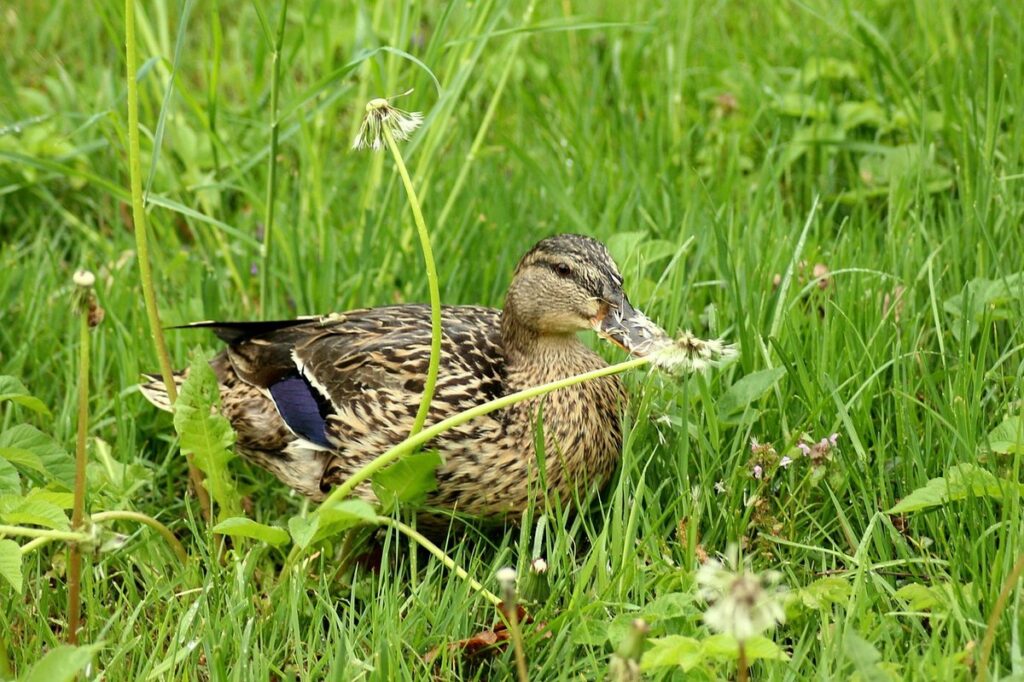
Why Do Ducks Eat Grass?
So, you’re wondering why ducks are often spotted munching on grass in your backyard or at the park? Let’s dive into the reasons behind their love for lawn snacks.
The Importance of Foraging in Duck Nutrition
Ducks need a balanced diet that includes foraged foods like grasses to stay healthy and happy. Foraging is essential for ducks because it allows them to mimic their natural behavior in the wild. In their natural habitat, ducks would forage for food on land and in water, which is why incorporating foraged foods into your duck’s diet can help prevent boredom, stress, and other behavioral problems.
When ducks forage, they get to exercise their beaks, tongues, and legs, which helps keep them physically active. This activity also allows them to develop essential skills like searching, finding, and pecking at food, all of which are crucial for their mental well-being. By including foraged foods in your duck’s diet, you can help prevent over-reliance on commercial feed, which can be high in protein but lacking in fiber.
To get started with incorporating foraged foods into your duck’s diet, try giving them a mix of grasses, leaves, and aquatic plants to graze on. You can also supplement their diet with treats like dandelion greens or clover. By making these simple changes, you can provide your ducks with the nutrients they need to thrive while also promoting healthy behavior and mental well-being.
Common Types of Grass Eaten by Ducks
Ducks tend to have a preference for certain types of grass over others, and understanding these preferences can help you create a more suitable environment for them. Some of the most common types of grass eaten by ducks include Kentucky bluegrass, perennial ryegrass, and tall fescue.
Kentucky bluegrass is particularly popular among ducks due to its high nutritional value, especially during the spring and fall seasons when other food sources may be scarce. Perennial ryegrass, on the other hand, is often preferred for its tender shoots and leaves that are easily digestible by ducks. Tall fescue, while not as nutrient-rich as some other options, provides a convenient source of fiber and can help support healthy digestion.
It’s worth noting that ducks may also eat other types of grasses depending on the region and availability. In areas where Bermuda grass or zoysia grass are common, ducks may take advantage of these resources as well. By recognizing which types of grass are preferred by ducks in your area, you can make informed decisions about their dietary needs and create a more welcoming environment for them to thrive.
Why Some Duck Keepers Restrict Grass Consumption
Some duck keepers may be hesitant to let their feathered friends graze freely on grass due to concerns about digestive health. This is because ducks have a unique digestive system that’s designed for a diet rich in aquatic plants, not necessarily grass. When fed too much grass, ducks can develop gorging problems, leading to an imbalance of calcium and phosphorus levels in their bodies. This can cause softening of the bones, which may lead to painful conditions like metabolic bone disease.
To avoid this issue, some keepers restrict access to grass or provide a carefully monitored grazing area to ensure that ducks don’t overeat. Others choose to offer alternative sources of fiber and nutrients, such as leafy greens or specially formulated pellets. For example, providing a mix of grass clippings with other forage items like clover or alfalfa can help maintain the digestive health of your flock while still allowing them to enjoy the benefits of grazing.
The Nutritional Benefits of Grass for Ducks
Grass is more than just a decorative element for duck ponds, it also provides essential nutrients that support their overall health and well-being. Let’s dive into the specific benefits of grass for ducks.
Protein and Fiber Content in Duck Diet
When it comes to providing your ducks with a balanced diet, grass is an excellent addition. Not only is it a great source of fiber, but it’s also rich in protein, making it an essential component for their overall health and well-being.
Grass contains both soluble and insoluble fiber, which plays a crucial role in maintaining healthy digestive systems. The insoluble fiber acts as a prebiotic, feeding the good bacteria in your ducks’ gut, while the soluble fiber helps to slow down digestion, preventing overeating and improving nutrient absorption. Studies have shown that ducks fed with grass-based diets tend to have improved gut health compared to those on commercial pellets.
A duck’s average daily intake of fiber should be around 2-4% of their total diet. By incorporating grass into their meals, you can easily meet this requirement. For example, if your duck consumes about 1 pound of feed per day, aim to provide at least 2 ounces of fresh grass as a supplement.
Keep in mind that not all types of grass are suitable for ducks. Avoid using ornamental or treated lawns, and opt for pasture grasses instead. It’s also essential to introduce grass gradually into their diet to prevent digestive upset.
Vitamins and Minerals Found in Grass
In addition to its high protein and fiber content, grass is also an excellent source of essential vitamins and minerals that are vital for duck health. Let’s take a closer look at some of the key vitamins and minerals found in grass.
Grass contains several B-complex vitamins, including thiamin (Vitamin B1), riboflavin (Vitamin B2), and niacin (Vitamin B3). These vitamins play critical roles in energy production, nerve function, and skin health. For example, thiamin helps ducks convert carbohydrates into energy, while riboflavin supports the growth of new cells.
Grass is also rich in vitamin K, which is essential for blood clotting and bone health. Additionally, it’s a good source of iron, an essential mineral that carries oxygen throughout the duck’s body. According to a study published in the Journal of Poultry Science, grass-fed ducks had higher levels of vitamin E and beta-carotene compared to those fed commercial pellets.
To ensure your ducks get the most nutritional benefits from grass, it’s best to provide them with a mix of different grass species. This will not only increase their vitamin and mineral intake but also promote gut health through exposure to diverse microorganisms.
Comparison with Commercial Duck Feed
When it comes to providing the best possible nutrition for your feathered friends, you may be wondering whether commercial duck feed is enough. While a well-balanced commercial duck feed can provide all the necessary nutrients for a healthy and happy duck, some research suggests that incorporating fresh grass into their diet can have numerous benefits.
For instance, studies have shown that ducks fed with a diet supplemented with grass tend to have higher levels of certain vitamins and minerals, such as vitamin A and calcium. These essential nutrients are crucial for maintaining the health and vitality of your duck’s eyesight, bones, and overall well-being. Furthermore, grass is also rich in fiber, which can help support the development of a healthy gut in ducks.
By offering fresh grass to your ducks, you can provide them with a more varied and nutritious diet than what commercial feed alone can offer. This can be as simple as allowing them to forage in a designated area or providing them with a bucket of fresh grass to peck at. By making this simple addition to their diet, you can potentially give your ducks an edge when it comes to maintaining optimal health.
The Role of Grass in Duck Health
When it comes to keeping your feathered friends healthy, understanding the role of grass is crucial. Let’s dive into how grass impacts duck health and what you can do to ensure a balanced diet for them.
Impact on Digestive System
When ducks consume grass, it can have both positive and negative effects on their digestive system. On one hand, grass contains fiber that’s essential for healthy digestion and bowel movements in ducks. This fiber helps move food through the digestive tract, preventing constipation and promoting regular defecation.
On the other hand, a sudden or excessive introduction of grass into a duck’s diet can lead to issues such as gas, bloating, or diarrhea. This is because grass contains certain compounds that can be difficult for ducks to digest. For example, some types of grass contain high levels of oxalates, which can bind to minerals like calcium and magnesium in the gut, leading to deficiencies.
To minimize potential digestive issues, it’s essential to introduce grass gradually into your duck’s diet. Start with small amounts (about 1-2 tablespoons per pound of body weight) and monitor your duck’s response closely. You may also need to adjust their feed accordingly to ensure they’re getting all the necessary nutrients. By doing so, you can help maintain a balanced digestive system and reap the benefits of grass consumption in ducks.
Connection to Reduced Stress Levels
It’s no secret that ducks can get stressed out just like we do. And when they’re not feeling their best, it can be a challenge for duck owners to keep them happy and healthy. But research suggests that access to grass may be the key to reducing stress levels in these feathered friends.
Studies have shown that ducks who have access to grass as part of their diet tend to exhibit lower levels of stress hormones than those who don’t. This is likely due to the fact that grass provides a sense of familiarity and comfort for ducks, much like it would for us. In the wild, ducks use grasses and other plants to find food, shelter, and even socialize with each other.
To incorporate more grass into your duck’s diet and reduce their stress levels, consider creating a “duck-friendly” area in your yard by planting grasses and herbs that are safe for them to eat. You can also supplement their diet with fresh grass clippings or hay.
Potential for Improved Feather Quality
Research has shown that ducks who graze on grass tend to have healthier and shinier feathers. This is particularly notable in certain breeds, such as Khaki Campbells and Sebastopol ducks. Studies have found that the omega-3 fatty acids present in grass contribute to improved feather quality.
One key aspect of improved feather quality is a reduction in feather pecking behavior. Grass-eating ducks are less likely to engage in this destructive habit, which can lead to significant stress for other flock members and owners alike. A study published in the Journal of Applied Animal Welfare Science found that introducing grass into the diet of Khaki Campbell ducks significantly reduced feather pecking.
In addition to reducing feather pecking, grazing on grass has also been linked to improved skin health. The high concentration of vitamins A, D, and E present in grass helps to nourish and moisturize a duck’s skin, leading to a healthier and more vibrant appearance.
Managing Grass Consumption in Backyard Flocks
When it comes to backyard flocks, managing grass consumption is a crucial aspect of providing your ducks with a balanced diet. We’ll dive into tips and strategies for keeping your flock’s appetite in check.
Tips for Providing Unlimited Access to Grass
When it comes to providing unlimited access to grass for your backyard ducks, there are several factors to consider. First and foremost, you’ll want to ensure that the area is safe from predators and other hazards. Consider fencing off a designated grazing area or using chicken wire mesh to prevent escape attempts.
It’s also essential to choose a location with good drainage to avoid muddy conditions that can be detrimental to your ducks’ health. A spot with partial shade will help keep the grass fresh and prevent it from becoming scorched during hot summer months.
To maintain a steady supply of nutritious grass, consider implementing a rotational grazing system. This involves dividing your grazing area into smaller sections and allowing your ducks to graze on one section while the others are allowed to regrow. By doing so, you can ensure that your ducks always have access to fresh, green grass.
Regularly inspecting the grass quality is also crucial to maintaining the health of your flock. Look for signs of weed growth or overgrazing and address these issues promptly to prevent them from becoming major problems.
Strategies for Restricting Grass Consumption
If you’re looking to restrict your ducks’ grass consumption while still providing a balanced diet, there are several strategies you can implement. One approach is to limit their access to the yard by using fencing or netting to block off areas where they tend to graze excessively.
Another method is to provide alternative foraging opportunities, such as offering leafy greens like kale, spinach, and collard greens in feeding troughs or on the ground. You can also supplement their diet with commercial duck pellets that are formulated to meet their nutritional needs.
Additionally, you can try creating a “forbidden zone” in your yard by planting grasses that are less palatable to ducks, such as those in the fescue family. This will encourage them to forage elsewhere without depriving them of essential nutrients.
Some owners have also found success with rotating their flock’s access to the yard on a daily or weekly basis, allowing them to graze and then restricting access while planting new grasses or other vegetation to maintain diversity and prevent overgrazing.
Conclusion
As we conclude our exploration of ducks and their unique relationship with grass, let’s summarize what you’ve learned so far.
Recap of Key Points
In reviewing the fascinating relationship between ducks and grass, it’s clear that incorporating this nutritious food source into their diet can have numerous benefits for our feathered friends. We’ve explored the importance of grass as a vital component of a duck’s diet, providing essential nutrients like fiber, vitamins, and minerals.
Notably, we highlighted the potential health benefits associated with grass consumption, including improved digestive health and reduced reliance on commercial pellets. This shift towards a more natural diet can lead to increased energy levels, shiny plumage, and overall well-being for ducks.
As you consider adding grass to your duck’s menu, keep in mind that moderation is key. A general rule of thumb is to provide fresh grass as 10-20% of their daily intake, with the remainder consisting of high-quality commercial feed. Rotate grass sources regularly to ensure a diverse nutrient profile and prevent overconsumption of any single type of grass.
Final Thoughts on Duck Care
As you’ve learned throughout this journey into the fascinating world of ducks and grass, it’s clear that these two seemingly disparate elements are more intertwined than you might have initially thought. As a backyard flock owner, you can take away several valuable lessons from the unique relationship between ducks and grass.
Firstly, it’s essential to recognize the importance of providing your feathered friends with a diverse range of forage options, including grasses. Not only will this support their overall health and well-being, but it will also encourage them to engage in natural behaviors like foraging. To implement this in your own backyard flock, consider creating a mini-meadow or incorporating native grasses into your existing landscape.
Secondly, the example of ducks grazing on grass highlights the interconnectedness of ecosystems. By embracing this relationship and adopting more sustainable practices, you can create a thriving haven not just for your ducks but also for local wildlife. To take your backyard flock to the next level, consider implementing measures like reducing lawn care chemicals or incorporating beneficial plants that support pollinators.
As you continue on your duck-keeping journey, remember that embracing this fascinating world of ducks and grass requires patience, observation, and a willingness to adapt. By doing so, you’ll not only create a happier, healthier flock but also contribute to a more harmonious balance within the natural world.
Frequently Asked Questions
Can I give my ducks unlimited access to grass, or is it better to restrict their consumption?
While many backyard flocks love snacking on grass, excessive consumption can lead to digestive issues. Yes, providing unlimited access to grass may cause problems like overeating and digestive upsets. It’s recommended to balance your ducks’ diet with a mix of foraged foods and commercial feed, ensuring they have enough nutrient-rich food.
What are some signs that my duck is eating too much grass, and how do I address it?
Keep an eye out for changes in droppings, appetite, or overall health. If you notice any unusual behaviors or health issues, consider restricting access to specific types of grass or adjusting their diet. Consulting with a veterinarian can also help identify underlying problems.
Can I grow specific types of grass that are healthier for my ducks?
Growing nutrient-rich grass varieties like clover, oat grass, or wheat grass is not only possible but also beneficial for your flock’s health. These types of grass provide essential vitamins and minerals while being easier to digest than some other types of lawn grass.
How do I know which types of grass are safe for my ducks to eat?
Some common lawn grasses like ryegrass, bermudagrass, and Kentucky bluegrass can be toxic or cause health issues in ducks. Research the local grass varieties and their potential toxicity levels before allowing your flock access to these areas.
What’s the ideal ratio of grass to commercial feed in my ducks’ diet?
A balanced diet is key to maintaining your ducks’ health. A general rule of thumb is to provide 20-30% of their diet as foraged foods, with the remaining 70-80% coming from commercial feed. Adjust this ratio based on your flock’s specific needs and preferences.