
Wood chicken mushrooms are a fascinating find for both health enthusiasts and adventurous cooks. These unique fungi, also known as Laetiporus sulphureus, have gained attention in recent years due to their impressive medicinal properties and culinary uses. But where can you find them? And how do you cultivate them at home? In this comprehensive guide, we’ll delve into the habitats of wood chicken mushrooms, explore their edibility, and examine their potential health benefits. From cooking techniques to cultivation tips, we’ll cover everything you need to know about harnessing the power of these incredible mushrooms. Whether you’re a seasoned forager or just starting your journey with wild edibles, this article is designed to provide you with a thorough understanding of wood chicken mushrooms.
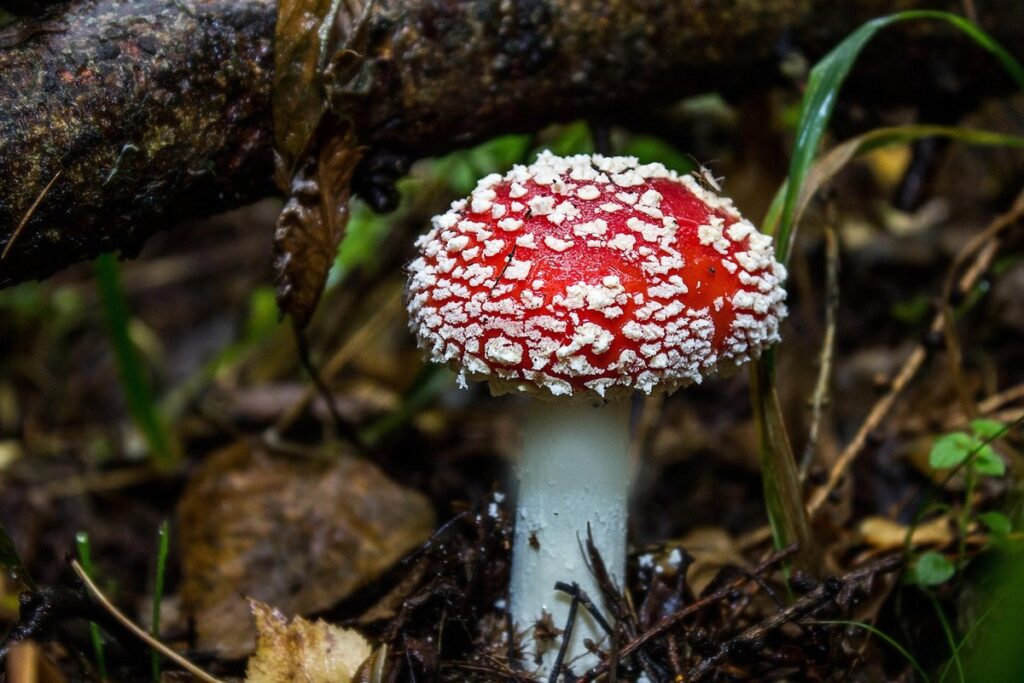
What is Wood Chicken Mushroom?
So, you’re new to wood chicken mushroom and wondering what all the fuss is about. In this section, we’ll dive into its definition and explore what makes it unique.
Types of Wood Chicken Mushrooms
There are several species of wood chicken mushrooms that can be found growing on trees and woodlands. One of the most common types is Laetiporus sulphureus, also known as the Sulphur Shelf mushroom. This variety can often be seen growing on willow, poplar, and silver birch trees in woodland areas.
Another species, Laetiporus cincinnatus, is known for its bright orange to yellow caps that grow in a shelf-like formation. It prefers to inhabit deciduous trees such as oak, elm, and beech.
The habitat of these mushrooms can vary greatly depending on the region and climate. For example, some species may thrive in damp and humid environments while others prefer drier conditions. Understanding the specific characteristics and habitats of different wood chicken mushroom species is essential for identification purposes.
When foraging for wild mushrooms, it’s crucial to be aware of the potential lookalikes and avoid areas with pesticide use or heavy metal contamination.
Edibility and Culinary Uses
The edibility of wood chicken mushrooms is one of their most appealing features. However, identification is crucial to ensure you’re picking the correct species. Look for a cap that’s typically 3-6 inches in diameter and has a rounded edge with small, rounded scales on its surface. The stem is usually short, stout, and attached to the base of the cap.
When preparing wood chicken mushrooms for consumption, it’s essential to clean them properly. Gently brush off any dirt or debris from the caps and stems using a soft-bristled brush or a damp cloth. Avoid washing them in water, as this can cause them to become mushy.
Wood chicken mushrooms are a versatile ingredient in various cuisines. In Chinese cooking, they’re often stir-fried with vegetables like bell peppers and onions. You can also add them to soups or stews for added depth of flavor. For a simple yet flavorful dish, try sautéing sliced wood chicken mushrooms with garlic and serving them over rice.
Some popular dishes that feature wood chicken mushrooms include hot pot, where they’re simmered in a savory broth with other ingredients; and stir-fried noodles, where they add an earthy texture to the dish. Experiment with different cooking methods and recipes to find your favorite way to enjoy these delicious mushrooms.
Medicinal Properties and Health Benefits
Consuming wood chicken mushrooms has been associated with numerous health benefits, making them a valuable addition to a healthy diet. One of the most significant advantages is their high antioxidant content. These compounds help protect cells from damage caused by free radicals, which can contribute to chronic diseases such as cancer and heart disease.
Wood chicken mushrooms also have immune system-supporting properties, thanks in part to their polysaccharide content, particularly beta-glucans. When ingested, these compounds stimulate the production of white blood cells, helping the body fight off infections more efficiently.
Incorporating wood chicken mushrooms into your meals can be as simple as adding them to stir-fries or soups. For a heart-healthy benefit, try pairing them with leafy greens and lean protein sources. For an immune boost, consider combining them with vitamin C-rich foods like citrus fruits or bell peppers in a warm broth.
Habitat and Cultivation
To cultivate wood chicken mushrooms, you’ll need to create a suitable environment that mimics their natural habitat, including specific temperature and humidity conditions. This section will walk you through those essential details.
Natural Habitats of Wood Chicken Mushrooms
In their natural habitats, wood chicken mushrooms are commonly found in environments with rich organic matter and optimal moisture levels. You can spot them growing in deciduous and coniferous forests, as well as in woodlands and wooded areas near streams or rivers.
Some of the key characteristics of these environments include:
* Abundant rainfall and high humidity
* Well-drained soils with a mix of sand, silt, and clay
* Presence of tree species such as oak, beech, and maple
* Fallen logs, stumps, and other woody debris providing substrate for growth
When searching for wood chicken mushrooms in the wild, look for areas with these characteristics. Be sure to exercise caution when foraging, as some environments may be protected or restricted.
To replicate these conditions in a controlled environment, you can try simulating the natural habitat of wood chicken mushrooms by maintaining high humidity and providing a mix of organic matter and woody debris. This will help create an ideal setting for growth and encourage healthy mycelium development.
Tips for Cultivating Wood Chicken Mushrooms
Cultivating wood chicken mushrooms requires careful attention to substrate selection and environmental conditions. To begin, choose a suitable substrate that mimics the natural habitat of the mushroom. Hardwood sawdust, specifically from oak, beech, or birch trees, is an excellent choice due to its high lignin content.
For optimal growth, maintain a controlled environment with temperatures between 55°F and 65°F (13°C to 18°C). Maintain high humidity levels, ideally between 70% to 90%, by misting the substrate regularly. It’s also essential to provide adequate light; however, direct sunlight should be avoided as it may lead to over-illumination.
Monitor the pH level of your substrate, aiming for a slightly acidic environment with a pH range of 5.5 to 6.5. Avoid using substrates that are too alkaline or contaminated with heavy metals, which can hinder mycelium growth and overall mushroom development. By following these guidelines, you can create an ideal environment for wood chicken mushrooms to thrive in.
Common Challenges Faced by Mushroom Growers
As you begin cultivating wood chicken mushrooms, you may encounter several common challenges that can hinder your progress. One of the primary concerns is maintaining a consistent temperature and humidity level, which can be tricky to control. For instance, if the environment is too dry, the mushroom mycelium may not grow properly, leading to low yields or even failure.
Another challenge is preventing pests and diseases from infecting the mycelium. This can be especially true for wood chicken mushrooms, as they are prone to fungal infections. To mitigate this risk, it’s essential to implement good sanitation practices, such as regularly cleaning the growing area and ensuring proper air circulation. Additionally, using a HEPA filter can help reduce the spread of airborne pathogens.
To overcome these challenges, it’s crucial to research and understand the specific needs of wood chicken mushrooms. This includes learning about their optimal temperature range (usually between 50-60°F), humidity levels (around 70-80%), and lighting requirements. By understanding these factors and implementing a solid maintenance routine, you can create an ideal environment for your wood chicken mushroom cultivation to thrive.
Recipes and Preparations
If you’re looking for new ways to incorporate wood chicken mushroom into your meals, we’ve got you covered. This section shares our favorite recipes and preparation methods using this delicious ingredient.
Classic Dishes Featuring Wood Chicken Mushrooms
When it comes to showcasing the unique flavor and texture of wood chicken mushrooms, there’s nothing quite like incorporating them into classic dishes. One popular way to do this is by adding them to a rich and savory teriyaki sauce-based stir-fry. Simply sauté sliced onions and bell peppers with some garlic, then add in your wood chicken mushrooms and cook until tender.
Another option is to use them in a hearty beef stew recipe, where the earthy flavor of the mushrooms pairs perfectly with the bold taste of slow-cooked beef. To really bring out their flavor, try seasoning them with a mixture of dried thyme, rosemary, and sage before adding them to your dish.
For a more decadent take on wood chicken mushroom dishes, consider adding them to a creamy pasta carbonara recipe. The rich, velvety texture of the sauce pairs perfectly with the tender, slightly sweet flavor of the mushrooms. Simply sauté sliced bacon until crispy, then add in diced onions and cook until softened. Next, add in your cooked pasta, grated parmesan cheese, and wood chicken mushrooms, tossing everything together to create a dish that’s both comforting and indulgent.
In terms of sauces, try pairing your wood chicken mushrooms with a rich and tangy BBQ sauce for a sweet and savory flavor combination that’s perfect for grilled meats or as a side dish. You can also use them in place of traditional button mushrooms in a classic French-inspired cream sauce-based recipe, adding an extra layer of depth and complexity to the dish.
To really make your wood chicken mushroom dishes stand out, consider experimenting with different seasoning combinations, such as smoked paprika and garlic powder for a smoky flavor or dried oregano and lemon zest for a bright and citrusy taste. The possibilities are endless when it comes to showcasing the unique flavor of these incredible mushrooms!
Modern Twists on Traditional Dishes
One of the greatest joys of working with wood chicken mushrooms is experimenting with their unique flavor and texture to create innovative versions of traditional dishes. If you’re feeling adventurous, why not try your hand at some modern twists on classic favorites?
For a vegan take on beef stroganoff, substitute sliced wood chicken mushrooms for strips of meat and serve over eggless noodles. You can also use them in place of scallops in a seafood paella or as a substitute for chicken in a creamy chicken parmesan.
Fusion cuisine is another great way to get creative with wood chicken mushrooms. Pair them with Korean chili flakes (gochugaru) and soy sauce for a spicy stir-fry, or combine them with Indian spices like cumin and coriander for a flavorful curry. The possibilities are endless, so don’t be afraid to experiment and come up with your own unique flavor combinations.
When experimenting with new recipes, remember that wood chicken mushrooms have a meaty texture and a rich, earthy flavor, so they pair particularly well with ingredients like garlic, ginger, and lemongrass. With a little creativity, you can turn even the most mundane dishes into exciting culinary experiences.
Pairing Suggestions for Wood Chicken Mushroom Dishes
When it comes to pairing beverages with wood chicken mushroom dishes, you’ll want to choose options that complement its earthy and rich flavors. A dry Riesling or Pinot Grigio can help cut through the richness of the dish, while a light-bodied red wine like Pinot Noir can enhance the mushroom’s depth.
For beer enthusiasts, a malty and caramel-flavored amber ale pairs nicely with the sweet notes in wood chicken mushroom, while a hoppy IPA can balance out its earthy undertones. If you prefer non-alcoholic beverages, try pairing it with a sparkling water infused with herbs like thyme or rosemary to add a bright and refreshing contrast.
When selecting a beverage, consider the cooking method used for your wood chicken mushroom dish. For example, if it’s been grilled or pan-seared, a smoky whiskey or mezcal can complement its charred flavors. Ultimately, trust your palate and experiment with different pairings to find what works best for you.
Safety and Identification
When foraging for wood chicken mushrooms, it’s crucial to know how to safely identify them to avoid any harm or confusion. We’ll cover the essential steps to ensure a positive identification experience.
Potential Lookalikes and Poisonous Mushrooms
When foraging for wood chicken mushrooms, it’s essential to be aware of potential lookalikes and poisonous mushrooms that can resemble them. Two species to be particularly cautious about are the Destroying Angel (Amanita virosa) and the False Morel (Gyromitra esculenta).
The Destroying Angel is a highly toxic mushroom that can cause severe symptoms, including nausea, vomiting, diarrhea, and abdominal pain. In severe cases, it can lead to liver or kidney failure and even death. To differentiate it from wood chicken mushrooms, note its distinctive white gills and bulbous base.
The False Morel, on the other hand, contains a toxin called gyromitrin, which can cause vomiting, diarrhea, and abdominal pain if ingested. It’s also characterized by its brain-like appearance and often grows in clusters. Be aware that both of these mushrooms have no discernible taste or smell when raw, making identification crucial.
To ensure safe foraging, always consult with an expert or a trusted field guide before attempting to identify wild mushrooms. Familiarize yourself with the characteristics of poisonous lookalikes and exercise extreme caution when handling any unknown specimen.
Safe Handling and Storage Practices
When handling wood chicken mushrooms, it’s essential to exercise caution to prevent contamination and foodborne illness. Always wear clean gloves when handling these delicate fungi, as the skin on your hands can harbor bacteria that may be transferred to the mushroom.
To minimize the risk of contamination, ensure you handle the wood chicken mushrooms gently and avoid touching other foods or surfaces with them. If you notice any visible signs of spoilage, such as mold or sliminess, discard the mushroom immediately. Store the mushrooms in a paper bag or breathable container, away from direct sunlight and heat sources.
For long-term storage, it’s recommended to keep wood chicken mushrooms refrigerated at a consistent temperature below 40°F (4°C). Monitor their condition regularly and replace them every few days to maintain optimal freshness. When not in use, store the mushrooms in an area with high humidity to prevent drying out.
Identifying Wood Chicken Mushrooms in the Wild
When foraging for wood chicken mushrooms in the wild, it’s essential to be confident in your identification skills to avoid mistaken identity and ensure a safe harvest. To start, look for trees with conical, rounded, or irregularly shaped fruiting bodies, typically 2-10 cm in diameter. The cap is usually wavy or wrinkled, often with an umbilicate (attached) or sinuate (eared) edge.
Key visual cues include the presence of white gills or a ring on the stem, although some varieties may be devoid of these features. Be aware that wood chicken mushrooms can hybridize with other species, so familiarize yourself with lookalike species to avoid confusion. When in doubt, consult field guides or experienced foragers. Take note of the habitat and environmental conditions where you find the mushroom – wood chicken mushrooms often thrive in deciduous forests, particularly near oak trees.
Examine the cap’s surface texture closely, as it can range from smooth to wavy or even cracked. Be mindful that some lookalike species may exhibit similar characteristics, so pay attention to any distinctive markings or features. By combining these visual cues and familiarizing yourself with the mushroom’s typical habitats, you’ll be better equipped to confidently identify wood chicken mushrooms in their natural habitat.
Frequently Asked Questions
Can I cultivate wood chicken mushrooms indoors, or do they require a natural habitat?
Yes, with the right conditions, you can cultivate wood chicken mushrooms indoors using sterilized logs or containers. This method allows for controlled environments and can increase yields. However, be aware that some species may still require specific temperature and humidity levels to thrive.
How long does it take for wood chicken mushrooms to mature after inoculation?
The time frame for wood chicken mushroom cultivation varies depending on factors like species, temperature, and moisture levels. Generally, you can expect to see initial growth within 1-3 months, with full maturity achieved in 6-12 months. Keep in mind that consistent conditions and proper care will significantly impact the growth rate.
Are there any specific safety precautions I should take when foraging for wood chicken mushrooms in the wild?
Yes, always exercise caution when foraging for wild mushrooms. Be aware of potential lookalikes, poisonous species, and avoid areas with pesticide or heavy metal contamination. Wear protective gloves and clothing, and ensure proper identification before consumption.
Can I use wood chicken mushroom as a substitute in traditional recipes, or do they require specific cooking techniques?
Wood chicken mushrooms can be used as a substitute in many traditional recipes, but they do have some unique characteristics that may affect the final product. They tend to break down more easily during cooking and can become mushy if overcooked. Consider adjusting cooking times and methods to preserve their texture.
What are some common mistakes people make when trying to cultivate wood chicken mushrooms, and how can I avoid them?
Some common mistakes include incorrect temperature and humidity levels, inadequate sterilization of equipment, and insufficient maintenance. To avoid these errors, research specific requirements for your chosen species, use proper techniques for inoculation and maintenance, and monitor conditions closely.