
Are you considering bringing home a new feathered friend or already have one that happens to be a Wyandotte Bantam? If so, you’re probably eager to learn more about this charming breed. For good reason too! The Wyandotte Bantam has won the hearts of many with its stunning appearance and endearing personality. As a popular show bird, it’s no wonder why you’d want to know more about this breed.
But before you start researching or planning your next visit to the local poultry show, let me fill you in on what you need to know. In this comprehensive guide, we’ll delve into the origins of the Wyandotte Bantam, its characteristics, and essential care requirements. We’ll cover history, temperament, health considerations, breeding, and even show essentials – everything you need to become a Wyandotte Bantam expert!
History and Origins of Wyandotte Bantams
Let’s take a fascinating journey through time as we delve into the rich history and origins of these stunning birds, from their early beginnings to modern-day breeding. You’ll discover how they evolved over the centuries.
Early Development and Purpose
In the mid-19th century, North America was home to numerous bantam breeds, with the Wyandotte Bantam being one of them. Developed from various European breeds brought over by early settlers, these small-sized chickens quickly gained popularity for their vibrant plumage and gentle nature.
Initially bred as a companion bird, the Wyandotte Bantam’s primary purpose was to entertain and provide a unique conversation starter on the farm. Their striking appearance made them a favorite among poultry enthusiasts, and their docile temperament allowed them to thrive in small spaces.
As breeders continued to refine the Wyandotte Bantam’s characteristics, they selectively bred for desirable traits such as feather quality, size consistency, and color intensity. By the late 1800s, the breed had solidified its place among other popular bantams, prized by farmers and hobbyists alike for their charm and versatility.
The early development of the Wyandotte Bantam laid the groundwork for its enduring popularity in modern times, making it a staple among backyard chicken keepers and poultry enthusiasts.
Breed Standardization and Recognition
As the popularity of Wyandotte Bantams grew, breeders began to work towards standardizing the breed. In 1874, the American Poultry Association (APA) recognized the Wyandotte as a distinct breed, with specific guidelines for its size, plumage, and color. This recognition marked an important milestone in the breed’s history, as it provided a clear set of standards for breeders to follow.
To achieve this standardization, breeders worked together to establish a consistent breed description. The APA’s breed standard states that Wyandotte Bantams should have a calm temperament, with a weight range of 24-28 ounces and a length of about 6 inches. They should also feature a distinctive rosecomb crest on top of their heads, which is one of the breed’s most recognizable features.
By following these guidelines, breeders can help ensure that their Wyandotte Bantams conform to the APA’s standard. For example, if you’re breeding Wyandottes for show, you’ll want to make sure your birds meet the APA’s weight and length requirements. This not only helps preserve the breed’s integrity but also makes it easier for judges to evaluate them in competition.
Physical Characteristics of Wyandotte Bantams
Wyandotte bantam physical characteristics are quite distinctive, so let’s take a closer look at their striking plumage and compact bodies. You’ll want to know what to expect when choosing your perfect Wyandotte bantam.
Plumage Patterns and Colors
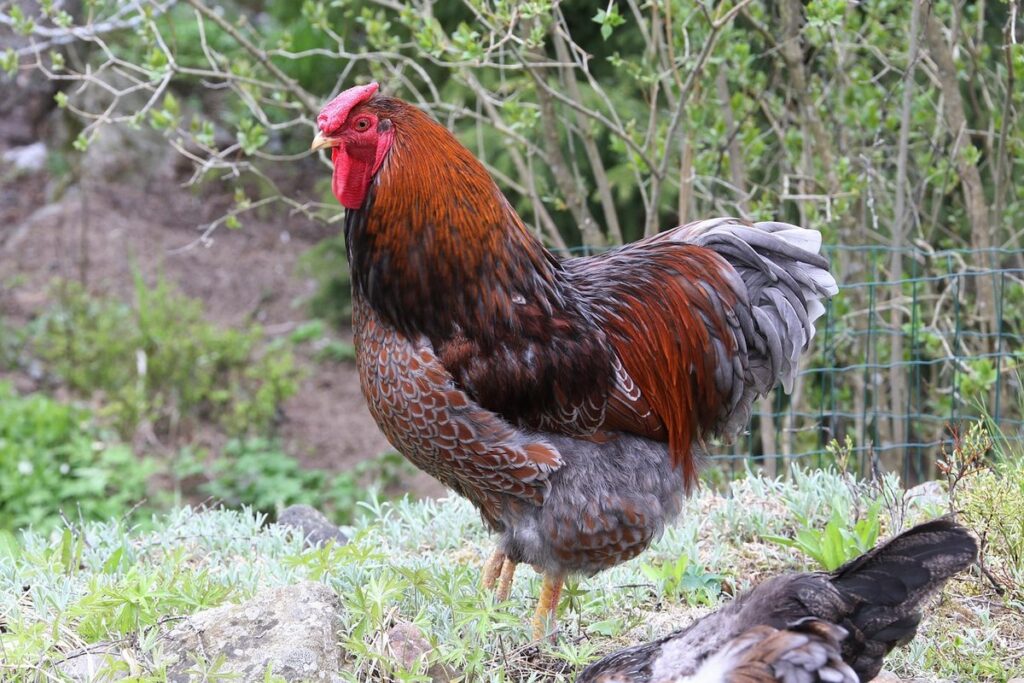
Wyandotte Bantams are renowned for their vibrant plumage patterns and colors, making them a favorite among backyard chicken enthusiasts. There are several distinct color types found in this breed, each with its unique characteristics. One of the most recognizable is the Golden Spangled variety, featuring a golden-brown base coat with black spangles that give it an extra layer of depth.
Another popular color type is the Silver Penciled Wyandotte Bantam, which boasts a slate-gray base with crisp white penciling on its feathers. The Silver Bearded Wyandotte, as its name suggests, sports a silvery sheen to its plumage. In contrast, the Dark Brahma Wyandotte has a rich, dark brown coat.
Wyandottes also come in Copper and White varieties, each with its own subtle yet striking patterns. The Copper Wyandotte boasts a copper-golden hue, while the White Wyandotte is a pristine white bird with delicate black markings.
Size and Sexing Differences
When it comes to identifying whether you have a male or female Wyandotte Bantam, size is one key factor. Males are generally larger than females, with males weighing around 22-28 ounces and standing about 7-8 inches tall at the shoulder. Females, on the other hand, weigh around 18-22 ounces and stand about 6-7 inches tall.
To sex your Wyandotte Bantams accurately, pay attention to their overall size, as well as other visual cues such as plumage quality and feather density. Males tend to have a more vibrant sheen to their feathers, particularly on the neck and back, while females may appear slightly duller in comparison.
Another way to tell if you have a male or female Wyandotte Bantam is by looking at the shape of their vents – the area just above the tail. Males tend to have a more pronounced vent, while females’ vents are often less prominent. With practice and experience, you’ll become proficient in sexing your birds based on these visual characteristics.
Temperament and Behavior of Wyandotte Bantams
When it comes to temperament, Wyandotte bantams are known for being friendly and outgoing, making them a great choice for families and first-time chicken keepers. They’re also surprisingly quiet compared to other breeds.
Friendly and Affectionate Nature
One of the most charming aspects of Wyandotte Bantams is their incredibly friendly and affectionate nature. This trait makes them an ideal addition to backyard flocks, as they thrive on human interaction and attention. They are known to form strong bonds with their owners, often seeking out pets and cuddles.
In fact, Wyandottes have been described as “lap birds” due to their tendency to snuggle up in their owner’s lap, even going so far as to sit quietly for extended periods of time. This affectionate nature is not limited to a single individual; they tend to get along well with other chickens and birds in the flock, making them an excellent choice for those who want a harmonious backyard community.
To encourage this friendly behavior, it’s essential to spend quality time with your Wyandotte Bantams, engaging in activities like feeding, grooming, or simply playing together. With regular interaction, they will become confident, trusting companions that bring joy and love into your life.
Noise Level and Activity Requirements
When it comes to wyandotte bantams, one of their most endearing traits is their lively and social nature. However, this can sometimes be misinterpreted as noise pollution. Wyandottes are known to be quite vocal, especially when they’re trying to communicate with their flock or alert you to potential threats. Be prepared for a regular “chirping” sound that can range from soft murmurs to loud squawks.
In terms of activity requirements, wyandottes need plenty of space to roam and exercise. They’re not high-flying birds by any means, but they do enjoy stretching their wings and taking the occasional flight. As such, a spacious coop or enclosure is essential to keep them happy and healthy. Allocate at least 2-3 square feet of space per bird inside the coop, and provide an additional 5-6 square feet of outdoor area for exercise. This will give your wyandottes ample room to strut their stuff and engage in natural behaviors.
If you’re planning to keep multiple birds together, ensure that there’s enough space for each one to claim its own territory. A good rule of thumb is to provide at least 10-12 square feet of floor space per bird for communal living arrangements.
Health Considerations for Wyandotte Bantams
When it comes to caring for your Wyandotte Bantam, understanding the potential health considerations is crucial to ensure their well-being and longevity in your flock. Let’s explore some common health concerns that may affect this breed.
Common Health Issues and Prevention Strategies
As you care for your Wyandotte Bantams, it’s essential to be aware of common health issues that can affect these charming birds. Respiratory problems are a significant concern, particularly during cold weather when the air is crisp and dry. Pneumonia and bronchitis can be fatal if left untreated or undertreated, so make sure your flock has access to fresh water and a balanced diet rich in nutrients.
Feather pecking is another common issue that can arise among Wyandotte Bantams. This behavior can lead to stress, injuries, and even death, especially when it becomes a dominant behavior within the flock. To prevent feather pecking, provide your birds with enough space to move around and exercise, as well as activities like foraging and scratching.
To maintain good health in your Wyandotte Bantams:
* Provide a balanced diet that includes fresh fruits and vegetables daily
* Ensure access to clean water at all times
* Offer plenty of exercise and enrichment activities
* Monitor your birds’ behavior and address any issues promptly
Nutrition and Diet Requirements
When it comes to providing optimal care for your Wyandotte Bantams, their nutritional needs are crucial. These small birds require a balanced diet that meets their unique requirements. A good starting point is to provide a high-quality commercial chicken feed as the main staple of their diet. However, consider supplementing with fresh fruits and vegetables daily to ensure they receive essential vitamins and minerals.
Some specific recommendations for feeding Wyandotte Bantams include providing a calcium-rich source, such as crushed oyster shells or dark leafy greens like kale, to support strong eggshell production. You can also offer a small amount of mealworms or sunflower seeds for added protein and nutrition.
It’s essential to avoid overfeeding your Wyandotte Bantams, as this can lead to health issues. A general rule of thumb is to provide 1/4 cup of feed per bird per day, with fresh water always available. Monitor their intake and adjust as needed based on individual needs and activity level. By providing a well-rounded diet and staying informed about potential nutritional deficiencies, you’ll be able to keep your Wyandotte Bantams happy and healthy.
Breeding and Raising Wyandotte Bantams
When it comes to breeding and raising Wyandotte bantams, choosing the right bloodlines and understanding their unique characteristics is crucial for success. Learn how to select healthy birds and ensure a strong start for your flock.
Breeding Program Basics and Best Practices
Breeding Wyandotte Bantams requires careful consideration of several key factors to ensure the success and health of your program. When selecting suitable parents, it’s essential to choose birds that exhibit excellent temperament, plumage quality, and conformation to breed standards. This not only ensures the continuation of desirable traits but also minimizes the risk of inherited health issues.
To maintain a healthy breeding program, it’s crucial to keep detailed records of each bird’s pedigree, health checks, and performance in the breeding pen. Regular health checks should be performed by a qualified avian veterinarian to detect any potential health problems early on. This proactive approach helps prevent the spread of disease within your flock and ensures that only healthy birds are used for breeding.
When introducing new birds to your program, it’s vital to quarantine them for an extended period to monitor their behavior and overall health before integrating them with your existing flock. By following these best practices, you can establish a thriving and sustainable breeding program that produces high-quality Wyandotte Bantams while promoting the well-being of both the birds and breeders involved.
Tips for Raising Healthy Chicks and Pullets
Raising healthy chicks and pullets is crucial for ensuring they grow into robust Wyandotte Bantams. Start by selecting reputable hatcheries or breeders who prioritize health and genetics. When brooding, maintain a warm temperature (around 90-95°F) during the first week and gradually decrease it as the chicks grow.
Vaccinations are essential to protect your flock from diseases like Marek’s disease and Newcastle disease. Consult with a veterinarian to determine the best vaccination schedule for your region and flock size. Ensure vaccinations are administered according to manufacturer instructions and follow-up care is provided.
Nutrition plays a significant role in chick development. Provide high-quality starter feed (16-18% protein) within the first few weeks, transitioning to grower feed (14-15% protein) as they mature. Fresh water should always be available, and supplement with calcium sources like oyster shells or crushed eggshells for strong bone growth.
Monitor your chicks’ health closely, watching for signs of disease or stress such as labored breathing or lethargy. Regularly inspect their living conditions to prevent overcrowding and maintain a clean environment. With proper care and attention, your Wyandotte Bantam pullets will thrive into healthy adult hens.
Showing and Competing with Wyandotte Bantams
When showing your Wyandotte bantam, it’s essential to understand the breed standards, as well as how to present your bird in a way that will impress judges and spectators alike. With practice and knowledge, you can successfully showcase your feathered friend.
Show Ring Essentials and Preparation
When preparing to show your Wyandotte Bantams in a poultry competition, it’s essential to have the right equipment and knowledge. First, make sure you have a sturdy, well-ventilated transport crate that will keep your birds safe during travel. This is crucial for maintaining their health and preventing any potential stress.
Another critical component of show ring preparation is the presentation itself. Before entering the competition area, ensure all your bantams are clean, dry, and free from any visible imperfections. Wash them gently with a mild detergent specifically designed for poultry, paying extra attention to areas around the eyes, beak, and feet. Dry them thoroughly to prevent skin irritation.
In terms of presentation, keep in mind that Wyandotte Bantams are known for their striking color patterns. To showcase their plumage effectively, trim any overgrown feathers around the vent area, as well as tidy up the neck and shoulder regions. A clean and well-groomed appearance is key to impressing judges.
In addition, be prepared to answer questions about your birds’ health records, breeding history, and overall care. Familiarize yourself with the show’s specific rules and regulations beforehand to avoid any last-minute stress.
Tips for Handling and Caring for Competition Birds
When it comes to showing and competing with Wyandotte Bantams, handling and caring for these birds is crucial. To keep them healthy and stress-free during the showing season, follow these essential tips.
Keep your competition birds isolated from regular flock members to prevent cross-contamination of diseases. A separate room or area with proper ventilation is ideal. Ensure their living space is clean, well-ventilated, and free from drafts. Wash food and water containers regularly, and change bedding frequently.
Monitor your birds’ health closely during the showing season. Watch for signs of stress such as excessive drooping, loss of appetite, or changes in plumage. Provide a balanced diet rich in nutrients to maintain their energy levels. Ensure access to fresh water at all times.
To prevent over-handling, limit handling to essential tasks only, and avoid touching your birds excessively before shows. This can cause undue stress, which may lead to health problems. Practice gentle handling techniques, supporting the bird’s body and wings carefully when picking them up or moving them around.
Keep your competition birds’ environment quiet and peaceful, reducing noise levels by placing them away from loud areas or using calming music in their surroundings.
Frequently Asked Questions
Can I start breeding Wyandotte Bantams even if I’m a beginner?
If you’re new to chicken breeding, it’s essential to gain experience with raising healthy birds before starting a breeding program. Consider learning from experienced breeders or taking online courses to improve your skills. Start by raising a few birds and developing a good understanding of their needs and characteristics.
How do I handle show stress in my Wyandotte Bantam competition bird?
Show stress can be detrimental to your bird’s health. To minimize this risk, introduce your bird to the show environment gradually, and practice handling them in crowded areas before a competition. Also, ensure they receive proper care and nutrition leading up to the event.
Can I keep multiple Wyandotte Bantams together as pets?
While Wyandottes are generally friendly birds, introducing multiple pets can be challenging. It’s best to start with one bird and observe their behavior before adding more to your flock. Ensure you provide enough space, separate roosts, and consider the needs of each bird.
How often should I trim my Wyandotte Bantam’s beak?
Beak trimming is essential for maintaining a healthy beak and preventing overgrowth. Trim your Wyandotte Bantam’s beak every 6-8 weeks or as needed to prevent damage to feathers and other parts of the bird.
What are some common health issues in Wyandotte Bantams, and how can I prevent them?
Wyandottes are generally a healthy breed, but they can be prone to certain health issues like respiratory problems, mites, and lice. Regular cleaning, providing fresh air, and maintaining good hygiene practices will help minimize the risk of these issues. Additionally, keep an eye on your bird’s behavior and seek veterinary advice if you notice any unusual symptoms.