
Wyandotte chickens are known for their stunning plumage, but have you ever wondered about the colorful treasures they produce? Their eggs are not only deliciously nutritious but also boast unique characteristics that make them stand out from other breeds. But what exactly affects the color and quality of Wyandotte chicken eggs? Factors such as diet, health, and genetics all play a role in determining the vibrancy and consistency of their egg-laying production.
If you’re an avid chicken keeper or just starting to explore the world of backyard poultry, understanding how to raise healthy Wyandottes for optimal production is crucial. In this article, we’ll delve into the fascinating world of Wyandotte chicken eggs, exploring their distinct characteristics, egg-laying traits, and the factors that influence color and quality. By the end of it, you’ll have a better grasp on how to encourage your Wyandottes to produce eggs with vibrant colors and exceptional quality.
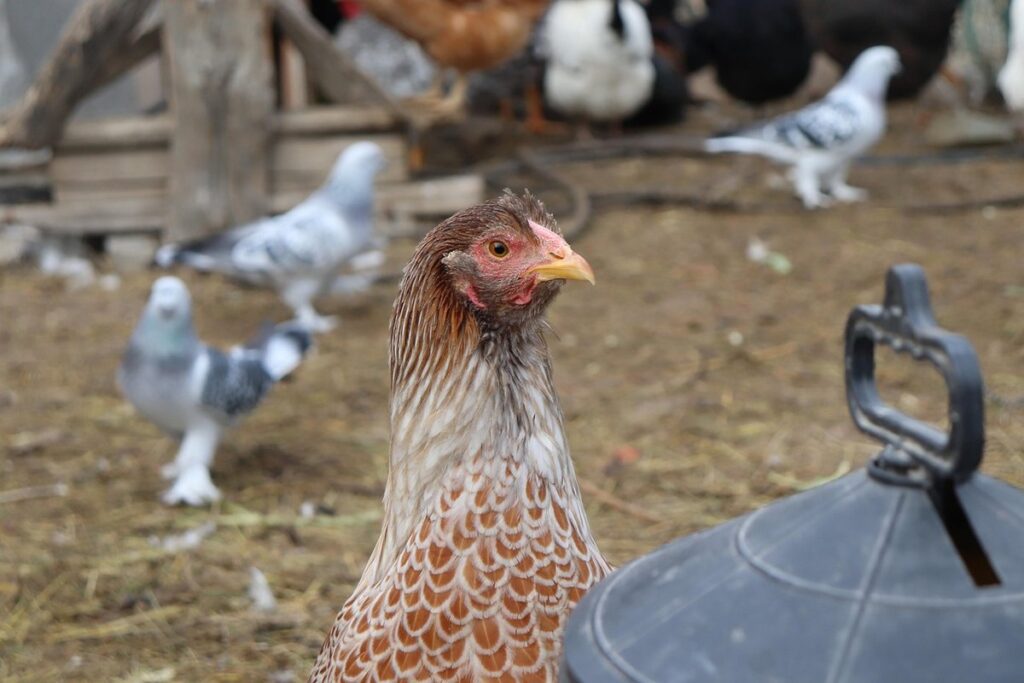
Introduction to Wyandotte Chickens
Wyandotte chickens are a popular breed known for their stunning plumage and unique characteristics, but have you ever wondered about the colors of their eggs? Let’s take a closer look at what to expect.
Origin and History of the Breed
The Wyandotte breed has its roots in North America, specifically in the mid-19th century. Developed from various Asiatic breeds, the original intent was to create a bird that could withstand the harsh climate and diseases prevalent at the time. The name “Wyandotte” comes from the Native American tribe of the same name, which inhabited the region where the breed was first developed.
Over time, the Wyandotte has undergone significant changes through selective breeding. Initially recognized as a distinct breed in 1885, it gained popularity due to its attractive appearance and friendly temperament. By the early 20th century, the breed had spread throughout North America and Europe, with various color variations being introduced.
Today’s Wyandotte chickens are direct descendants of those original birds developed over a century ago. Despite the passage of time, their hardiness and adaptability remain unchanged, making them a popular choice for backyard chicken keepers and small-scale farmers alike. In fact, many modern breeders continue to develop new color variations while maintaining the breed’s traditional characteristics.
Characteristics of Wyandotte Chickens
One of the most distinctive features of Wyandotte chickens is their stunning plumage. These birds are known for their striking appearance, which can be attributed to their unique feathers. Wyandottes have a beautiful silken sheen to their feathers, giving them an iridescent glow in the light. Their plumage comes in various colors, including silver-penciled, golden-spangled, and white.
In addition to their vibrant feathers, Wyandotte chickens are also recognized by their beak shape. They have a medium-sized, curved beak that’s perfectly suited for pecking at grains and seeds. The beak is strong and sturdy, allowing the bird to efficiently forage for food.
Wyandottes are a medium to large breed, with roosters typically weighing between 8-10 pounds. Hens tend to be slightly smaller, weighing around 6-7 pounds. Despite their size, Wyandotte chickens have an impressive build, making them well-suited for backyard flocks. Their compact bodies and sturdy legs enable them to move freely around the coop or yard.
When it comes to egg-laying, Wyandottes are consistent producers, laying a steady supply of large brown eggs. It’s interesting to note that these birds’ physical characteristics can sometimes influence the color of their eggs. For example, some breeders have reported that silken-plumed Wyandottes tend to produce lighter-brown eggs.
Egg-Laying Traits of Wyandotte Chickens
Wyandotte chickens are prolific layers, producing eggs in a variety of colors depending on their genetics. In this section, we’ll explore some key characteristics of their egg-laying habits.
Egg Production and Frequency
When it comes to egg production and frequency, Wyandotte hens are known for their moderate laying abilities. On average, a healthy Wyandotte hen will lay around 200-220 eggs per year, with an average of 5-6 eggs per week during the peak laying season. However, this number can vary depending on several factors.
Nutrition plays a significant role in egg production, and Wyandottes are no exception. A balanced diet rich in protein, calcium, and other essential nutrients will support optimal egg-laying abilities. Factors such as age also come into play – younger hens tend to lay more frequently than older ones, but the quality of their eggs may decrease over time.
To encourage consistent laying, make sure your Wyandotte flock has access to a clean, safe, and well-maintained coop with adequate space for movement. Proper lighting, ventilation, and temperature control are also essential for maintaining optimal health and egg production. By providing the right conditions and nutrition, you can expect your Wyandottes to produce eggs regularly throughout the year.
Egg Size and Shape
When it comes to Wyandotte eggs, their size and shape are just as unique as their stunning color palette. On average, you can expect Wyandotte eggs to range from 180-220 grams (6-7 oz) in weight and measure approximately 55-60 mm (2.17-2.36 inches) in length. However, it’s essential to note that egg size can vary depending on the individual bird’s health, diet, and breeding.
One of the distinguishing features of Wyandotte eggs is their elliptical shape. This means that the long axis is usually about 1-2 mm longer than the short axis. You might notice a slightly pointed end at one of the egg’s poles, giving it a distinctive appearance.
To give you a better idea of what to expect, let’s take a look at some real-life examples. A study on Wyandotte eggs found that the majority (around 70%) fell within the medium-large category, with most having a brown or dark-brown shell color. When collecting your own Wyandotte eggs, keep in mind that size and shape can be influenced by factors like nutrition and breeding practices.
Color Variation in Wyandotte Chicken Eggs
When collecting Wyandotte chicken eggs, you may notice that their colors can vary significantly from one egg to another. This section explores the reasons behind these color variations.
White-Shelled Eggs
When it comes to Wyandotte chicken eggs, you might be surprised to learn that not all of them have the characteristic brown or speckled shell. Some Wyandotte hens lay white-shelled eggs, which are just as nutritious and delicious as their browner counterparts.
So, how are white-shelled eggs formed in Wyandotte chickens? It’s actually quite simple: genetics play a significant role here. The production of pigments like protoporphyrin and biliverdin determines the color of an eggshell. If these pigments aren’t present or are produced in smaller amounts, the shell takes on a white appearance.
It’s worth noting that white-shelled eggs from Wyandotte hens are relatively rare – only about 10% to 20% of them will lay this type of egg. However, if you’re one of the lucky breeders who has a hen laying white eggs, don’t worry: it doesn’t affect their fertility or overall health.
As an aside, if you’re new to chicken-keeping and want to encourage your Wyandotte hens to lay white-shelled eggs, focus on providing them with a balanced diet rich in nutrients. A calcium supplement might also be beneficial – after all, strong eggshells require a solid foundation!
Brown-Shelled Eggs
Brown-shelled eggs are a result of a complex process involving two types of pigments: protoporphyrin and biliverdin. These pigments play a crucial role in the formation of eggshells, with protoporphyrin responsible for the reddish-brown coloration. Wyandotte hens that lay brown-shelled eggs have a higher concentration of these pigments in their oviducts than those that produce white shells.
As it turns out, genetics also play a significant role in determining eggshell color. The Wyandotte breed, in particular, is known to exhibit genetic diversity when it comes to eggshell coloration. This means that even within the same flock, some hens may lay brown-shelled eggs while others produce white shells.
If you’re breeding or raising Wyandotte chickens and notice this variation, don’t worry – it’s completely normal! In fact, many breeders encourage genetic diversity by selecting for a range of eggshell colors to ensure their flock remains healthy and robust.
Factors Affecting Egg Color and Quality
When it comes to wyandotte chicken eggs, there are several factors that can influence their color and overall quality. Let’s dive into what affects these characteristics.
Nutrition and Diet
A balanced diet plays a crucial role in determining the color and quality of Wyandotte chicken eggs. For optimal egg production, chickens require a range of essential nutrients including protein, calcium, phosphorus, vitamin D3, and omega-3 fatty acids.
These nutrients are vital for maintaining healthy reproductive organs, strong bones, and overall well-being. A diet rich in leafy greens such as kale and spinach provides the necessary calcium for strong eggshell production. Omega-3 fatty acids found in flaxseeds or chia seeds support the development of vibrant egg yolks.
Ensure your Wyandotte chickens have access to a diverse range of fruits, vegetables, and grains. A well-planned diet can significantly impact egg color, with dark-colored eggs often resulting from high levels of pigments like lutein and zeaxanthin found in marigold petals or yellow corn. Regularly providing supplements or mealworms rich in protein can boost overall nutrition and contribute to higher-quality eggs.
Monitor your flock’s dietary needs and adjust their feeding schedule accordingly. A balanced diet will not only enhance egg color but also promote the overall health of your Wyandotte chickens.
Genetics and Breeding
When it comes to Wyandotte chicken eggs color, genetics play a crucial role. The unique blue-green tint of their eggs is a result of the interaction between multiple genes. Scientists have identified at least three genes that contribute to eggshell pigmentation: OCA2, MC1R, and TYRP1. These genes control the production of melanin, the pigment responsible for eggshell color.
Selective breeding has significantly impacted Wyandotte chicken egg coloration over time. Breeders have selectively bred birds with desired traits, including egg color, to create distinct varieties. The result is a range of egg colors within the breed, from blue-green to pale pink. This selective pressure has also influenced other traits, such as feather pattern and beak shape.
To maximize your chances of getting Wyandotte eggs with the desired color, it’s essential to choose birds that have been bred for these characteristics. Look for reputable breeders who prioritize genetic diversity and egg quality. By understanding the genetic factors at play, you can make informed decisions when selecting your flock and increase the likelihood of achieving your desired egg coloration results.
Health Considerations for Wyandotte Chicken Breeders
When breeding Wyandottes, it’s essential to consider their health needs, as some strains are more prone to specific conditions that can affect fertility and egg production. Understanding these risks will help you raise healthy birds.
Common Health Issues Affecting Egg Production
As Wyandotte chicken breeders, it’s essential to be aware of common health issues that can impact egg production. Respiratory problems are a significant concern for many breeds, including Wyandottes. Pneumonia and bronchitis can lead to decreased egg-laying, so make sure your flock has access to clean air and water. Ensure regular ventilation in the coop, and provide dust baths to help remove respiratory irritants.
Reproductive disorders can also affect egg production. Hens with reproductive issues may not lay eggs at all or experience irregularities in their laying cycle. A well-balanced diet that includes essential nutrients like calcium and protein is crucial for maintaining reproductive health. Maintain a clean and dry coop, and ensure hens have adequate space to move around.
Some breeders also experience issues related to parasites and mites. Regularly check your flock for signs of these external pests, which can cause stress and discomfort leading to decreased egg-laying. To minimize the risk of these conditions, maintain high standards of cleanliness in the coop and provide regular health checks by a veterinarian.
Best Practices for Raising Healthy Wyandottes
Maintaining a healthy flock of Wyandottes requires attention to their living conditions, diet, and overall well-being. When it comes to housing, provide a spacious coop with adequate ventilation to prevent ammonia buildup from droppings. Ensure the coop is clean and dry, and consider adding nesting boxes for each three to four hens to reduce stress and competition.
A balanced diet is crucial for healthy egg-laying Wyandottes. Offer a high-quality layer feed that meets their nutritional needs, supplemented with fresh fruits and vegetables. Rotate your flock’s food regularly to ensure they don’t get bored or develop preferences for certain foods. A clean water supply should always be available, changed daily to prevent bacterial growth.
Regular parasite control is essential to maintain a healthy flock. Monitor your birds regularly for signs of mites, lice, or internal parasites, and take action promptly if you notice any issues. Consider using natural methods like diatomaceous earth or neem oil to control pests, rather than harsh chemicals that can harm your hens.
By following these best practices, you’ll be well on your way to raising a healthy and happy flock of Wyandottes. This will not only ensure the quality of their eggs but also promote overall well-being for your birds.
Conclusion: Choosing the Right Wyandotte Hens for Your Needs
Now that you’ve learned all about Wyandotte chicken egg colors, let’s discuss how to choose the right hens for your needs and backyard. This will help you make informed decisions for your flock.
Overview of Key Points Covered
In this comprehensive guide to Wyandotte chicken eggs color, we’ve explored various factors that influence egg production and color. To recap, let’s review the key points covered:
When it comes to choosing the right Wyandotte hens for your needs, it’s essential to consider their genetic makeup, nutrition, age, and environmental conditions. The dominant sex-linked gene, responsible for the characteristic blue or green sheen in Wyandotte eggs, can have a significant impact on egg color.
We discussed how a combination of genes influences eggshell pigmentation, with two main types: the dominant sex-linked gene and the autosomal recessive gene. This knowledge is crucial in understanding why some Wyandotte hens may lay blue or green eggs, while others produce brown eggs.
Nutrition plays a significant role in egg production, but its impact on egg color is less pronounced. A well-balanced diet with adequate calcium and vitamin D can support healthy eggshell production, regardless of the bird’s genetic makeup.
Age also affects egg production, with hens typically beginning to lay at around 18-24 weeks old. The first eggs may be smaller or lighter in color due to a slower rate of shell growth.
We’ve examined various case studies and breeding programs that have successfully bred Wyandotte hens for their unique egg-laying abilities. By understanding the genetic factors involved, breeders can develop strategies to enhance desirable traits while minimizing undesirable ones.
Ultimately, choosing the right Wyandotte hens requires considering multiple factors, including genetics, nutrition, age, and environment. By taking these key points into account, you’ll be well-equipped to select hens that meet your specific needs and produce eggs with the desired color characteristics.
Frequently Asked Questions
What is the ideal diet for Wyandotte chickens to produce vibrant, high-quality eggs?
Wyandottes thrive on a balanced diet rich in nutrients like calcium, protein, and vitamins A and E. Ensure they have access to a high-quality layer feed supplemented with fruits, vegetables, and whole grains. Avoid giving them too many treats, as this can lead to nutrient imbalances.
Can I expect consistent egg color if I breed Wyandottes?
Consistent egg color is influenced by genetics, but breeding alone won’t guarantee uniformity. It’s essential to select hens from parents with desirable traits and maintain a healthy flock through proper nutrition, health checks, and management practices.
How often should I collect eggs from my Wyandotte hens to prevent breakage?
Regularly collecting eggs from your coop or nesting boxes every day can help minimize breakage. This also encourages hens to continue laying in the same spot, promoting a consistent egg-laying routine.
Will feeding Wyandottes a diet rich in omega-3 fatty acids improve the quality of their eggs?
Yes, feeding Wyandottes an omega-3 enriched diet can enhance the nutritional value of their eggs, particularly regarding their unsaturated fat content and color intensity. However, it’s essential to maintain a balanced feed that meets all their nutritional needs.
Can I raise Wyandotte chickens in small backyards or do they require large spaces?
Wyandottes are adaptable to smaller spaces if provided with adequate shelter, nutrition, and exercise opportunities. Ensure your backyard has sufficient square footage for movement, nesting areas, and perches to accommodate the needs of your flock.