
Wyandotte chickens are a popular breed among backyard chicken enthusiasts, and one of their most endearing features is the vibrant eggs they produce. But have you ever wondered why some Wyandottes lay blue or green eggs, while others produce more traditional brown or white eggs? It all comes down to genetics, breeding, and nutrition. In this article, we’ll delve into the fascinating world of egg color in Wyandotte chickens, exploring the genetic factors that influence their eggshell hues and how breeders can intentionally select for certain colors. We’ll also discuss the nutritional needs of these birds and what you can do as a backyard chicken keeper to encourage healthy egg-laying habits. Whether you’re a seasoned chicken owner or just starting out, this article will provide valuable insights into the world of Wyandotte chickens and their eggs.
Introduction to Wyandotte Chickens
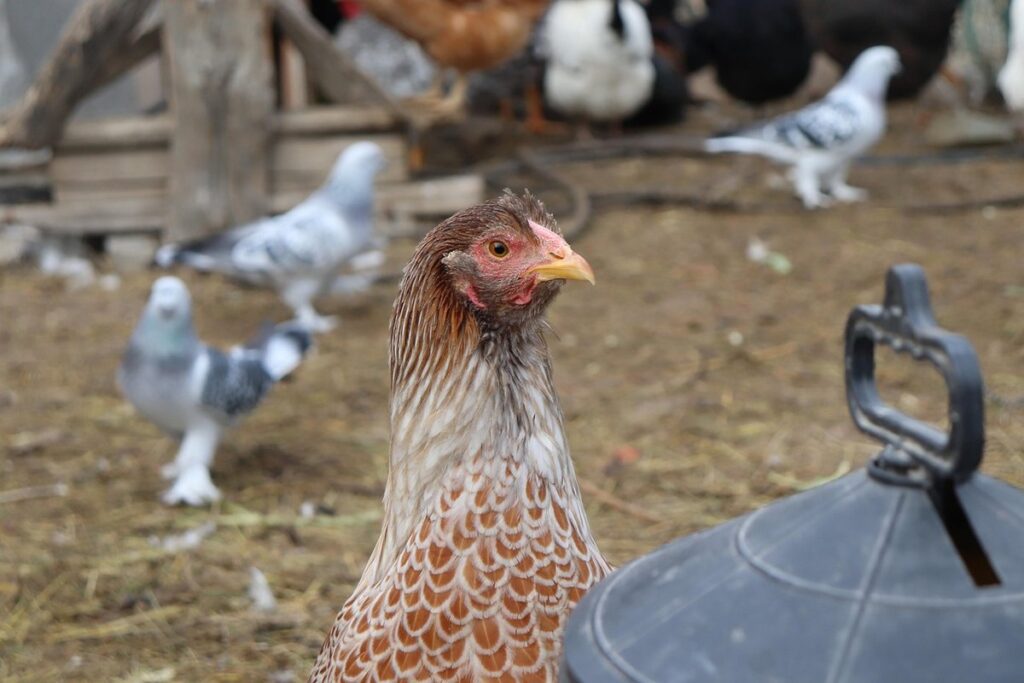
If you’re new to backyard chicken keeping, let’s start with the basics and learn about the wonderful world of Wyandotte chickens. In this introduction, we’ll cover what makes these beautiful birds so special.
History and Origin of Wyandottes
The Wyandotte breed has its roots deeply embedded in North America, specifically in the United States. Originating in the mid-19th century, these stunning birds were developed from various Asiatic breeds that were brought to the continent by European settlers. The name “Wyandotte” is derived from a Native American tribe that once inhabited the region of modern-day Ohio and Michigan.
The breed’s history is closely tied to its use as a show bird, with many early breeders focusing on developing birds with vibrant plumage and striking appearances. Over time, Wyandottes became one of the most popular breeds in North America, prized for their unique beauty and gentle disposition. Today, they remain a beloved choice among backyard chicken enthusiasts.
Interestingly, the original development of the Wyandotte breed was largely driven by its egg-laying abilities. While we’ll dive deeper into the specifics of Wyandotte egg color later in this guide, it’s worth noting that early breeders were keenly aware of the importance of robust egg production when selecting for desirable traits in their birds.
Breed Characteristics and Temperament
When it comes to Wyandotte chickens, one of the first things you’ll notice is their striking appearance. These birds are known for their stunning plumage, which comes in a range of colors including silver, gold, and white. But what really sets them apart is their temperament – Wyandottes are often described as friendly, outgoing, and docile.
One reason for this laid-back nature may be their large size; hens typically weigh around 7-10 pounds, while roosters can reach up to 12 pounds. Despite their imposing stature, however, Wyandottes are generally gentle and easy-going, making them a great choice for families with children or for beginners who want a low-maintenance pet.
In terms of personality traits, Wyandottes are known for being curious and active – they love to explore their surroundings and will often scratch and peck at new sights and smells. This energetic nature can sometimes make them seem a bit mischievous, but it’s all part of their charming charm. With proper care and attention, Wyandottes can thrive as pets or additions to your backyard flock.
Understanding Egg Color Variations
Wyandotte chickens are known for their unique egg-laying abilities, but did you know that their egg colors can vary significantly? In this section, we’ll explore the fascinating reasons behind these color variations.
Genetic Factors Affecting Egg Color
When it comes to understanding egg color variations in Wyandotte chickens, genetics play a significant role. The genetic factors that influence egg color are primarily governed by dominant and recessive genes.
Dominant genes, such as the gene responsible for the production of yellow pigmentation (B gene), will always be expressed when paired with any other allele. In contrast, recessive genes require two copies to express their trait. For instance, the I gene is responsible for blue egg coloration; a bird needs to have two copies of this gene to display blue eggs.
Egg color is often influenced by multiple genes working together. This means that a single gene can affect the production of pigments in various ways. In Wyandotte chickens, the interaction between genes such as B and I determines the final eggshell color. For instance, when the B gene produces yellow pigmentation and the I gene contributes to blue pigmentation, the result is a greenish-blue or olive-green egg.
In practical terms, understanding genetic factors can help you predict potential egg color outcomes in breeding programs. By identifying the dominant and recessive genes present in your flock, you’ll be better equipped to make informed decisions about pairing birds for specific traits, including eggshell color.
Breeding for Desired Egg Colors
Breeding Wyandottes for desired egg colors can be an exciting and rewarding experience for enthusiasts. To achieve specific color variations, breeders must understand the genetic principles underlying egg shell production.
Wyandotte chickens are known for their ability to produce eggs in a range of colors, from blue-green to creamy white. The genetics behind these variations involve multiple genes that interact with each other to determine the final color. Breeders can use this knowledge to select and breed birds that will produce eggs with specific colors or patterns.
For example, breeding for blue eggs requires a combination of genes that code for the production of pigment oocyanin. By selecting birds that already possess these genes and breeding them together, you increase the likelihood of producing offspring with blue eggshell coloration.
To get started, breeders should begin by selecting birds with the desired traits. Next, they can use genetic principles to predict how specific combinations will result in the desired egg color. With careful planning and attention to detail, it’s possible to produce Wyandottes that lay eggs in a wide range of colors, from classic blue-green to creamy white or even speckled patterns.
Popular Egg Colors Produced by Wyandottes
If you’re looking for a reliable source of eggs from your backyard flock, let’s dive into the egg-laying possibilities with some of the most popular Wyandotte chicken colors.
Blue-Egg Laying Wyandottes
The Blue-Egg Laying Wyandottes are a unique and fascinating group of chickens that have captured the hearts of many breeders and enthusiasts. These birds are known for their stunning blue eggs, which range in color from pale sky blue to deep navy blue. One of the key characteristics of the Blue-Egg Laying Wyandottes is their ability to produce eggs with a distinctive sheen, giving them an almost iridescent appearance.
When breeding for blue eggs, it’s essential to consider the genetics involved. Blue eggs are the result of a specific genetic combination that affects the production of porphyrins, which are responsible for the coloration of the eggshell. To increase your chances of producing blue-egg laying Wyandottes, you’ll want to focus on selecting birds with the desired genetic makeup.
In terms of breeding considerations, it’s worth noting that blue eggs can be a recessive trait, meaning that two birds must carry the gene for blue eggs in order to produce offspring that lay blue eggs. This makes selective breeding and genetics crucial when working with this breed.
Brown-Egg Laying Wyandottes
Brown-Egg Laying Wyandottes are a delightful breed to keep as backyard chickens. These birds not only produce a lovely shade of brown eggs but also have some impressive egg-laying abilities. On average, a healthy Brown-Egg Laying Wyandotte will lay around 200-220 eggs per year, making them an excellent choice for families or small-scale farmers looking for consistent egg production.
One of the benefits of raising Brown-Egg Laying Wyandottes is that their eggs are often considered healthier than those from other breeds. The brown coloration is due to a pigment called porphyrin, which is naturally produced by the hen’s body. This pigment has been linked to several potential health benefits, including reduced risk of certain cancers and improved cardiovascular health.
If you’re considering raising Brown-Egg Laying Wyandottes, make sure to provide them with a balanced diet rich in omega-3 fatty acids, vitamins, and minerals. A layer feed specifically formulated for chickens will also help support their egg-laying abilities. Additionally, ensure that your flock has access to fresh water and a clean living environment to promote overall health and well-being.
Tips for Raising Wyandotte Chickens for Egg Color
To help you optimize your flock, we’ll share valuable tips on selecting and raising wyandottes specifically to enhance their egg color, including breed selection and nutrition.
Nutritional Requirements for Optimal Egg Production
To produce high-quality eggs with desired colors, Wyandotte chickens require a balanced diet that meets their nutritional needs. A laying hen’s diet should consist of 16-18% protein, which is essential for egg production. For optimal results, provide your flock with a layer feed that contains around 1.5-2% calcium and 0.8-1% phosphorus. Calcium is crucial for building strong eggshells, while phosphorus supports overall health.
In addition to commercial feeds, supplement their diet with fresh fruits and vegetables like leafy greens, carrots, and apples. However, avoid over-supplementing as this can lead to an imbalance of essential nutrients. A good rule of thumb is to provide about 1/4 cup of treats per chicken daily. Also, ensure access to clean water at all times.
Some examples of commercial layer feeds that meet these nutritional requirements include Purina Layena and Manna Pro Layer Feed. Consult with a veterinarian or poultry expert to determine the best feed for your flock based on their specific needs and age.
Health Considerations for Improved Egg Color
Egg color is not only determined by genetics but also influenced by various health factors that can impact egg-laying hens. When it comes to Wyandotte chickens, some common health issues may affect the quality and intensity of their egg color. One such issue is hypocalcemia, or “milk fever,” which occurs when calcium levels in the blood drop below a certain threshold. This condition can lead to eggs with weak, pale yolks and less vibrant colors.
To prevent hypocalcemia, ensure that your Wyandotte chickens have access to a balanced diet rich in calcium sources like oyster shells or crushed eggshells. Also, provide fresh water at all times to help maintain proper pH levels in the digestive system. Be mindful of your flock’s overall health and take prompt action if you notice any signs of illness.
Another factor affecting egg color is parasites, particularly internal worms like coccidiosis. These can weaken the bird’s immune system, causing pale or discolored eggs. Regular deworming treatments and maintaining a clean coop environment will help minimize parasite infestations.
Lastly, be aware that certain bacterial infections, such as salmonella, can also impact egg color. Good hygiene practices, proper ventilation in the coop, and regular cleaning of feeding equipment are essential in preventing the spread of these pathogens. By prioritizing your Wyandotte chickens’ health, you’ll not only ensure their overall well-being but also enjoy more vibrant, healthy eggs from your flock.
Breeders’ Perspectives on Wyandotte Egg Colors
Breeders who specialize in Wyandottes often have valuable insights into the egg-laying habits of these birds, and their expertise can be a great resource for understanding egg color variations. We’ll share some of their perspectives on this topic next.
Interviews with Experienced Breeders
We reached out to several experienced breeders of Wyandotte chickens and gathered their insights on breeding for specific egg colors. One breeder shared that they focus on breeding Wyandottes for blue eggs, as it’s a unique characteristic that sets them apart from other breeds. “When breeding for blue eggs,” they explained, “it’s essential to identify the genetic factors contributing to this trait. We’ve found that selecting birds with high levels of oocyanin, a pigment responsible for egg color, is crucial.”
Another breeder shared their approach to breeding Wyandottes for light brown and dark brown eggs. They emphasized the importance of maintaining accurate records of each bird’s egg production to ensure they’re consistently producing the desired colors. “We also make sure to separate our birds by age and sex to minimize the risk of cross-breeding,” they noted.
In terms of practical advice, breeders emphasize the importance of patience and persistence when breeding for specific egg colors. It can take several generations to achieve consistent results, so it’s essential to have a clear understanding of the genetics involved and be willing to make adjustments along the way.
Best Practices for Preserving Genetic Diversity
As breeders of Wyandotte chickens, it’s essential to prioritize preserving genetic diversity within our populations. This not only ensures the long-term health and robustness of our flocks but also maintains the unique characteristics that make these birds so beloved by enthusiasts.
Genetic diversity is the backbone of a healthy flock, allowing us to adapt to changing environments, resist diseases, and recover from genetic drift. When we breed Wyandottes with a narrow gene pool, we risk introducing inbreeding depression, which can lead to reduced fertility, increased susceptibility to disease, and even physical deformities.
To preserve genetic diversity, it’s crucial to maintain a large and diverse population of breeding birds. This can be achieved by:
• Breeding from multiple bloodlines
• Incorporating new genetics through outcrossing with other breeds or strains
• Rotating breeding stock regularly to avoid inbreeding
• Participating in breed clubs and sharing genetic material with other breeders
By following these best practices, we can ensure the continued health and vitality of our Wyandotte flocks, while also preserving the unique egg colors that make them so special.
Conclusion and Future Directions
Now that we’ve explored the beautiful world of Wyandotte chicken egg colors, let’s summarize our findings and discuss potential areas for further research.
Recap of Key Takeaways
As we conclude our comprehensive guide to Wyandotte chickens’ egg color, it’s essential to recap the key takeaways for both breeders and owners.
One of the most critical considerations is understanding that Wyandottes are not known for their egg-laying prowess, producing an average of 200-220 eggs per year, which is significantly lower than other breeds. This means if you’re looking for a high-producing flock, the Wyandotte may not be your best choice.
However, for those who value unique egg color and rich history, Wyandottes are an excellent option. Their eggs can range from pale blue to green, depending on individual characteristics such as age and genetics.
If you’re planning to breed Wyandottes or already own them, remember that egg production is just one aspect of their overall health and well-being. Ensure they receive a balanced diet, adequate living space, and regular veterinary check-ups.
Ultimately, Wyandotte chickens are best suited for backyard flocks or small-scale farming operations where their unique characteristics can be appreciated. By understanding their strengths and limitations, you’ll be better equipped to provide the best possible care for your flock.
Opportunities for Further Research and Development
While significant progress has been made in understanding Wyandotte chickens’ egg color diversity, there are still opportunities for further research and development. One area to explore is the genetic basis of specific egg colors. Scientists could investigate the specific genes responsible for the various shades and patterns seen in Wyandottes’ eggs.
By mapping the genetic code related to egg color, breeders might be able to introduce new traits or enhance existing ones. For example, researchers could focus on developing a line with consistently blue-green eggs, like those found in some heritage breeds. This would require a deep understanding of the underlying genetics and selective breeding techniques.
Another area for research is the environmental impact of Wyandotte egg coloration. Scientists might examine how different diet or living conditions affect the pigmentation and quality of eggs produced by Wyandottes. This could lead to more informed management practices that optimize egg production while promoting animal welfare.
Practically, this means breeders would need to consider various factors such as feed composition, flock size, and housing conditions when selecting birds for breeding programs.
Frequently Asked Questions
Can I breed Wyandotte chickens to produce eggs with a specific color, such as blue or green?
Breeding for desired egg colors can be challenging, but it’s possible with careful selection and consideration of genetic factors. You’ll need to identify birds that already lay the target color and focus on their genetic makeup. This may involve inbreeding or linebreeding, which requires meticulous record-keeping and a deep understanding of genetics.
How do I know if my Wyandotte chickens are getting the necessary nutrients for optimal egg production?
Nutritional requirements play a significant role in determining egg color and quality. Ensure your birds have access to a balanced diet rich in calcium, protein, and essential vitamins. You may also consider supplementing their feed with specific minerals or probiotics to enhance eggshell quality.
Can I raise Wyandotte chickens for blue eggs if they’re originally bred for brown eggs?
While it’s possible to influence egg color through breeding, the original genetic makeup of your birds will always be a factor. If you start with Wyandottes bred for brown eggs, their genetics may not support blue or green egg production.
How do I select healthy Wyandotte chickens that are likely to produce high-quality eggs?
When selecting chickens for egg-laying purposes, prioritize health over color. Look for birds with good feather condition, active behavior, and no signs of illness. Consider consulting with experienced breeders who can provide guidance on choosing the right stock.
What’s the average lifespan of a Wyandotte chicken, and how does it impact their egg production?
Wyandottes are known for their longevity, with an average lifespan of 8-12 years. While this allows them to produce eggs over a longer period, older birds may lay fewer eggs or experience reduced fertility. Proper care and nutrition can help maintain their health and egg-laying abilities well into old age.