
If you’re a chicken enthusiast or a Wyandotte breeder, chances are you’ve wondered about the amazing variety of egg colors produced by these beautiful birds. But have you ever stopped to think about how breeders actually achieve those gorgeous solid and patterned hues? With so many factors at play – genetics, nutrition, and overall health – it’s no wonder that creating a Wyandotte with your desired egg color can be a challenging yet rewarding experience.
In this article, we’ll delve into the fascinating world of Wyandotte egg colors, exploring the science behind breeding for specific shades and patterns. You’ll find a comprehensive visual guide to help you identify different solid and patterned colors, as well as practical tips on selection criteria and health considerations to ensure your birds thrive while producing those stunning eggs. Whether you’re a seasoned breeder or just starting out, this article will provide valuable insights to help you achieve your Wyandotte egg color goals.
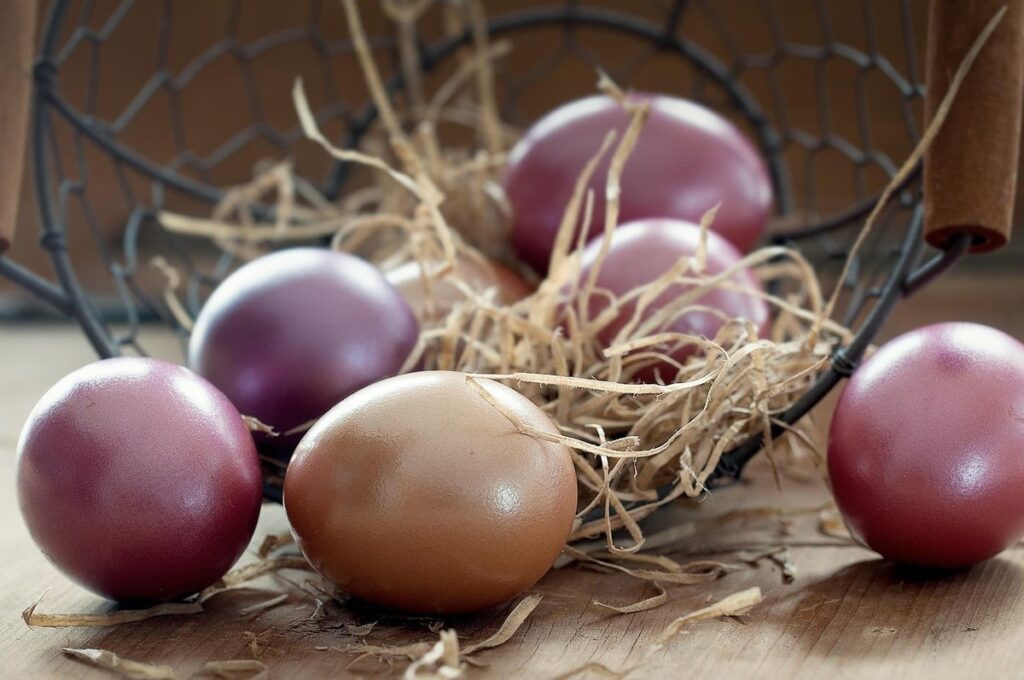
Introduction to Wyandotte Egg Colors
When it comes to egg-laying, one of the most striking aspects of the Wyandotte breed is its diverse range of eggshell colors and patterns. Let’s explore the different color variations you can expect from a Wyandotte hen.
Overview of Wyandotte Breed Characteristics
The Wyandotte breed has been a beloved choice among chicken enthusiasts for over a century. Originating in North America in the late 19th century, this breed was developed from the Old English Game Fowl and has since become known for its distinctive characteristics.
One of the most recognizable features of the Wyandotte breed is their striking plumage, which comes in a variety of colors including gold, silver, blue, and black. But it’s not just their looks that make them so popular – Wyandottes are also prized for their friendly and docile nature, making them an excellent choice for families with children or for backyard farmers looking to add some charm to their flock.
In terms of egg-laying ability, Wyandottes are prolific producers, laying around 200 large brown eggs per year. This makes them a great addition to any homestead or small farm, providing a steady supply of fresh eggs for the family table. With proper care and attention, Wyandottes can thrive in a variety of environments, making them a versatile choice for chicken keepers of all levels of experience.
Some breeders also appreciate Wyandottes for their hardiness and disease resistance, which makes them easier to manage than some other breeds. Overall, the Wyandotte’s unique combination of good looks, friendly personality, and impressive egg-laying ability has cemented its place as a favorite among chicken enthusiasts worldwide.
Importance of Understanding Egg Colors in Chicken Breeding
Understanding egg colors is crucial for chicken breeders and enthusiasts because it can impact the fertility and overall health of their birds. When breeding Wyandottes, knowing which egg color genes are present can help identify potential genetic issues that may arise. For instance, eggs that are too light or dark in color can be an indication of a genetic problem.
Genetics play a significant role in determining egg color, with some breeds like the Wyandotte having multiple genes responsible for different shades and patterns. Understanding these genetics is essential for maintaining healthy flocks and selecting birds with desirable traits. If you’re new to chicken breeding, it’s best to start by learning about the most common egg colors found in Wyandottes and how they’re inherited.
It’s also worth noting that certain egg colors can be linked to fertility issues or other health problems. For example, eggs that are extremely light or dark may indicate a reproductive issue with the hen. By monitoring egg color and knowing what to look for, you can take proactive steps to ensure your birds remain healthy and fertile.
The Science Behind Egg Coloration
So, have you ever wondered why Wyandotte eggs come in such a stunning array of colors? Let’s dive into the fascinating science behind egg coloration and explore what makes these eggs truly one-of-a-kind.
Pigmentation Mechanisms: Eumelanin and Phaeomelanin
When it comes to egg coloration, biology plays a crucial role. Specifically, two types of melanin – eumelanin and phaeomelanin – interact to produce the wide range of colors we see in eggs. Eumelanin is responsible for producing black and dark brown pigments, while phaeomelanin produces red and yellow hues.
In birds like Wyandottes, the interaction between these two melanins determines the final eggshell color. For example, when eumelanin dominates, the result is a dark brown or black eggshell. In contrast, when phaeomelanin takes over, the eggshell may appear pinkish-red or creamy.
The proportion of eumelanin and phaeomelanin also influences the shade intensity. A higher concentration of eumelanin tends to produce deeper, richer colors, whereas more phaeomelanin results in lighter, pastel shades. Understanding this interaction is essential for accurately predicting eggshell color based on a Wyandotte’s genetics.
To give you a better idea, let’s look at some examples: a Wyandotte hen with high eumelanin production will likely lay dark brown or black eggs, while one with more phaeomelanin may produce lighter, pinkish-red eggs. By recognizing the role of these melanins, breeders can make informed decisions when selecting Wyandottes for their desired egg color.
Genetic Factors Influencing Egg Coloration
When it comes to egg coloration in Wyandottes, genetics play a significant role. The genetic factors influencing egg color are complex and involve multiple genes interacting with each other. Dominant and recessive genes work together to determine the final eggshell color.
For example, the dominant gene for yellow pigment will always be expressed over the recessive gene for white or brown. However, when two Wyandottes of different genotypes breed, the resulting eggs may exhibit a combination of both colors due to the interaction between these genes. This is why some Wyandotte hens lay eggs in shades of blue-green, while others produce more vibrant blues.
To understand egg coloration better, consider this analogy: think of genetics as a recipe book. The dominant and recessive genes are like ingredients that need to be mixed together in specific proportions. Environmental influences, such as diet and health, can tweak the flavor (or color) but do not change the fundamental nature of the dish.
Keep in mind that breeding two Wyandottes with different eggshell colors will likely produce offspring with unique colorations due to genetic recombination. So, when selecting hens for your flock, consider their genetic makeup to predict potential egg color variations.
Wyandotte Egg Color Chart: A Visual Guide
Let’s dive into our visual guide where you’ll find a detailed chart showcasing the various egg colors produced by Wyandotte chickens. This chart will help you identify which eggs come from your flock.
Section 1: Solid Colors (Blue, Black, White)
When it comes to Wyandotte egg colors, solid colors are a beautiful and iconic choice. There are three main solid color varieties: blue, black, and white. Each of these colors has its own unique characteristics and breeding requirements.
The Blue Wyandotte is known for laying eggs with a deep blue-green shell. These eggs can range in shade from light to dark blue and often have a subtle sheen to them. To breed blue Wyandottes, you’ll want to focus on selecting birds with intense blue plumage and good egg-laying ability. Blue egg production is typically lower than other colors, so be prepared for fewer eggs per year.
Black Wyandottes lay eggs with a glossy black shell that’s often slightly olive-toned. These eggs can range in shade from dark chocolate to deep ebony. To breed successful Black Wyandottes, look for birds with intense, richly colored feathers and good egg-laying ability. Keep in mind that black egg production is generally lower than other colors.
White Wyandottes lay eggs with a bright white shell that’s often lightly speckled. These eggs can range from pure white to creamy off-white. To breed White Wyandottes, select birds with clean, crisp white feathers and good egg-laying ability.
Section 2: Patterned Colors (Splashed, Marbled, Mottled)
When it comes to patterned colors on Wyandotte eggs, you’ll notice three distinct variations: splashed, marbled, and mottled. These patterns are the result of specific genetic combinations that interact with the bird’s egg-laying process.
Splashed eggs feature small, scattered patches of color against a lighter background. This pattern is often seen in birds carrying the ‘silver’ gene, which creates a striking contrast between the colored patches and the creamy white or pale blue ground color. If you’re breeding for Wyandotte eggs with a predominantly white or light-colored ground tone, look for splashed patterns to add visual interest.
Marbled eggs display a mottled, swirling pattern of colors that blend together seamlessly. This effect is achieved through the interaction of multiple genes, including those responsible for blue, brown, and cream colors. Marbled eggs are highly prized by breeders due to their unique appearance and ability to showcase the bird’s genetic diversity.
Mottled eggs feature patches or spots of color on a pale background, often resembling the mottling effect seen in certain breeds’ feathers. Mottling is more pronounced when combined with other genes that intensify or modify the color, resulting in an intriguing mix of shades and textures. When breeding for Wyandotte eggs, consider incorporating mottled patterns to create visually appealing and unique combinations.
These patterned colors are not only aesthetically pleasing but also a reflection of the bird’s genetic makeup. By paying attention to these distinct patterns, you can better understand your flock’s ancestry and make informed decisions when selecting birds for breeding or showing.
Breeding Wyandottes for Desired Egg Colors
When breeding Wyandottes, understanding how to influence egg color is crucial; let’s explore the genetics behind producing eggs in your desired colors.
Selection Criteria for Breeders
When breeding Wyandottes for specific egg colors, careful selection criteria is crucial to achieve desired results. Breeders should consider genetic testing to identify the underlying genetics responsible for each color variation. This involves collecting and analyzing DNA samples from parents or grandparents to predict the likelihood of offspring inheriting specific traits.
Record-keeping is also essential in this process. Keep detailed records of breeding pairs, hatch dates, egg colors, and other relevant data to track progress and make informed decisions for future breedings. For example, if a breeder wants to produce dark-brown eggs, they should select parents with the dominant brown gene (B) and recessive genes for yellow or blue (b or bl). Regular genetic testing can help identify which birds carry these traits.
By combining genetic testing with meticulous record-keeping, breeders can make informed decisions and increase their chances of achieving the desired egg color. This approach will also allow them to refine their breeding strategy over time and adapt to changing circumstances.
Tips for Achieving Consistent Results
Achieving consistent results in breeding Wyandottes for desired egg colors requires a combination of genetic knowledge, careful selection, and attention to detail. One key strategy is to minimize variability by focusing on specific breed lines that consistently produce eggs with the desired color. This can be done by researching existing bloodlines and identifying those that have a proven track record of producing eggs within a narrow range of colors.
Another crucial aspect is selecting breeding pairs that exhibit the desired traits, rather than relying solely on genetics. This means carefully evaluating the egg-laying abilities, temperament, and overall health of each bird before pairing them for breeding. By doing so, you can increase the chances of producing offspring with consistent egg coloration.
Regular testing and monitoring are also essential in maintaining consistency. Make sure to collect eggs from your flock regularly and track their colors against a standardized chart or reference. This will help you identify any deviations from expected results, allowing you to make adjustments and improve your breeding program over time.
Health Considerations for Wyandotte Flocks
When it comes to raising a healthy and thriving flock of Wyandottes, there are several health considerations you’ll want to be aware of as an owner. These range from common diseases to nutritional needs.
Importance of Maintaining a Healthy Flock
Maintaining a healthy flock is crucial for Wyandottes to thrive and produce high-quality eggs. When your birds are happy and well-cared for, they’re more likely to lay consistent and vibrant eggs. A healthy flock also means you’ll have fewer egg-related issues, such as broken or misshapen eggs.
One key aspect of maintaining a healthy flock is providing a balanced diet that meets the nutritional needs of your Wyandottes. This includes feeding high-quality layer feed, supplementing with calcium for strong eggshells, and offering fresh fruits and vegetables daily. Adequate access to clean water, regular exercise, and proper ventilation in the coop are also essential.
A healthy flock is also less prone to disease, which can impact egg production and quality. Monitor your birds regularly for signs of illness or stress, and take action promptly if you notice any issues. By prioritizing your flock’s health, you’ll be rewarded with a consistent supply of beautiful eggs from your Wyandottes.
Common Health Issues Affecting Wyandottes
Wyandottes are generally a hardy and healthy breed, but like all chickens, they can be susceptible to certain health issues. One common problem affecting Wyandotte flocks is parasite infestations, particularly mites and lice. These external parasites can cause discomfort, anemia, and even death if left unchecked. Regular cleaning of the coop and frequent dust baths for your birds can help prevent these pests.
Another concern is respiratory problems, which can be triggered by factors such as high ammonia levels in the coop or poor ventilation. Symptoms include labored breathing, wheezing, and coughing. Keeping a clean and well-ventilated coop, using a good quality litter, and providing regular exercise outdoors can help minimize this risk.
Nutritional deficiencies are also common in Wyandottes, particularly if they’re not getting enough calcium or protein-rich foods. This can lead to issues like soft eggshells, slow growth rates, and weakened immune systems. Ensuring your birds have access to a balanced layer feed, supplemented with fresh fruits and vegetables, will help prevent these problems.
Conclusion: Putting It All Together
Now that we’ve explored the different wyandotte egg colors, it’s time to summarize what you’ve learned and see how it applies to your own flock. Let’s review the key takeaways from this comprehensive guide.
Recap of Key Takeaways
As we conclude our comprehensive guide to the Wyandotte egg color chart, it’s essential to recap the key takeaways that will help you better understand and utilize this valuable resource. Understanding the genetic basis of egg colors is crucial for breeders, farmers, and enthusiasts alike, as it allows them to make informed decisions about their flocks.
Throughout this article, we’ve explored the unique characteristics of Wyandotte eggs, including their varied color palette, patterns, and genetic influences. We’ve discussed how genetics play a significant role in determining eggshell color, shape, and size. By recognizing these patterns, you can identify potential breeders, predict offspring traits, and optimize your breeding program.
Key takeaways include the importance of documenting egg colors and patterns to track genetic progress, identifying breed-specific characteristics, and understanding the interplay between genetics and environmental factors. To apply this knowledge effectively, we recommend maintaining a detailed record of your flock’s egg-laying performance, monitoring for any deviations from expected patterns, and consulting with experts in poultry genetics when needed. By doing so, you’ll be better equipped to make informed decisions that support the health and success of your flock.
Final Thoughts on Breeding Wyandottes for Desired Egg Colors
As you navigate the world of breeding Wyandottes for desired egg colors, remember that patience and persistence are essential tools in your arsenal. Building a flock with consistent egg color is not a task to be rushed; it requires dedication and a willingness to learn from each generation.
Maintaining a healthy flock should always be your top priority, as it directly impacts the quality of eggs laid by your birds. Ensure you provide adequate nutrition, ensure proper ventilation, and monitor for signs of disease or stress. Healthy birds are more likely to produce high-quality eggs with consistent coloration.
To breed Wyandottes that meet your desired egg colors, commit to maintaining a diverse flock. This means selecting eggs from multiple roosters and hens to maximize genetic diversity, as it increases the likelihood of desirable traits emerging in future generations.
Frequently Asked Questions
How can I ensure consistent egg coloration in my Wyandotte flock?
Consistency is key when breeding for desired egg colors. To achieve this, focus on maintaining a healthy flock by providing a balanced diet, ensuring access to fresh water and a clean living environment. Regularly monitor your birds’ health and adjust your breeding program accordingly. Additionally, consider implementing a selective breeding program where you identify and breed individuals with the desired traits.
Can I use supplements to influence my Wyandotte’s egg color?
While nutrition plays a significant role in determining eggshell color, using supplements as a primary means of influencing egg color is not recommended. Focus on providing a balanced diet rich in essential nutrients, such as protein, calcium, and vitamins. If you’re concerned about your flock’s nutritional needs, consult with a poultry expert or veterinarian for personalized advice.
How do I handle common health issues affecting Wyandottes?
Maintaining a healthy flock is crucial when breeding chickens. Common health issues affecting Wyandottes include respiratory problems, parasites, and reproductive disorders. Regularly inspect your birds’ overall health, provide prompt veterinary care when necessary, and maintain a clean living environment to prevent the spread of disease.
Can I use artificial lighting to influence my Wyandotte’s egg color?
While light exposure can impact eggshell color, relying solely on artificial lighting is not recommended. Natural daylight is essential for your birds’ overall health and well-being. If you need to supplement with artificial lighting, ensure it meets the necessary standards for poultry production and consult with a veterinarian or poultry expert.
How do I balance genetics and nutrition when breeding Wyandottes for desired egg colors?
Achieving the perfect balance between genetics and nutrition is critical when breeding chickens. Genetics play a significant role in determining eggshell color, while nutrition influences overall health and fertility. Regularly monitor your birds’ response to different breeding strategies and nutritional programs, making adjustments as needed to achieve the desired results. Consult with experienced breeders or poultry experts for guidance on developing an effective breeding program.