
The Wyandotte breed has been charming chicken enthusiasts for centuries with its stunning plumage, but have you ever stopped to consider the unique color of their eggs? Wyandotte egg coloration is not only a fascinating topic, but it also reveals a wealth of information about the nutritional and environmental factors that influence an egg’s hue. From the breed’s rich history to the science behind why Wyandottes lay such distinctive eggs, we’re about to crack open the secrets of their signature color. In this article, we’ll delve into the world of Wyandotte egg coloration, exploring how breed characteristics, diet, and living conditions all play a role in shaping the eggs that come from these beautiful birds.
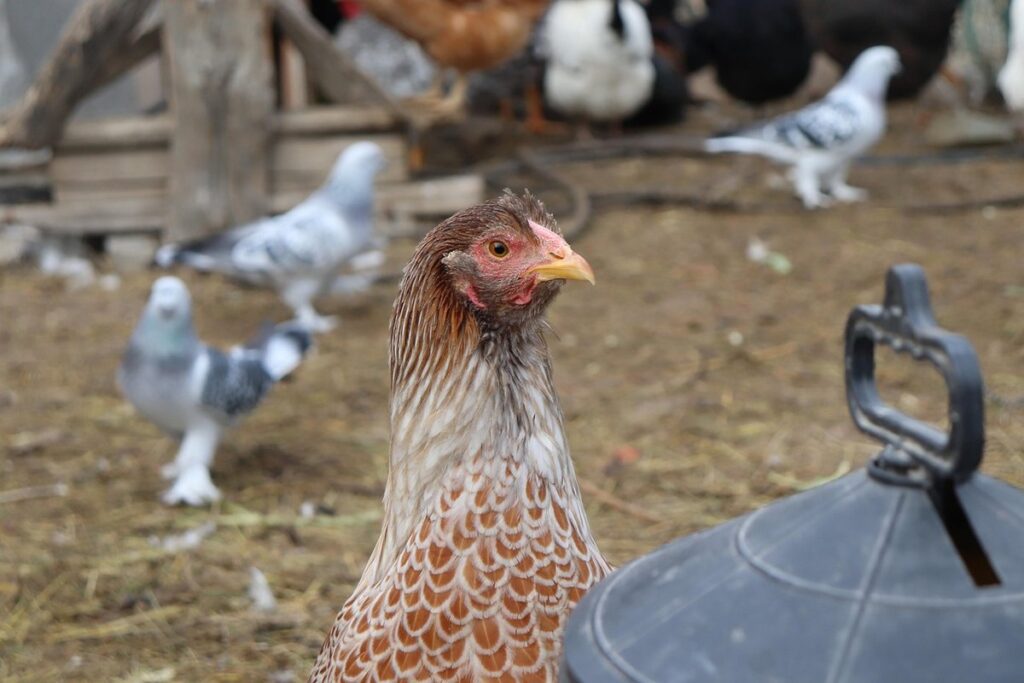
What are Wyandotte Chickens and Their Significance
If you’re curious about the unique coloration of Wyandotte eggs, let’s start by understanding what makes these chickens so special: their distinctive appearance.
Brief History of the Breed
The Wyandotte breed has a rich history that dates back to the mid-19th century in North America. Developed from the Brahma and Cochin breeds, the Wyandotte was first exhibited at the 1883 American Poultry Association (APA) show, where it quickly gained popularity for its stunning plumage and striking color patterns.
One of the key characteristics that set the Wyandotte apart is its unique ability to produce eggs in a range of colors, including blue, green, pink, and chocolate. This diversity in eggshell coloration is due in part to the breed’s genetic makeup, which has been shaped by centuries of selective breeding for desirable traits.
As a popular choice among chicken enthusiasts, Wyandottes have been prized for their friendly, docile nature, as well as their impressive egg-laying abilities. With proper care and management, a single Wyandotte hen can produce up to 200 eggs per year, making them an attractive addition to backyard flocks and small-scale farms.
The breed’s popularity has endured over the years, with many modern-day farmers and enthusiasts seeking out Wyandottes for their unique combination of charm, hardiness, and egg-laying prowess.
Characteristics of Wyandotte Hens
Wyandotte hens are renowned for their striking appearance, which is partly responsible for the distinct coloration of their eggs. These birds boast a robust build and medium to large size, with adults typically weighing between 6-8 pounds. One of the most defining characteristics of Wyandotte hens is their plumage pattern, featuring a mix of white and black feathers in various combinations, often with iridescent sheens.
Their body shape adds to their allure, with a broad chest and a slightly curved profile. The head is relatively small compared to other breeds, but it’s adorned with a distinctive rose comb that adds to the Wyandotte’s striking appearance. When you combine these physical attributes, it’s no wonder that Wyandotte hens produce some of the most recognizable eggs in the chicken world.
Their size and plumage pattern play a significant role in determining the unique coloration of their eggs. The combination of white and black feathers results in a rich, dark brown eggshell that is both durable and aesthetically pleasing.
Understanding Egg Coloration in Chickens
When it comes to Wyandotte eggs, their distinct coloration is often a topic of curiosity and fascination among backyard chicken keepers and egg enthusiasts alike. Let’s dive into what makes these eggs so uniquely colored.
Factors Influencing Egg Color
When it comes to understanding the unique coloration of Wyandotte eggs, genetics and environment play a significant role. The breed itself is a key factor – Wyandottes are known for their striking egg colors, but other breeds like Leghorns or Barred Rocks can also produce similarly pigmented eggs due to genetic predisposition.
Nutrition also affects eggshell coloration. Chickens require specific nutrients like calcium and vitamin D3 to develop strong, well-pigmented shells. A diet rich in these essential vitamins and minerals is crucial for maintaining vibrant egg colors, but be aware that excessive amounts can lead to over-production of certain pigments, resulting in unwanted shades.
Age and health are other vital considerations – young chickens tend to lay eggs with lighter or more varied coloration as their internal systems mature. Similarly, a chicken’s overall health can impact the richness and intensity of eggshell colors. As Wyandotte owners, ensuring optimal nutrition, regular veterinary check-ups, and a balanced lifestyle will contribute significantly to maintaining those signature, enchanting eggshades your flock is known for!
The Role of Pigments in Egg Coloration
The Wyandotte’s eggshell coloration is not just a result of chance, but rather a complex interplay of chemicals and pigments that work together to create its distinctive hue. At the heart of this phenomenon are two primary pigment groups: porphyrins and carotenoids.
Porphyrins, in particular, play a crucial role in determining eggshell coloration. These complex molecules are derived from the breakdown of hemoglobin in the hen’s body and are responsible for producing a range of colors, from brown to pink to yellow. The presence of different types of porphyrins can result in varying shades of these colors.
Carotenoids, on the other hand, contribute to the eggshell’s yellower undertones. These pigments, which are derived from the hen’s diet, help to enhance the overall coloration of the egg and can also play a role in protecting the egg from environmental stressors. The interplay between porphyrins and carotenoids is what ultimately gives the Wyandotte’s eggs their unique and captivating coloration.
Interestingly, research has shown that hens with access to a diverse diet rich in fruits and vegetables tend to lay eggs with more vibrant and intense colors. This suggests that by feeding your Wyandotte hens a balanced and nutrient-rich diet, you may be able to enhance the color of their eggs.
The Unique Characteristics of Wyandotte Eggs
Wyandotte eggs boast a stunning array of colors, but have you ever wondered what makes their hues so unique? Let’s dive into the fascinating characteristics that set these eggs apart from the rest.
Why Do Wyandotte Eggs Have Such a Distinctive Color?
The unique coloration of Wyandotte eggs is largely due to the presence of specific genetic factors that have been selectively bred over time. One key factor is the interaction between two genes: E and M. The E gene, responsible for eggshell pigmentation, produces a blue or green tint, while the M gene enhances this effect by creating a darker, more intense color.
When paired together in certain combinations, these genes result in the distinctive dark brown or almost black eggs characteristic of Wyandottes. This unique trait has been preserved through selective breeding, as breeders have continued to emphasize the preservation of these genetic traits.
Interestingly, some breeders have experimented with crossing different strains of chickens to enhance and modify the eggshell color. By doing so, they’ve discovered new combinations that result in a wider range of colors and patterns. If you’re interested in trying this yourself, consider carefully evaluating your flock’s genetic makeup before making any breeding decisions – it’s essential to understand which genes are present and how they may interact with one another.
Comparing Wyandotte Egg Colors to Other Breeds
When it comes to egg color, Wyandotte eggs stand out from the crowd. But how do they compare to other popular chicken breeds? Let’s take a closer look.
For example, Leghorn eggs are typically white or light brown, while Rhode Island Red eggs tend to be a deep terracotta red. In contrast, Wyandotte eggs come in a variety of colors including blue, buff, silver, and gold. But what makes Wyandotte eggs truly unique is their ability to display multiple colors on the same egg.
Some breeds, like the Araucana, can lay eggs with a pink or lavender tint due to a genetic trait that causes the eggs to have a higher concentration of certain pigments. However, even in these cases, the color is often more muted than what you’d find on a Wyandotte egg. Wyandotte eggs also tend to be slightly larger and have a more vibrant coloration overall.
One thing to keep in mind when comparing egg colors is that individual birds can sometimes produce eggs with unusual or unexpected colors. This is especially true for breeds like the Marans, which are known for their dark chocolate-brown eggs. But even so, Wyandotte eggs remain some of the most distinctive and eye-catching around.
Breeders’ Insights: Selective Breeding for Color
We asked experienced breeders to share their approaches to selective breeding, and they revealed some surprising strategies for influencing eggshell color in Wyandottes. What can we learn from their techniques?
How Breeders Influence Egg Color Variation
When it comes to the fascinating world of Wyandotte egg color, breeders have played a significant role in shaping its unique characteristics over time. By selectively breeding Wyandottes with desired traits, breeders have managed to emphasize or change their egg coloration, resulting in the various shades we see today.
To achieve these variations, breeders employ several strategies. One approach involves crossing Wyandottes with other breeds known for specific egg colors, such as Ameraucanas or Araucanas, which are famous for their blue eggs. This allows breeders to introduce new genes responsible for egg coloration into the Wyandotte gene pool.
Another key consideration is maintaining genetic diversity while still achieving the desired egg color. Breeders must carefully select birds with complementary traits and ensure that they’re not over-reliant on a single gene, which can lead to a loss of overall egg quality or other characteristics. By balancing selective breeding with careful genetic management, breeders can successfully create Wyandotte eggs in an array of colors, from pale blue to dark brown, each with its own unique charm.
Balancing Aesthetics with Practicality
When breeding for desirable traits like egg color, breeders must carefully weigh the benefits against potential drawbacks. For Wyandotte eggs, this means balancing the unique and striking coloration with more practical considerations such as fertility, hatchability, and disease resistance.
A primary concern is maintaining or improving fertility rates, which can be compromised by intense selective breeding. For instance, a breeder might focus on producing predominantly blue-green eggs but inadvertently reduce the overall fertility rate of their flock. To mitigate this risk, breeders can implement strategies like rotating their breeding stock to maintain genetic diversity and reduce inbreeding.
Another consideration is hatchability – the percentage of fertile eggs that successfully hatch into healthy chicks. Breeders must ensure that their focus on egg color doesn’t come at the expense of this critical factor. Achieving a balance between aesthetics and practicality can be challenging, but with careful planning, data-driven decision-making, and attention to breed-specific characteristics, successful breeders can produce stunning Wyandotte eggs while maintaining high fertility rates and excellent hatchability statistics.
To minimize risks, breeders should regularly monitor their flock’s performance on these key metrics. This involves tracking fertility rates, noting any changes in hatchability, and being prepared to adjust breeding programs as needed. By taking a holistic approach that prioritizes both beauty and function, breeders can unlock the full potential of their Wyandotte flocks while producing eggs with unique and captivating coloration.
Health and Nutrition: Implications for Egg Color
When it comes to the health and nutrition of your Wyandotte flock, understanding how egg color is affected can be a game-changer for your birds’ overall well-being. Let’s explore how certain factors impact their eggshell hue.
Nutritional Factors Impacting Eggshell Quality
When it comes to producing eggs with optimal quality, a chicken’s diet plays a crucial role. The nutritional factors that significantly impact eggshell quality are protein, calcium, and vitamin D. A chicken requires an adequate supply of these essential nutrients to develop strong bones and produce healthy eggs.
Protein is vital for building the proteins in egg whites, while also supporting overall health. However, excessive protein intake can lead to higher yolk cholesterol levels, potentially affecting eggshell quality. A balanced diet with moderate protein levels is recommended.
Calcium is another critical component in maintaining eggshell integrity. When calcium is sufficient in a chicken’s diet, it helps in building strong bones and forming the mineralized layers of the eggshell. Conversely, inadequate calcium can result in weak or brittle eggshells.
Vitamin D also plays an essential role in regulating calcium absorption and utilization. Ensuring that your Wyandotte chickens receive adequate vitamin D through supplements or sunlight exposure is vital for maintaining healthy egg production.
In practical terms, providing a varied diet rich in leafy greens, fruits, and high-quality grains can help meet the nutritional needs of your flock.
Environmental Stressors on Flock Health and Egg Production
Environmental stressors can significantly impact the health and productivity of a flock, which in turn affects the quality of eggs produced. When it comes to Wyandotte chickens, their unique egg coloration is just one aspect that makes them fascinating. Temperature fluctuations and humidity levels are two common environmental stressors that breeders need to be mindful of.
Exposure to extreme temperatures can lead to reduced egg production, while humidity imbalances can increase the risk of diseases in the flock. For instance, a study on chicken farms found that a 10% increase in temperature resulted in a corresponding 3-5% decrease in egg production. Moreover, high levels of ammonia from poor ventilation can cause respiratory issues and other health problems.
To mitigate these impacts, breeders should ensure optimal living conditions for their flocks. This includes maintaining a suitable range of temperatures (around 60-75°F), providing adequate ventilation to maintain humidity levels between 50-70%, and ensuring access to clean water and balanced feed. By doing so, you can help protect your flock’s health and egg production while enjoying those beautiful Wyandotte eggs. Regular monitoring of temperature and humidity levels is also crucial to identify any potential issues early on and take corrective measures.
Raising Your Own Wyandottes: Tips for a Healthy Flock
To successfully raise a healthy flock of Wyandottes, you’ll want to start by considering their unique needs and requirements for optimal health. Here are some essential tips to get you started.
Environmental Considerations for Happy Hens
When it comes to raising happy and healthy Wyandotte hens, their living environment plays a crucial role in producing those enchanting eggs with unique coloration. Providing an ideal space for them not only ensures their well-being but also enhances the quality of their eggs.
Firstly, ensure you allocate sufficient space for your flock. A general rule of thumb is to provide at least 2-4 square feet per hen inside the coop and 8-10 square feet in the run. This allows them to move freely, exercise, and engage in natural behaviors like pecking and scratching.
Next, consider the nesting box setup. Wyandottes are prolific layers, so you’ll need at least one nesting box per three hens. Make sure it’s spacious enough for them to comfortably lay eggs, with a minimum dimension of 12 inches wide and 18 inches deep. Add some soft bedding like straw or pine shavings to make the experience cozy and inviting.
In addition to adequate space and nesting boxes, enrichment activities are vital for your Wyandotte hens’ happiness and egg production. Provide toys, climbing structures, and scratching posts to keep them engaged and stimulated. You can also rotate their environment by rearranging the run or adding new perches to prevent boredom and stress. By attending to these environmental considerations, you’ll be well on your way to raising happy hens that produce eggs with vibrant colors and rich qualities.
Health Monitoring and Maintenance Strategies
Monitoring and maintaining the health of your Wyandotte flock is crucial to ensure they produce those stunning eggs with unique coloration. A healthy flock means happy birds that will thrive and reproduce well, resulting in an abundance of beautiful eggs.
Vaccination protocols are essential for any flock, but it’s especially important if you’re raising Wyandottes. Consult with a veterinarian to determine the best vaccination schedule for your birds. Typically, vaccinations are given at 1-2 days old, followed by boosters every few weeks until they’re 16-18 weeks old.
Parasite control is another vital aspect of maintaining a healthy flock. Regularly check your birds’ droppings and litter for signs of mites or lice. Use organic methods to treat infestations before it’s too late. For example, dusting the birds with diatomaceous earth can help get rid of internal parasites.
Disease prevention is also critical in maintaining a healthy flock. Keep your coop clean by removing soiled bedding regularly and disinfecting surfaces with a 10% bleach solution. Store feed in sealed containers to keep it fresh and prevent contamination from rodents or insects.
Conclusion: Appreciating the Beauty of Wyandotte Eggs
As we conclude our exploration into the enigmatic world of Wyandotte eggs, let’s take a moment to appreciate their unique beauty and how it captivates egg enthusiasts worldwide.
Recap of Key Takeaways
As we conclude our journey into the enchanting world of Wyandotte eggs, it’s essential to recap the key takeaways that have been discussed throughout this blog post. One of the most striking aspects of these eggs is their unique coloration, which can range from blue to gold, depending on the breed and genetics.
We’ve explored how the interaction between the hen’s sex chromosomes determines the eggshell color, with hens laying blue eggs being the result of a specific combination. This understanding has significant implications for chicken breeding programs, as it allows for targeted selection of desirable traits. For example, if you’re trying to produce a flock that lays predominantly blue eggs, you can breed accordingly by selecting hens that carry the necessary genetic markers.
In addition to their aesthetic appeal, Wyandotte eggs are also prized for their durability and resistance to breakage. This makes them an attractive choice for backyard chicken keepers who want a low-maintenance yet rewarding egg-laying experience.
Encouragement to Explore Further
If you’ve been captivated by the mesmerizing colors and patterns of Wyandotte eggs, we’re glad to see that spark of curiosity ignited within you. As you continue on this journey of discovery, there’s a wealth of knowledge waiting to be uncovered. One of the most fascinating aspects of this breed is its genetic diversity, which contributes significantly to the variability in eggshell color.
For those eager to delve deeper into the world of Wyandotte eggs, we recommend exploring online forums and communities dedicated to backyard chicken-keeping and poultry enthusiasts. Websites like Backyard Chickens or The Chicken Keeper’s Community are excellent resources for connecting with fellow breeders and learning from their experiences. You can also consult reputable books on poultry genetics and breeding, such as those by the American Poultry Association.
To further enhance your understanding of Wyandotte egg coloration, consider reaching out to local breeders who specialize in this breed. They’ll be able to share valuable insights into the specific traits and characteristics that contribute to the unique coloring of their birds’ eggs. By engaging with experts and enthusiasts alike, you’ll not only deepen your knowledge but also gain a deeper appreciation for the intricate processes involved in creating these stunning eggs.
Frequently Asked Questions
Can I raise Wyandottes for egg production if I have a small backyard flock?
Yes, Wyandottes are a great breed for backyard flocks due to their friendly nature and high egg production. However, it’s essential to consider their space requirements and ensure they have enough room to move around and exercise. A good rule of thumb is to provide at least 2-4 square feet per bird inside the coop and 8-10 square feet per bird in the run.
How do I maintain a healthy Wyandotte flock with diverse egg colors?
Maintaining a healthy Wyandotte flock requires a balanced diet, adequate space, and proper health monitoring. Ensure your birds have access to fresh water, nutritious feed, and regular veterinary check-ups. Also, consider implementing stress-reducing measures like providing perches, dust baths, or adding plants to their enclosure.
Can I influence the color of my Wyandotte eggs through diet?
Yes, while genetic factors play a significant role in determining eggshell color, nutritional factors can also impact it. For example, birds on a diet rich in iron may produce more blue-green eggs due to the increased presence of oocyanin pigment.
How do I know if my Wyandottes are laying eggs with an unusual color due to environmental stress?
Environmental stressors like temperature fluctuations, humidity, or overcrowding can impact eggshell quality and color. Monitor your flock’s overall health and adjust their living conditions accordingly. A sudden change in egg color could be a sign of underlying issues, so it’s crucial to investigate and address any potential problems.
Are Wyandottes more susceptible to certain health issues due to their unique characteristics?
While Wyandottes have some breed-specific vulnerabilities, such as increased susceptibility to Marek’s disease or hypothyroidism, responsible breeding practices can help mitigate these risks. Regular veterinary check-ups, vaccinations, and a balanced diet can also contribute to maintaining the overall health of your flock.