
Are you considering adding some feathered friends to your homestead or farm? If so, you’re likely doing your research on the best breeds to choose from. Among backyard chicken enthusiasts, the Wyandotte hen is a popular choice for its unique characteristics and benefits. With their stunning plumage and friendly personalities, it’s no wonder why many homesteaders and farmers swear by these birds.
But what makes Wyandotte hens so special? In this article, we’ll delve into the history of this breed, exploring their origins and evolution over time. We’ll also cover the essential characteristics that make them an ideal choice for small-scale egg producers and backyard chicken keepers. From care and management tips to expert advice on breeding, we’ll provide a comprehensive guide to help you get started with raising Wyandotte hens on your homestead or farm.
History and Origins of Wyandotte Hens
To truly appreciate these beautiful birds, it’s essential to understand their rich history and origins, which date back to 19th-century America. Let’s take a journey through time to learn about the Wyandotte hen’s fascinating past.
Early Development and Breeding
Wyandotte hens have a rich history that dates back to the mid-19th century. They were developed in America from various game bird breeds, including the Old English Game Fowl and the Cochin. The goal was to create a stunningly beautiful hen with impressive plumage, making it an ideal show bird.
In those early days, breeders experimented with different combinations of colors and patterns to achieve the perfect look. They crossed birds with vibrant feathers in shades of gold, silver, white, and copper to produce unique color variations. This selective breeding process took several decades to yield a consistent breed that met their expectations. By 1885, the Wyandotte was recognized as an official breed by the American Poultry Association (APA). Today, we can enjoy the stunning beauty and friendly nature of these magnificent birds.
Some key characteristics developed during this period include their distinctive rose comb, large size, and impressive feathering.
Key Breeding Factors and Influences
The development of the Wyandotte hen’s distinct characteristics can be attributed to several key breeding factors and influences. In the mid-19th century, poultry enthusiasts were looking to create a show bird that showcased vibrant plumage and striking appearance. To achieve this goal, breeders selectively bred various breeds, including the Silver Penciled Cochin, the Black Java, and the Golden Spangled Hamburg.
One of the primary breeding factors was the emphasis on feather quality and color intensity. Breeders sought to create a bird with iridescent feathers that would display a range of colors in different light conditions. This led to the development of the Wyandotte’s unique silver, black, gold, and copper plumage patterns.
Another significant influence was the introduction of new breeds from Europe, which brought fresh genetic material and characteristics into American poultry breeding. By combining these imported breeds with existing stock, breeders were able to create a bird that combined the best traits of several different species.
As a result of these selective breeding practices, the Wyandotte hen emerged as a distinct breed with its own set of unique characteristics, including stunning plumage and a friendly, outgoing personality.
Physical Characteristics of Wyandotte Hens
When it comes to identifying a Wyandotte hen, some key physical characteristics can help you tell them apart from other breeds. Let’s take a closer look at their unique markings and feather patterns.
Plumage Patterns and Colors
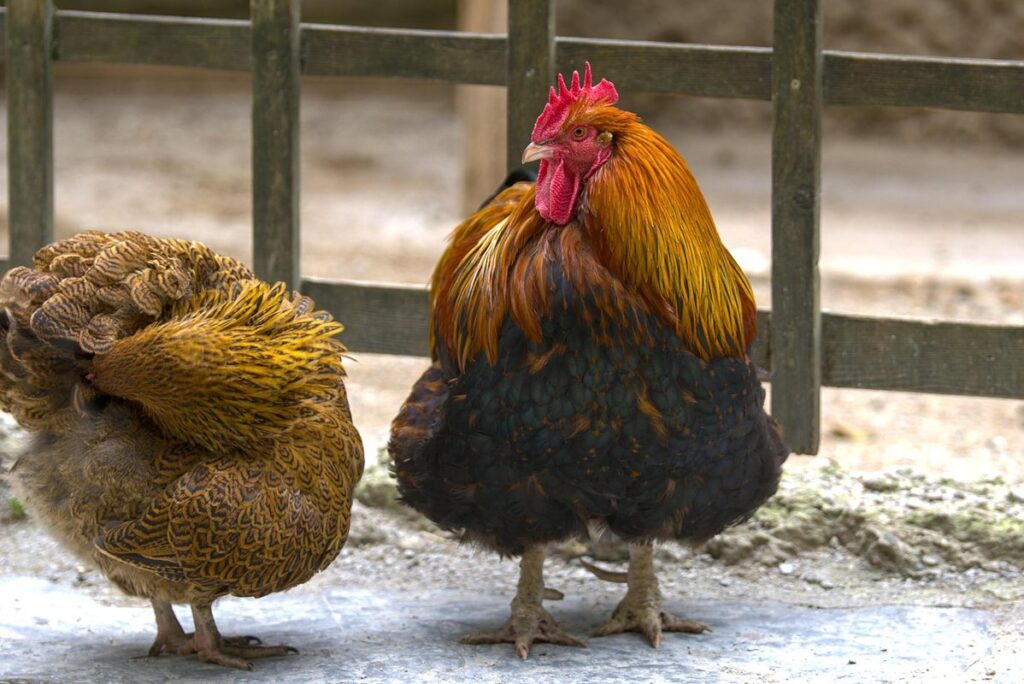
Wyandotte hens are renowned for their striking plumage patterns and vibrant colors, making them a favorite among backyard chicken enthusiasts. One of the most distinctive features of these birds is their rose-combed heads, which add to their overall charm.
There are several recognized varieties of Wyandotte hens, each with its own unique color pattern and characteristics. Some of the most common include:
• Silver: Features a silvery-gray coat with a slightly darker back and wings.
• Golden: Exhibits a rich golden-brown plumage with a warm, sun-kissed appearance.
• Jubilee: Boasts a stunning combination of black, white, and gold feathers, creating a striking visual effect.
In addition to these recognized varieties, Wyandotte hens can also display a range of subtle color variations. For instance, some birds may have a subtle sheen or glaze to their feathers, while others may exhibit a more muted or washed-out appearance.
When selecting a Wyandotte hen for your flock, it’s essential to consider the bird’s overall health and temperament in addition to its plumage pattern and color. With proper care and attention, these beautiful birds will thrive and provide years of enjoyment as pets.
Size and Body Type
Wyandottes are known for their impressive size and sturdy build. According to the breed standard, hens typically weigh between 5-7 pounds (2.3-3.2 kg), with some individuals reaching up to 9 pounds (4 kg). The overall appearance is robust and compact, with a deep, full breast and well-sprung ribs.
In terms of body type, Wyandottes have a broad, rounded back and a short, sturdy tail. Their wings are carried low, giving them a somewhat pigeon-like appearance. This unique body shape contributes to their impressive size and allows for efficient egg-laying.
One key characteristic of the breed is its size variation between hens and roosters. While hens tend to be slightly smaller than roosters, both sexes share the same sturdy build and robust overall appearance. When selecting a Wyandotte hen, it’s essential to look for birds with a well-balanced, compact body and a strong breast.
In addition to size and body type, Wyandottes also boast impressive feathering. Their plumage is dense and soft, with a beautiful sheen that catches the light. The breed comes in a variety of colors, including silver-penciled, black, blue, buff, golden-laced, and more.
Temperament and Personality of Wyandotte Hens
When it comes to personality, Wyandotte hens are known for their lively and affectionate nature, making them a great choice for backyard flock owners who want friendly companions. They’re also quite vocal!
Friendly and Affectionate Nature
Wyandotte hens are renowned for their exceptional temperament, particularly when it comes to their affectionate and friendly nature with their owners. This remarkable trait makes them a favorite among backyard chicken enthusiasts who desire more than just egg-laying machines – they crave companionship.
One notable aspect of Wyandotte’s personality is their tendency to imprint on their owners. This means that the hens will often form strong bonds with the people in charge of their care, becoming quite demanding and expecting attention and interaction in return. If you’re looking for a chicken that will follow you around the yard or snuggle up next to you, the Wyandotte is an excellent choice.
Their friendly demeanor also makes them suitable for families with children. With proper introduction and socialization, Wyandotte hens can become gentle and patient companions for kids, teaching them valuable lessons about animal care and responsibility. However, as with any pet, it’s essential to supervise interactions between children and chickens to ensure everyone’s safety and well-being.
To foster a strong bond with your Wyandotte hen, be sure to spend quality time with her daily, offering treats and affection in equal measure. With their friendly and affectionate nature, the Wyandotte hen is an excellent addition to any backyard flock or family farm.
Active and Curious Behavior
Wyandotte hens are known for their energetic and curious nature, making them a joy to have around. One of the most distinctive characteristics of this breed is their love for exploration. They are always eager to investigate new sights, smells, and sounds, which can sometimes get them into mischief if not properly supervised.
You’ll often find your Wyandotte hen roaming freely in the yard, scratching at the ground and pecking at bugs with abandon. This behavior not only helps keep their feathers clean but also provides essential exercise to maintain their physical health. To encourage this natural behavior, provide a spacious run or enclosure where they can roam safely.
It’s also crucial to provide plenty of stimulation through toys and activities to keep your Wyandotte hens engaged and active. Consider adding scratching posts, foraging toys, or puzzle feeders to challenge them mentally. This will help channel their energy into productive activities rather than destructive ones. With proper care and attention, you can harness the unique qualities of your Wyandotte hen’s active and curious nature to create a happy and healthy flock.
Care and Management of Wyandotte Hens
To keep your Wyandottes happy and healthy, it’s essential to understand their specific care needs and management requirements. This includes feeding, housing, and health considerations tailored to this breed.
Housing Requirements
When it comes to providing suitable housing for your Wyandotte hens, there are several key factors to consider. First and foremost, you’ll want to ensure that they have enough space to move around comfortably. A general rule of thumb is to provide at least 3-4 square feet of floor space per hen inside the coop, with additional space in the run for exercise.
But space isn’t the only consideration – ventilation is also crucial. Wyandotte hens are prone to respiratory issues if they don’t have adequate airflow. Aim for a minimum of 2 inches of ventilation per hen, and make sure that any windows or vents are secure and predator-proof. You’ll also want to consider the temperature extremes in your area and provide adequate insulation to keep your girls cool in summer and warm in winter.
In terms of specific housing requirements, it’s worth noting that Wyandotte hens are relatively low-maintenance when it comes to coop size. A simple, sturdy coop with a secure door will suffice, as long as it provides ample space for nesting boxes (one per 3-4 hens) and roosting bars.
Nutrition and Health Considerations
Wyandotte hens have specific dietary needs that are crucial to their health and well-being. A balanced diet rich in nutrients is essential for maintaining their energy levels, promoting healthy feathers, and supporting their immune system. As a Wyandotte hen owner, it’s recommended to provide your birds with a high-quality layer feed as their main staple, supplemented with fresh fruits and vegetables daily.
In terms of nutrition, ensure that the layer feed you choose contains around 16-18% protein to meet the hens’ energy requirements. You can also offer treats such as mealworms or sunflower seeds in moderation, as they provide essential vitamins and minerals.
Common health issues affecting Wyandotte hens include respiratory problems, mites, and lice infestations. Regular vaccinations and parasite control measures are vital to maintaining the flock’s overall health. Keep an eye out for signs of illness, such as labored breathing or excessive scratching, and seek veterinary advice if you suspect any health issues.
It’s also essential to provide a safe and clean environment by ensuring good ventilation, regular cleaning of coops, and proper waste management. This will help prevent the spread of diseases and maintain your flock’s overall well-being.
Egg-Laying Capabilities of Wyandotte Hens
One of the most exciting aspects of owning a flock of Wyandottes is their prolific egg-laying, but how many eggs can you expect from these beautiful birds? Let’s dive into their impressive egg-laying capabilities.
Average Daily Production
Wyandotte hens are known for their impressive egg-laying capabilities. On average, a healthy Wyandotte hen can lay around 200-220 eggs per year. However, the daily production of eggs is where things get more interesting. Studies have shown that a Wyandotte hen can lay anywhere from 5 to 7 eggs in a week, which translates to about 1-2 eggs per day.
To give you a better idea, let’s consider some real-life examples. A study conducted on a small farm found that their Wyandotte hens averaged around 1.4 eggs per day over the course of a year. Another example from a backyard flock showed that their Wyandotte hens laid an average of 6-8 eggs in a week, which works out to about 1 egg every other day.
It’s worth noting that these numbers can vary depending on factors such as diet, health, and age. A well-fed and cared-for Wyandotte hen will naturally produce more eggs than one that is neglected or malnourished. With proper care, you can expect your Wyandotte hens to be reliable egg producers for many years to come.
Characteristics of Wyandotte Eggs
Wyandotte hens are known for their exceptional egg-laying capabilities, but what about the quality and characteristics of their eggs? As an owner of Wyandottes, you’ll be delighted to know that their eggs boast a unique set of features.
One of the standout characteristics of Wyandotte eggs is their size. On average, they range from large to extra-large, with some breeds producing eggs as big as 2.5 inches in diameter. This is due to the hen’s high egg production rate, which averages around 200-220 brown eggs per year. When it comes to shell quality, Wyandotte eggs are renowned for their thick, smooth shells that provide excellent protection for the developing embryo inside.
In terms of shape, Wyandotte eggs tend to be more oval than round, with a slight taper at the large end. This unique shape is not only aesthetically pleasing but also allows for easier cracking and handling. Overall, the combination of size, shell quality, and shape make Wyandotte eggs a joy to collect and cook with.
If you’re an avid baker or cook, you’ll appreciate the rich brown color of Wyandotte eggs, which adds a delightful depth of flavor to any dish. Whether scrambled, fried, or baked into a cake, Wyandotte eggs are sure to impress.
Raising and Breeding Wyandotte Hens
If you’re ready to bring these stunning birds into your flock, learn how to raise and breed healthy, happy Wyandotte hens that will thrive in any backyard setting. This section covers essential tips for successful breeding.
Tips for Beginners
Raising and breeding Wyandotte hens can be an incredibly rewarding experience, but it’s essential to get started on the right foot. As a beginner, you’re likely to have questions about handling and caring for these magnificent birds. First and foremost, it’s crucial to understand that Wyandottes are known for their friendly and docile nature, making them an excellent choice for backyard flocks. However, they still require gentle handling and care.
When introducing yourself to your Wyandotte hens, move slowly and calmly around them, allowing them to become familiar with your presence. Start by offering treats, such as scratch grains or fresh fruits, to help build trust. As you handle them, be mindful of their delicate feathers and avoid sudden movements that might startle them.
Some essential tips for beginners include:
* Always wash your hands before handling the hens
* Keep the coop clean and well-ventilated to prevent respiratory issues
* Provide a balanced diet rich in calcium and protein to support healthy growth and egg-laying
By following these simple guidelines, you’ll be well on your way to establishing a strong bond with your Wyandotte hens and setting them up for success.
Advanced Breeding Techniques
When it comes to breeding Wyandotte hens, many backyard chicken keepers may feel overwhelmed by the thought of advanced techniques. However, with a solid understanding of the basics and some patience, you can take your flock to the next level. One technique worth exploring is linebreeding. This involves mating birds that are closely related, such as parents and offspring or siblings, to emphasize desirable traits.
To get started with linebreeding, you’ll need to keep detailed records of your birds’ ancestry and performance. This will allow you to identify patterns and make informed decisions about which pairs to breed together. For example, if you have a Wyandotte hen that consistently lays large eggs and shows exceptional temperament, you may choose to breed her with one of her offspring or a sibling to emphasize these traits.
When selecting birds for linebreeding, look for individuals that exhibit the characteristics you want to pass on to future generations. It’s also essential to consider factors like fertility, egg quality, and overall health when making your selections.
Conclusion: Why Choose Wyandotte Hens?
Now that you’ve learned all about Wyandotte hens, let’s summarize why these lovely birds make excellent additions to any backyard flock. Here are some key reasons to choose Wyandottes.
Summary of Key Points
Wyandotte hens have proven to be an excellent choice for backyard chicken keepers and farmers alike. They possess a unique combination of desirable traits that make them stand out from other breeds. In this ultimate guide, we’ve explored the characteristics, care, and benefits of Wyandotte hens in detail.
Let’s recap some of the key points: Wyandottes are known for their striking appearance, with beautiful plumage and a wide range of colors to choose from. They’re also friendly, docile, and relatively easy-going, making them an ideal breed for families or those new to chicken keeping. In terms of egg-laying capabilities, Wyandottes are reliable layers, producing an average of 200-220 brown eggs per year.
When it comes to care, Wyandottes require a moderate level of maintenance. They need regular feeding, watering, and exercise, but are generally hardy birds that can adapt to a variety of environments. With proper attention and care, Wyandotte hens can thrive in backyard flocks or small-scale farming operations, providing a reliable source of fresh eggs and entertainment for years to come.
By considering these characteristics and benefits, you’ll be well-equipped to decide whether Wyandotte hens are the right fit for your needs. With their unique combination of appearance, temperament, and egg-laying capabilities, it’s no wonder why many chicken keepers choose Wyandotte hens as a top breed choice.
Final Thoughts on Their Unique Appeal
Wyandotte hens have carved out a special place in the hearts of many backyard chicken enthusiasts and small-scale farmers. Their unique appeal can be attributed to several factors that set them apart from other breeds. One reason is their stunning appearance – their iridescent feathers, vibrant colors, and striking patterns make them a visual delight in any backyard flock.
Their friendly and docile nature also makes them an ideal choice for families with children or those new to raising chickens. Wyandotte hens are known to be easy-going and laid-back, which makes them a pleasure to care for. Their gentle disposition and willingness to interact with humans make them a great addition to any backyard flock.
Another reason why Wyandotte hens stand out is their egg-laying abilities – they produce an average of 200-220 large brown eggs per year, making them a reliable choice for families who rely on their eggs as a source of fresh produce. Overall, it’s no wonder that Wyandotte hens have become a popular choice among backyard chicken enthusiasts and small-scale farmers.
Frequently Asked Questions
How do I choose the right Wyandotte hen for my small-scale egg production needs?
When selecting a Wyandotte hen, consider factors such as egg-laying capabilities, temperament, and plumage coloration to ensure you’re getting the best bird for your specific needs. Look for breeders who prioritize these characteristics and can provide guidance on choosing the right hen.
Can I raise Wyandotte hens in cold climates?
Yes. While Wyandotte hens originated from a temperate climate, they have adapted well to colder environments. However, it’s essential to provide adequate shelter, insulation, and nutrition to ensure their health and well-being during harsh winters.
How often should I collect eggs from my Wyandotte hen flock?
Collect eggs daily to maintain cleanliness and prevent breakage. This frequency also helps you monitor egg production, identify any potential issues, and keep your hens healthy and happy.
What’s the best way to manage mites and other external parasites in my Wyandotte hen coop?
Regularly inspect your hens for signs of mites or lice, and use integrated pest management techniques such as dusting with diatomaceous earth, improving ventilation, and providing a clean living environment. This will help minimize the risk of parasite infestations.
Can I breed Wyandotte hens for show quality?
Yes. With careful selection, proper breeding practices, and attention to detail, you can produce high-quality show birds. Focus on breeding Wyandottes with exceptional plumage coloration, size, and body type, while also considering their temperament and egg-laying abilities.