
If you’re considering adding some majestic flair to your backyard flock, or perhaps looking to improve your chances at the next big chicken show, you’ve probably heard whispers about the esteemed Wyandotte Silver Laced breed. With their stunning silver-gray plumage and iridescent sheen, it’s no wonder these birds have captivated poultry enthusiasts for generations. But what makes them truly special? In this article, we’ll delve into the rich history of the Wyandotte breed, exploring its origins and characteristics that set it apart from other chicken varieties. Whether you’re a seasoned breeder or just starting your journey with chickens, we’ll provide expert tips on how to raise and care for these magnificent birds, including breeding strategies and show preparation techniques to bring out their full glory.
Characteristics and History
The Wyandotte Silver Laced breed has a rich history dating back over a century, and it’s fascinating to explore its origins and evolution. Let’s dive into the unique characteristics that set this beautiful bird apart.
Origins of the Breed
The origins of the Wyandotte breed date back to the mid-19th century in North America. Specifically, it is believed that the breed was developed in the 1860s by crossing various breeds with the old English Game Fowl, which were brought to the United States by European settlers. One of the key regions where the breed was developed was Michigan, and it’s said that the name “Wyandotte” comes from the Native American tribe that once inhabited this area.
As a result of these early crossbreeding efforts, the Wyandotte breed gained popularity for its distinctive appearance and temperament. However, like many breeds, the Wyandotte underwent significant changes over time in response to shifting consumer demands and advances in poultry breeding techniques. By the late 19th century, the Silver Laced variety had become particularly well-known for its striking silver-gray plumage and gentle disposition.
Today’s Wyandotte Silver Laced chickens are a testament to this breed’s rich history and versatility. Whether you’re an experienced chicken keeper or just starting out, understanding the origins of your flock can be a rewarding experience that helps deepen your connection with these wonderful birds.
Physical Description
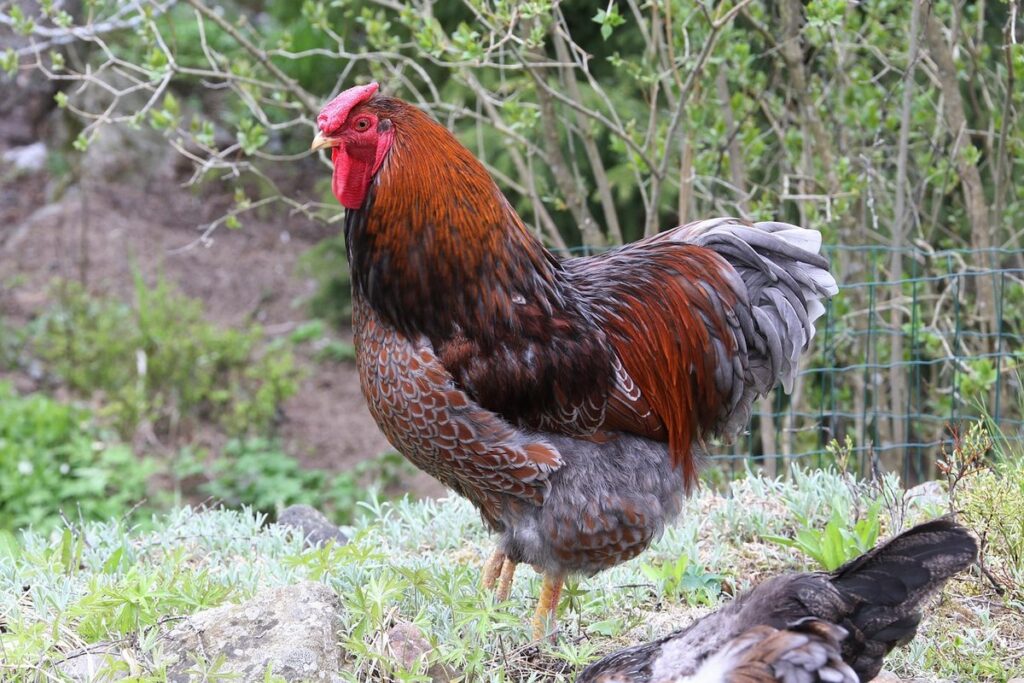
One of the most striking features of the Silver Laced Wyandotte is its stunning plumage. Its feathers are a beautiful blend of silver and black, with lacy patterns that give it an iridescent sheen in the right light. The overall effect is one of sleek elegance, making this breed a standout at any poultry show or backyard coop.
But it’s not just the coloration that sets the Silver Laced Wyandotte apart – its beak shape and leg color are also distinctive. Like other breeds within the Wyandotte family, the Silver Laced has a strong, straight beak that is well-suited to pecking at grain or scratching in the dirt for insects. Its legs, meanwhile, are a deep slate grey, which adds to the overall sense of refinement and poise.
In terms of practicality, the Silver Laced Wyandotte’s physical characteristics make it well-suited to life on a small farm or homestead. With its hardy constitution and ability to thrive in cold climates, this breed is perfect for backyard farmers who want a low-maintenance yet high-reward egg layer.
Temperament and Personality
Wyandotte Silver Laced chickens are known for their unique and endearing personalities. They are often described as gentle giants, with a calm demeanor that makes them an excellent choice for families and first-time chicken keepers. In terms of interacting with humans, Wyandottes are extremely friendly and social birds. They love to be around people and will frequently seek out attention and affection.
One of the standout characteristics of Silver Laced Wyandottes is their adaptability to different environments. These chickens can thrive in small backyards or large farms, as long as they have a safe and comfortable place to roam. They are also relatively quiet compared to other breeds, which makes them an excellent choice for suburban neighborhoods.
In terms of interactions with other animals, Wyandottes tend to get along well with dogs, cats, and other chickens. However, it’s essential to socialize your Silver Laced Wyandotte from a young age to ensure they grow up to be confident and calm in the presence of other animals. With proper care and attention, these magnificent birds will reward you with years of loyal companionship and entertaining personalities.
Raising and Caring for Silver Laced Wyandottes
Caring for your Silver Laced Wyandotte chicks requires attention to detail, as they grow into stunning birds that demand regular exercise and social interaction. This section will guide you through their unique needs.
Nutrition and Diet
When it comes to feeding your Silver Laced Wyandottes, providing the right nutrients is crucial for their overall health and well-being. These birds have specific dietary needs that differ from other breeds, so it’s essential to understand what they require.
A balanced diet should consist of a mix of protein, calcium, and vitamins. As layers, Silver Laced Wyandottes need about 16-18% protein in their feed. You can achieve this by using a high-quality layer feed or by supplementing with mealworms and crickets. However, be sure not to overfeed, as this can lead to health issues.
To ensure your birds are getting the right amount of calcium, provide crushed oyster shells or dark leafy greens like kale and spinach. These will help strengthen their eggshells and promote overall bone health. Also, consider adding probiotics to their feed to maintain a healthy digestive system.
Some other dietary tips to keep in mind: limit treats to about 10% of their daily diet, avoid giving them too much processed food or sugar, and provide fresh water at all times.
Health Considerations
As you care for your Silver Laced Wyandottes, it’s essential to be aware of potential health issues that can affect this breed. One common problem is obesity, which can lead to a range of other complications, including heart disease and diabetes. To prevent obesity, ensure your birds have access to plenty of space to roam and exercise, and provide a balanced diet that meets their nutritional needs.
Regular monitoring for signs of illness or disease is also crucial. Keep an eye out for changes in appetite, droppings, or behavior, as these can be early indicators of problems. For example, if your birds are eating less or more than usual, it may indicate digestive issues or even a bacterial infection.
In terms of specific health concerns, Silver Laced Wyandottes can be prone to respiratory problems, such as bronchitis and pneumonia, due to their compact body type. They’re also susceptible to mites and lice infestations, which can cause discomfort and stress for the birds. To minimize these risks, keep your coop clean and well-ventilated, and regularly check your birds’ plumage for signs of pests.
Housing and Environmental Needs
When it comes to housing and environmental conditions for your Silver Laced Wyandottes, it’s essential to provide them with a safe and comfortable space that meets their specific needs. One of the most critical factors is space – these birds need room to move around and exercise freely. A good rule of thumb is to allocate at least 3-4 square feet per bird inside the coop, plus an additional 8-10 square feet in the run.
Proper ventilation is also crucial to maintain a healthy environment for your flock. Silver Laced Wyandottes are prone to respiratory issues if the air quality is poor, so ensure that your coop has adequate airflow and is well-ventilated. You can achieve this by installing windows or using vents specifically designed for coops.
In addition to space and ventilation, cleanliness is vital to keep your birds happy and healthy. Ensure that you clean the coop regularly, removing any waste or debris that may accumulate. It’s also essential to provide adequate nesting boxes – Silver Laced Wyandottes are prolific layers, so plan accordingly by allocating one box per 3-4 hens.
Some practical advice is to consider the following when building or designing your coop:
* Use natural materials like wood for a more pleasant environment
* Incorporate plants and greenery to purify the air and provide shade
* Avoid using metal cages or enclosures that can cause stress and injury
Breeding and Showing Silver Laced Wyandottes
If you’re interested in breeding or showing Silver Laced Wyandottes, learning their specific requirements is essential to raising top-quality birds. This section will walk you through the process of breeding and showing these stunning chickens.
Selecting a Breeders and Choosing Stock
When it comes to selecting a breeder and choosing high-quality stock for your Wyandotte Silver Laced chickens, there are several factors to consider. First and foremost, research potential breeders thoroughly. Look for those with experience breeding Wyandottes specifically, as they will have a deeper understanding of the breed’s unique characteristics. Check for online reviews, ask for referrals from other chicken enthusiasts, and don’t be afraid to contact the breeder directly with questions.
When evaluating chicks or pullets, look for those that are active, alert, and demonstrate good growth rates. Healthy birds should have bright, shiny feathers, clear eyes, and strong legs. Avoid any birds with signs of illness, injury, or deformity. It’s also essential to choose birds from a reputable breeder who prioritizes health, temperament, and genetic diversity.
When choosing stock, prioritize genetics over appearance. Select birds that exhibit the Wyandotte Silver Laced breed standard, but also consider their egg-laying abilities, foraging skills, and overall hardiness. A good breeder will be transparent about the bird’s lineage, provide health guarantees, and offer support throughout the breeding process.
Breeding Program Management
Managing a breeding program for Silver Laced Wyandottes requires careful consideration of genetics, selection criteria, and record-keeping. This ensures that you’re producing high-quality birds that meet the breed standard while maintaining genetic diversity.
Start by establishing clear goals for your breeding program, such as improving egg production or enhancing feather quality. Next, develop a system for tracking individual bird performance, including egg laying records, weight, and feather condition. This will help you identify top performers and make informed selection decisions.
When selecting birds for breeding, consider both physical characteristics and temperament. For Silver Laced Wyandottes, look for birds with well-defined silver hackle feathers, clean legs, and a friendly demeanor. It’s also essential to maintain genetic diversity by introducing new bloodlines and avoiding inbreeding.
To streamline record-keeping, use a spreadsheet or dedicated software to track bird performance, health records, and breeding history. This will enable you to make data-driven decisions and refine your selection criteria over time. Regularly reviewing your program’s progress will help you identify areas for improvement and optimize the production of high-quality Silver Laced Wyandottes.
Preparing for Shows
When it’s time to show off your prized Silver Laced Wyandottes, preparation is key. To ensure your birds make a winning impression, focus on grooming, handling, and presentation techniques.
Grooming starts with cleanliness – a dusty or dirty bird will not win any points. Keep your Silver Laced Wyandotte’s coop clean, change bedding regularly, and give them access to fresh water and food at all times. Regularly check their feathers for mites, lice, and dirt accumulation, particularly around the beak, eyes, and vents.
To enhance presentation, practice handling techniques with your birds well before a show. This includes gentle yet firm grasping of the legs, supporting the body, and keeping the wings tucked in. Familiarize yourself with breed standards to know what judges are looking for – balance, posture, and plumage quality. Keep your bird’s movement calm and steady when walking it around the show pen.
Eggs and Meat Production from Silver Laced Wyandottes
If you’re thinking of raising Silver Laced Wyandottes for eggs and meat, you’ll want to know how these birds perform in both roles. We’ll break down their egg-laying capabilities and meat production qualities here.
Egg Production Characteristics
When it comes to egg production, Silver Laced Wyandottes are known for their impressive capabilities. On average, a mature hen will lay around 200-220 brown eggs per year, which is quite remarkable considering the breed’s origins as a show bird rather than a commercial layer.
The eggs themselves are medium to large in size, with an oval shape and a smooth, textured surface. One of the most distinctive features of Silver Laced Wyandotte eggs is their rich, dark brown color, which ranges from a deep chocolate hue to a more mottled brown tone. The eggshell is also relatively thick, which helps to ensure the quality and integrity of the contents inside.
In terms of egg quality, Silver Laced Wyandottes are known for producing eggs with a firm white or light-brown yolk, surrounded by a clear, jelly-like substance called albumen. This makes their eggs well-suited for baking, cooking, and other applications where egg whites and yolks are separated.
Overall, the Silver Laced Wyandotte’s impressive egg-laying capacity, combined with its unique egg characteristics, make it an excellent choice for backyard chicken keepers who want to produce high-quality eggs at home.
Meat Quality and Yields
When it comes to raising Silver Laced Wyandottes for meat production, breeders and farmers are often pleased with their results. These birds have a moderate growth rate, which makes them suitable for a variety of production systems. On average, a Silver Laced Wyandotte will reach market weight in around 16-18 weeks.
One of the most notable advantages of raising Silver Laced Wyandottes is their feed conversion ratio (FCR). Research has shown that these birds have an impressive FCR of around 1.7:1, which means they convert approximately 70% of their feed into meat. This efficiency can lead to significant cost savings for farmers.
In terms of meat yield, Silver Laced Wyandottes are known to produce a high percentage of breast and thigh meat. In fact, one study found that these birds yielded around 80% breast meat, making them an excellent choice for producers looking to maximize their returns on investment.
To optimize meat production from your Silver Laced Wyandottes, be sure to provide a balanced diet rich in protein and nutrients. This will help ensure that your birds reach their full growth potential and produce the highest-quality meat possible. With proper care and management, Silver Laced Wyandottes can be a valuable addition to any poultry operation.
Breeding and Genetics of the Silver Laced Variety
When it comes to raising a top-notch flock, understanding the breeding and genetics behind the silver laced variety is essential for success. This section will delve into the intricacies of their unique characteristics.
Genetic Background and Diversity
The genetic background of Wyandotte Silver Laced chickens is complex and contributes to their distinctive silver laced pattern. The breed’s genetics are a result of selective breeding over the years, which has led to a unique combination of genes that produce the striking appearance of these birds.
Genetic diversity is crucial in any poultry breed to prevent issues related to inbreeding. Inbreeding can lead to reduced fertility, increased susceptibility to diseases, and even birth defects. However, maintaining genetic diversity can be challenging, especially when breeding for specific traits like the silver laced pattern. To mitigate this risk, it’s essential to introduce new bloodlines into your flock regularly.
When selecting parents for breeding, look for birds with a strong, consistent expression of the silver laced pattern. Aim to breed from at least three or more unrelated birds to maintain genetic diversity and minimize inbreeding risks. Additionally, consider DNA testing to identify potential genetic issues before introducing new birds to your flock. By being mindful of genetics and taking steps to manage inbreeding, you can help preserve the health and integrity of your Wyandotte Silver Laced flock.
Linebreeding and Selection Strategies
When breeding and genetics enthusiasts talk about linebreeding and selection strategies for the Wyandotte Silver Laced breed, they’re referring to the intentional process of choosing specific birds with desirable traits and mating them to enhance those characteristics in their offspring. This method allows you to concentrate on improving your flock’s quality while maintaining its unique features.
To get started, focus on selecting a small group of high-quality individuals that embody the Silver Laced breed standards. Look for roosters and hens with exceptional feather pattern, excellent temperament, and outstanding egg-laying abilities. These birds will be the foundation of your breeding program.
Once you’ve identified your top performers, create a systematic mating plan to combine their desirable traits in the next generation. This may involve crossing siblings or carefully chosen grandparents to achieve specific genetic combinations. Keep detailed records of your breeding efforts to track progress and identify areas for improvement.
By applying these linebreeding and selection strategies, you can make significant strides in refining the Wyandotte Silver Laced breed while preserving its charming characteristics. Remember to always prioritize animal welfare and ensure that your birds are healthy and well-cared for throughout the process.
Tips and Best Practices for Silver Laced Wyandotte Keepers
To get the most out of keeping your Silver Laced Wyandottes, it’s essential to learn a few expert tips on their specific needs and behaviors. With these best practices, you’ll be well on your way to happy and healthy birds.
New Owner Advice and Resources
Congratulations on bringing home your first Silver Laced Wyandotte! These stunning birds can bring immense joy and entertainment to your backyard. As a new owner, it’s essential to integrate them smoothly into your flock to ensure a harmonious coexistence.
When introducing Silver Laced Wyandottes to an existing flock, start by letting them meet through a fence or gate initially. This will allow them to get accustomed to each other’s presence without the risk of an immediate face-to-face encounter. Once they seem comfortable with each other’s presence, you can gradually introduce them under close supervision.
Some essential resources for learning more about your Silver Laced Wyandottes include reputable websites like the American Bantam Association (ABA) and online forums dedicated to backyard chicken keeping. These platforms offer valuable insights from experienced breeders and owners, as well as tips on health, nutrition, and egg production.
Additionally, consider consulting local poultry experts or taking a beginner’s poultry-keeping course to gain hands-on experience in caring for your new feathered friends. With proper guidance and attention, you’ll be well-equipped to provide the best possible care for your Silver Laced Wyandottes.
Breed-Specific Considerations
When it comes to keeping Silver Laced Wyandottes, there are several breed-specific considerations that you should be aware of. One key factor is their high energy levels and love for activity. These birds require regular exercise and stimulation to prevent boredom and stress, which can lead to feather pecking and other behavioral issues.
To address this need, it’s essential to provide your Silver Laced Wyandottes with a spacious run or enclosure that allows them to move freely. You should also consider providing toys and activities that challenge their minds and bodies, such as foraging games, puzzle feeders, and climbing structures. In addition, plan for regular breaks and opportunities for exercise outside of their coop.
Their gentle nature makes Silver Laced Wyandottes an excellent choice for families with children or as pets for those who live in smaller spaces. However, they can be sensitive to extreme temperatures and humidity levels, so ensure your coop is well-ventilated and protected from harsh weather conditions.
It’s also worth noting that Silver Laced Wyandottes are prolific layers, producing up to 200 large brown eggs per year. This means you’ll need to consider their dietary needs carefully, providing a balanced layer feed that meets their nutritional requirements. By understanding these breed-specific considerations, you can provide your Silver Laced Wyandottes with the care and attention they need to thrive.
Frequently Asked Questions
How Do I Choose the Right Hatching Egg Suppliers for My Silver Laced Wyandotte Breeding Program?
When selecting hatching egg suppliers, research their breeders’ experience with the Silver Laced variety and ensure they have a good reputation. Look for reputable hatcheries that provide healthy eggs and offer a guarantee on viability and sexing accuracy.
What Are Some Common Health Issues to Watch Out for in My Silver Laced Wyandottes?
Common health issues in Silver Laced Wyandottes include respiratory problems, parasites, and feather pecking. Regular vaccinations, proper nutrition, and maintaining a clean coop can help prevent these issues. Monitor your flock closely for signs of illness and seek veterinary advice if you suspect any problems.
Can I Raise Silver Laced Wyandottes in a Small Backyard or Urban Setting?
While Silver Laced Wyandottes require space to roam, it’s possible to raise them in small backyards or urban settings with proper planning. Ensure you have enough space for exercise and provide enrichment activities to keep your birds stimulated.
How Do I Prepare My Silver Laced Wyandottes for Showing at a Local Poultry Show?
Prepare your birds for showing by following a strict feeding regimen, ensuring their plumage is well-groomed, and providing regular handling and socialization. Familiarize yourself with the breed standards and rules of the show to ensure you’re presenting your birds in the best possible light.
What Are Some Tips for Breeding Silver Laced Wyandottes with Specific Characteristics?
When breeding for specific traits like size or plumage quality, it’s essential to consider genetic diversity and not overlinebreed. Implement a breeding program that balances selection pressure with genetic diversity to avoid inbreeding depression.