
The majestic Wyandotte silver laced rooster is a true showstopper in the world of poultry. Its stunning appearance, with its iridescent feathers and delicate lace patterns, makes it a favorite among breeders and enthusiasts alike. But owning this beautiful bird comes with unique responsibilities – you’ll need to provide specialized care, optimize its breeding performance, and ensure its health is top-notch. In this article, we’ll delve into the world of Wyandotte silver laced roosters, covering their essential characteristics, specific care requirements, and expert breeding strategies. We’ll also share valuable tips on maintaining their health and optimizing their performance, so you can preserve the excellence of this beloved breed. Whether you’re a seasoned breeder or just starting out, this guide has got you covered!
Introduction to the Breed
The Wyandotte Silver Laced rooster is a stunning bird, but before we dive into its unique characteristics and needs, let’s start with the basics. This breed has been a favorite among chicken enthusiasts for centuries.
History and Origin of the Wyandotte
The Wyandotte breed has its roots in North America, dating back to the mid-19th century. This is where it all began for the majestic Silver Laced Rooster you know and love today. In the 1850s, farmers in the northeastern United States started experimenting with various chicken breeds, aiming to create a hardy, reliable bird capable of thriving in the harsh climate.
These early pioneers crossed European game fowl with domesticated chickens to create what would eventually become known as the Wyandotte breed. The result was a stunning combination of strength, intelligence, and striking plumage. As word spread about this remarkable new breed, farmers from across North America started taking notice and importing their own stock.
In no time at all, the Wyandotte breed had spread like wildfire across the continent, adapting to different climates and environments with ease. Today, you can find Silver Laced Roosters proudly sporting their gleaming coats in backyard flocks and large-scale poultry farms alike – a testament to the enduring legacy of this incredible breed.
Key Characteristics of the Wyandotte Rooster
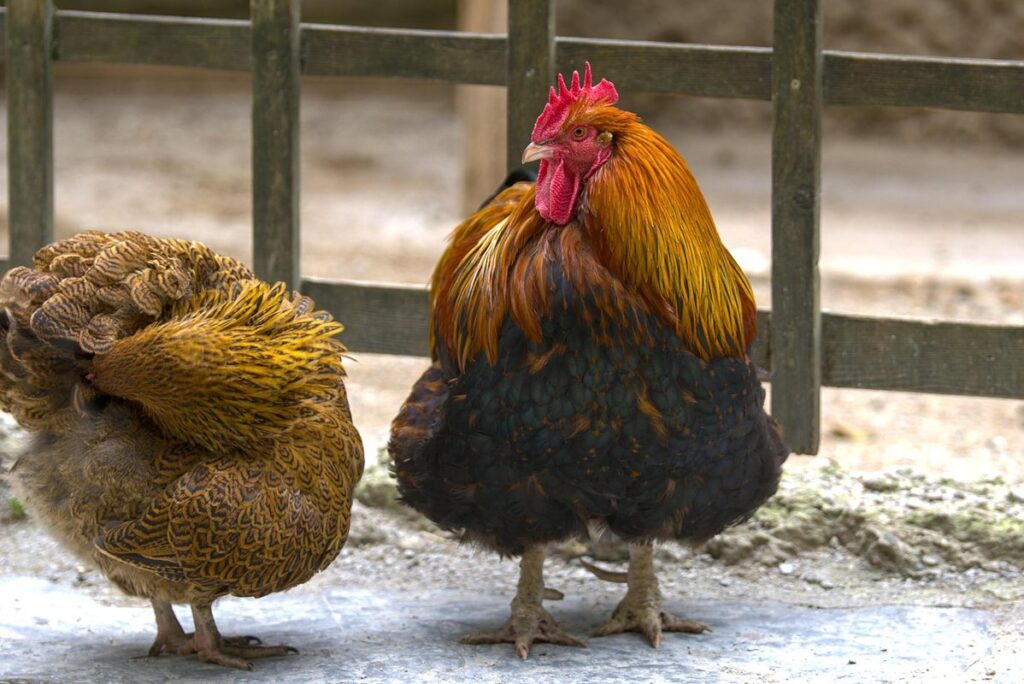
When it comes to identifying a Wyandotte rooster, several key characteristics set them apart from other breeds. First and foremost, their plumage is one of the most distinctive features. The Wyandotte Silver Laced rooster boasts beautiful, even lacing on its feathers in a delicate silver color. This pattern gives them a stunning appearance, especially when they strut around the farm or yard.
In terms of beak shape, the Wyandotte rooster has a relatively long, straight beak that is perfectly suited to pecking at grain and other food sources. Their overall appearance is also quite striking – with a rounded body, well-feathered neck, and sturdy legs. When compared to other breeds, the Wyandotte rooster tends to stand out due to its impressive size, weighing in around 8-10 pounds.
One of the easiest ways to identify a Wyandotte rooster is by paying attention to these physical characteristics – their striking plumage, long beak, and robust build. With practice, you’ll become an expert at spotting one of these magnificent birds.
Breed Standards and Classification
When it comes to Wyandotte Silver Laced Roosters, understanding their breed standards and classification is crucial for breeders and enthusiasts alike. Let’s explore how these factors contribute to their unique characteristics.
American Poultry Association (APA) Standards for the Wyandotte
When it comes to breeding and showing Wyandotte roosters, understanding the American Poultry Association (APA) standards is crucial. The APA is one of the primary governing bodies for poultry breed standards, and their guidelines serve as a benchmark for breed quality.
According to the APA, Wyandotte roosters must meet specific requirements in terms of size, plumage, and overall appearance. They should have a broad chest, well-rounded body, and a distinctive rose comb. The feathers on the neck, back, and wings should be long, flowing, and glossy, with a silver-laced pattern.
In terms of size, Wyandotte roosters should weigh between 9-12 pounds, with males being slightly larger than females. Their beak should be black, and their legs and feet should be clean and free from feathers.
When evaluating your Wyandotte rooster against APA standards, pay close attention to these key characteristics. By understanding the guidelines set forth by the APA, you’ll be better equipped to identify and breed high-quality birds that meet the standards for this iconic breed.
Characteristics Considered Essential for Show Qualification
To qualify for show competition as a Wyandotte Silver Laced rooster, you’ll need to ensure he meets specific characteristics outlined by the breed standard. This includes a strong and sturdy build with a broad chest, well-sprung ribs, and a deep breast. A good showing rooster will also have a balanced feathering pattern, with lacing on his hackles, saddle, and coverts that’s even in color and density.
When evaluating your Wyandotte Silver Laced rooster for show qualification, pay close attention to the quality of his feathers. They should be well-placed, smooth, and lie flat against his body. The silver-gray color should be rich and deep, with a subtle sheen that catches the light. Additionally, his legs and feet should be strong and clean, with four well-spread toes.
In terms of conformation, your rooster’s tail feathers should be long and flowing, carried in a gentle curve over his back. His wings should be strong and held close to his body when at rest, with the tips of his wing feathers reaching just past the end of his tail. With careful attention to these key characteristics, you can increase your chances of success in the show ring.
Silver Laced Variation: Unique Features and Traits
The Wyandotte silver laced rooster’s distinctive appearance is characterized by its iridescent feathers, which give off a subtle sheen in the right light. Let’s take a closer look at what makes this breed so unique.
Genetic Factors Contributing to the Silver Lacing
The silver lacing pattern on a Wyandotte rooster’s feathers is not just aesthetically pleasing, but it also holds significant importance for breeders and enthusiasts alike. The genetic factors contributing to this unique trait are fascinating, and understanding them can help you make informed decisions when selecting birds for breeding.
The genetic basis of the silver lacing pattern involves a complex interplay between several genes that control melanin production and distribution in feathers. Specifically, the interaction between the gene responsible for black pigment (B) and the gene regulating white pigment (W) creates the characteristic silver markings on the Wyandotte’s feathers. When the W gene is dominant, it masks the expression of the B gene, resulting in the characteristic silver-gray coloration.
To give you a better idea, let’s consider an example: if two birds with the silver lacing pattern are crossed, they have a 25% chance of producing offspring that inherit the recessive black gene and express a solid black color. This highlights the importance of understanding genetics when breeding Wyandotte roosters for specific traits.
By recognizing the genetic factors at play, you can make informed decisions about selecting birds with desirable characteristics, ultimately helping to preserve the integrity of this beautiful breed.
Distinctive Appearance of the Silver Laced Rooster
The silver lacing on a Wyandotte Silver Laced rooster is one of its most distinctive and attractive features. When fully mature, the bird’s feathers will display a beautiful, intricate pattern of black and white markings that create a striking visual effect.
To better understand the extent and pattern of the lacing, consider the following: the hackle feathers on the neck are typically solid black, while the breast feathers display wide, irregular-shaped black bars or patches on a light gray background. The wing coverts, belly feathers, and tail feathers all feature some degree of silver lacing as well.
It’s worth noting that the extent and pattern of lacing can vary from bird to bird. Some roosters may have more pronounced lacing, while others may display smaller, more subtle markings. However, regardless of the specific pattern, the overall effect is a stunning visual display that adds to the Wyandotte Silver Laced’s unique charm.
In general, the key to achieving this distinctive appearance lies in breeding for birds with robust, well-defined feathering and attention to detail in terms of coloration.
Care and Management of Wyandotte Roosters
To ensure your Silver Laced rooster stays healthy and happy, it’s essential to understand his unique care requirements, from nutrition to habitat. Proper management will make a significant difference in his well-being.
Nutritional Requirements and Dietary Considerations
Providing your Wyandotte roosters with a balanced diet is crucial for their overall health and well-being. As these birds are high-energy animals, they require a nutrient-rich diet to maintain their strength and vitality.
A good quality layer feed should be the main staple of their diet, but it’s essential to ensure that this feed is formulated specifically for roosters rather than hens. A layer feed designed for roosters will typically contain a higher protein content (around 18-20%) compared to a hen-specific feed. This increased protein will help support muscle growth and maintenance in your male birds.
In addition to their regular feed, Wyandotte roosters also benefit from access to fresh fruits and vegetables. Leafy greens such as kale, spinach, and collard greens are an excellent source of essential vitamins and minerals. You can also provide your roosters with small amounts of fruit like apples, berries, or citrus fruits.
To ensure that your Wyandotte roosters are getting the nutrients they need, it’s recommended to supplement their diet with a calcium-rich feed or crushed eggshells during breeding season. This will help support healthy bone growth and development in both the male birds and any potential offspring.
Housing and Environmental Conditions for Optimal Health
When it comes to keeping your Wyandotte Silver Laced rooster happy and healthy, providing optimal housing conditions is crucial. The recommended space requirements for a single rooster are around 2-4 square feet per bird, with a minimum of 10 square feet for multiple birds. This may seem small, but it’s essential to remember that roosters don’t need as much space to roam as hens do.
Proper ventilation is also vital in maintaining a healthy environment for your Wyandotte Silver Laced rooster. Ensure that the coop has adequate airflow by installing windows and vents that allow for cross-ventilation. You can also consider adding a fan to circulate air and keep the area cool during hot summer months.
In terms of sanitation, it’s essential to clean the coop regularly to prevent the buildup of bacteria and parasites. Remove soiled bedding material, disinfect all surfaces with a pet-safe cleaner, and replace with fresh bedding material. Regular cleaning will help maintain a clean and healthy environment for your rooster.
Breeding and Selection Strategies for Top-Quality Roosters
When selecting a rooster, breeding and selection strategies are crucial to ensure you’re getting top-quality birds that excel in performance and conformation. Here, we’ll walk you through the essential steps for choosing a superior Wyandotte Silver Laced Rooster.
Choosing a Suitable Mate: Important Factors to Consider
When selecting a mate for your Wyandotte program, it’s essential to consider several key factors. Start by examining the rooster’s physical characteristics, including his plumage quality, feather pattern, and overall conformation. A well-proportioned rooster with good tail carriage will significantly improve the breed standard of your offspring.
Another critical factor is the rooster’s temperament. A calm and docile rooster is more likely to be a better sire than one that is aggressive or flighty. Look for roosters that are friendly, curious, and easy to handle. This trait will not only make them easier to manage but also ensure that they pass on these desirable characteristics to their offspring.
Genetic diversity should also be a top priority when selecting a mate. Choose a rooster with a diverse pedigree, one that brings new traits and characteristics to your program. This will help prevent inbreeding and promote healthier, more resilient birds. When evaluating potential mates, prioritize quality over quantity and take the time to research each bird’s ancestry before making a decision.
Tips for Identifying Potential Genetic Strengths and Weaknesses
When it comes to identifying potential genetic strengths and weaknesses in your Wyandotte roosters, there are several factors to consider. A key aspect is evaluating the rooster’s physical characteristics, such as its plumage quality, feather density, and overall build. Observe how well the rooster’s feathers hold up against environmental stressors like heat, cold, and humidity.
Another crucial factor is the rooster’s performance in areas like fertility, egg-laying, and overall health. Look for signs of robustness, such as a strong immune system and good feather condition, which can be indicative of genetic resilience. You should also assess the rooster’s temperament and personality traits, as these can influence its ability to thrive in various environments.
To identify potential weaknesses, pay attention to any recurring issues within your breeding flock, such as susceptibility to certain diseases or parasites. Regularly monitoring your roosters’ behavior and physical condition will help you pinpoint areas for improvement and make informed breeding decisions that prioritize genetic diversity and strength.
Common Health Issues Affecting the Breed and How to Prevent Them
As a responsible Wyandotte Silver Laced Rooster owner, it’s essential to be aware of the potential health issues that can affect your bird and learn how to prevent them from occurring. Common problems include respiratory issues and feather loss.
Key Health Concerns Specific to Wyandotte Roosters
Wyandottes are prone to certain health issues due to their genetic makeup and environmental factors. One key concern is obesity, which can lead to a range of problems including heart disease, diabetes, and reproductive issues. This breed tends to gain weight easily, so it’s essential to monitor food intake and ensure regular exercise.
Respiratory problems are another issue specific to Wyandottes. Their large beaks and air sacs make them susceptible to conditions like bronchitis and pneumonia. Keeping their environment clean, providing plenty of ventilation, and ensuring they have access to fresh air can help mitigate these risks.
Additionally, Wyandottes may experience feather pecking or cannibalism due to stress or boredom. To prevent this, provide a stimulating environment with plenty of perches, toys, and scratching posts. Regular socialization and interaction with owners can also help reduce stress levels.
By being aware of these potential health concerns and taking proactive steps to address them, you can help keep your Wyandotte Silver Laced rooster healthy and thriving.
Strategies for Maintaining a Healthy Flock
Maintaining a healthy flock is crucial to preventing diseases and ensuring the overall well-being of your Wyandotte Silver Laced roosters. A solid disease prevention strategy starts with regular vaccinations and parasite control. Consult with a veterinarian experienced in poultry health to determine the best vaccination schedule for your birds.
Proper sanitation protocols are also essential in maintaining a healthy flock. Ensure that coops, runs, and feeding areas are cleaned regularly, especially after brood cycles or when introducing new birds. Disinfect all surfaces using a solution of one part white vinegar to nine parts water, and change bedding material frequently to prevent ammonia buildup.
Nutrition planning is critical in preventing health issues. Provide a balanced diet rich in protein, vitamins, and minerals. Consider supplementing their feed with calcium and oyster shells to support strong bone development. Ensure access to fresh, clean water at all times, and store it in covered containers to prevent contamination.
Regular monitoring of your birds’ overall health is key. Look for signs of illness such as labored breathing, lethargy, or changes in droppings. Consult with a veterinarian promptly if you notice any unusual behaviors or physical symptoms.
Conclusion: The Wyandotte Silver Laced Rooster’s Place in Modern Poultry Keeping
In conclusion, the Wyandotte Silver Laced rooster is an excellent addition to any backyard flock. Not only do they possess a stunning appearance with their iridescent feathers and silver lacing, but they also bring impressive qualities such as hardiness, friendly nature, and exceptional foraging skills. If you’re considering adding a rooster to your poultry keeping experience, the Wyandotte Silver Laced is definitely worth considering.
In terms of integrating them into your existing flock, it’s essential to remember that introducing new birds requires patience and careful planning. Be sure to quarantine your new bird before release to prevent the risk of disease transmission. With proper introduction techniques and a gradual transition period, you can ensure a harmonious coexistence between your Wyandotte Silver Laced rooster and other birds.
Ultimately, incorporating the Wyandotte Silver Laced into your flock will not only enhance their beauty but also enrich the diversity and overall health of your backyard poultry operation.
Frequently Asked Questions
What are the key differences between a Wyandotte Silver Laced rooster and a hen?
A Wyandotte Silver Laced rooster is known for its vibrant plumage, with iridescent feathers displaying a stunning silver lacing pattern. While hens share similar characteristics, they tend to have more subdued colors and may lack some of the rooster’s most striking features.
How do I identify potential genetic weaknesses in my Wyandotte Silver Laced breeding program?
When selecting parents for your breeding program, pay attention to factors like egg production, fertility rates, and overall health. Consider working with experienced breeders or veterinarians who can help you assess the genetic strengths and weaknesses of your birds.
What are some common health concerns specific to Wyandotte roosters, and how can I prevent them?
Wyandotte roosters are generally hardy birds but may be prone to issues like respiratory problems and heart conditions. Regular veterinary check-ups, proper nutrition, and a clean living environment can all help mitigate these risks.
Can I raise Wyandotte Silver Laced roosters in small backyard flocks or do they require large-scale commercial operations?
With proper care and management, Wyandotte Silver Laced roosters can thrive in smaller backyards. However, larger groups often provide more opportunities for socialization and exercise – essential factors for these active birds.
How long does it typically take to see the characteristic silver lacing on a young Wyandotte rooster’s feathers?
Young Wyandotte roosters may not display their full adult plumage until they’re about 6-12 months old. Be patient, as the development of the silver lacing pattern can be influenced by genetics and environmental factors.