
The Wyandotte Speckled is an intriguing breed that’s gaining popularity among backyard farmers and poultry enthusiasts. If you’re considering adding this unique bird to your flock, it’s essential to understand its rich history and characteristics. Originating in North America, the Wyandotte Speckled has been prized for its striking appearance and gentle nature.
In this comprehensive guide, we’ll delve into the breed’s fascinating past, exploring its development and significance. You’ll also learn about the Wyandotte Speckled’s physical attributes, including its plumage patterns and temperament. We’ll cover their housing needs, ensuring you provide the best environment for your birds to thrive. Whether you’re a seasoned poultry expert or just starting out, this article will equip you with the knowledge needed to successfully raise and care for these lovable Wyandotte Speckleds.
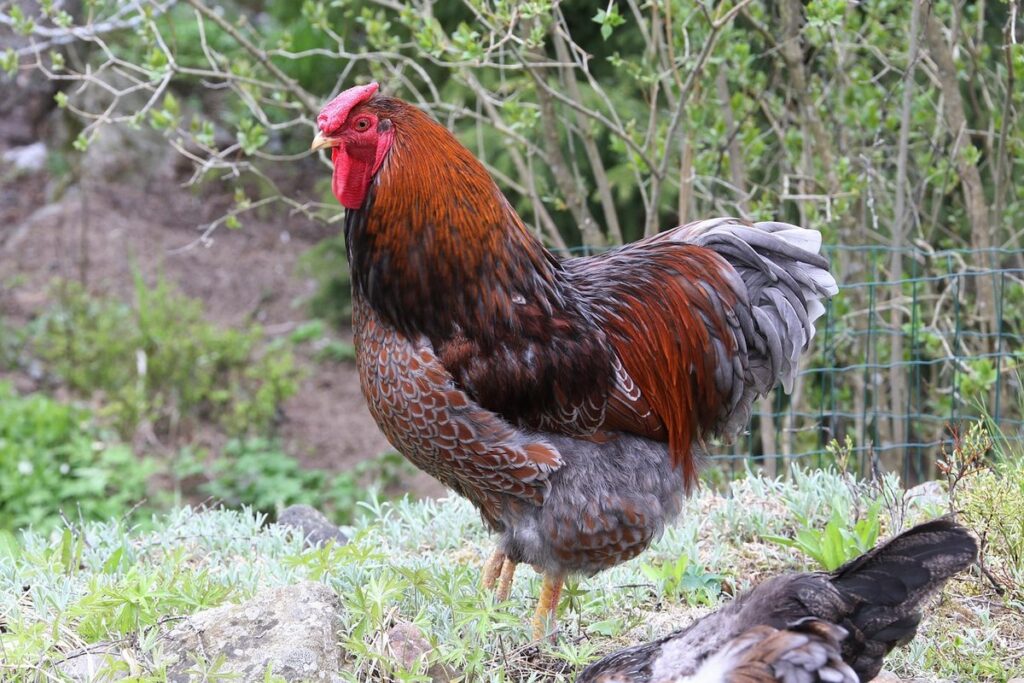
Introduction to the Wyandotte Speckled
The Wyandotte Speckled is a unique and charming breed of chicken, known for its striking appearance and endearing personality, making it a great addition to any backyard flock. Let’s dive into what makes this bird so special.
History and Origins of the Breed
The Wyandotte Speckled has its roots in the 19th century, when poultry enthusiasts first began experimenting with different breeds. The breed’s origins can be traced back to the state of New York, where it was developed as a distinct variety from the original American Game Fowl.
One of the key factors that contributed to the development of the Wyandotte Speckled was its striking appearance. Breeders were drawn to its unique speckling pattern and decided to focus on accentuating this feature. As a result, the breed became popular among poultry enthusiasts for its distinctive looks.
The Wyandotte Speckled’s popularity continued to grow throughout the late 19th century, with many breeders working to refine its characteristics. By the early 20th century, the breed had become well-established and was recognized by poultry associations.
Today, the Wyandotte Speckled remains a beloved breed among chicken enthusiasts for its unique appearance and rich history. If you’re considering adding this breed to your flock, be sure to do your research and understand what makes them special.
The Wyandotte Speckled’s distinctive speckling pattern is not just aesthetically pleasing – it also serves as a key identifier of the breed. Breeders should focus on preserving this characteristic when selecting for breeding stock.
By understanding the breed’s history, you can better appreciate its unique qualities and make informed decisions about how to care for your Wyandotte Speckled flock.
Key Characteristics of the Wyandotte Speckled
One of the most striking features of the Wyandotte Speckled is its unique physical appearance. In terms of size, this breed is considered medium to large, with roosters typically weighing between 5 and 7 pounds (2.3 to 3.2 kilograms) and hens weighing between 4 and 6 pounds (1.8 to 2.7 kilograms). Their plumage is what truly sets them apart, however, as they sport a distinctive speckled pattern on their feathers.
The Wyandotte Speckled’s beak shape is also noteworthy, with most birds sporting a medium-sized, slightly curved beak that’s well-suited for scratching and pecking at the ground. The breed’s leg color is usually a dull yellow or pale orange hue, which complements their speckled plumage nicely.
When it comes to recognizing this breed, there are several key characteristics to look out for. First and foremost, keep an eye out for that distinctive speckling on the feathers – it should be evenly spaced and cover most of the bird’s body. The legs, as mentioned earlier, will likely be a dull yellow or orange color, while the beak shape should be medium-sized with a slight curve to it.
Physical Characteristics and Health
When it comes to health and physical characteristics, you’ll want to know how to identify a healthy Wyandotte Speckled, as well as common issues to watch out for.
Weight and Growth Rate
When it comes to weight and growth rate, Wyandotte Speckleds are generally known for their moderate size. On average, an adult Wyandotte Speckled hen will weigh around 5-6 pounds (2.3-2.7 kg), with some individuals reaching up to 7 pounds (3.2 kg) or more. This is slightly smaller compared to other heritage breeds.
In terms of growth rate, Wyandottes Speckleds are considered slow-maturing birds. They typically take around 24-28 weeks to reach laying maturity from pullet stage. It’s essential for backyard farmers and potential owners to keep this in mind when planning their flock’s development. A well-balanced diet, adequate nutrition, and proper care can significantly impact the growth rate of your Wyandotte Speckleds.
To give you a better idea, here are some general guidelines for Wyandotte Speckled growth stages:
* 16-20 weeks: Pullet stage begins
* 24-28 weeks: Laying maturity reached
* 30-36 weeks: Peak egg production expected
By understanding and tracking your bird’s growth rate, you can better plan for their nutritional needs and ensure they reach optimal health.
Egg-Laying Capacity and Quality
One of the most notable characteristics of Wyandotte Speckled chickens is their impressive egg-laying capacity. On average, a healthy adult Wyandotte Speckled hen will lay around 280-300 large brown eggs per year, which translates to about 5-6 eggs per week. This is a significant amount for a breed that’s also known for its friendly and docile nature.
In terms of egg quality, Wyandotte Speckles consistently produce high-quality eggs with thick, sturdy shells that are less prone to cracking. The egg whites are firm and the yolks are rich in color, making them perfect for baking or cooking. It’s worth noting that egg size can vary depending on factors like nutrition, health, and individual bird characteristics.
If you’re looking to maximize your Wyandotte Speckled hen’s egg-laying potential, make sure she has access to a balanced diet rich in calcium and protein. Also, provide her with plenty of fresh water and keep her coop clean and well-ventilated to promote overall health and well-being. By doing so, you can expect a steady supply of high-quality eggs from your Wyandotte Speckled hens for years to come.
Temperament and Trainability
When it comes to temperament, Wyandotte Speckleds are often described as friendly and outgoing, but their trainability can be a bit of a challenge for inexperienced owners.
Overview of Personality Traits
When it comes to understanding the Wyandotte Speckled’s temperament, breeders and owners alike agree that this bird is a delight to be around. Known for its friendly demeanor, the Wyandotte Speckled is often described as docile and affectionate. One breeder shared an anecdote about how her young wyandottes would eagerly climb onto her shoulder, nuzzling their heads into her hair, as if seeking attention.
In terms of adaptability, the Wyandotte Speckled has proven to be a resilient bird, thriving in various living situations. Some owners have reported that their speckled wyandottes can easily adjust to new environments, making them an excellent choice for families or first-time pet owners. This adaptability is likely due to the breed’s ability to form strong bonds with its caregivers.
One thing to note, however, is that young Wyandotte Speckleds may require a bit more patience and attention during their initial socialization period. With proper care and handling, though, these birds can grow into confident and loving companions.
Training Tips for Backyard Farmers
When bringing home a Wyandotte Speckled chicken, it’s essential to consider their temperament and trainability. These birds are known for being friendly, docile, and relatively easy to handle. However, as with any breed, proper training and socialization from an early age will ensure a harmonious relationship between you and your feathered friends.
Start by introducing them to their new surroundings gradually, allowing them to explore and become familiar with their environment. Begin with short interaction sessions, offering treats and gentle petting to build trust. As they grow more comfortable, increase the duration of handling and start teaching basic commands like “come” and “stay.” You can also try introducing a variety of toys and enrichment activities to keep them engaged and stimulated.
Some key things to remember when training your Wyandotte Speckled: be patient, consistent, and gentle. Avoid sudden movements or loud noises, which can startle them. With time and effort, you’ll have a well-behaved flock that enjoys human interaction and responds readily to commands.
Housing and Nutrition Requirements
When it comes to bringing home a Wyandotte Speckled, understanding their specific housing needs is crucial for their health and happiness. We’ll break down what you need to provide your feathered friend in terms of space and nutrition.
Space and Housing Needs
When it comes to housing your Wyandotte Speckled, it’s essential to provide a comfortable and spacious environment that meets their unique needs. A coop size of at least 3-4 square feet per bird is recommended, with adequate ventilation and protection from the elements. However, considering the Wyandotte Speckled’s active and curious nature, you may want to allocate more space for your birds.
In terms of perch space, a general rule of thumb is to provide one foot of horizontal bar per bird, but for this breed, we recommend adding an extra 6-8 inches to accommodate their long tails. This will prevent any potential discomfort or injury to the birds. Outdoor access is also crucial for the Wyandotte Speckled’s well-being, allowing them to exercise and engage in natural behaviors.
Consider providing a secure fenced area of at least 10×10 feet, complete with shelter from wind, rain, and sun. Make sure to introduce your birds to this outdoor space gradually, under close supervision, to prevent any potential stress or escape attempts.
Dietary Needs and Supplements
When it comes to providing your Wyandotte Speckled with a balanced diet, you want to focus on nutrient-rich commercial pellets or whole grains as the main staple. Look for high-quality feeds that are formulated specifically for laying hens and contain essential vitamins and minerals like calcium, phosphorus, and vitamin D3. A good rule of thumb is to provide about 16-18% protein content in their feed.
In addition to a balanced diet, consider adding supplements to enhance health and egg production. For example, you can add crushed oyster shells or dark leafy greens like kale or spinach to their feed to boost calcium levels and support strong bone development. You can also try adding probiotics to promote digestive health and immunity.
As with any breed, it’s essential to introduce new foods gradually to prevent digestive upset. Start by mixing a small amount of the new supplement into their regular feed and gradually increase the proportion over time. This will allow your Wyandotte Speckled to adjust to the new ingredients and reduce the risk of adverse reactions.
Breeding and Genetics
Understanding the genetics behind the Wyandotte Speckled’s unique characteristics is crucial for breeders, as it plays a significant role in maintaining the breed’s distinctive traits. Let’s dive into the breeding and genetic factors at play.
Overview of Breeding Practices
Preserving the unique characteristics of the Wyandotte Speckled breed is crucial for its continued existence. Breeders employ various techniques to maintain and improve its quality.
Line breeding involves mating animals that are closely related, often within two or three generations, to concentrate desirable traits. This method can be particularly effective in breeds like the Wyandotte Speckled, where specific characteristics such as feather pattern and plumage coloration are highly valued. For instance, a breeder might choose to line breed birds with exceptional speckling patterns to increase the chances of their offspring exhibiting similar markings.
Inbreeding is another technique used by breeders to fix desired traits in the Wyandotte Speckled. However, it requires careful planning and management to avoid health issues associated with inbreeding depression. Selective breeding for specific traits, such as size or egg-laying ability, also plays a significant role in maintaining the breed’s quality.
Breeders often rely on individual bird evaluations to determine which characteristics are most desirable. By doing so, they can make informed decisions about which birds to use in future breeding programs. This attention to detail is essential for preserving the Wyandotte Speckled’s unique features and ensuring its continued popularity among poultry enthusiasts.
Genetic Considerations
When it comes to breeding Wyandotte Speckled chickens, understanding genetic considerations is crucial for ensuring their health and productivity. One of the primary concerns is their susceptibility to Marek’s disease, a viral condition that can be devastating if left unchecked. Research suggests that around 20-30% of Wyandottes are carriers of this disease, making it essential to monitor their flock’s health closely.
Another desirable trait in the Wyandotte Speckled breed is fertility, particularly among roosters. Studies indicate that proper breeding practices and genetics can significantly enhance fertility rates, with some flocks boasting over 80% successful mating attempts. To promote fertility in your Wyandotte Speckled flock, consider introducing roosters from reputable bloodlines, ensuring they are at least six months old before introduction to the hens.
Maintaining a healthy breeding program also involves recognizing and addressing potential genetic disorders such as leg issues or egg-related problems. Regular health checks and records can help you identify any potential issues early on, allowing you to make informed decisions about your flock’s future breeding plans.
Conclusion
Now that we’ve explored every aspect of the Wyandotte Speckled, let’s summarize our key takeaways and provide you with a final thought on these lovely birds.
Recap of Key Points
In this comprehensive guide, we’ve explored the fascinating world of Wyandotte Speckled chickens. You now have a thorough understanding of what makes this breed stand out from others. To recap, let’s revisit some key points that’ll help you make informed decisions when considering bringing home a Wyandotte Speckled.
One of the most distinctive features of the Wyandotte Speckled is its unique appearance, with a combination of black and white feathers creating a striking speckled pattern. This breed excels in egg-laying, producing an average of 200 large brown eggs per year. Their gentle nature makes them an excellent choice for backyard farmers with families or small children.
When selecting a Wyandotte Speckled, consider factors such as temperament, egg production, and space requirements. With proper care and attention, these birds can thrive in even the smallest backyards. To ensure the health and well-being of your flock, make sure to provide adequate shelter, fresh water, and nutritious feed.
By following this guide, you’ll be well-equipped to provide a happy and healthy home for your Wyandotte Speckled chickens. With their impressive egg-laying abilities and striking appearance, these birds are sure to bring joy and productivity to your backyard farm or smallholding.
Tips for Future Breeders and Owners
As you embark on breeding and owning Wyandotte Speckleds, it’s essential to be aware of potential challenges that may arise. One critical consideration is disease prevention. Regular health checks, a balanced diet, and proper vaccination protocols can go a long way in keeping your flock healthy. Be sure to maintain accurate records of vaccinations, health checks, and breeding programs to ensure continuity.
Maintaining genetic diversity within your flock is also crucial for the breed’s overall health and well-being. This involves introducing new bloodlines through strategic breeding and being mindful of inbreeding risks. Consider participating in breed clubs or networking with other breeders to exchange knowledge and resources.
When planning for succession or expansion, think ahead about how you’ll manage your flock’s growth. Develop a clear plan for dividing responsibilities among family members or staff, and consider implementing systems for tracking flock health and performance data. This will help ensure a smooth transition when the time comes to pass on your beloved birds to the next generation.
Frequently Asked Questions
Can I raise Wyandotte Speckled chickens alongside other breeds?
Yes, the Wyandotte Speckled’s gentle nature makes it an excellent choice for multi-breed flocks. However, introduce them gradually to your existing flock to ensure a smooth transition and prevent stress on both birds. Monitor their behavior and adjust their living quarters accordingly.
How do I determine if my Wyandotte Speckled is a purebred?
To verify the purity of your Wyandotte Speckled, consult reputable breeders or poultry associations for guidance on genetic testing and registration processes. These organizations can provide insight into the breed’s heritage and help you identify any potential hybrids.
What are some common health issues to watch out for in Wyandotte Speckleds?
While generally a hardy breed, Wyandotte Speckleds may be prone to certain health issues like respiratory problems or feather pecking. Regularly monitor their behavior, keep their living quarters clean, and provide a balanced diet to minimize the risk of these conditions.
Can I keep Wyandotte Speckled chickens as pets?
The Wyandotte Speckled’s friendly nature makes them an excellent choice for backyard pet owners. However, ensure you have sufficient space and time to devote to their care, as they require regular attention and interaction to thrive.
How do I breed Wyandotte Speckleds successfully?
To breed the Wyandotte Speckled successfully, research the breed’s genetic requirements and follow best practices for selecting breeding stock. Consult experienced breeders or poultry experts for guidance on creating a healthy and diverse gene pool.