
If you’re an avid chicken enthusiast or just starting to explore the fascinating world of poultry, you might be curious about Wyandottes. These stunning birds have been a favorite among breeders and enthusiasts for centuries, prized not only for their striking appearance but also for their gentle nature and impressive egg-laying abilities. With so many varieties to choose from, it can be overwhelming to decide which one is right for you. In this article, we’ll delve into the world of Wyandottes, covering essential care tips, breeding advice, and a closer look at popular recognized varieties such as American Bantam, Silver Laced, and Golden Cuckoo. Whether you’re a seasoned breeder or just starting out, by the end of this article, you’ll have a solid understanding of these incredible birds and be well on your way to selecting the perfect Wyandotte for your flock.
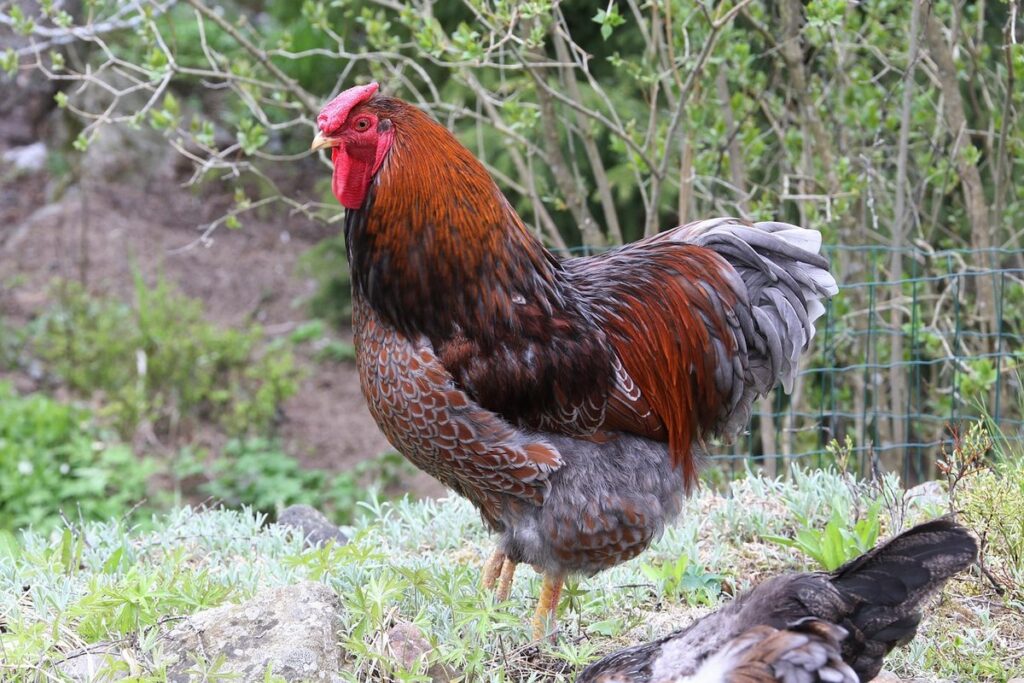
Understanding Wyandotte Breeds
The Wyandotte breed is incredibly diverse, and each variety has its unique characteristics, so let’s break down what makes them different. We’ll explore the distinct features of each type to help you choose your perfect bird.
History and Origins of Wyandottes
The Wyandotte breed has a rich history that dates back to the mid-19th century. Developed in the United States, this stunning bird is believed to have originated from the Langshan and Old English Game breeds. One of the most notable influences on the creation of the Wyandotte was the exhibition poultry shows, where breeders aimed to create birds with unique characteristics that would stand out among their peers.
The name “Wyandotte” is derived from a Native American tribe that once inhabited the region where the breed was developed. The early breeders drew inspiration from this rich cultural heritage and infused it into the breed’s design. As a result, Wyandottes became known for their striking appearance, with their iridescent feathers shimmering in shades of blue, gold, and silver.
Interestingly, the Wyandotte breed gained popularity rapidly during the 1860s due to its impressive size, unique plumage, and friendly temperament. The breed’s growth was so significant that it soon became a favorite among American poultry enthusiasts.
Key Characteristics of Wyandottes
When it comes to identifying a Wyandotte breed, there are several key physical characteristics that set them apart. One of the most distinctive features is their plumage pattern. Wyandottes can exhibit various patterns such as gold laced, silver penciled, and white, among others. These patterns are achieved through intricate feathering on the body, neck, and wings.
In terms of feather length, Wyandottes have a medium to long ruff around the neck, with their backs and heads sporting shorter feathers. Their saddle feathers, which cover the back, are longer than those found on other breeds. This unique combination gives the breed its distinctive appearance.
In addition to plumage, body type is another crucial aspect of identifying a Wyandotte. They generally possess a sturdy build, with broad chests and deep bodies. Males tend to be larger than females, but both sexes share similar physical characteristics. Overall, understanding these key characteristics will help you identify the breed accurately and appreciate its unique beauty.
Recognized Varieties Within Wyandottes
Within the world of Wyandottes, several varieties have been formally recognized by major poultry associations and breed clubs. Let’s take a closer look at some of these notable types.
American Bantam Wyandottes
The American Bantam Wyandotte is a unique and attractive variety within the Wyandotte family. One of its most distinctive characteristics is its smaller size compared to other Wyandottes. Males weigh between 20-24 ounces, while females tip the scales at 18-22 ounces. This compact size makes them an ideal choice for backyard flocks or exhibition purposes.
In terms of temperament, American Bantam Wyandottes are known for their friendly and outgoing nature. They are often described as “velcro chickens” due to their strong bond with their owners. As a result, they can thrive in social environments where they receive regular attention and interaction.
When it comes to keeping American Bantams, it’s essential to provide them with adequate space and exercise. While they may be smaller than other Wyandottes, they still require room to move around and engage in natural behaviors like foraging and scratching. A secure, predator-proof enclosure with a minimum of 2-3 square feet per bird is recommended.
Their calm demeanor also makes them suitable for families with children or as pets for those who want a low-maintenance but affectionate companion. Overall, the American Bantam Wyandotte offers a delightful combination of charm and versatility that can enrich any chicken-keeping experience.
Silver Laced Wyandottes
The Silver Laced Wyandotte is one of the most striking and recognizable varieties within the Wyandotte breed. Characterized by a silvery-gray sheen on their neck feathers, shoulders, and breast, these birds are truly showstoppers. Their lustrous plumage extends to their wings and tail, giving them an overall appearance that’s both majestic and refined.
When it comes to egg-laying abilities, Silver Laced Wyandottes are reliable producers, laying a moderate number of large white eggs per week. While they may not be the most prolific layers, their eggs are always clean and well-shaped, making them a pleasure for backyard chicken keepers.
One notable trait of the Silver Laced variety is their calm and gentle nature. They’re known to get along well with other birds and even children, making them an excellent choice for families or those new to raising chickens. With proper care and attention, Silver Laced Wyandottes can thrive in a variety of settings, from small backyards to larger farms.
In terms of temperament, Silver Laced Wyandottes are friendly and outgoing, but not overly demanding. They’re relatively low-maintenance birds that require regular feeding, watering, and cleaning of their coop and run. With a moderate level of activity and social interaction, these birds will reward you with years of companionship and egg production.
Other Varieties: Spangled, Golden Cuckoo, and More
Beyond the classic Wyandotte varieties, there are several other breeds that have been developed from these magnificent birds. Let’s take a look at some of their unique characteristics.
Spangled Wyandottes Characteristics
The Spangled Wyandotte is one of the most striking varieties within the Wyandotte breed. Its name “spangled” refers to its unique plumage pattern characterized by iridescent sheen and intricate markings. One of the standout features of this variety is its ability to display a range of colors, including gold, silver, black, and blue, depending on the individual bird’s genetics.
Spangled Wyandottes have feathers that are densely packed with microscopic crystals called guanine, which give them their characteristic shine. This results in a mesmerizing effect as light reflects off the feathers, creating a three-dimensional appearance. As for feather quality, Spangled Wyandottes typically possess excellent plumage, with long, flowing feathers and a well-rounded, full appearance.
When it comes to identifying a true Spangled Wyandotte, look for birds with clean, unbroken markings that don’t have any “fading” or “ghosting” effect. Additionally, take note of the bird’s posture – a good Spangled should carry itself with confidence and poise.
Golden Cuckoo Wyandotte Details
The Golden Cuckoo Wyandotte is one of the lesser-known varieties within the Wyandotte family, and it has some unique characteristics that set it apart from other breeds. This variety was developed by crossing the Silver Penciled Wyandotte with a Golden Spangled Hamburgh, resulting in a bird with a striking golden sheen to its feathers.
One of the most distinctive features of the Golden Cuckoo Wyandotte is its egg-laying habits. As the name suggests, this variety is known for laying blue or green eggs with darker speckles, which are often referred to as “cuckoo” eggs. This characteristic makes it easier to identify their nests and can be a valuable trait for backyard chicken keepers who want to monitor their flock’s reproductive activities.
In terms of temperament, the Golden Cuckoo Wyandotte is known for being friendly, docile, and relatively easy-going. They are not as aggressive as some other Wyandotte varieties and tend to get along well with other birds in the flock. With proper care and attention, they can make excellent additions to small or large backyard flocks.
Breeding and Raising Wyandottes for Exhibition or Backyard Flocks
If you’re interested in raising Wyandottes for showing or as pets, learning proper breeding and raising techniques is essential to achieving your desired goals. This section covers the basics of successful breeding and flock management.
Choosing the Right Wyandotte Variety for You
When it comes to selecting a suitable Wyandotte breed for your exhibition or backyard flock, there are several factors to consider. First and foremost, think about your personal preferences when it comes to appearance and temperament. Do you prefer the clean lines and white plumage of the White Wyandotte, or perhaps the rich jewel tones of the Copper-Wyandotte? Maybe you’re drawn to the gentle nature of the Silver-Grey Wyandotte.
Consider your experience level as well – if you’re a beginner, you may want to start with a more hardy and adaptable breed like the Golden-Wyandotte. On the other hand, experienced breeders may prefer the challenge of raising a more exotic variety such as the Blue-Wyandotte.
Space constraints are also an important consideration. If you live in a small backyard or have limited space for your flock, the compact size of the Partridge Wyandotte is a great option. Ultimately, choosing the right Wyandotte breed requires careful thought and research into each variety’s unique characteristics and needs. By considering these factors, you can select a breed that not only suits your lifestyle but also helps you achieve your exhibition or backyard flock goals.
Tips for Successful Breeding Programs
Breeding and raising Wyandottes for exhibition or backyard flocks requires careful planning, attention to detail, and a commitment to excellence. When it comes to developing a successful breeding program, there are several key factors to consider.
First and foremost, it’s essential to have a clear understanding of your breed standard and the characteristics you’re looking to emphasize in your flock. For Wyandottes, this includes a focus on feather quality, size, temperament, and coloration. Develop a comprehensive breeding plan that outlines your goals and objectives, as well as the selection criteria for your birds.
In terms of genetic diversity, it’s crucial to maintain a balanced and diverse gene pool within your flock. This can be achieved through strategic crossbreeding programs and careful record-keeping. Aim to breed with birds from reputable breeders who share similar goals and values.
When selecting birds for breeding, look for individuals that excel in multiple areas, rather than focusing on a single trait. This will help you develop a flock that is well-rounded and adaptable. Additionally, consider the importance of health testing and evaluating your birds’ conformation to ensure they meet breed standards.
Caring for Your Wyandottes: Nutrition, Health, and Environmental Factors
When it comes to raising healthy Wyandotte chickens, proper nutrition, regular health checks, and a safe environment are essential. Providing your birds with optimal care will ensure they thrive and live their best lives.
Nutritional Needs for Healthy Wyandottes
When it comes to providing optimal nutrition for your Wyandottes, understanding their specific dietary needs is crucial. These birds require a balanced diet that includes a variety of nutrients, including protein, fat, carbohydrates, vitamins, and minerals.
A good starting point is to ensure they have access to fresh water at all times. You can supplement this with a high-quality commercial layer feed or pellet as the main staple, making up about 80-90% of their diet. However, it’s essential to add variety through fruits, vegetables, and grains to provide essential micronutrients.
For example, offering leafy greens like kale, spinach, or collard greens can provide vital vitamins A, C, and K, as well as minerals like calcium and iron. You can also include fresh fruits like berries, apples, or oranges to add natural sweetness and antioxidants.
When it comes to treats, opt for whole grain bread, sunflower seeds, or pumpkin seeds instead of processed snacks high in sugar or salt. Avoid overfeeding by limiting treats to 10% of their diet. By understanding and meeting these nutritional needs, you’ll be well on your way to maintaining healthy Wyandottes with vibrant plumage and optimal overall health.
Common Health Issues Affecting Wyandottes
As you care for your Wyandottes, it’s essential to be aware of potential health issues that may affect your flock. One common issue is obesity, which can lead to a range of problems including reduced egg-laying and increased susceptibility to disease. Preventative measures include providing regular exercise opportunities through free-ranging or playtime in a securely fenced area.
Another concern is respiratory issues such as bronchitis and pneumonia, often caused by exposure to damp or dusty environments. To minimize this risk, ensure good ventilation in your coop and maintain clean living conditions.
Regular health checks can also help identify potential problems early on. Look for signs of illness such as labored breathing, lethargy, or changes in appetite. If you do notice any issues, consult with a veterinarian experienced in poultry care.
In addition to these concerns, Wyandottes may be prone to certain genetic disorders, such as crossed tarsal joints and spurs. While these conditions are relatively rare, they can have a significant impact on your birds’ quality of life.
Frequently Asked Questions
What are the key factors to consider when selecting a Wyandotte breed for my backyard flock?
When choosing a Wyandotte variety, consider their egg-laying abilities, temperament, and adaptability to your climate and available space. If you’re looking for high egg production, American Bantam or Silver Laced may be suitable options. However, if you prioritize gentle nature and striking appearance, Spangled or Golden Cuckoo might be a better fit.
Can I cross-breed different Wyandotte varieties to create unique offspring?
Yes, Wyandottes are known for their excellent breeding qualities, making them ideal for creating new combinations of traits. When crossing breeds, ensure you understand the potential outcomes and health implications of such matings. Research the characteristics of both parent breeds and consider factors like egg-laying abilities, size, and feathering.
How do I prevent common health issues affecting Wyandottes?
To minimize health problems in your flock, provide a balanced diet rich in essential nutrients, maintain clean living conditions, and monitor for signs of illness or stress. Regular veterinary check-ups can also help identify potential issues early on. Consider vaccinating your birds against diseases like Marek’s and Newcastle.
What are some tips for raising Wyandottes for exhibition or backyard flocks?
When breeding or raising Wyandottes for either purpose, focus on developing strong, healthy birds with desirable traits. Ensure proper nutrition, provide adequate space and social interaction, and maintain meticulous record-keeping to track progress and identify areas for improvement.
Can I raise Wyandottes in small backyards or do they require large spaces?
Wyandottes are relatively adaptable and can thrive in smaller spaces if provided with sufficient shelter, food, and water. However, larger flocks will naturally need more room to roam and exercise. Consider the specific needs of your chosen breed and adjust accordingly to ensure a happy, healthy flock.