
If you’re considering bringing home a new flock member, chances are you’ve narrowed down your options to two popular breeds: Wyandottes and Brahmas. While both share some similarities, they also have some key differences that set them apart from one another. Whether you’re a seasoned chicken keeper or just starting out, understanding the unique characteristics of each breed is crucial in making an informed decision about which one is right for you.
In this article, we’ll delve into the main differences between Wyandottes and Brahmas, including their size, temperament, egg-laying ability, and health considerations. From learning how to identify potential health issues to discovering which breed is best suited to your lifestyle, we’ll cover it all. By the end of this post, you’ll have a clear understanding of which breed is the better fit for your needs, whether you’re looking for a gentle giant or a lively companion.
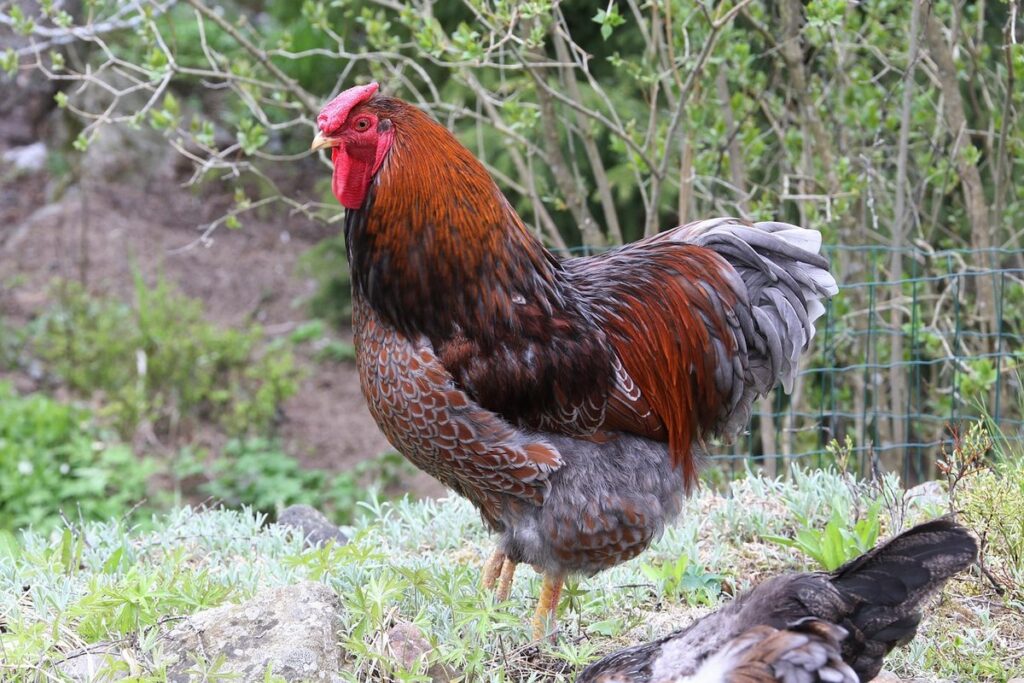
Introduction
When it comes down to choosing between these two popular breeds, you’re likely wondering what sets them apart and which one is right for your lifestyle. Let’s start by exploring some key differences between Wyandottes and Brahmas.
Brief Overview of Both Breeds
The Wyandotte and Brahma breeds are two distinct chicken varieties that have gained popularity among backyard farmers and enthusiasts. Let’s start with a brief overview of each breed.
The Wyandotte breed originated in the United States in the late 19th century, specifically in the state of Michigan. It was developed from various other breeds such as the Cochin and the Brahma, which contributed to its robust build and stunning appearance. Wyandottes are known for their beautiful plumage, with intricate patterns that range from gold to silver. This breed excels in production, providing high-quality eggs.
On the other hand, the Brahma is a massive bird originating from the Indian subcontinent. It’s one of the oldest chicken breeds worldwide and has been prized for its impressive size and gentle nature since ancient times. Brahmas are large and imposing, with some males reaching up to 25 pounds in weight. They’re known for their exceptional egg-laying abilities and friendly temperament.
These two breeds have distinct characteristics that set them apart from one another. Understanding the origins and histories of these birds will help you make an informed decision when choosing the right breed for your needs.
Importance of Researching Breed Characteristics
When considering bringing home a new feathered friend, it’s easy to get swept up in their adorable faces and charming personalities. However, before making the decision, it’s crucial to research breed characteristics to ensure you’re making an informed choice that suits your lifestyle.
Every breed has unique traits, quirks, and needs that can significantly impact your daily life as a pet owner. For instance, if you have limited space or live in an apartment, a large and energetic breed like the Brahma may not be the best fit. On the other hand, a Wyandotte’s compact size and moderate energy level make them an excellent choice for city dwellers.
Researching breed characteristics helps you prepare for potential challenges, such as grooming needs, exercise requirements, or health issues specific to each breed. For example, some breeds are prone to respiratory problems due to their flat faces or large build, while others may be more susceptible to feather plucking due to genetic predisposition.
By doing your homework and understanding the breed characteristics of both Wyandottes and Brahmas, you’ll be better equipped to provide the best possible care for your new companion.
Preview of Key Differences Between the Two Breeds
As we delve into the world of Wyandottes and Brahmas, it’s essential to understand that these two breeds are far from identical. In this comprehensive guide, we’ll explore the key differences between them, helping you make an informed decision when choosing the right breed for your needs.
Wyandottes are known for their compact size, weighing between 6-10 pounds, making them a great choice for apartment dwellers or those with limited space. Brahmas, on the other hand, can grow up to 18 inches tall and weigh around 14-16 pounds, requiring more space and exercise. The temperament of these breeds also differs significantly – Wyandottes are often described as affectionate and playful, while Brahmas are generally calm and gentle.
Another notable difference lies in their grooming needs: Wyandottes require regular dust bathing to maintain their feathers, whereas Brahmas have a single layer of soft, easy-to-maintain plumage. When choosing between these two breeds, consider your lifestyle, living situation, and personal preferences to ensure you find the perfect match for you.
History and Origins
The origins of these two breeds are as fascinating as they are distinct, providing valuable context for your decision. Let’s dive into how each breed came to be.
Origin Story: Wyandotte Breed
The Wyandotte breed has its roots in North America, specifically in the state of Michigan. Developed in the mid-19th century, this beautiful bird was bred from a combination of Oriental Game and American game breeds. The result was a stunning bird known for its iridescent feathers, which give it a unique sheen.
The Wyandotte’s origins can be attributed to Loriston Society, a poultry club based in Michigan that aimed to create a distinct breed. Through selective breeding, they achieved their goal, producing a bird with exceptional characteristics. One of the standout features of the Wyandotte is its striking plumage, which comes in a variety of colors including silver, gold, and copper.
Interestingly, the Wyandotte was one of the first breeds to be recognized by the American Poultry Association (APA) in 1885. This marked a significant milestone for the breed, as it solidified its place among other popular breeds like the Brahma. If you’re considering adding a Wyandotte to your flock, keep in mind that they require regular exercise and social interaction to thrive. With proper care, these birds can be a delightful addition to any backyard or farm.
The Brahmas’ Indian Roots
The Brahma breed has its roots in India, where it was first developed over 200 years ago. The breed’s origins can be traced back to the Peshawar Valley region, where British colonizers discovered a large, muscular bird with impressive size and feather quality. These birds were known as the “Shankar Partridge” or “Brahma Fowl,” which is how they got their name.
The Brahmas were initially imported into England in the 1840s, where they quickly gained popularity among poultry enthusiasts due to their unique characteristics. They were prized for their massive size – some males weighed up to 20 pounds! – and impressive feather patterns. However, it wasn’t until the late 1800s that the Brahma breed was officially recognized by the British Poultry Association.
Interestingly, the Brahma’s Indian roots are still reflected in its temperament today. Brahmas are known for their friendly, docile nature, which makes them an excellent choice for families with children or for backyard chicken keepers who want a low-maintenance pet. If you’re considering bringing home a Brahma chick, be prepared to provide plenty of space and a calm environment – these birds thrive on gentle handling and plenty of room to roam!
Physical Characteristics
When it comes to choosing between a Wyandotte and Brahma, understanding their physical characteristics is essential for determining which breed will thrive best in your backyard. Let’s take a closer look at these key features.
Size Comparison: Wyandottes vs Brahmas
When it comes to size comparison between Wyandottes and Brahmas, one of the most noticeable differences is their overall stature. Wyandottes are a medium-sized breed, weighing around 6-7 pounds (2.7-3.2 kg) for females and 8-9 pounds (3.6-4 kg) for males. In contrast, Brahmas can grow quite large, with roosters reaching up to 13 pounds (5.9 kg) and hens weighing around 10-12 pounds (4.5-5.4 kg).
In terms of height, Wyandottes typically stand between 14-16 inches (35.6-40.6 cm), while Brahmas can reach an impressive 24-28 inches (61-71.1 cm) in height. This size difference is not just a matter of aesthetics; it also affects the amount of space and care each breed requires. If you’re considering getting either breed, make sure to have enough room for them to move around comfortably.
It’s worth noting that while Brahmas are generally larger than Wyandottes, they are known for their gentle nature and can adapt well to smaller living spaces with proper care and attention.
Egg-Laying Ability: A Key Differentiator Between Breeds
When it comes to egg-laying ability, Wyandottes and Brahmas have distinct characteristics that set them apart from one another. On average, a Wyandotte hen will lay around 200-220 eggs per year, with some individuals producing as many as 250 or more. In contrast, Brahma hens tend to be more laid-back and produce an average of 180-200 eggs annually.
While these numbers might not seem like a significant difference, it’s essential to consider the overall egg-laying cycle for each breed. Wyandottes are known to start laying at around 20 weeks of age, whereas Brahmas take slightly longer, typically beginning production at 24 weeks. This can be crucial for backyard chicken keepers who rely on their flock for a steady supply of fresh eggs.
To maximize your own egg-laying potential with either breed, ensure that your girls are receiving adequate nutrition and maintaining optimal health through proper vaccination and parasite control measures.
Temperament and Personality
When it comes to Wyandottes versus Brahmas, understanding their temperament and personality traits is crucial for determining which breed will thrive best in your home. Let’s explore what you can expect from each bird.
Wyandottes’ Friendly Nature
One of the standout characteristics of the Wyandotte breed is their exceptionally friendly nature. They are known to form strong bonds with their owners and are often described as “velcro chickens” due to their love for human interaction. This affectionate personality makes them an excellent choice for families or individuals who want a chicken that will happily follow them around the yard.
Wyandottes are also renowned for their gentle demeanor, making them an ideal breed for children or those new to keeping backyard chickens. They are generally calm and quiet, with minimal squawking, which can be a welcome relief for city dwellers or noise-conscious neighbors. In fact, many Wyandotte owners have reported that their birds will often seek out attention and cuddles, happily perching on laps or snuggling in the arms of their owners.
Their friendly nature also extends to other animals, as they tend to get along well with dogs, cats, and even other chickens when introduced properly. This social aspect is a significant advantage for those who want a low-maintenance, easy-going flock.
Brahmas: Gentle Giants or Dominant Fowl?
The Brahma breed has earned a reputation for being gentle giants. This characteristic is deeply rooted in their history as a workhorse breed, used for draft and meat production in the mid-19th century. Due to selective breeding for size and docility, Brahmas have become known for their calm demeanor and friendly nature.
When interacting with humans, Brahmas are often described as gentle and laid-back. They tend to be easy-going and accepting of strangers, making them a great choice for families or those who want a low-maintenance pet. However, this doesn’t mean they lack intelligence or trainability. Brahmas are known to be responsive to commands and can learn simple tasks with patience and consistency.
In multi-pet households, Brahmas tend to get along well with other animals, especially if socialized from an early age. They may even form close bonds with their fellow fowl, but it’s essential to remember that individual personalities can vary. To ensure a harmonious household, introduce new pets gradually and under controlled circumstances.
Ultimately, the Brahma’s gentle giant reputation is both an asset and a liability. While they make wonderful companions for those seeking a calm and laid-back pet, their size and strength must be respected.
Health Considerations
When choosing between a Wyandotte and Brahma, it’s essential to consider their unique health characteristics that may impact your family’s lifestyle. Both breeds have distinct needs and tendencies when it comes to exercise, diet, and potential health issues.
Common Health Issues in Both Breeds
Both Wyandottes and Brahmas are prone to certain health issues that you should be aware of as a responsible chicken keeper. One of the most significant genetic disorders affecting both breeds is obesity. This can lead to a range of secondary problems, including respiratory issues, joint problems, and an increased risk of heart disease.
Environmental factors also play a crucial role in maintaining your chickens’ overall health. Dusty or dirty living conditions can exacerbate respiratory problems such as bronchitis or pneumonia. Ensure that their coop is well-ventilated and cleaned regularly to prevent these issues from arising.
Another common problem affecting both breeds is feather pecking, often caused by boredom or lack of stimulation. To combat this issue, provide a variety of toys and activities to keep your chickens entertained and engaged.
Regular health checks can also help identify potential problems early on. Keep an eye out for changes in appetite, droopiness, or lethargy – these can be indicative of underlying issues that require veterinary attention. By staying proactive and aware of the common health concerns affecting both Wyandottes and Brahmas, you can take steps to minimize their impact and ensure your flock remains happy and healthy.
Nutritional Needs of Wyandottes vs Brahmas
When it comes to nutrition, Wyandottes and Brahmas have distinct needs due to their differences in size, temperament, and energy levels. Wyandottes are a medium-sized breed, requiring a balanced diet that meets their moderate energy requirements. They thrive on high-quality commercial layers pellets or a mix of grains, fruits, and vegetables. A layer feed formulated for chickens aged 18-24 weeks is suitable, providing around 16-18% protein.
Brahmas, being one of the largest chicken breeds, need more calories to maintain their weight and support their massive frames. They require a diet rich in protein (around 20%) and calories from high-energy grains like oats or barley. A mix of layer feed and treats like mealworms or sunflower seeds can help meet their nutritional needs.
It’s essential to provide both breeds with access to clean water, fresh air, and space to roam. A general rule is to offer 1/4 pound of food per chicken per day for every four chickens in the coop. Monitor their intake and adjust as needed to prevent overeating or malnutrition. By understanding the specific nutritional needs of each breed, you can ensure they stay healthy and thrive under your care.
Care and Management
To keep your Wyandottes and Brahmas happy and healthy, it’s essential to understand their specific care and management needs, which can vary significantly between breeds.
Housing and Living Space Requirements for Both Breeds
When it comes to housing and living space requirements, both Wyandotte and Brahma breeds have distinct needs. As a responsible chicken keeper, it’s essential to provide the right environment for your birds to thrive.
For a Wyandotte flock, you’ll want to consider a coop that’s approximately 2-4 square feet per bird. This will give them enough space to move around comfortably inside the coop. In terms of outdoor access, Wyandottes need a secure area where they can roam freely and engage in natural behaviors like foraging and dust bathing.
In contrast, Brahmas require an even larger living space due to their massive size. A coop that’s 3-5 square feet per bird is recommended to accommodate their expansive wingspans and legs. Outdoor access is also crucial for Brahmas, but you’ll need to ensure the enclosure can withstand their strength and potential escape attempts.
When determining coop size, remember to factor in vertical space as well – consider adding shelves or roosts to make the most of your available square footage. Providing adequate living quarters will not only keep your birds happy but also healthy.
Feeding and Nutrition Strategies for Optimal Health
When it comes to feeding and nutrition strategies for your Wyandotte or Brahma, providing optimal nutrition is crucial for their overall health and well-being. A balanced diet will ensure that they remain healthy, energetic, and productive.
For both breeds, a good starting point is to provide high-quality layer feed or starter ration specifically formulated for large birds. However, it’s essential to note that Wyandottes are generally more active and require slightly more protein in their diet, whereas Brahmas have slower metabolisms and may not need as much.
To optimize nutrition, consider the following tips:
* Provide fresh water at all times to ensure proper hydration.
* Offer a calcium-rich feed supplement to support strong bone growth and development.
* Consider adding fruits and vegetables like carrots, apples, or leafy greens to their diet for added nutrients and variety.
* Monitor your birds’ weight and adjust feeding accordingly to prevent overfeeding.
By following these simple tips, you can ensure that your Wyandotte or Brahma receives the optimal nutrition they need to thrive.
Conclusion
Now that you’ve weighed the pros and cons of each breed, it’s time to summarize the key takeaways from our comparison of Wyandottes and Brahmas. Let’s review what matters most in your decision-making process.
Recap of Key Differences Between Wyandottes and Brahmas
In conclusion, we’ve delved into the world of Wyandottes and Brahmas, highlighting their distinct characteristics and requirements. To recap, here are the key differences between these two breeds:
When it comes to appearance, Wyandottes boast a more slender build, with a mix of silver, gold, black, or white plumage patterns. In contrast, Brahmas have a sturdy, large-framed body covered in soft, fluffy feathers that come in various colors.
Another significant difference lies in their temperament. Wyandottes are known for being friendly, outgoing, and energetic, making them an excellent choice for families with children. On the other hand, Brahmas are often described as gentle giants, requiring a more reserved approach to handling due to their massive size.
In terms of egg-laying, Brahmas tend to be prolific producers, laying around 180-200 large eggs per year. Wyandottes, while still capable of producing a decent number of eggs, typically lay between 150-180 eggs annually. When deciding which breed is right for you, consider your lifestyle and needs – do you want a low-maintenance bird that’s easy to handle or a more energetic companion?
Final Thoughts: Choosing the Right Breed for You
When it comes down to making a decision between these two magnificent breeds, remember that every individual’s circumstances and needs are unique. The size of your living space, your family dynamics, and even your personal lifestyle should all play a role in choosing the right breed for you.
Consider this: if you live in an apartment or have limited outdoor space, the Brahma might not be the best fit due to its large size and high exercise needs. On the other hand, if you’re looking for a gentle giant that can tolerate children’s rough play, the Brahma’s calm demeanor makes it an excellent choice.
However, if you’re short on time or have limited experience with chickens, the Wyandotte’s easy-going nature and hardiness might make it the better option. Ultimately, it’s essential to weigh your priorities and needs against the characteristics of each breed. By doing so, you’ll be well-equipped to make an informed decision that brings joy and fulfillment into your life.
Frequently Asked Questions
What’s the ideal space requirement for a Wyandotte or Brahma flock?
When considering bringing home either breed, it’s essential to ensure you have sufficient space to accommodate their needs. A general rule of thumb is to provide at least 2-4 square feet of floor space per chicken inside the coop and 8-10 square feet of outdoor run space per bird.
How can I manage potential health issues in my flock?
Regular veterinary check-ups, maintaining a clean living environment, and providing a balanced diet are crucial for preventing common health issues like obesity or respiratory problems. Monitoring your birds’ behavior and reporting any unusual symptoms to a veterinarian promptly can help catch potential problems early on.
What’s the recommended ratio of Wyandottes to Brahmas in a mixed flock?
When introducing multiple breeds to a single coop, it’s essential to consider their individual temperaments and needs. A general rule of thumb is to introduce one or two birds at a time, allowing them to establish dominance hierarchies naturally.
Can I keep Wyandottes and Brahmas together if they have different nutritional needs?
While both breeds have unique nutritional requirements, it’s possible to manage a mixed flock with careful planning. Consider providing separate feeding stations and supplementing their diets as needed to ensure each breed receives the necessary nutrients for optimal health.
What are some key differences in housing and living space requirements between Wyandottes and Brahmas?
Brahmas require more substantial coops due to their larger size, while Wyandottes can thrive in smaller spaces. Ensure you have sufficient ventilation, lighting, and protection from predators regardless of the breed you choose.