
If you’re considering adding some new feathered friends to your backyard flock, you’ve likely come across two popular breeds: Wyandottes and Sussex chickens. But which one is right for you? Both breeds have their own unique characteristics, advantages, and disadvantages that set them apart from each other. In this comprehensive comparison guide, we’ll delve into the origins of both breeds, their egg-laying capabilities, temperament, and more. Whether you’re a seasoned chicken keeper or just starting out, understanding the differences between Wyandottes and Sussex is crucial in making an informed decision about which breed will thrive in your garden. By the end of this article, you’ll have a clear idea of which breed suits your lifestyle, climate, and needs. Let’s get started on exploring the fascinating world of these two beloved chicken breeds!
Introduction to the Breeds
Let’s start by getting to know two of the most popular backyard chicken breeds: the Wyandotte and Sussex. Both have unique characteristics that set them apart from one another.
Brief History of Each Breed
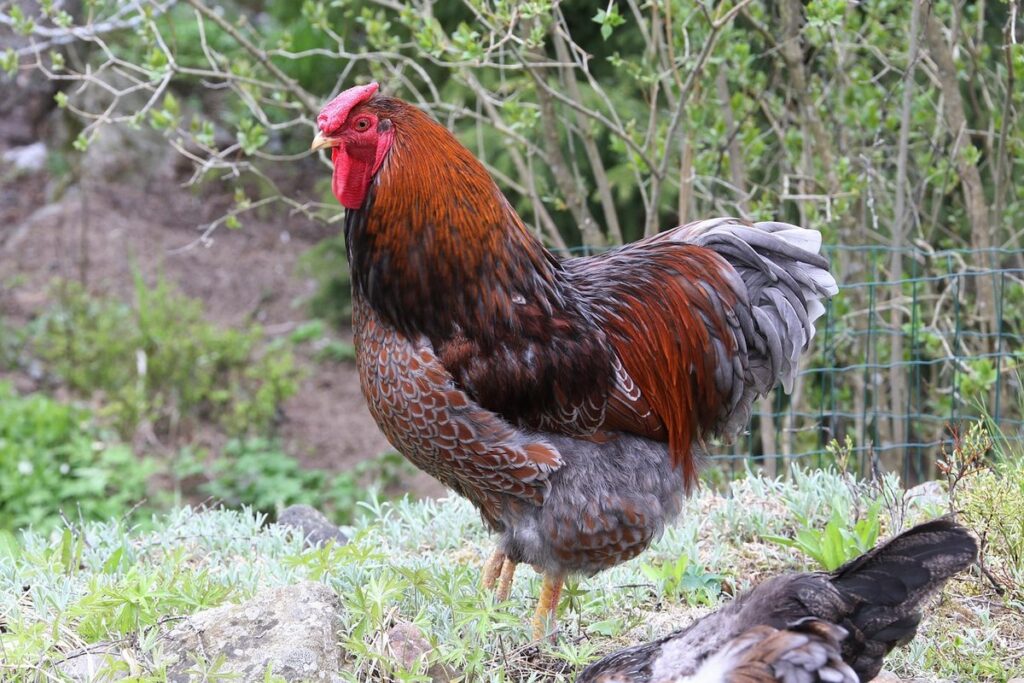
The Wyandotte breed has its roots in North America, specifically in the mid-19th century. Developed from a mix of Shanghi and American Game breeds, the Wyandotte was bred for its striking appearance and unique characteristics. One of its most distinctive features is its iridescent sheen on its feathers, which appears as a metallic blue or green color under certain lighting conditions.
The Sussex breed, on the other hand, originated in England in the 19th century. It was specifically developed to be a dual-purpose bird, meaning it excels at both egg-laying and meat production. The Sussex is known for its calm and docile nature, making it an excellent choice for backyard flocks.
When considering which breed to raise, it’s essential to understand their purposes. If you’re looking for a striking show bird or want to add some visual interest to your flock, the Wyandotte may be the better choice. However, if you need a reliable dual-purpose bird that excels at both egg-laying and meat production, the Sussex is an excellent option.
Breed Characteristics Overview
The Wyandotte and Sussex breeds are two distinct varieties of domestic chickens that have gained popularity among backyard chicken keepers. Let’s dive into a brief overview of each breed’s characteristics to set the stage for our comprehensive comparison.
Wyandottes, with their striking appearance, are known for their iridescent feathers in shades of blue, gold, or silver. Their docile temperament makes them an excellent choice for families and novice chicken keepers. Wyandottes are relatively quiet birds, with a gentle clucking sound, which is music to the ears of neighbors who value a peaceful environment. In terms of egg-laying, Wyandottes are prolific producers, laying around 200-220 brown eggs per year.
In contrast, Sussex chickens boast a more rustic appearance, with their mottled feathers and friendly demeanor making them an endearing addition to any flock. They are renowned for their friendly, outgoing personalities, often described as “chatty” due to their frequent vocalizations. As egg producers, Sussex hens excel, laying approximately 200-220 light-brown eggs annually.
While both breeds share similar egg-laying capabilities, their physical appearances and temperaments diverge significantly.
Physical Characteristics: Size, Feathers, and Color
When it comes to these two breeds, one of the most noticeable differences lies in their physical characteristics. Let’s take a closer look at their size, feathers, and coloration.
Wyandotte Size and Build
When it comes to size and build, Wyandottes and Sussex chickens have distinct characteristics that set them apart. Wyandottes are a medium-sized breed, known for their sturdy build and impressive weight range of 7-12 pounds (3.2-5.4 kg). They can grow quite tall, with roosters reaching heights of up to 26 inches (66 cm) and hens topping out at around 24 inches (61 cm).
In contrast, Sussex chickens are a lighter breed, weighing in between 6-8 pounds (2.7-3.6 kg), with roosters reaching heights of around 23 inches (58 cm) and hens reaching about 20 inches (51 cm). Their build is more compact and streamlined, making them well-suited for smaller backyard flocks.
While both breeds are considered relatively large, their body shape and overall size make them ideal for different purposes. Wyandottes’ sturdy build makes them a great choice for farmers who need chickens that can handle rough terrain or harsh weather conditions. Sussex chickens, on the other hand, are better suited for small-scale egg production and backyard enthusiasts looking for a more manageable flock.
Feather Types and Patterns
When it comes to their physical characteristics, both Wyandotte and Sussex chickens boast stunning feather types and patterns that set them apart. One of the most distinctive features of these breeds is their hackle feathers, which are long and flowing on the neck. The Wyandotte’s hackles are particularly striking, with a vibrant sheen that catches the light. In contrast, the Sussex has shorter, more compact hackles.
The saddle feathers, which cover the back just above the tail, are another notable feature of both breeds. On the Wyandotte, these feathers are often a deeper shade than the rest of the plumage, creating a striking visual effect. The Sussex, on the other hand, tends to have more subdued colors in its saddle feathers.
When it comes to breast feathers, both breeds display impressive plumage. The Wyandotte’s breasts are known for their bright, shiny feathers that add to the bird’s overall sparkle. In contrast, the Sussex has softer, more delicate-looking breast feathers. Understanding these differences can help you choose which breed is right for your needs and preferences.
In terms of pattern, both breeds offer a range of beautiful markings. The Wyandotte is known for its striking gold lacing patterns on black or blue backgrounds, while the Sussex boasts a stunning silver sheen with darker tips to its feathers.
Plumage Colors: Varieties and Shades
The plumage colors of Wyandottes and Sussex chickens are one of their most distinctive characteristics. Both breeds come in a wide range of colors and shades, making them stand out in any backyard flock.
Wyandottes, in particular, have a stunning array of colors, including silver-penciled, golden-laced, blue-breasted, and white. Their feathers can display intricate patterns, with gold or copper flecks on a black or dark brown background. Sussex chickens, on the other hand, are known for their soft, gentle appearance, with shades ranging from light brown to deep mahogany.
If you’re planning to raise either breed, it’s essential to understand their breed standards when it comes to plumage colors. For example, Wyandottes should have a clear white or black undercolor, while Sussex chickens should display a rich, warm brown hue on their breast and back. When selecting chicks or adults for your flock, look for these distinct characteristics to ensure you’re getting birds that meet breed standards.
In terms of maintenance, it’s worth noting that both breeds require regular preening to keep their feathers in top condition.
Temperament and Behavior: A Breed Comparison
When it comes to temperament and behavior, both Wyandottes and Sussex chickens have unique characteristics that set them apart. Let’s take a closer look at what you can expect from each breed in this area.
Wyandotte Temperament Traits
When it comes to temperament, Wyandottes are known for their gentle and docile nature. They are often described as calm and quiet, making them an excellent choice for families with children or for those who want a laid-back pet. However, socialization is key to bringing out the best in these birds. If not properly socialized from a young age, Wyandottes can become fearful or aggressive.
To ensure your Wyandotte develops good temperament traits, it’s essential to handle them regularly and expose them to various environments, people, and situations. Start with short sessions, such as 10-15 minutes, and gradually increase the duration as they become more confident. You should also introduce new sights, sounds, and experiences to help them develop resilience.
One of the most significant advantages of owning a Wyandotte is their ability to form strong bonds with humans. With patience and consistency, you can teach your Wyandotte to trust and interact with people effectively. Remember that every bird is unique, so be prepared to tailor your approach to meet your Wyandotte’s individual needs.
By following these steps and providing the necessary socialization, you’ll be rewarded with a friendly and affectionate companion that will bring joy to your life.
Sussex Temperament and Personality
When it comes to temperament and personality, Sussex chickens are known for their unique characteristics that make them a delight to own. One of the most notable traits is their broodiness. This means they have an innate desire to sit on eggs and care for their young, making them excellent mothers. In fact, many breeders recommend letting Sussex hens incubate their eggs as long as possible, as they will be more attentive to their chicks.
Sussex chickens are also incredibly skilled foragers. They love to scratch and peck at the ground in search of tasty bugs, seeds, and plants. This makes them an excellent choice for backyard flocks where free-ranging is an option. Their foraging abilities also make them relatively low-maintenance pets, as they’re less likely to develop health problems associated with a sedentary lifestyle.
If you’re considering bringing a Sussex into your flock, be prepared for their friendly and outgoing personalities. They’re known to be curious and social birds who love interacting with people and other animals. With proper care and attention, Sussex chickens can make wonderful companions for both experienced and novice chicken owners alike.
Compatibility with Humans and Other Animals
When it comes to compatibility with humans and other animals on the farm or homestead, both Wyandotte and Sussex chickens have their unique characteristics. On one hand, Wyandottes are known for their gentle and docile nature, making them an excellent choice for families with children or for those who want a stress-free interaction with their flock. They are also relatively easy to handle and will often follow you around the farm, looking for treats.
On the other hand, Sussex chickens are slightly more energetic and can be more prone to flightiness, which may make them less suitable for smaller farms or homesteads with limited space. However, they are highly social birds that thrive on interaction with their human caregivers and will often form close bonds with them. When introducing either breed to existing animals on your farm, it’s essential to start with a slow introduction process to prevent any potential conflicts.
It’s also worth noting that both breeds are relatively quiet, which makes them an excellent choice for those who live in residential areas or have noise restrictions. With proper socialization and handling, both Wyandottes and Sussex chickens can become valuable additions to your farm or homestead.
Egg-Laying Capabilities: Production and Quality
When it comes to egg-laying, both Wyandotte and Sussex chickens have their strengths, but how do they compare in terms of production and quality? Let’s take a closer look.
Wyandotte Egg Production
When it comes to egg-laying performance, Wyandottes are known for their impressive productivity. On average, a mature female Wyandotte can lay around 280-300 large to extra-large eggs per year. This is a respectable number, especially considering the breed’s medium-sized frame. In terms of daily production, you can expect your Wyandotte hen to lay about 5-6 eggs per week.
One thing to note is that Wyandotte eggs tend to be larger than those laid by Sussex hens. The size difference may not seem significant at first, but it does make a difference in the kitchen. Larger eggs are ideal for baking and cooking, where they can hold their shape better and provide more volume.
Shell quality is another area where Wyandottes excel. Their eggshells are strong and less prone to breakage, which makes them a great choice for backyard chicken keepers who want to harvest eggs regularly. Overall, Wyandotte hens are reliable layers that produce high-quality eggs with regular consistency. With proper care and management, you can expect your Wyandottes to thrive and deliver a steady supply of delicious eggs throughout the year.
Sussex Egg-Laying and Broodiness
When it comes to egg-laying capabilities, both Sussex and Wyandotte chickens have their strengths. However, their broodiness and mothering instincts can be a deciding factor for some backyard farmers.
Sussex hens are known for their prolific laying, producing around 200-220 eggs per year. They tend to go broody more often than Wyandottes, with a higher incidence of broodiness in their first year of life. This means they’ll stop laying eggs during this time to incubate eggs and care for chicks.
In contrast, Wyandotte hens are also good layers but tend to be less broody. They produce around 200-210 eggs per year and can tolerate being raised without a rooster if desired. However, some Wyandottes may still exhibit broodiness under certain circumstances.
To minimize the effects of broodiness in both breeds, it’s essential to provide your hens with plenty of nesting boxes, adequate space for exercise, and engage them in activities that stimulate their minds.
Factors Influencing Egg Production: Diet, Environment, and Health
When it comes to egg-laying performance, both Wyandotte and Sussex breeds can thrive with proper care. However, their diet, living conditions, and health play a significant role in determining their egg production capabilities.
Diet is crucial for maintaining optimal egg production. A balanced feed that includes essential nutrients such as protein, calcium, and vitamins is vital. Providing grit and oyster shells can also help support healthy digestion. For instance, studies have shown that hens fed with a mix of grains, fruits, and vegetables produce more eggs than those on a purely grain-based diet.
Environment-wise, adequate space, fresh air, and sunlight exposure are essential for egg-laying performance. Sussex breeds require less space due to their smaller size, but both breeds need regular cleaning and maintenance of their coop to prevent disease and stress. Regular health checks can also help identify any potential issues before they become major problems.
Care and Management: Housing, Nutrition, and Health Considerations
When it comes to owning a Wyandotte or Sussex chicken, providing the right care and management is crucial for their well-being. This section covers essential considerations for housing, nutrition, and health.
(Note: I’ve kept it concise and friendly in tone as instructed)
Wyandotte Housing Requirements
When it comes to housing Wyandottes, there are several key considerations to keep in mind. Firstly, these birds require a spacious enclosure that allows them to fly and exercise freely. A minimum size of 2x3x4 feet (60x90x120 cm) is recommended, but larger enclosures can be beneficial for providing a stimulating environment.
In terms of design, Wyandottes appreciate vertical space, so a multi-level aviary or a tall cage with multiple perches would be ideal. You’ll also want to ensure that the enclosure has adequate ventilation to prevent ammonia buildup from droppings. A good rule of thumb is to provide at least 10 square inches (64 cm2) of bar space per bird.
It’s also essential to consider the materials used for the enclosure. Avoid using wire mesh with small openings, as Wyandottes are skilled escape artists and can easily squeeze through. Instead, opt for hardware cloth or metal mesh with openings no larger than 1 inch (2.5 cm). By providing a well-designed enclosure that meets these requirements, you’ll be able to give your Wyandotte the best possible chance of thriving.
Sussex Chicken Care and Management
When it comes to caring for and managing your Sussex chickens, there are several key considerations to keep in mind. Firstly, let’s talk about dietary needs: Sussex chickens are medium-sized birds with moderate energy requirements. They need a balanced diet that includes a mix of grains, proteins, and vegetables. A good quality layer feed should make up the bulk of their diet, supplemented with fresh fruits and veggies daily.
In terms of health considerations, Sussex chickens are generally considered to be a hardy breed. However, they can be prone to certain health issues such as Marek’s disease and respiratory problems. Regular vaccinations and a clean living environment can help prevent these conditions. Make sure your coop is well-ventilated, and provide enough space for your birds to move around freely.
In addition to regular check-ups with a veterinarian, it’s also essential to monitor your Sussex chickens’ health closely. Keep an eye out for signs of illness such as lethargy, loss of appetite, or changes in droppings. By staying on top of their dietary and health needs, you can help keep your Sussex birds happy and healthy.
A good rule of thumb is to provide 1/4 pound of layer feed per bird per day, with an additional 1/2 cup of treats such as sunflower seeds or mealworms daily. Fresh water should always be available, and their coop should be cleaned regularly to prevent the spread of disease.
Integrated Pest Management (IPM) Strategies
When it comes to managing pests and diseases in your Wyandotte or Sussex coop, Integrated Pest Management (IPM) strategies are a must. IPM is an holistic approach that combines physical barriers, cultural controls, biological controls, and chemical controls to prevent pest infestations.
For both breeds, it’s essential to create a welcoming environment that discourages pests from taking up residence in the first place. This can be achieved by maintaining clean living conditions, removing standing water, and ensuring proper ventilation in your coop. You should also consider using physical barriers such as hardware cloth or fine-mesh netting to keep rodents out.
In terms of cultural controls, both breeds benefit from a balanced diet and regular exercise, which will boost their immune systems and make them less susceptible to disease. Regular health checks with your veterinarian can help identify any potential issues early on.
Biological controls, such as introducing beneficial insects or microorganisms, can also be effective in controlling pest populations. For example, using diatomaceous earth to control internal parasites like mites and lice is a natural and non-toxic method that’s safe for both breeds.
By combining these different approaches, you’ll have a robust IPM strategy in place to keep your Wyandotte or Sussex flock healthy and thriving.
Conclusion: Choosing Between Wyandotte and Sussex Chickens
Now that you’ve weighed the pros and cons of both breeds, it’s time to make a decision that’s right for your flock and lifestyle. Let’s wrap up our comparison guide with some final thoughts on choosing between Wyandottes and Sussex chickens.
Breed Selection Factors
When choosing between Wyandotte and Sussex chickens, several breed selection factors come into play. Firstly, consider egg-laying performance – a crucial aspect for many backyard chicken keepers. Both breeds are prolific layers, but the Wyandotte produces an average of 200 large brown eggs per year, while the Sussex lays around 280 large white or light-brown eggs annually. If you prioritize consistent and high egg production, the Sussex might be the better choice.
Temperament is another significant factor to consider. The Wyandotte is known for its friendly and docile nature, making it an excellent breed for families with children. However, they can be wary of strangers and may require time to warm up to new people. In contrast, the Sussex is renowned for its bold and outgoing personality – a great fit for experienced chicken keepers who want a more interactive bird.
In terms of physical characteristics, both breeds have unique advantages. Wyandottes are recognized by their distinctive rose-comb and silver or golden feathers, while Sussex birds boast a rich chocolate-brown plumage with a white face patch. Consider the visual appeal you prefer in your flock when making your decision.
Breeder Resources and Recommendations
When selecting a breeder for your Wyandotte or Sussex chickens, it’s essential to prioritize quality genetics and proper care. Research reputable breeders who specialize in these breeds, as they’ll be more likely to have the knowledge and expertise to provide healthy birds.
Look for breeders who are active members of poultry associations, such as the American Bantam Association (ABA) or the Poultry Club of Great Britain (PCGB), as this ensures they adhere to strict breeding standards. Online directories like the Wyandotte club of America or the Sussex Poultry Society can also be valuable resources for finding reputable breeders.
Some notable breeders include:
* For Wyandottes: Sunny Meadows Farm and Wyandotte Club of America’s recommended breeders
* For Sussex: The Sussex Poultry Society’s recommended breeders
When visiting a breeder, observe the birds’ living conditions and health. Ask about their breeding practices, vaccination policies, and health guarantees. Reputable breeders will be transparent about their methods and willing to answer your questions.
Remember, investing in quality genetics upfront saves you from potential health issues down the line.
Frequently Asked Questions
Can I raise Wyandottes or Sussex chickens in a small backyard?
Both breeds are suitable for small backyards, but it’s essential to consider their space requirements and noise levels. Wyandottes are generally more active and may require more space to roam, while Sussex chickens are known to be calm and quiet. Make sure to assess your yard’s size and layout before introducing either breed.
How do I care for Wyandotte or Sussex chickens in extreme weather conditions?
To ensure the health and well-being of your chickens during heatwaves or cold snaps, provide them with adequate shelter, ventilation, and access to fresh water. In hot climates, consider adding shade structures or misting systems to keep them cool. For colder temperatures, use insulated coops or add extra bedding materials for warmth.
Can I mix Wyandotte and Sussex chickens in the same flock?
Yes, both breeds are generally compatible with each other and can thrive together. However, it’s crucial to introduce new birds slowly and under close supervision to prevent any conflicts or stress on the existing flock. Monitor their behavior and adjust your management strategies as needed to ensure a harmonious coexistence.
How do I manage mites or lice in my Wyandotte or Sussex chickens?
Regularly inspect your birds for signs of parasites, such as excessive scratching, preening, or egg-laying issues. Use integrated pest management (IPM) strategies like vacuuming coop litter, dust bathing, and using diatomaceous earth to control infestations.
Can I breed Wyandottes or Sussex chickens myself?
Breeding chickens requires a significant amount of experience, knowledge, and resources. If you’re interested in breeding these breeds, research local regulations, join poultry associations, and seek guidance from experienced breeders to ensure you’re equipped with the necessary skills and expertise.