
As a poultry farmer, you know how quickly an infestation can decimate your flock’s health and productivity. Unfortunately, one of the most common problems facing backyard flocks and commercial farms alike is turkey mite and lice infestations. These tiny parasites can cause stress, weight loss, and even death in severe cases, making it crucial to recognize the signs, prevent their spread, and treat affected birds promptly. In this article, we’ll delve into the world of turkey mites and lice, exploring how to identify these pests, implement effective prevention strategies, and provide treatment options for infested flocks. By learning how to tackle these pesky parasites head-on, you can safeguard your flock’s well-being and optimize their performance.
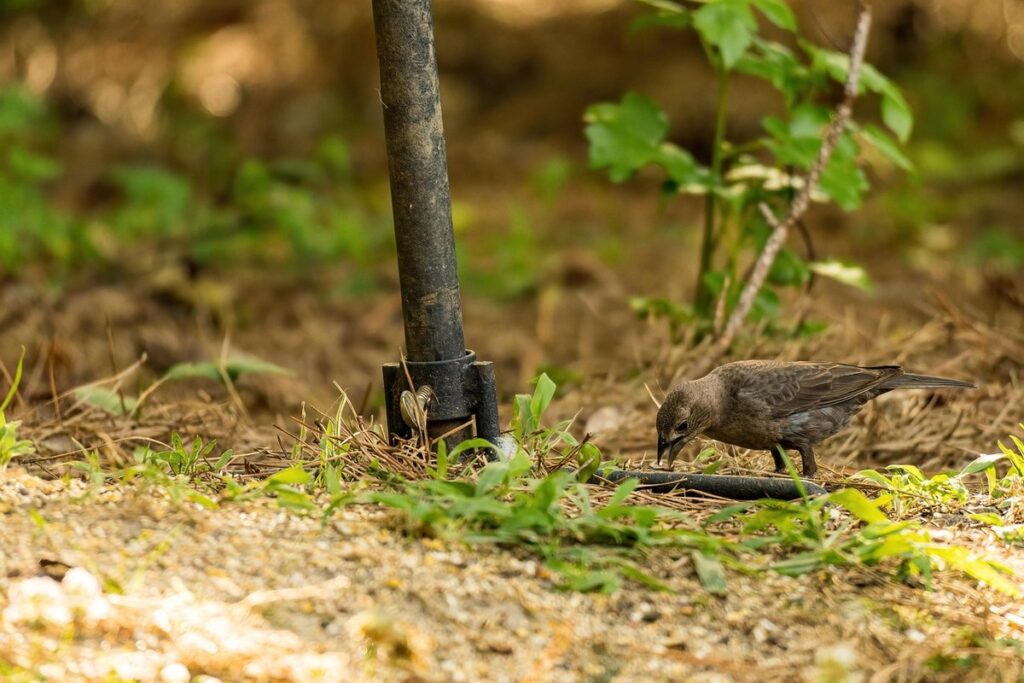
What are Turkey Mites?
Let’s start by understanding what turkey mites are and why they’re a concern for poultry farmers. In this next section, we’ll dive into their characteristics and behavior.
Definition and Identification of Turkey Mites
Turkey mites are relatively small, ranging from 1-2 millimeters in length. They can be identified by their oval-shaped body and six legs, which they use to crawl onto their hosts. Turkey mites are typically pale yellow or white in color, with a slight reddish tint on their abdomen.
When it comes to feeding habits, turkey mites prefer the warm, moist areas of their host’s skin, particularly around the eyes, mouth, and nostrils. They feed on blood, which is drawn up through their piercing-sucking mouthparts. It’s worth noting that female turkey mites are larger than males and tend to cluster together in groups, making them easier to spot.
Identifying turkey mites requires a close look, as they can be difficult to see with the naked eye. If you’re suspecting an infestation, try using a magnifying glass or a microscope to get a better view of the mites on your birds’ skin. Keep in mind that it’s not uncommon for turkey mites to coexist with lice on the same host, so be sure to inspect thoroughly to determine which parasite is present.
Life Cycle of Turkey Mites
The life cycle of turkey mites is a crucial aspect to understand when it comes to managing these pests on poultry farms. The entire process begins with the female turkey mite laying eggs, typically 1-2 inches away from the host bird’s body. These eggs hatch into larvae within 24-48 hours, and the larvae then feed on the blood of the host bird for several days.
As they grow, the larvae molt twice before reaching the nymph stage. The nymphs are indistinguishable from adult turkey mites and continue to feed on the host’s blood. After a final molt, the adults emerge, and their life cycle begins again. It’s essential to note that turkey mites can infest poultry farms through various means, including contaminated birds, equipment, or other animals.
To prevent infestation, it’s crucial to maintain strict biosecurity measures, such as washing and disinfecting equipment regularly, inspecting new birds for signs of mite infestation before introducing them to the farm, and monitoring your flock regularly. By understanding the life cycle of turkey mites, you can take proactive steps to control their population and protect your poultry farm from these unwanted pests.
What are Turkey Lice?
Let’s dive into the world of turkey lice, also known as Knemidokoptes mutans. These tiny ectoparasites live on and feed off birds, particularly turkeys, causing discomfort and stress to their hosts.
Definition and Identification of Turkey Lice
Turkey lice, also known as Knemidokoptes mutans, are ectoparasites that infest domestic turkeys. These tiny insects are difficult to spot with the naked eye due to their small size, typically ranging from 1-2 millimeters in length. One way to identify turkey lice is by their grayish or brown color, although they often appear as a pale yellowish hue after feeding on blood.
Turkey lice feed on the skin and feathers of infected birds, causing discomfort, stress, and potential health issues. Their feeding habits involve piercing the host’s skin with their mouthparts to access a blood meal. They can be found attached to the bird’s skin, particularly in areas around the neck, face, and base of the wings.
When inspecting for turkey lice, it’s essential to look for tiny specks or moving dots on the bird’s skin. Check areas where the parasite is most likely to be present, such as around the eyes, nostrils, and under the feathers. Regularly cleaning the coop and providing a healthy environment can help prevent infestations of turkey lice.
Life Cycle of Turkey Lice
The life cycle of turkey lice consists of four stages: egg, nymph, and two adult forms. Female lice lay their eggs on feathers, usually around the neck area, and these eggs hatch into nymphs within 7-10 days. The nymph stage lasts about 11-14 days during which they molt three times before reaching adulthood.
Adult turkey lice are typically 2-3 millimeters long and have a reddish-brown color. However, it’s worth noting that there is also an adult form known as the “naked” or “unfed” louse which lacks the ability to feed on blood, but still plays a crucial role in the life cycle.
Turkey lice infest poultry farms by attaching themselves to birds during transportation, breeding, or when new stock is introduced. They thrive in environments with poor hygiene and can easily spread among birds through direct contact. To prevent infestations, farmers must maintain high levels of cleanliness, inspect birds regularly, and use integrated pest management strategies to minimize the risk of lice infestation.
Causes and Risk Factors for Turkey Mite and Lice Infestation
Identifying the root causes of turkey mite and lice infestations is crucial to effectively addressing these issues. This section will explore common risk factors that contribute to these pests.
However, I can rephrase it as a single sentence for brevity:
Understanding the underlying causes of turkey mite and lice infestations is essential in developing effective prevention strategies.
Poor Hygiene and Sanitation Practices
When it comes to turkey mite and lice infestations, poor hygiene and sanitation practices can play a significant role. Inadequate cleaning and disinfection of living areas, equipment, and birds can create an ideal environment for these unwanted critters to thrive.
Birds may come into contact with turkey mites and lice through direct exposure or by coming into contact with infested surfaces, feeders, or waterers that haven’t been properly cleaned. Furthermore, if a bird is already infested, its dander can spread the parasites to other birds in close proximity, perpetuating the problem.
To prevent such issues, it’s essential to maintain high standards of hygiene and sanitation on your farm or homestead. This includes regularly cleaning and disinfecting living areas, feeders, waterers, and equipment with a solution that contains 1% sodium hypochlorite (bleach) mixed with water. Make sure to also change bedding frequently and wash any clothing or gear that may have come into contact with infested birds.
By prioritizing cleanliness and taking proactive measures, you can significantly reduce the risk of turkey mites and lice infestations on your property.
Climate and Environmental Conditions
Temperature and humidity play significant roles in the spread of turkey mites and lice. These pests thrive in environments with high temperatures and humidity levels. In poultry farms, for instance, a temperature range of 65°F to 75°F (18°C to 24°C) and relative humidity above 60% create an ideal breeding ground for these parasites.
When it comes to turkey mites specifically, they’re more active at temperatures between 70°F to 80°F (21°C to 27°C). At such temperatures, their reproduction rate accelerates, leading to a rapid increase in population. Lice, on the other hand, are less affected by temperature but require moderate humidity levels to survive.
It’s essential for poultry farmers and owners to maintain proper ventilation and control environmental conditions to prevent the spread of these pests. This can be achieved through regular cleaning, maintaining a balanced diet, and ensuring access to clean water for birds.
Symptoms and Effects of Turkey Mite and Lice Infestation
If you suspect a turkey mite or lice infestation on your farm, it’s essential to understand the common symptoms and effects they can have on your flock. These parasites can cause significant stress and discomfort for your turkeys.
Physical Symptoms in Turkeys
Turkeys infested with turkey mites or lice often exhibit various physical symptoms that can be distressing to observe. One of the most noticeable signs is intense scratching and preening behavior as birds try to alleviate the discomfort caused by these ectoparasites.
Visible evidence of an infestation can also include a reduction in plumage quality, where feathers become dull and brittle due to constant irritation. In severe cases, heavy mite or lice infestations can cause significant feather loss, exposing underlying skin to potential damage from environmental factors such as extreme temperatures, humidity fluctuations, or physical injury.
Keep an eye out for changes in your turkeys’ overall health; excessive stress from chronic scratching and discomfort caused by these ectoparasites can weaken their immune systems. Regularly inspect birds for signs of physical distress, including unusual postures due to skin irritation, skin lesions, or areas where mites have pierced the skin, causing anemia.
Monitoring bird behavior is crucial in identifying potential infestations early on; prompt action can prevent severe discomfort and health complications for your flock.
Economic Impact on Poultry Farms
The economic impact of turkey mite and lice infestations on poultry farms can be significant. One of the primary effects is a reduction in egg production. When turkeys are infested with these external parasites, they may become stressed, leading to decreased egg-laying capacity. In severe cases, egg production can decline by as much as 20-30%. For example, a large commercial turkey farm that produces 10 million eggs per week could see a loss of around 2-3 million eggs due to infestation.
Decreased growth rates are another consequence of mite and lice infestations. The parasites feed on the birds’ blood, leading to anemia and reduced energy levels. This can cause turkeys to grow more slowly, resulting in lower quality products and increased production costs. According to a study, turkey farms that experience a 10% decline in growth rates due to mite infestation could see a loss of around $100,000 per year.
Increased mortality is also a major concern for poultry farmers. Infested birds are more susceptible to disease, which can lead to significant losses. For instance, a farm that typically experiences a mortality rate of 2-3% might see this figure rise to 5-6% if left unchecked. To mitigate these effects, regular monitoring and prompt treatment are essential.
Prevention and Control Measures
To effectively manage turkey mites and lice, understanding prevention and control measures is crucial for keeping your flock healthy and happy. We’ll explore these essential strategies below.
Integrated Pest Management (IPM) Strategies
When it comes to preventing turkey mite and lice infestations on your farm or backyard flock, Integrated Pest Management (IPM) strategies are a crucial approach. IPM involves using a combination of techniques to manage pest populations, rather than relying on a single method like chemical pesticides.
The key principles of IPM are prevention, monitoring, and control. To prevent turkey mites and lice from taking hold, it’s essential to maintain good sanitation practices around your coop or enclosure. This includes regular cleaning, disinfecting, and removing any debris that may attract pests. You should also monitor your flock regularly for signs of infestation, such as excessive scratching, feather loss, or live mites/lice.
When an infestation is detected, IPM strategies come into play. This might involve using physical barriers like fine-mesh screens to prevent re-infestation, or employing natural deterrents like diatomaceous earth or essential oils. In some cases, targeted chemical treatments may be necessary, but these should always be used with caution and in accordance with local regulations. By adopting an IPM approach, you can reduce the risk of turkey mite and lice infestations and create a healthier environment for your flock.
Chemical Control Methods
When it comes to chemical control methods for treating turkey mite and lice infestations, several options are available. Permethrin-based products are commonly used due to their effectiveness and relatively long-lasting residual activity. These can be applied directly to the bird’s plumage or as a spray on surfaces where birds frequent.
Other options include pyrethrin-based products, which work similarly but have a shorter duration of action. In some cases, ivermectin may also be used as an injectable treatment for severe infestations. However, its use is typically limited due to potential side effects and the need for professional application.
It’s essential to carefully follow product instructions when using chemical control methods. This includes proper dosing, timing of treatments, and taking necessary precautions to avoid exposing yourself or other birds in the flock to toxic chemicals. Before selecting a treatment method, consider factors such as the severity of the infestation, age and health status of the birds, and local regulations governing pesticide use on poultry farms.
Treatment Options for Infested Flocks
If you’ve discovered a turkey mite or lice infestation on your flock, don’t worry – there are effective treatment options available to help you get your birds back to health quickly and safely.
Acaricides and Insecticides
When it comes to treating turkey mite and lice infestations, acaricides and insecticides are often used as a primary treatment option. These chemical agents work by targeting the parasites’ nervous system, causing them to die or become repelled from the bird’s body.
Some common examples of acaricides and insecticides used in poultry farming include ivermectin, amitraz, and fipronil. Ivermectin is often applied topically or administered orally to treat mites, while amitraz can be used as a spray or pour-on treatment for both mites and lice. Fipronil, on the other hand, is typically used as a spray to control mite infestations.
When using acaricides and insecticides, it’s essential to follow the product label instructions carefully and take necessary precautions to avoid exposing yourself or others to the chemicals. This may include wearing protective clothing, ensuring good ventilation, and avoiding direct contact with treated birds until they have been thoroughly cleaned and rinsed.
It’s also crucial to choose a treatment option that is registered for use in poultry and follow local regulations regarding chemical usage.
Alternative Treatment Methods
When it comes to treating an infested flock of turkeys with mites and lice, many farmers are looking for alternative methods that are gentle on their birds yet effective. Two popular options in this category are essential oils and herbal remedies.
Essential oils such as tea tree oil, lavender oil, and peppermint oil have natural insecticidal properties that can help repel or kill mites and lice. You can add a few drops of the oil to your turkey’s water or spray it directly on their feathers using a nebulizer or spray bottle. For example, a study published in the Journal of Parasitology found that tea tree oil was effective in reducing mite infestations in chickens by 90% after just two weeks.
Herbal remedies like diatomaceous earth and sulfur powder can also be used to control mite and lice populations. These natural powders work by dehydrating the parasites, causing them to die off quickly. You can dust your turkeys with these powders or add them to their bedding for a more targeted approach.
Remember to always dilute essential oils according to the manufacturer’s instructions and start with small amounts to ensure your birds don’t have any adverse reactions.
Frequently Asked Questions
Can I prevent turkey mite and lice infestations entirely?
Yes, by implementing a comprehensive Integrated Pest Management (IPM) strategy that includes regular cleaning, disinfection, and monitoring of your flock’s environment and health.
What is the most effective way to treat an existing infestation?
Treatment options for infested flocks involve a combination of physical removal of mites or lice, as well as using acaricides and insecticides specifically designed to target these pests. It’s essential to follow the product instructions carefully and ensure proper use to minimize harm to your flock.
How often should I inspect my flock for signs of turkey mite and lice infestations?
Regular inspections should be performed at least weekly, focusing on areas such as the eyes, mouth, and nostrils where these parasites tend to congregate. Early detection is crucial for effective management and treatment.
What are some common mistakes poultry farmers make when trying to prevent or treat turkey mite and lice infestations?
Common errors include inadequate cleaning and disinfection of coops and equipment, failure to identify and address underlying causes such as poor hygiene and sanitation practices, and relying too heavily on chemical controls without considering alternative methods.
Can I use home remedies to control turkey mite and lice infestations?
While some natural treatments may offer relief, their effectiveness can vary greatly depending on the severity of the infestation. It’s often recommended to consult with a veterinarian or experienced poultry expert to determine the best course of treatment for your specific situation.