
Feeding ducks bread has become a popular pastime for many, but have you ever stopped to think about the potential consequences? While it may seem harmless to offer your feathered friends a tasty treat, the truth is that feeding ducks bread can have some serious negative effects on their health and the environment. Not only do ducks fed a diet of bread suffer from nutritional deficiencies, but they also contribute to water pollution and disease transmission when their waste decomposes in our lakes and ponds. In this article, we’ll explore the surprising truth about feeding ducks bread and what you can feed them instead for a healthier ecosystem. By the end, you’ll know exactly how to make your next duck-feeding visit a more sustainable one!
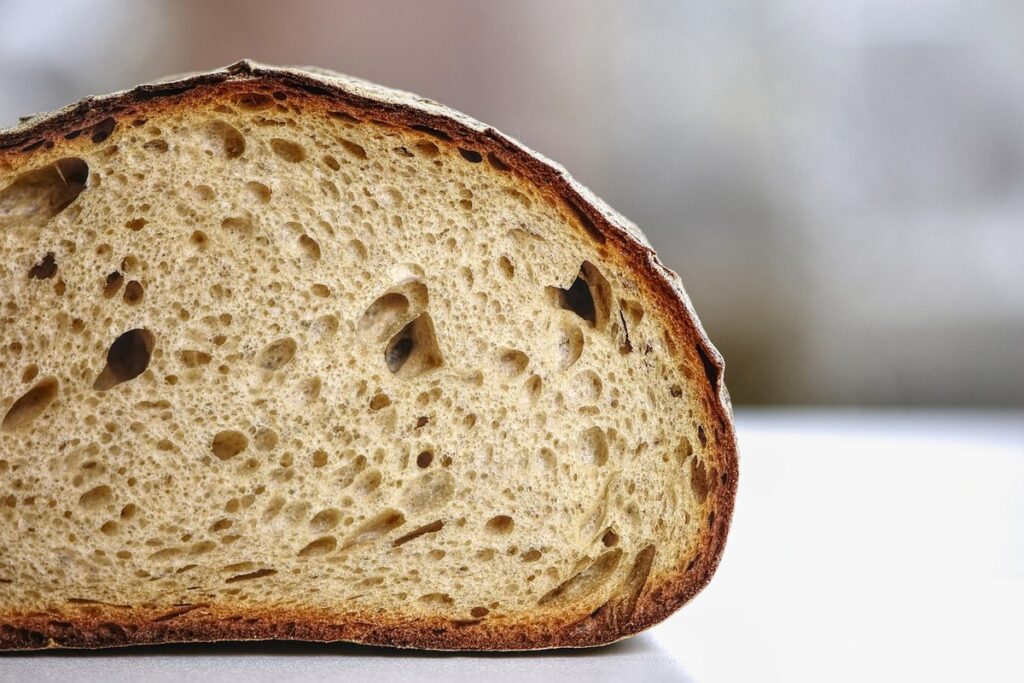
The Problem with Feeding Ducks Bread
Feeding ducks bread may seem harmless, but it can actually do more harm than good to these waterfowl and their habitats. Let’s explore the reasons why this common practice is problematic.
History and Popularity of Feeding Bread to Ducks
Feeding bread to ducks has become an enduring tradition in many parks and waterways around the world. This practice is believed to have originated from the idea of feeding wildlife as a way to connect with nature, but its origins date back further to when people would offer bread to birds as a form of entertainment or even as a means to supplement their own diets during times of scarcity.
Today, feeding ducks bread remains a popular activity among both locals and tourists. It’s often seen as a simple and easy way to engage with the wildlife in public spaces. In fact, many parks and tourist areas actively encourage visitors to bring bread to feed the ducks, viewing it as a harmless practice that brings joy to families and children.
However, while feeding bread may seem like a harmless activity, it has some serious drawbacks for both the ducks and their environment. We’ll explore these consequences in more detail later on, but for now, let’s just say that this tradition is worth questioning.
Nutritional Deficiencies in Bread for Ducks
Bread is often considered a convenient and easy food source for ducks, but it’s far from being a nutritious one. In fact, bread lacks essential vitamins, minerals, and fiber that ducks need to stay healthy.
One of the main concerns with feeding ducks bread is its lack of vitamin B12, which is crucial for the production of red blood cells. A deficiency in this vitamin can lead to anemia, weakness, and fatigue in ducks. Moreover, bread is often made from refined flour, which has been stripped of fiber, iron, and other essential minerals.
When ducks rely solely on bread as their primary food source, they’re at risk of developing a range of health problems, including malnutrition, digestive issues, and even death. In extreme cases, it’s not uncommon for ducks to die from consuming too much bread, which can lead to an imbalance in their gut bacteria.
To keep your feathered friends healthy and happy, make sure to provide them with a balanced diet that includes fresh vegetables, fruits, and whole grains – not just bread. Consider visiting local parks or lakes during the morning hours when ducks are most active, and bring some nutritious treats like lettuce, carrots, or cracked corn instead of bread. This way, you can help ensure that your feathered friends stay healthy and thrive.
The Impact on Duck Populations and Ecosystems
Feeding bread to ducks may seem harmless, but it can have a significant impact on their populations and the ecosystems they inhabit. We’ll explore this issue further in the following section.
Altered Behavior and Dependence on Humans
Feeding bread to ducks can have a profound impact on their behavior and ecosystem interactions. When ducks become reliant on human-provided food, they begin to alter their foraging habits, losing the instinct to search for natural sources of sustenance. This dependence on humans can lead to a decrease in their ability to adapt to changing environments. In fact, studies have shown that ducks fed by humans tend to lose weight and develop nutritional deficiencies due to an over-reliance on bread, which is low in essential nutrients.
This reliance also diminishes their natural foraging behaviors, making them vulnerable to environmental changes such as droughts or food shortages. When faced with these challenges, ducks who have become dependent on humans may struggle to survive without the aid of human-provided sustenance. To mitigate this issue, it’s essential to discourage bread feeding and encourage visitors to provide alternative foods that mimic natural sources of nutrition, such as leafy greens or aquatic plants.
Water Pollution and Disease Transmission
When ducks consume large amounts of bread, it’s not just their digestive system that suffers. Excess bread consumption can lead to water pollution through the duck’s feces, urine, and vomit, contaminating nearby water sources. This is especially concerning in urban areas where parks, lakes, and ponds are often used as feeding grounds for ducks.
The bacteria and nutrients present in these waste products can stimulate algae growth, leading to oxygen depletion and toxic algal blooms. When other aquatic species feed on or come into contact with this contaminated water, they risk ingesting pathogens, parasites, or toxins that can cause disease. For instance, the protozoan parasite Giardia has been detected in duck feces, which can be transmitted through ingestion of contaminated water.
It’s essential to recognize the role we play in perpetuating this cycle by feeding bread to ducks. By opting for alternative food sources like wild birdseed or certified duck feed, we can reduce the likelihood of water pollution and disease transmission among duck populations and other aquatic species.
Alternatives to Feeding Bread
If you’re ready to break free from the bread habit, let’s explore some tasty alternatives that are healthier and more environmentally friendly for your feathered friends.
Recommended Foods for Ducks
When it comes to feeding ducks, there are many healthy alternatives to bread that can provide them with the nutrients they need. Leafy greens like kale, spinach, and collard greens are an excellent choice. You can add these greens to their pond or water feature, or offer them as a treat on land. Fruits such as berries, apples, and grapes are also a great option. However, be sure to remove the seeds and pits from fruits before feeding them to ducks.
Grains like oats, barley, and wheat can also be given in moderation. But remember that these should not make up more than 10% of their diet. You can mix grains with leafy greens or other vegetables for a balanced meal. When introducing new foods, do so gradually to prevent digestive upset. Start by offering small amounts and observe the duck’s reaction before increasing the quantity.
Some other healthy options include sweet potatoes, carrots, and squash. These can be cooked or raw, depending on your preference. It’s essential to vary their diet to ensure they receive all the necessary nutrients for optimal health. By making a few simple changes, you can provide ducks with a more balanced and nutritious meal that will keep them happy and healthy.
Creating a Balanced Diet for Ducks
When it comes to creating a balanced diet for ducks, it’s essential to consider their specific needs based on age, species, and health conditions. For example, Muscovy ducks have different nutritional requirements than Wood Ducks. Young ducklings need more protein-rich foods like mealworms or commercial starter feed, while adult ducks benefit from a mix of grains, fruits, and vegetables.
Aim to provide 50-60% of your duck’s diet as high-quality pellets or commercial feeds, supplemented with fresh produce. Leafy greens like kale, spinach, and collard greens are excellent choices. Fruits like berries, melons, and apples can be given in moderation. Avoid giving ducks avocado, onions, or citrus fruits, as they can cause digestive issues.
Provide fresh water at all times, changing it daily to prevent bacterial growth. Maintain good hygiene practices by cleaning feeders and water containers regularly. Consider setting up a separate feeding area for your ducks to reduce the risk of contamination and promote healthy eating habits. By creating a balanced diet and prioritizing proper nutrition, you’ll be giving your feathered friends the best chance at thriving.
Misconceptions and Controversies
While it’s natural to want to feed ducks bread, there are some common misconceptions that can actually harm these lovable waterfowl. Let’s dive into the controversies surrounding this practice.
Debunking Common Myths about Feeding Ducks Bread
Feeding ducks bread may seem harmless, but it’s not as innocuous as it seems. Many people believe that giving bread to ducks is a kind gesture, but the reality is far from it. One common myth is that ducks need bread as a source of nutrition. However, this couldn’t be further from the truth.
In reality, bread provides empty calories and lacks essential nutrients that ducks require to stay healthy. A diet rich in bread can lead to malnutrition, digestive problems, and even death. For example, a study found that feeding ducks bread resulted in liver damage and impaired immune function in these waterfowl.
Another misconception is that giving bread to ducks helps control their population. However, this claim has been largely debunked by wildlife experts. Feeding ducks bread can actually encourage them to stay in urban areas, making it difficult for them to adapt to their natural habitats.
So, what can you do instead? Stick to feeding ducks their natural food sources like aquatic plants, insects, and grains. If you must feed them, use duck pellets or specialized birdseed that’s formulated specifically for waterfowl. By doing so, you’ll be supporting the health and well-being of these beautiful creatures.
Economic and Social Considerations
Feeding bread to ducks may seem harmless, but it has significant economic and social implications that often go unnoticed. For one, cleanup efforts can become a costly burden for local authorities. When tourists feed bread to ducks, they inadvertently create an attraction that leads to overpopulation and subsequent waste management issues. This not only strains municipal resources but also affects the environment.
Moreover, feeding bread to ducks can have negative social impacts on local communities. Conflicts often arise between tourists who want to feed the ducks and locals who prefer a more natural environment. Some areas even see an influx of aggressive birds due to overfeeding, posing a threat to public safety. To mitigate these issues, consider alternative options like providing duck-friendly vegetation or using specially designed feeding systems that do not encourage overconsumption. By making informed choices, we can promote the well-being of both ducks and local communities alike.
Best Practices for Duck Feeding
When it comes to feeding ducks, following best practices is crucial for their health and well-being. We’ll share our top tips on how to feed your feathered friends effectively.
Responsible Tourism and Community Engagement
When interacting with ducks and their habitats, it’s essential to adopt responsible tourism and community engagement practices. This not only benefits the local ecosystem but also promotes a positive experience for both humans and ducks.
To start, consider what you’re feeding the ducks. While it may be tempting to feed them bread, this practice can have detrimental effects on their health and the environment. Instead, opt for duck-friendly alternatives such as lettuce, spinach, or even oats. You can also purchase duck food specifically designed for aquatic birds from local pet stores.
When visiting duck habitats, look out for signs indicating what foods are acceptable to feed the ducks. Some parks and wildlife areas may have designated feeding stations with healthier options. Be sure to follow these guidelines and respect any rules in place.
By making conscious choices about how you interact with ducks, you can help preserve their well-being and promote a positive experience for both humans and birds alike.
Educating the Public about Healthy Duck Feeding
Educating the public about healthy duck feeding is crucial to prevent long-term harm to these beautiful creatures. As we’ve discussed throughout this post, bread can be detrimental to ducks’ health due to its low nutritional value and high calorie count. So, how do we educate the public on better duck-feeding practices?
One effective approach is through collaborative outreach programs with local authorities, conservation groups, and educational institutions. For instance, a park ranger could work with a local school to create educational materials about duck feeding. This way, kids learn about responsible feeding habits while developing an appreciation for wildlife.
Signage can also play a significant role in promoting healthy duck feeding. Clear signs at popular waterways can discourage bread feeding by stating the reasons why it’s not good for ducks. Local businesses can partner with conservation groups to create eye-catching posters or flyers that highlight the importance of feeding ducks nutrient-rich foods, such as fruits and vegetables.
Community events and workshops are also fantastic opportunities to educate people about duck feeding. Experts from local wildlife organizations can provide valuable insights on how to feed ducks sustainably, while engaging with the public in a friendly, approachable manner. By taking these initiatives together, we can ensure that our feathered friends thrive in their natural habitats.
Conclusion
Now that we’ve weighed the pros and cons, it’s time to summarize our findings on whether bread is a suitable food source for ducks. Let’s take a final look at what we’ve learned.
Recap of Key Takeaways
As we conclude our exploration of whether ducks should eat bread, let’s take a moment to recap the key takeaways from this article. Feeding bread to ducks may seem like a harmless activity, but it can have severe consequences for both the birds and their ecosystems.
We’ve discussed how over-reliance on bread as a food source can lead to malnutrition and an unhealthy gut in ducks, causing issues such as swim bladder problems and weakened immune systems. Moreover, bread consumption contributes to water pollution, as uneaten bread breaks down into sugars that feed algae growth, depleting oxygen levels and harming aquatic life.
In addition, feeding bread to ducks also fosters dependent behavior, making them rely on humans for food rather than hunting and gathering their natural diet. This can disrupt the delicate balance of nature and cause long-term harm to local ecosystems.
Now that we’ve explored these important concerns, it’s time to put our knowledge into action. To promote healthy duck populations and preserve our environment, let’s all do our part by abstaining from feeding bread to ducks and instead opting for duck-friendly foods or alternatives.
Call to Action for Responsible Duck Feeding Practices
As we conclude our exploration of whether ducks should eat bread, it’s essential to reflect on the impact of human interactions with these waterfowl. We’ve discussed the potential risks and consequences of feeding bread to ducks, but now it’s time to focus on what you can do to promote healthy and responsible practices.
When interacting with ducks, remember that their dietary needs are not aligned with our leftovers or snacks. Resist the temptation to feed them bread or other human foods, as this can lead to malnutrition, obesity, and even death. Instead, opt for duck-friendly foods like leafy greens, fruits, and insects. Not only will you be supporting the ducks’ natural diet, but you’ll also be contributing to their overall well-being.
By choosing responsible feeding practices, you’ll not only be helping the ducks but also promoting a positive experience for yourself. Imagine watching a family of ducks swim and play in their natural habitat without being lured by human scraps – it’s a truly magical sight! So next time you encounter ducks, remember to pack a bag with healthy treats and enjoy observing these beautiful creatures in their natural element.
Frequently Asked Questions
Can I still feed ducks if I don’t have access to a pet store or healthy food sources?
Yes, even without easy access to healthy food options, you can make a positive impact by avoiding bread and other human scraps altogether. Consider supporting local conservation efforts or participating in community gardening initiatives that promote sustainable duck feeding practices.
How do I balance providing treats with maintaining a balanced diet for ducks?
When introducing new foods, remember that 10-20% of a duck’s daily diet can come from treats. Focus on providing nutrient-rich options like leafy greens, fruits, and vegetables to supplement their natural diet. Avoid overfeeding, as this can lead to nutritional imbalances.
What if I have a large group or event with duck-watching activities – how can we promote sustainable feeding practices?
Educate your attendees about the negative effects of bread on ducks and their habitats. Offer healthy food alternatives, like oats or birdseed mixtures, in designated areas. Encourage visitors to observe from a distance and avoid touching or handling the birds.
How do I know if my local park or waterway has specific regulations regarding duck feeding?
Contact your local park administration or conservation department to inquire about any regulations or guidelines for duck feeding in the area. Familiarize yourself with the environment’s unique needs and adapt your approach accordingly.
What can I do if I notice a large number of ducks gathering in one spot, potentially creating water pollution issues?
If you witness this scenario, contact local wildlife experts or park rangers to report the issue. They can assess the situation and provide guidance on how to mitigate potential problems. Consider supporting initiatives that promote sustainable duck management practices in your community.