
If you’re an avid backyard chicken enthusiast or simply fascinated by the unique characteristics of Marans chickens, you’ve likely noticed their stunning eggs. But did you know that Marans eggs can come in a range of beautiful hues? From dark chocolate to light tan, the egg color chart for these lovely birds is quite diverse and intriguing. But what exactly determines the color of your Marans chicken‘s eggs? And how can you use this knowledge to better breed and care for your flock? In this article, we’ll delve into the fascinating world of Marans chicken eggs, exploring their unique characteristics, including a comprehensive egg color chart, breeding considerations, and expert tips on handling and collecting these beautiful eggs. Whether you’re an experienced breeder or just starting out, you won’t want to miss this informative guide.
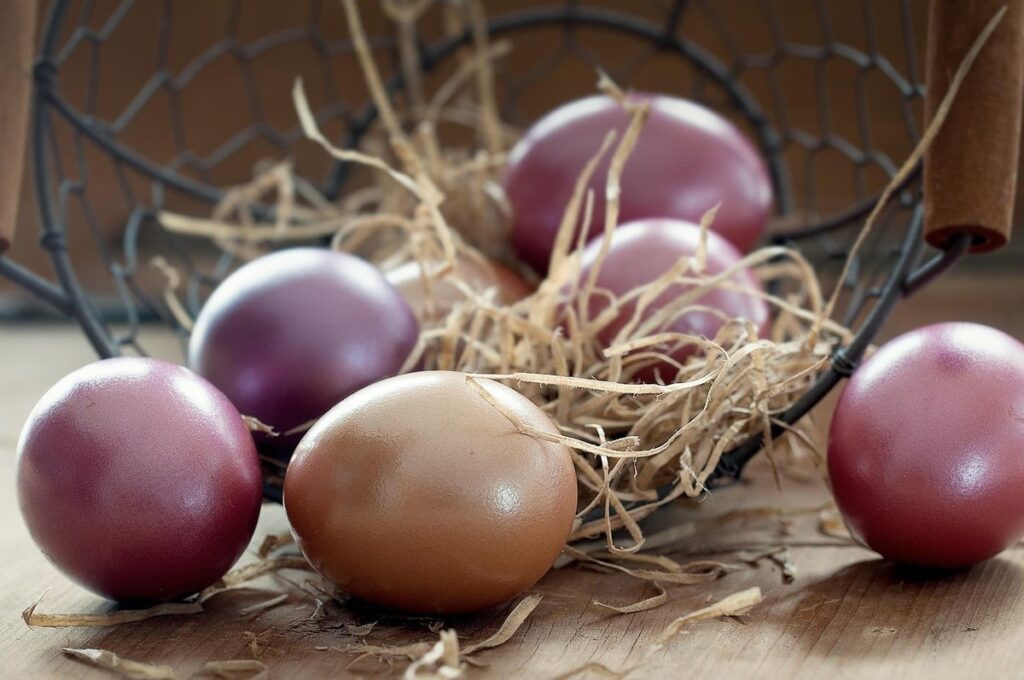
Understanding Marans Chickens and Their Eggs
Marans chickens are known for their distinctive egg-laying abilities, but what’s behind those rich brown eggs? Let’s take a closer look at the characteristics of these unique birds.
Origins of Marans Chickens
The Marans breed has a rich history that dates back to the 17th century in France. These chickens were originally bred for their unique egg-laying abilities and their striking appearance. One of the key characteristics of the Marans breed is their dark, chocolate-brown plumage, which gives them their distinctive name.
Marans chickens are believed to have originated from a combination of breeds brought back by French soldiers from their travels in Asia and Europe. Over time, they were selectively bred for their exceptional egg-laying abilities, with some Marans hens producing up to 200 eggs per year. This was particularly valuable during times of war when protein sources were scarce.
Today, the Marans breed is prized not only for its beautiful eggs but also for its friendly and docile nature. Many backyard chicken keepers enjoy raising Marans chickens for their unique characteristics and rich history. If you’re considering adding a Marans to your flock, be prepared for a loyal companion that will reward you with delicious dark brown eggs.
Key Factors Influencing Egg Color
The genetic makeup of Marans chickens plays a crucial role in determining the color and quality of their eggs. The brown pigment melanin is responsible for creating the distinctive dark, rich colors found in Marans eggs. However, it’s not just one gene that determines eggshell color – multiple genes work together to create the complex pigmentation we see.
The interaction between these genes is what makes Marans eggs so unique and varied in their coloration. For example, some breeds may have a dominant gene for dark brown, while others have a recessive gene for light blue or green undertones. The combination of these genes results in an incredible range of eggshell colors and patterns.
As a Marans breeder or owner, understanding the genetic factors at play can help you predict and even influence the color of your flock’s eggs. For instance, breeding birds with desired traits can lead to more consistent and predictable egg colors. By getting familiar with these genetics, you’ll be able to better appreciate and enjoy the beautiful, diverse colors that Marans chickens have to offer.
Identifying Marans Egg Colors: A Chart Overview
Understanding the different egg colors your Marans chickens will produce can be a bit tricky, but don’t worry, we’ve got you covered. This section provides an easy-to-read chart to help identify their unique eggs.
Chart Explanation and Interpretation
Understanding the Marans Egg Color Chart can seem daunting at first, but with a little practice, you’ll be able to read it like a pro. The chart is structured to help you quickly identify the colors of your Marans eggs based on their genetic makeup.
To start, let’s break down the different sections of the chart. On the left-hand side, you’ll see the color codes (E, I, G, W) and their corresponding descriptions (Eggshell, Isabella, Gold, White). These codes are used to indicate the dominant colors present in an egg.
Now, look at the columns to the right, which represent the different genetic combinations that result from the interaction of these dominant colors. As you move across each row, note how the presence or absence of specific genes influences the final egg color. For example, a Marans hen with the EE genotype will lay eggs with an Eggshell (E) color code.
The chart also considers interactions between multiple genes to predict more complex color patterns. Be aware that genetic combinations can result in unique and varying shades within each color category.
Common Egg Colors Found in Marans Chickens
If you’re planning to raise Marans chickens for their unique egg-laying abilities, it’s essential to know what colors to expect from these beautiful birds. The most common egg color variations found in Marans chickens include dark brown or chocolate-brown eggs, ranging from light to very dark tones.
You’ll also notice that some Marans chickens lay eggs with a slight blue tint, often referred to as blue-brown or teal-colored eggs. This is due to the chicken’s genetic makeup and can vary depending on individual bird characteristics. Some breeders have even developed strains with more pronounced blue undertones.
Another variation you might encounter is olive-green or greenish-gray eggs, which owe their coloration to specific genetic traits within the Marans breed. These eggs can be quite striking in appearance, adding an extra layer of visual interest for backyard chicken keepers and enthusiasts alike.
In terms of shades and tones, it’s worth noting that egg colors can vary depending on factors like diet, health, and individual bird personality. While this can lead to some interesting color variations, the most consistent producers will generally stick to their breed-specific ranges.
Breeding Considerations for Desired Egg Color
When breeding Marans chickens, it’s essential to consider their genetic makeup to influence the production of eggs in your desired color. Understanding these breed characteristics will help you achieve your goal.
Selective Breeding for Specific Colors
Selective breeding is a deliberate process of selecting and mating birds with specific traits to achieve desired characteristics. In the context of Marans chicken egg color, selective breeding involves identifying individual birds laying eggs with unique colors and then strategically pairing them to increase the frequency of these colors in their offspring. This approach relies on the principle of genetic variation, where even within a seemingly uniform flock, there’s inherent diversity.
For instance, breeders might select a hen laying deep blue-green eggs and mate her with a rooster from the same bloodline but with a slightly different egg color. Over generations, this process can yield a predictable increase in the desired trait. However, selective breeding requires patience, dedication, and a thorough understanding of genetics.
To apply these principles effectively, breeders must consider the genetic makeup of their flock, identify patterns of inheritance, and strategically plan pairings to maximize desired traits while minimizing unwanted ones. By doing so, they can successfully cultivate Marans chickens laying eggs in an array of colors, including the coveted dark chocolate brown.
Factors Affecting Successful Breeding Programs
When establishing a successful breeding program for Marans chickens, it’s essential to consider various factors that can impact egg color consistency. Environmental conditions play a significant role in this process. For instance, temperature fluctuations and humidity levels can affect the production of melanin, which is responsible for eggshell pigmentation.
Nutritional factors also come into play. A diet rich in omega-3 fatty acids, vitamins, and minerals can promote healthy skin and feather growth, leading to more vibrant eggshell colors. Conversely, a lack of these nutrients can result in dull or pale eggs. Health issues such as stress, disease, or parasites can also compromise the reproductive health of Marans hens.
Breeding programs should prioritize maintaining optimal environmental conditions, providing balanced nutrition, and ensuring good health practices to achieve consistent egg color results. By doing so, breeders can make informed decisions about their flock’s breeding program and work towards achieving their desired egg color goals. Regular monitoring of these factors will help identify potential issues before they affect the overall outcome.
Health Implications of Marans Egg Color Variations
Did you know that certain Marans egg color variations may have potential health implications for your flock, and understanding these risks is crucial to their well-being? We’ll explore the possible effects on your birds’ health.
Nutritional Impact of Different Eggshell Colors
The nutritional impact of different eggshell colors is an aspect that has garnered significant attention in recent years. Research suggests that the coloration of eggs may influence their nutritional profile due to the presence of various pigments. For instance, eggs with green or blue tint often contain more lutein and zeaxanthin, carotenoid antioxidants that protect against age-related macular degeneration.
The presence of porphyrins, specifically protoporphyrin IX, in dark-colored eggs has also been linked to increased levels of iron. However, a study on Marans chickens found no significant difference in the mineral content between eggshells of varying colors. It’s essential to note that these variations do not directly translate to nutritional differences within the egg itself.
When it comes to selecting eggs based on color for nutritional benefits, consider this: dark-colored eggs are more likely to contain higher levels of certain pigments, but the overall nutritional profile remains similar across different Marans breeds. If you’re looking to incorporate antioxidants like lutein and zeaxanthin into your diet, eating a balanced diet that includes a variety of fruits, vegetables, and whole grains may be more effective than relying solely on egg color.
Potential Allergenic Effects of Certain Eggshells
While marans chickens are prized for their beautiful egg colors, some eggshell hues may pose potential allergenic effects on certain individuals. For instance, eggs with dark blue or green tinted shells have been found to contain higher levels of porphyrins, which can be a problem for people with porphyria – a group of genetic disorders that affect the production of heme.
Research has shown that people with sensitivities may react adversely to these pigments. The symptoms can range from mild skin irritation and digestive issues to more severe allergic reactions like anaphylaxis in extreme cases. If you’re raising marans chickens for eggs, it’s essential to be aware of this potential issue and take necessary precautions.
If you notice any unusual reactions or sensitivities among your flock members or consumers of your eggs, consult a healthcare professional or poultry expert immediately. Regular testing and monitoring can help identify any issues early on.
Tips for Collecting and Caring for Marans Eggs
Now that you know what your Marans eggs should look like, let’s talk about how to collect them safely and keep them fresh for a longer period. Proper handling and storage will make all the difference in egg care.
Best Practices for Handling Marans Eggs
When it comes to collecting and caring for Marans eggs, proper handling is crucial to maintain their quality and integrity. To ensure safe handling, storage, and transportation of Marans eggs, follow these best practices:
* Wash your hands thoroughly before and after handling the eggs to prevent any bacterial transfer.
* Collect eggs from the nesting box gently to avoid cracking or breaking them.
* Store eggs in a cool, dry place with their pointed end facing up. This helps prevent moisture from entering the egg through the large end.
* Keep eggs away from direct sunlight, which can cause temperature fluctuations and compromise the egg’s quality.
* Transport eggs carefully, avoiding jarring or sudden movements that could crack them.
For longer storage periods, you can also consider refrigerating Marans eggs at a consistent refrigerator temperature below 40°F (4°C). Avoid washing the eggs before storing them, as excess moisture can lead to bacterial growth. By following these simple guidelines, you’ll be able to enjoy your beautiful Marans eggs for a longer period while maintaining their quality and safety.
Recommendations for Collecting Eggs from Breeding Flocks
When collecting eggs from breeding flocks, it’s essential to prioritize optimal quality to ensure the best possible outcome for your birds and your egg-laying program. Start by inspecting each bird regularly to check for any signs of illness or injury that may compromise their reproductive health.
Regular cleaning and disinfection of the coop and nesting boxes are also crucial to prevent contamination and maintain a healthy environment for your birds. Ensure you’re collecting eggs daily, as storing them for extended periods can lead to breakage and reduce their overall quality.
To minimize stress on the hens, consider implementing a gentle egg collection process. This might involve using a soft-bristled brush or a scoop specifically designed for egg collection. Handling the eggs with care will not only help preserve their quality but also promote a positive experience for your birds, leading to better overall health and well-being.
Monitor the breeding flock’s temperature and humidity levels, as extremes can negatively impact egg production and quality. Keep the nesting boxes at a comfortable 60-70°F (15-21°C) with moderate humidity to optimize hatching rates and reduce stress on the hens.
Common Misconceptions About Marans Egg Colors
Many people believe that Marans eggs will always be a deep, chocolate brown color, but there’s more to their colors than meets the eye. In fact, egg color can vary quite significantly in this breed.
Debunking Myths and Stereotypes
When it comes to Marans chicken egg colors, there are several common misconceptions that need to be addressed. One of the most prevalent myths is that Marans eggs will always be a deep, dark brown color with no variation whatsoever. However, this couldn’t be further from the truth.
In reality, Marans eggs can come in a range of colors and shades, including blue-green, olive green, terracotta, and even pure white in some cases. The reason for this variability is due to the genetics of the breed and the specific characteristics that are being passed down through generations.
Another misconception about Marans egg colors is that they will darken with age or exposure to light. While it’s true that eggs can develop a slightly darker tint over time, the initial color when the egg is first laid can vary significantly from one bird to another. In fact, some breeders have reported finding eggs in their nesting boxes with vibrant blue-green shells that gradually fade to a more muted brown as they age.
It’s also worth noting that Marans chickens are not prone to laying eggs with unusual markings or patterns like some other breeds. Their eggshells tend to be smooth and even, with no visible cracks or crevices. This can make it easier for breeders to sex their birds, as the females will typically begin laying eggs at around 18-20 weeks of age.
One of the most common questions we receive from readers is “How do I know what color my Marans eggs will be?” The answer, unfortunately, is that there’s no foolproof way to predict the exact shade or tone of your bird’s eggs. However, by keeping a close eye on your flock and noting any patterns or trends in their egg-laying habits, you may be able to make an educated guess about what to expect.
Ultimately, understanding the potential range of Marans egg colors can help breeders and owners alike better appreciate these beautiful birds for who they are. By embracing the unique characteristics that make each individual bird special, we can celebrate the diversity and beauty of this wonderful breed.
Frequently Asked Questions
Can I breed Marans chickens with other breeds to achieve a specific egg color?
While it’s technically possible to crossbreed, the resulting offspring may not inherit the desirable characteristics of Marans eggs. To produce Marans-like eggs consistently, it’s best to focus on breeding purebred Marans or develop a closed flock within a specific breed group.
What factors contribute to the consistency and quality of Marans egg colors?
Consistency in egg color is largely dependent on genetics, nutrition, and environmental conditions. A balanced diet rich in nutrients, especially calcium, is crucial for maintaining strong eggshell production. Additionally, providing adequate light exposure and maintaining optimal temperatures can also influence egg color.
How do I identify the sex of Marans chicks to ensure they’re producing eggs with desired colors?
Determining the sex of young chickens is typically done by vent sexing or DNA sexing. These methods require expertise and specialized tools. If you’re new to raising Marans, it may be beneficial to start with an existing flock or consult with experienced breeders to gain a better understanding of sexing techniques.
Can I collect eggs from my Marans breeding flock for personal consumption?
Yes, collecting eggs from your own flock can provide fresh, nutritious food for your family. However, ensure that the eggs are clean and handled properly to avoid contamination. Also, if you plan on hatching fertile eggs, it’s essential to maintain a separate collection system for breeders’ eggs.
How do I recognize potential health issues in my Marans flock based on egg color variations?
While some variation in egg color can be normal, certain patterns may indicate underlying health concerns. For example, pale or washed-out colors might suggest a calcium deficiency. Monitor your flock’s overall health and adjust their diet accordingly to minimize the risk of nutritional deficiencies affecting egg production.