
If you’re an aspiring chicken keeper or simply someone who loves unique eggs, you’ve probably heard of Marans chickens. But have you ever stopped to wonder about their famous egg-laying abilities? The truth is, Marans eggs come in a stunning array of colors – think chocolate brown, lavender blue, and everything in between! These gorgeous hues are not just aesthetically pleasing; they’re also the result of some fascinating genetic factors at play. In this article, we’ll delve into the world of Marans egg color variations, exploring what makes them so special and how you can encourage your own girls to produce these beautiful eggs. Whether you’re a seasoned chicken expert or just starting out, keep reading for expert tips on raising Marans chickens for diverse egg colors.
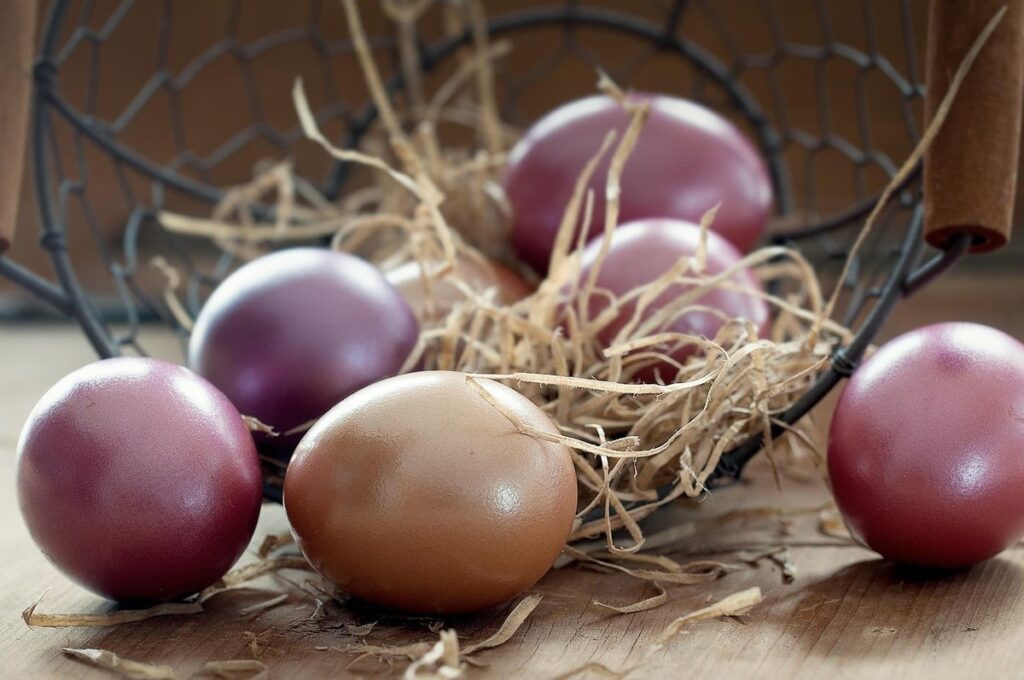
What Are Marans Eggs?
Marans eggs are prized for their unique characteristics and rich, dark colors, but what sets them apart from other egg types? Let’s take a closer look at these special eggs.
The Origin of Marans Chickens
The Marans breed of chicken originated in France in the 17th century. They were developed specifically for their ability to lay dark brown eggs, which was highly prized by French cooks. The name “Marans” is actually a reference to the town of Marans in western France where these birds were first bred.
In the early days, Marans chickens were used primarily as dual-purpose birds, providing both meat and eggs for the local population. However, their unique egg-laying abilities soon caught on with farmers and cooks alike. The breed’s distinctive appearance – with its glossy black feathers and rich, dark brown eggs – made them a sought-after addition to many farms.
To this day, Marans chickens remain one of the most popular breeds among backyard chicken enthusiasts due in large part to their stunning egg colors. In fact, many breeders still prize these birds for their ability to lay deep, dark brown eggs that are rich in nutrients and have a distinctive “marbling” effect on toast or other baked goods.
Interestingly, some Marans chickens can also produce eggs with a reddish-brown tint due to the presence of certain genetic traits. These eggs are highly prized by chefs and home cooks who value their unique color and flavor profile.
Characteristics of Marans Hens
Marans hens are known for their distinctive appearance and impressive egg-laying abilities. One of the most notable characteristics of Marans hens is their dark, rich plumage. Their feathers are a deep, chocolate brown color with a subtle sheen to them. The girls have a more vibrant plumage than the roosters, who tend to be a bit duller in comparison.
In terms of size, Marans hens are medium-sized birds that weigh around 7-9 pounds (3.2-4 kg). They’re not too big, but they’re certainly not small either. Their compact size makes them ideal for backyard flocks or smaller farms. One of the most impressive characteristics of Marans hens is their egg-laying ability. They’re prolific layers and will produce around 150-160 brown eggs per year. This is a significant amount considering their relatively small size.
If you’re looking to add some Marans hens to your flock, it’s essential to consider their unique needs. They require regular exercise and a balanced diet to maintain their egg-laying abilities. With proper care, these birds will reward you with an abundance of delicious brown eggs.
Marans Egg Color Variations
One of the most exciting aspects of raising Marans is discovering the unique colors their eggs can come in, from deep chocolate to soft olive. Let’s take a closer look at these beautiful variations together.
Chocolate Brown Eggs
The rich, velvety color of chocolate brown eggs is a true delight for Marans breeders and enthusiasts. But have you ever wondered what genetic factors contribute to this beautiful eggshell color? It all starts with the production of porphyrin, a pigment that’s responsible for creating the maroon or reddish-brown hues in many birds.
To produce chocolate brown eggs, your Marans hens need to inherit specific genes from their parents. These genes control the production and regulation of porphyrin, which is then deposited into the eggshell during the process of shell formation. The interaction between these genetic factors determines the final color intensity and shade, ranging from light tan to deep chocolate brown.
Interestingly, some studies suggest that the production of porphyrin in Marans eggs may be influenced by environmental factors such as diet, lighting, and temperature. For example, research has shown that a diet rich in iron can lead to increased porphyrin production, resulting in darker eggshell colors. By understanding these genetic and environmental factors, you can take steps to encourage your Marans hens to produce the most stunning chocolate brown eggs possible.
Olive Green Eggs
The Olive Green Eggs of Marans Chickens are a rare and unique delight for egg enthusiasts. These eggs owe their distinct coloration to the genetics of the Marans breed, which can produce a range of dark brown, black, and even olive green shades.
One of the main reasons why olive green eggs are so rare is that it takes a specific combination of genes to produce this color. The interaction between the E gene, responsible for egg white coloration, and the O gene, which controls yolk coloration, must occur in just the right way to create an olive green hue. As a result, only about 1-2% of Marans eggs will exhibit this distinctive color.
Olive green eggs are also prized by some chefs and foodies for their unique appearance and flavor profile. However, if you’re hoping to collect these rare eggs yourself, be prepared to invest in high-quality breeding stock and carefully manage the genetics of your flock. With patience and dedication, it’s possible to hatch a few olive green eggs of your own – but be warned: it’s a challenge worth taking on for any serious Marans enthusiast!
Lavender or Blue Eggs (Rarer Variations)
While Marans eggs are typically known for their dark, chocolate-brown hue, there exist rarer variations that can produce eggs with a lavender or blue tint. These unique egg colors are the result of specific genetic combinations that occur within the breed.
In the case of lavender eggs, this color variation is often linked to the production of a pigment called porphyrin. When porphyrin is present in higher concentrations, it can give eggs an attractive purple or lavender sheen. However, it’s essential to note that true blue eggs are extremely rare and almost never occur naturally.
The genetics behind these rarer egg colors involve complex interactions between multiple genes that control pigment production. While we can’t predict with certainty which chickens will produce these unique egg colors, enthusiasts often try various combinations of breeding to achieve the desired results. If you’re interested in experimenting with lavender or blue eggs, consider working with experienced breeders who have a deep understanding of Marans genetics.
It’s worth noting that while these rarer egg colors can be stunning additions to any collection, they may not always be stable or consistent. Be prepared for variable production and potentially fewer fertile eggs.
Factors Affecting Egg Color
The color of Marans eggs can be influenced by several factors, including genetics, nutrition, and environmental conditions, which we’ll explore in more detail below. Let’s dive into the specific elements that impact eggshell color.
Diet and Nutrition
When it comes to Marans egg colors, diet and nutrition play a significant role in determining the intensity and uniformity of the eggshell color. A balanced diet rich in nutrients is essential for healthy egg production, and this includes the necessary components to produce vibrant eggshells.
Marans hens require a diet high in calcium and protein to support strong eggshell formation. Calcium-rich foods such as dark leafy greens, oyster shells, and crushed eggshells can help promote darker, more intense eggshell colors. Conversely, a diet lacking in these essential nutrients may result in lighter or washed-out eggshell colors.
Adequate nutrition also ensures even pigmentation throughout the eggshell, leading to uniform color distribution. This is why supplementing your Marans’ diet with a high-quality layer feed can help maintain consistent eggshell coloration.
Health and Environmental Conditions
Health issues, stress, and environmental factors can significantly impact egg coloration. A Marans hen’s diet is particularly crucial for maintaining vibrant egg colors. For instance, a lack of essential nutrients like omega-3 fatty acids can cause eggs to appear dull or washed out.
Environmental conditions also play a significant role in affecting egg color. Temperature fluctuations, humidity levels, and exposure to light can all impact the pigmentation process within an egg. A study on chicken eggs found that extreme temperatures can decrease egg production by up to 50% and affect the quality of the eggs produced.
Additionally, stress caused by overcrowding, poor living conditions, or changes in routine can also lead to changes in egg color. When a hen is under duress, her body may divert resources away from producing vibrant eggs, resulting in less colorful yolks and whites.
To minimize these factors, ensure your Marans hens have access to a balanced diet rich in essential nutrients. Provide them with adequate space to roam, reduce stress by maintaining a consistent routine, and regulate environmental conditions within the coop to promote optimal egg quality.
Genetics and Inheritance
When it comes to determining eggshell color in Marans chickens, genetics play a significant role. The interaction of multiple genes is responsible for producing specific colors. Think of it like a recipe book – each gene adds its own unique ingredient, and the combination of these ingredients results in a specific eggshell color.
In Marars, the dominant gene for dark brown eggs is known as “M”, while the recessive gene for lighter brown or cream-colored eggs is represented by “m”. When two chickens have the genotype MM or Mm, they will produce dark brown eggs. However, if both parents are mm, they’ll pass on the recessive trait to their offspring, resulting in lighter eggshell colors.
The interaction of other genes, such as the “I” gene for intensity and the “B” gene for blue coloration, can also influence the final eggshell color. For instance, a Marans with the genotype Ib will produce eggs with a darker, more intense blue-green tint.
To predict the eggshell color of your Marans chicks, you’ll need to consider both parents’ genotypes and how their genes interact. This knowledge can help you make informed breeding decisions or anticipate the colors of your hens’ eggs.
Keeping Marans Chickens for Egg Color Diversity
If you’re looking to add a splash of color to your egg carton, raising Marans chickens can be an excellent choice. This breed is known for its unique and diverse egg colors.
Advantages of Raising Marans Chickens
Raising Marans chickens is not only rewarding but also offers numerous benefits. One of the main advantages is their stunning egg color diversity, which adds a pop of color to any breakfast table. With egg shades ranging from dark chocolate to light lavender, you’ll never tire of collecting eggs from your Marans coop.
Beyond their striking egg colors, Marans chickens are known for their friendly and docile nature, making them an excellent choice for families with children or for backyard chicken keepers who want low-maintenance pets. They’re relatively easy to care for and adapt well to small spaces, such as urban gardens or suburban backyards.
Additionally, Marans hens are prolific layers, producing a respectable 200-220 eggs per year, making them a valuable addition to any small flock. Their friendly demeanor also means they’ll readily follow you around the yard, entertaining children and adults alike with their curious antics. Overall, raising Marans chickens is an excellent choice for anyone looking to add some color and charm to their backyard or egg-laying experience.
Tips for Encouraging Egg Color Variations in Your Flock
When it comes to encouraging egg color variations in your Marans flock, understanding the genetic factors at play is key. Marans chickens owe their unique eggshell colors to a combination of genetics and environmental influences. To increase the chances of getting a range of egg colors, breed multiple roosters with different genetic profiles into your flock.
Another approach is to prioritize individual chicken characteristics over overall breed uniformity. Focus on selecting hens that exhibit interesting color patterns or combinations in their eggs. By doing so, you’ll create an environment where diverse gene expressions can thrive.
To take it a step further, consider introducing new bloodlines or breeds with distinct eggshell colors into your flock. This technique is called “linebreeding.” Be aware that linebreeding carries some risks, such as increased susceptibility to certain health issues.
Ultimately, managing your flock for diversity means striking a balance between creating an environment conducive to genetic expression and minimizing the risk of inbreeding depression. By adopting a thoughtful approach to selecting and breeding your Marans hens, you’ll be well on your way to showcasing a stunning array of eggshell colors.
Conclusion: Appreciating the Beauty of Marans Eggs
As you’ve learned about the unique characteristics of Marans egg colors, let’s take a moment to appreciate their beauty and why they’re truly one-of-a-kind.
Importance of Biodiversity in Poultry
Preserving genetic diversity in poultry breeds is crucial for their long-term sustainability. When it comes to Marans eggs, the importance of biodiversity cannot be overstated. With the increasing demand for exotic and unique egg colors, some breeders have focused solely on producing a specific color or trait, sacrificing genetic diversity in the process.
This narrowing of gene pool can lead to decreased fertility rates, increased susceptibility to diseases, and reduced adaptability to environmental changes. In contrast, maintaining a diverse range of breeds ensures that there is always a safeguard against extinction and allows for natural selection to occur, promoting resilience and robustness within the flock.
For example, some breeders have successfully preserved Marans genetic diversity by cross-breeding with other heritage breeds. This not only enriches the egg color palette but also fosters a more resilient and adaptable population. By supporting these conservation efforts, we can ensure that the beauty of Marans eggs continues to thrive for generations to come.
Final Thoughts and Recommendations for Marans Keepers
As you’ve delved into the world of Marans eggs and their stunning colors, we hope you’re now inspired to bring these unique birds into your backyard flock. If that’s the case, or even if you simply want to learn more about them, here are our final thoughts and recommendations for appreciating the beauty of Marans eggs.
Firstly, when selecting a breed, consider factors such as temperament, egg production rate, and noise level to ensure they fit well with your lifestyle. For example, Marans chickens are known for their docile nature and relatively low noise levels, making them an excellent choice for families or backyard chicken keepers.
It’s also essential to provide a nutrient-rich diet that supports the development of those vibrant eggshell colors. A balanced layer feed combined with access to fresh fruits, vegetables, and probiotics will help your Marans hens thrive and lay eggs with deep, rich hues.
If you’re new to keeping chickens, start small and research local regulations before bringing your flock home. With proper care and attention, your Marans birds will reward you with an abundance of beautiful eggs that add a touch of elegance to any kitchen or breakfast table.
Frequently Asked Questions
Can Marans chickens be kept as backyard hens if I live in a cold climate?
Yes, Marans chickens are relatively hardy birds and can tolerate moderate cold temperatures. However, they still require adequate shelter, nesting boxes, and protection from extreme weather conditions. Research local regulations and ensure you provide suitable living conditions for your flock.
How long does it take to see the full range of egg colors in a Marans flock?
The diversity of egg colors in a Marans flock may take time to develop. It can take several generations (around 2-5 years) for the full range of egg colors to emerge, as the genetic factors that influence egg color are complex and multi-factorial.
Are there any specific dietary needs or supplements I should provide for my Marans hens to promote healthy egg production?
Marans chickens require a balanced diet rich in protein, calcium, and other essential nutrients. You may consider adding supplements like oyster shells or crushed eggshells to their feed to support strong eggshell development. Consult with a poultry expert or veterinarian for personalized advice.
Can I crossbreed Marans chickens with other breeds to create more diverse egg colors?
While it’s possible to crossbreed Marans chickens with other breeds, the resulting offspring may not inherit the full range of egg color variations characteristic of purebred Marans. The genetics of egg color inheritance are complex, and unpredictable outcomes can occur when crossing different breeds.
How do I prevent diseases and maintain a healthy flock in my backyard?
Maintaining a healthy flock requires attention to biosecurity measures, such as regular cleaning of coops and run, proper ventilation, and vaccination programs if necessary. Research local health guidelines and consult with experts to ensure you’re taking the best steps for your flock’s well-being.