
If you’re thinking of bringing home a feathered friend, chances are you’ve considered geese – but have you ever stopped to think about the males specifically? Male geese can be quite different from their female counterparts when it comes to behavior, health, and care requirements. Unfortunately, many people mistakenly believe that male geese don’t make good pets due to misconceptions surrounding their aggression and mating habits. But with proper knowledge and understanding, responsible breeding practices can help bring these magnificent creatures into our lives while minimizing the risks.
In this article, we’ll delve into the intricacies of male goose behavior, habitat requirements, common misconceptions, and best practices for care and breeding. Whether you’re a seasoned bird owner or just starting out, our guide will provide valuable insights to ensure your feathered friend leads a happy and healthy life.
Introduction to Male Geese
When it comes to understanding our feathered friends, knowing the basics of male goose behavior is essential for any bird owner. In this section, we’ll cover their unique characteristics and habits.
Characteristics of Male Geese
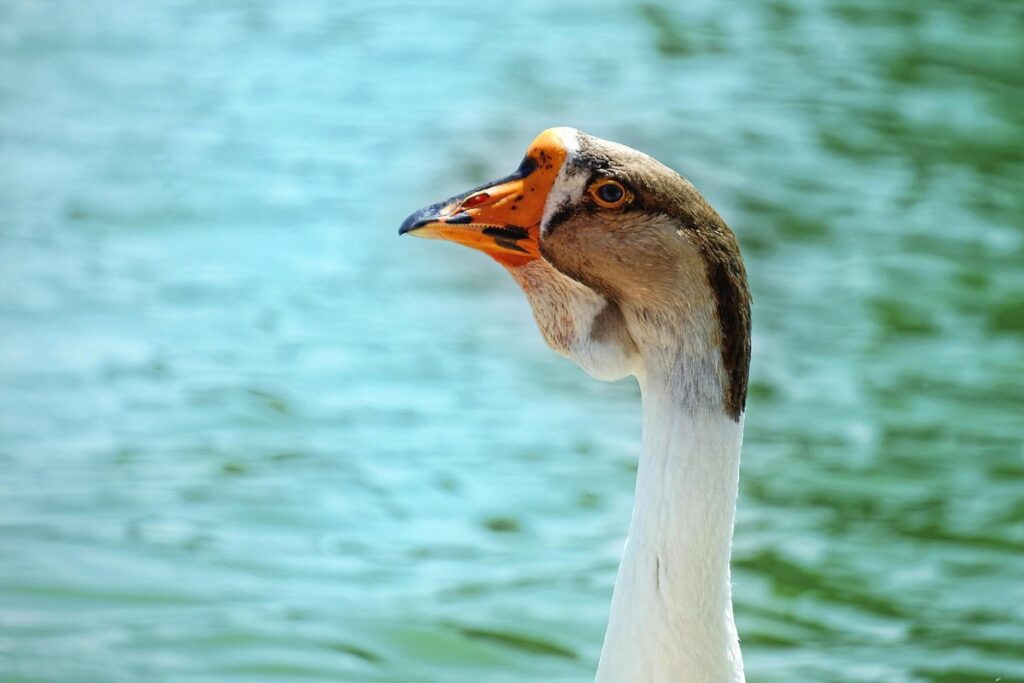
Male geese possess distinct physical characteristics that set them apart from their female counterparts. One of the most notable differences is their size. On average, males tend to be larger than females, with some breeds weighing up to 20 pounds more. This increased size can make them appear more robust and powerful.
In terms of plumage, male geese typically sport a sleeker, more streamlined coat that often features vibrant colors such as white, black, or brown. Their feathers may also display intricate patterns and markings, adding an extra layer of visual appeal. However, it’s worth noting that some breeds may have less striking coloration.
Another unique trait of male geese is their distinctive honking call, which can be loud and piercing when they feel threatened or want to establish dominance within their flock. This vocalization serves as a warning signal to potential predators or rivals, helping the male goose protect its territory and family.
Male geese also tend to have longer necks than females, allowing them to reach higher into the water to forage for food. This adaptation enables them to exploit a wider range of aquatic resources, giving them an edge in terms of survival and success.
Importance of Understanding Male Geese Behavior
Understanding male goose behavior is crucial for responsible ownership and management. A significant reason for this is that geese are social animals, and their behavior can be influenced by factors such as habitat, diet, and stress levels.
Male geese, in particular, can be quite territorial and protective of their mates and young. They may become aggressive if they feel threatened or if their space is invaded. For example, a male goose may hiss, flap its wings, or even attack if it perceives someone approaching its nest or family.
To manage this behavior effectively, it’s essential to provide a safe and secure enclosure that allows for adequate space to roam. You should also establish clear boundaries and rules for interacting with the geese. This includes not approaching them during mating season or when they’re with their young.
Additionally, being aware of the warning signs of aggression can help prevent conflicts. By understanding male goose behavior, you can take proactive steps to create a harmonious environment for both humans and animals.
Overview of Common Misconceptions about Male Geese
When it comes to male geese, there are several common misconceptions that can often lead to frustration and difficulties when caring for these birds. One of the most prevalent myths is that male geese are inherently aggressive. While it’s true that males will defend their territory and mate, this behavior is not typically aggressive in nature. In fact, many breeders have found that intact (not neutered) males can be quite docile and gentle around people.
Another misconception about male geese is that they’re excessively loud. While it’s true that geese are vocal birds, the noise level is often exaggerated by new owners. To put this into perspective, a study published in the Journal of Wildlife Management found that the average decibel level produced by a single domestic goose was around 55-60 dB, which is roughly equivalent to the sound of a vacuum cleaner or normal conversation.
It’s worth noting that noise levels can be reduced with proper training and habituation. With consistent socialization and positive reinforcement, many male geese learn to vocalize at more acceptable decibel levels, making them wonderful companions for families and individuals alike.
Habitat and Housing Requirements for Male Geese
When it comes to housing your male goose, providing a safe and suitable environment is crucial. We’ll cover the essential habitat and housing requirements to ensure their well-being.
Providing Suitable Space for Male Geese
When it comes to providing suitable space for male geese, it’s essential to remember that they require plenty of room to roam and exercise. A minimum of 2-3 square feet per bird is recommended, but ideally, you should aim for a larger enclosure with adequate fencing to prevent escape attempts and potential injuries.
For male geese, a secure and sturdy fence is crucial, as they are notorious for their strong flying abilities and can easily clear short fences. Consider using fencing that’s at least 3 feet high, made of durable materials like wood or metal, and installed around the perimeter of the enclosure. A good rule of thumb is to ensure that the fence extends at least 12 inches below ground level to prevent digging escape routes.
In terms of enclosures, a large, open area with grassy patches and shallow pools for swimming is ideal. You can also consider creating separate areas for different activities, such as nesting boxes or sheltered feeding areas. By providing an expansive space that meets their physical and social needs, you’ll be able to keep your male geese happy, healthy, and well-adjusted.
Creating a Safe and Comfortable Environment
When it comes to creating a safe and comfortable environment for male geese, providing adequate shelter and water sources is crucial. Male geese require a secure place to roost at night, protected from harsh weather conditions and potential predators. You can achieve this by setting up a sturdy goose house or shelter with good ventilation, ideally located in a quiet area of the property.
When selecting a location for your shelter, consider factors such as proximity to food and water sources, as well as accessibility for cleaning and maintenance. Make sure the shelter is well-ventilated to prevent ammonia buildup from their droppings. In terms of water sources, provide access to clean, fresh water at all times. A minimum of one gallon of water per bird per day is recommended. Consider installing a floating dock or platform to allow your male geese easy access in and out of the water.
A safe and comfortable environment also means ensuring your male geese have enough space to move around. The general rule of thumb for housing geese is at least 10 square feet per bird. By providing ample shelter, clean water sources, and sufficient living space, you’ll be creating a happy and healthy environment for your male geese.
Understanding the Needs of Male Geese in Various Climates
Male geese have unique needs that vary depending on the climate they live in. In hot and humid climates, it’s essential to provide them with adequate shade and ventilation to prevent heat stress. A sheltered area with proper airflow can help keep your male goose cool, especially during peak sun hours.
In cold climates, male geese require a waterproof shelter to protect them from harsh winds and precipitation. The shelter should be well-insulated to maintain a comfortable temperature, around 40°F to 50°F (4°C to 10°C). It’s also crucial to provide access to fresh water and a balanced diet that meets their energy needs.
In regions with extreme weather conditions, such as heavy snowfall or scorching temperatures, it’s vital to check on your male goose frequently to ensure they have enough food, water, and shelter. Provide extra care during these periods by checking for signs of stress, disease, or hypothermia.
Regardless of the climate, provide your male goose with a safe and secure area to roam, free from predators and other potential threats. This can include fencing around their enclosure or a secure run attached to the shelter.
Health Considerations for Male Geese
When caring for male geese, it’s essential to consider their specific health needs to ensure they lead long and happy lives. This includes monitoring their diet, exercise, and potential health issues unique to males.
Common Health Issues Affecting Male Geese
Male geese are prone to several health issues that can affect their quality of life and longevity. One common problem is respiratory issues, which can be caused by a variety of factors such as dust, pollen, and cold temperatures. This can lead to conditions like bronchitis, pneumonia, and sinus infections.
Feather loss is another common issue affecting male geese, often due to stress, nutritional deficiencies, or parasites like mites and lice. In extreme cases, excessive feather loss can leave the goose vulnerable to cold temperatures and other environmental stressors.
To mitigate these issues, it’s essential to provide a healthy environment for your male geese. This includes providing regular veterinary check-ups, maintaining a clean living space, and ensuring access to nutritious food and fresh water. You should also take steps to prevent stress, such as providing adequate space, social interaction, and engaging activities.
Regular monitoring of your geese’s health can help you identify potential issues early on, allowing for prompt treatment and prevention of complications.
Importance of Regular Veterinary Care
Regular veterinary care is essential for male geese to prevent and detect health issues early on. Vaccinations play a crucial role in protecting your male goose from diseases such as Newcastle disease, avian influenza, and fowl pox. Consult with your veterinarian to determine the necessary vaccinations for your region and age of bird.
In addition to vaccinations, parasite control is vital to maintain your male goose’s overall health. External parasites like lice, mites, and ticks can cause discomfort and transmit diseases, while internal parasites such as worms can lead to malnutrition and anemia. Regular deworming and external parasite treatment, usually in the spring and fall seasons, will keep these issues under control.
It’s also essential to schedule annual check-ups with your veterinarian to monitor your male goose’s health and detect any potential problems early on. During these visits, your veterinarian can perform a thorough examination, check for any signs of illness or injury, and provide personalized advice on nutrition, grooming, and environmental enrichment.
Nutrition and Diet Requirements for Male Geese
Male geese require a balanced diet that meets their unique nutritional needs. A mix of grains, proteins, and fresh vegetables should be included in their feed to provide essential nutrients. For example, you can offer high-quality commercial goose pellets as the main staple, supplemented with oats or barley for fiber.
In addition to these staples, male geese benefit from fruits such as apples, berries, and melons. Leafy greens like kale, spinach, and collard greens are also rich in vitamins and minerals. Fresh water should be available at all times to ensure proper hydration.
Avoid overfeeding, as it can lead to health issues like obesity and liver problems. Aim for 1-2% of the bird’s body weight per day. For instance, a 5-pound goose needs about 0.05 pounds or 22 grams of feed daily.
Monitor your male geese’s droppings to ensure they are well-absorbed nutrients. A change in color or consistency may indicate an imbalance in their diet. Regular veterinary check-ups will also help identify any potential health issues related to nutrition.
Breeding and Reproduction in Male Geese
Male geese can be quite prolific breeders, but as a responsible owner, it’s essential to understand their breeding habits and reproductive cycle to provide proper care for your flock. Let’s explore this fascinating aspect of male goose biology together.
Understanding the Breeding Cycle of Male Geese
Male geese breed during specific times of the year, typically from March to July, depending on their species and geographic location. During this period, male geese experience a surge in reproductive hormones, leading them to establish dominance hierarchies within their flocks.
To attract females, males will often engage in loud honking displays, flyovers, and vying for dominance within the group. The dominant male will then mate with multiple females, ensuring genetic diversity and strengthening his social position.
It’s essential for owners of pet geese to recognize these breeding behaviors and provide a suitable environment for their birds. This includes separating males from females during the breeding season to prevent unwanted mating and potential aggression between the sexes. Additionally, providing a large enough enclosure with adequate space for each bird to establish its own territory can help reduce stress and aggression associated with dominance struggles.
A balanced diet rich in nutrients will also support the male’s reproductive health and overall well-being during this period.
Recognizing Signs of Mating and Courtship Behavior
When it’s breeding season, male geese exhibit specific behaviors to attract females and establish dominance. Recognizing these signs can help you identify when a male goose is ready for mating or has already formed a bond with a female.
One of the primary indicators of courtship behavior is honking. During this time, males will often engage in loud, persistent calling to announce their presence and intentions to potential mates. They may also display aggressive posturing towards rival males to secure a mate.
Another key sign is visual displays. Male geese will perform elaborate dances, such as strutting, bobbing their heads, and flapping their wings, to showcase their strength and vitality. These displays can be intense and energetic, with the male goose often spreading his tail feathers to make himself appear larger.
In terms of specific behaviors, males may also engage in feeding or preening displays for females, such as presenting them with food or gently cleaning their feathers. By observing these actions, you can gauge the level of interaction between a pair of geese and potentially identify signs of courtship.
Importance of Responsible Breeding Practices
Responsible breeding practices are essential when it comes to male geese. Not only do they impact the overall health and well-being of the birds, but also the welfare of their offspring. When selecting a mate for your male goose, look for a reputable breeder who prioritizes animal welfare and follows humane treatment guidelines.
Some key considerations include ensuring the ganders are not overbred, which can lead to health problems, and providing adequate space and care during breeding season. A good breeder will also be transparent about the genetic makeup of their birds, allowing you to make informed decisions about your flock’s diversity.
When evaluating a potential mate, consider factors such as temperament, health records, and breeding history. Avoid breeders who prioritize profit over animal welfare or those who engage in inhumane practices like separating ganders from their mates too early.
By choosing responsible breeding methods, you can ensure that your male goose is bred with the best possible genetics, leading to healthier, happier birds for generations to come. This not only benefits your flock but also contributes to the overall conservation and sustainability of waterfowl populations.
Managing Aggression in Male Geese
When dealing with aggressive male geese, it’s essential to understand their behavior and take steps to manage their aggression before it becomes a problem for you or others. This section will walk you through practical strategies for achieving peace in your backyard or farm.
Understanding the Causes of Aggression in Male Geese
When it comes to understanding why male geese exhibit aggressive behavior, there are several common causes that need to be considered. One of the primary reasons is territorial behavior. Male geese are known to fiercely defend their territory and will attack anyone they perceive as a threat. This includes other animals, people, and even their own family members.
Stress is another major contributor to aggression in male geese. Geese can become stressed due to various factors such as changes in their environment, lack of space or resources, or even changes in their social dynamics. When a goose becomes stressed, it may exhibit aggressive behavior as a coping mechanism.
It’s essential for owners to recognize these signs and address the underlying causes. For instance, providing a spacious enclosure with adequate shelter and resources can help reduce stress levels in male geese. Additionally, introducing multiple males to each other should be done gradually under close supervision to prevent territorial conflicts. By understanding and addressing the root causes of aggression, you can work towards creating a harmonious environment for your male goose.
Strategies for Reducing Aggression in Male Geese
When it comes to managing aggression in male geese, understanding that their behavior is often rooted in instinct and social hierarchy is crucial. However, there are strategies you can implement to reduce aggression and create a more harmonious environment for both you and your feathered friend.
One effective approach is training through positive reinforcement techniques. By rewarding desired behaviors such as calmness or gentle interactions, you can encourage your male goose to adopt less aggressive habits. For example, offering treats or praise when he remains calm in the presence of other animals or people can help him associate these situations with positive outcomes.
Environmental modifications also play a significant role in reducing aggression. Providing adequate space and separating areas for eating, sleeping, and socializing can help reduce competition and stress among male geese. Additionally, making sure your goose has plenty of exercise opportunities and mental stimulation through activities like swimming or foraging can help burn off excess energy and redirect aggressive tendencies.
It’s also essential to recognize warning signs such as hissing, growling, or aggressive posturing in your male goose, and take immediate action by separating him from the source of aggression.
Importance of Proper Handling and Socialization
Proper handling and socialization are crucial for male geese, especially during their formative stages. If not handled correctly, they may develop aggression issues that can be challenging to address later on.
When interacting with your male goose, it’s essential to be gentle yet firm. Avoid sudden movements or loud noises, which can startle them and lead to aggressive behavior. Instead, move slowly, speak calmly, and let the goose come to you. This approach helps build trust and ensures a positive association with human interaction.
Socialization is also vital for male geese. Expose your bird to various environments, people, and animals from an early age to help them become confident and calm in new situations. You can start by introducing them to other geese, then gradually introduce them to children, adults, and even other pets like dogs or cats.
Some practical tips for socialization include taking your male goose on regular outings, such as walks around the farm or backyard, and engaging with them daily through playtime and feeding sessions. By investing time in proper handling and socialization, you can help prevent aggression issues and foster a strong bond between you and your male goose.
Conclusion and Final Considerations
In conclusion, caring for a male goose requires attention to its unique needs and behaviors. As you’ve learned throughout this guide, understanding its social requirements, diet, and health concerns is crucial for a happy and healthy bird. Remember that male geese can be quite protective of their territory and loved ones, so it’s essential to establish trust and respect early on. When introducing your goose to new environments or animals, do it gradually to avoid stressing them out. By considering these factors and taking the right steps, you’ll be well-equipped to provide the best possible care for your feathered companion. With patience and dedication, you can enjoy a long and rewarding relationship with your male goose.
Frequently Asked Questions
Can I keep a male goose alone, or do they require a companion?
Male geese are social animals that thrive on interaction with their own kind. While it’s possible to keep one male goose alone, it’s recommended to provide companionship for them to prevent boredom and stress. Introducing another male goose can be challenging, so consider starting with a pair if you’re new to breeding.
How do I recognize signs of aggression in my male goose?
Recognizing aggression in male geese is crucial to preventing harm to yourself or other animals. Look out for displays of dominance, such as raised hackles, loud honking, and aggressive posturing. If left unaddressed, these behaviors can escalate into attacks. Addressing the root cause of aggression by implementing proper handling and socialization techniques is essential.
Can I breed male geese in urban areas?
While it’s not impossible to breed male geese in urban areas, consider the space and noise requirements for a successful breeding program. Male geese need sufficient space to fly, exercise, and mate, which may be challenging to provide in densely populated urban environments. Research local regulations and zoning restrictions before attempting to breed male geese.
How do I prevent my male goose from becoming too aggressive during mating season?
Mating season can be a challenging time for male geese owners, as the birds’ natural instincts may lead them to become more aggressive. Providing a suitable environment with ample space, proper nutrition, and stress-reducing measures can help minimize aggression. Regular veterinary check-ups and consulting with experienced breeders can also provide valuable insights.
What’s the best way to introduce a new male goose to my existing flock?
Introducing a new male goose to an existing flock requires careful planning to prevent conflicts and territorial disputes. Gradually acclimate the newcomer to the existing flock, ensuring a calm and safe introduction process. Maintain close supervision during this period, monitoring body language and behavior for any signs of aggression or stress.