
Are you looking for a reliable source of fresh, nutrient-rich eggs? If so, you might want to consider Ancona chicken eggs. Not only are these birds known for their impressive egg-laying abilities, but they’re also relatively low-maintenance and easy to raise on your own property. In this article, we’ll delve into the unique characteristics that make Ancona chicken eggs stand out from the rest. We’ll explore their nutritional value and discuss the various health benefits associated with consuming them. If you’re interested in raising chickens for egg production or simply want to learn more about these incredible birds, keep reading. You’ll discover tips on how to raise Anconas successfully, ensuring a steady supply of fresh eggs from your backyard flock.
Characteristics and History of Ancona Chickens
Let’s dive into the fascinating history and distinct characteristics that make Ancona chickens a unique breed, shaping their egg-laying abilities. Their rich heritage is deeply rooted in Italian tradition.
Origin and Breed History
The Ancona chicken breed has its roots in Italy, specifically in the Abruzzo region. Their history dates back to the 19th century when they were first bred as a workhorse for farms and smallholdings. The name “Ancona” is derived from the city of Ancona, a major port on the Adriatic coast of Italy.
These birds were prized for their exceptional foraging ability, which allowed them to thrive in diverse environments. They were often used to control pests and weeds, making them an invaluable asset to small farmers. As Italian immigrants brought the breed to other parts of the world, the Ancona’s popularity grew among backyard chicken keepers due to its hardiness and adaptability.
One key factor contributing to their widespread adoption is their unique egg-laying ability. Ancona hens are prolific layers, producing around 200 brown eggs per year. This has made them a popular choice for those looking to start or expand their backyard flock. If you’re considering adding Anconas to your flock, be sure to provide them with plenty of space and exercise to encourage optimal egg production.
Physical Characteristics of Ancona Chickens
Anconas are indeed one of the most recognizable breeds due to their unique physical characteristics. One of the first things you’ll notice about these chickens is their compact size. Anconas typically weigh between 4-6 pounds and stand around 12-14 inches tall, making them a great fit for small backyards or even indoor coops.
Their plumage is another standout feature – most Anconas sport a beautiful shade of blue or grey feathers, although some may have white or black spots. The exact coloration can vary depending on the specific bloodline and genetics of the individual bird. But what really sets Anconas apart are their distinctive markings: white patches on the wings, tail, and belly that add a charming touch to their overall appearance.
When it comes to identifying an Ancona chicken egg, take note that their physical characteristics don’t necessarily translate directly to the eggs themselves. However, knowing how to spot an Ancona in person can give you valuable insight into what to expect from their eggs – more on that later!
Egg-Laying Capacity and Quality
When it comes to choosing the perfect egg-laying breed, understanding their capacity and quality is crucial. In this section, we’ll delve into the Ancona chicken’s impressive egg-laying abilities and what you can expect from their eggs.
Average Egg Production per Year
An average Ancona hen lays around 180-200 eggs per year, making them an excellent choice for backyard chicken keepers and small-scale farmers. However, egg production can vary depending on several factors such as age, nutrition, and climate.
As a general rule, young Ancona hens (less than 1 year old) will produce fewer eggs compared to their mature counterparts. According to the American Poultry Association, young hens may lay around 100-120 eggs per year, while mature hens can produce up to 250 eggs annually.
Proper nutrition also plays a significant role in egg production. Ancona hens require a balanced diet that includes essential nutrients like protein, calcium, and vitamins A and D. Supplementing their feed with omega-3 fatty acids and probiotics can also help improve egg quality and increase production.
To maximize egg production, it’s essential to provide your Ancona hens with access to fresh air, clean water, and adequate space for exercise. You should also ensure that they are protected from extreme temperatures and stressors, as these can negatively impact their egg-laying capacity.
In ideal conditions, an Ancona hen can live up to 10-12 years, laying eggs consistently throughout her lifespan. By providing the right care and attention, you can enjoy a steady supply of fresh, high-quality eggs from your very own flock.
Egg Size, Shape, and Color
Ancona chicken eggs are known for their unique characteristics that set them apart from other breeds. In terms of size, Ancona eggs tend to be on the smaller side, with an average weight of about 2 ounces (57 grams). This is due to the breed’s overall size and weight, as Anconas are a relatively small bird.
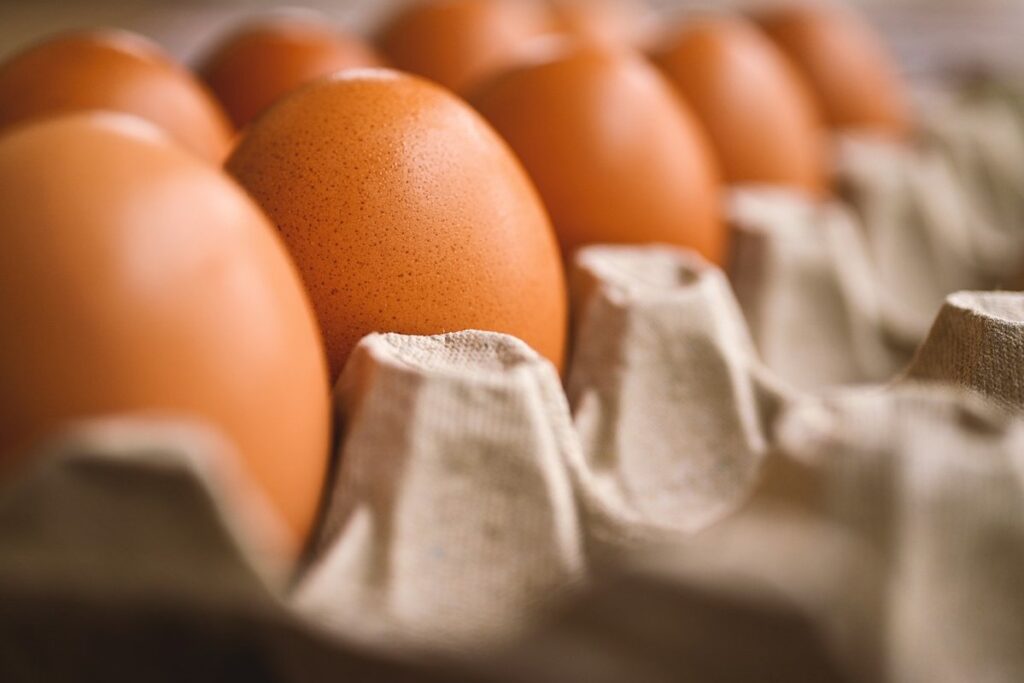
In terms of shape, Ancona eggs are often described as oval or elongated. They have a moderate curvature, making them well-suited for easy handling and collection. One distinctive feature of Ancona eggs is their color. While they can come in various shades of brown, some Anconas lay eggs with a subtle sheen to the shell.
This unique appearance can be attributed to the breed’s genetic makeup. The exact shade and texture will depend on individual birds and environmental factors such as diet and living conditions. As an egg collector or enthusiast, it’s essential to appreciate these characteristics for what they are – a natural reflection of the breed’s heritage and traits.
Nutrition and Health Benefits
Ancona chicken eggs are not only a tasty addition to your breakfast plate, but they also offer several unique nutrition and health benefits that make them an excellent choice for egg lovers. Let’s dive into what makes these eggs so special!
Nutritional Value of Ancona Chicken Eggs
Ancona chicken eggs are an excellent source of essential nutrients for a healthy diet. With their high protein content, these eggs make an ideal choice for fitness enthusiasts and athletes looking to build muscle mass. A single large Ancona egg contains about 6-7 grams of protein, making them a great addition to post-workout meals.
Another notable advantage of Ancona chicken eggs is their low cholesterol levels. According to the United States Department of Agriculture (USDA), a large Ancona egg contains only 0.5 milligrams of cholesterol, which is significantly lower than other breeds. This makes Ancona eggs an excellent choice for individuals with high cholesterol or those following a heart-healthy diet.
Ancona chicken eggs are also rich in vitamins and minerals such as vitamin D, B12, and iron. Vitamin D is essential for bone health and immune function, while vitamin B12 plays a crucial role in the production of red blood cells. Iron content helps prevent anemia and supports healthy red blood cell production.
Are Ancona Eggs Better for You?
When it comes to nutrition and health benefits, Ancona chicken eggs are often considered a superior choice. This is due to their unique combination of nutrients and characteristics that set them apart from other egg types. One key benefit of consuming Ancona eggs is the potential for improved heart health.
The high levels of omega-3 fatty acids in Ancona eggs can help reduce inflammation, lower cholesterol, and improve overall cardiovascular well-being. Additionally, these eggs contain a higher ratio of polyunsaturated to saturated fats compared to other breeds, further contributing to their potential heart-healthy benefits.
Incorporating Ancona eggs into your diet may also lead to increased energy levels due to the presence of vitamins B12 and D, which play crucial roles in energy metabolism. Furthermore, the protein content in Ancona eggs is higher than average, making them an excellent option for those seeking to boost their protein intake without sacrificing nutritional value.
When selecting eggs from a local farm or grocery store, look for the “Pasture-Raised” label, as this indicates that the hens were fed a diet rich in grasses and insects. This type of feeding regimen is linked to higher levels of antioxidants and omega-3 fatty acids in the eggs themselves.
Raising Anconas for Egg Production
If you’re looking to raise Ancona chickens specifically for their egg-laying abilities, this section will cover the essential steps and considerations to keep in mind. We’ll walk you through how to breed and care for these prolific layers.
Suitable Living Conditions and Space Requirements
When it comes to raising Anconas for egg production, providing a suitable living environment is crucial for their health and well-being. Each Ancona requires about 2-4 square feet of space inside the coop, with an additional 8-10 square feet of outdoor run space per bird. This allows them to stretch their wings, exercise, and engage in natural behaviors.
It’s also essential to ensure proper ventilation in your coop. Anconas are prone to respiratory issues if the air is stale or humid. Consider installing windows or vents that allow for cross-ventilation, and ensure good airflow by maintaining a clean and well-maintained coop. Regular cleaning of the coop will help prevent ammonia buildup from droppings.
In terms of housing modifications, consider adding perches for your Anconas to roost on at night. This helps them conserve energy and prevents stress. You can also add nesting boxes for each bird, ideally one per 3-4 hens, to encourage laying in a clean and private space.
Feeding and Nutrition Guidelines
When it comes to feeding and nutrition for your Ancona hens, providing a balanced diet is crucial for optimal egg production. Anconas are medium-sized birds that require about 1/4 pound of feed per day, depending on their age and level of activity.
A layer feed specifically formulated for chickens should be the main staple in your Ancona’s diet. You can supplement this with fruits, vegetables, and grains to add variety and ensure they get all the necessary nutrients. Some favorite foods among Anconas include leafy greens like kale and spinach, as well as fruits like berries and apples.
To enhance egg production, consider adding supplements like crushed oyster shells or dark leafy greens rich in calcium. These will help maintain strong eggshell production and ensure your eggs remain healthy and vibrant. It’s also essential to provide fresh water at all times to prevent dehydration.
Remember, every chicken is different, so it may take some trial and error to determine what works best for your Ancona hens. Observe their behavior and adjust their diet accordingly to guarantee they stay happy and healthy.
Tips for Collecting and Storing Eggs
When it comes to collecting and storing Ancona chicken eggs, you’ll want to ensure they remain fresh and safe to eat for as long as possible. Here are some expert tips to help you do just that!
Handling and Washing Eggs Safely
When collecting eggs from your backyard flock of Ancona chickens, it’s essential to handle and wash them safely to minimize the risk of contamination. Before washing the eggs, make sure they are cool and dry to prevent bacterial growth. If you’re collecting eggs during peak breeding season or in humid environments, consider washing them as soon as possible.
To wash eggs safely:
* Use lukewarm water, not hot or cold
* Wet the egg gently under running water, then dry with a clean towel or let air-dry
* Avoid using soap or harsh detergents, which can seep into the pores of the eggshell and contaminate the contents
It’s also crucial to store eggs correctly to prevent breakage. Place them in a single layer, pointy end down, in a covered container or carton with adequate ventilation to maintain airflow. Store them in a cool, dry place away from direct sunlight.
Remember, cleanliness is key when handling and storing Ancona chicken eggs to ensure their quality and safety for consumption.
Long-Term Storage Methods
Proper storage of Ancona chicken eggs is crucial to maintain their quality and extend shelf life. There are several long-term storage methods that you can consider depending on your needs and preferences.
Refrigeration is the most common method for storing eggs. Place them in a carton or container with their pointed end facing down to prevent moisture from entering through the pores of the egg. Store them in the coldest part of the refrigerator at 40°F (4°C) or below. This method can keep eggs fresh for several weeks, but it’s essential to check on them regularly and remove any that show signs of spoilage.
Another option is freezing. Wash and dry the eggs as you would for refrigeration, then place them in an airtight container or freezer bag. Label and date the containers before storing them at 0°F (-18°C) or below. Frozen eggs can be used in baked goods, meringues, and other recipes where moisture is not an issue.
When using egg cartons or containers with proper ventilation, store eggs at room temperature away from direct sunlight. This method works well for short-term storage and is ideal when you have a steady supply of fresh eggs. However, it’s essential to check on the eggs regularly to ensure they are not developing off-odors or visible signs of spoilage.
To maintain optimal freshness, make sure to handle eggs gently to prevent cracking, which can compromise their quality.
Frequently Asked Questions
How often should I collect eggs from my Ancona flock?
Collecting eggs regularly is essential to prevent breakage, maintain cleanliness, and promote healthy egg production. Aim to collect eggs at least twice a day, preferably in the morning and late afternoon when the birds are most active.
What are some common health issues associated with Ancona chickens?
While generally hardy, Anconas can be prone to certain health issues like fungal infections, respiratory problems, and parasites. Regular veterinary check-ups, proper hygiene, and a balanced diet can help prevent or manage these conditions.
Can I mix Ancona chickens with other breeds in my backyard flock?
Yes, Ancona chickens are known for their friendly and docile nature, making them suitable for mixed breeding programs. However, ensure that the introduction is gradual to avoid stressing the birds. Research compatibility before introducing new breeds to your flock.
How can I maintain a steady supply of fresh eggs throughout the year?
To ensure a consistent egg supply, maintain a balanced diet for your Ancona chickens, provide adequate living space and proper ventilation, and manage their health through regular check-ups and preventative measures. Also, consider supplementing with nutritious feed during winter months when natural food sources may be scarce.
What are some creative ways to use Ancona chicken eggs in recipes?
Ancona eggs can add a rich, velvety texture to various dishes, from baked goods to pasta sauces. Try using them in homemade pasta dough or as a substitute for store-bought eggs in your favorite baking recipe. The unique flavor profile of these eggs also pairs well with herbs like basil and rosemary.