
As a backyard poultry enthusiast, you know how crucial it is to protect your precious geese from predators that threaten their safety. Foxes, coyotes, and hawks are just a few of the common threats that can ravage your flock in an instant. But did you know that there’s a simple yet effective solution to safeguard your feathered friends? A well-designed predator apron system is a game-changer for geese owners like you. In this article, we’ll walk you through the process of designing, installing, and maintaining a predator apron system that will give you peace of mind and keep those pesky predators at bay. From materials to costs, we’ll cover everything you need to know to create a safe haven for your geese.
Understanding the Threat of Predators to Gooses
Predators pose a significant threat to goose populations, from coyotes and foxes to hawks and owls, making it crucial for you to understand their behavior. Knowing what’s lurking in your area will help you choose the right protection for your flock.
Common Predators that Target Gooslings and Adult Geese
When it comes to protecting your geese flock, knowing which predators to watch out for is crucial. Unfortunately, several common predators target gooslings and adult geese alike. Foxes and coyotes are two of the most notorious predators that frequent farms and backyards where geese reside. These canines are stealthy hunters that often attack during dawn or dusk when their prey is most vulnerable.
Hawks and owls, on the other hand, are aerial predators that swoop down on unsuspecting geese from above. Their sharp talons and powerful beaks make them formidable hunters. Domestic dogs, either loose or penned, can also pose a threat to your geese flock if they’re not properly supervised or socialized.
If you suspect any of these predators in your area, it’s essential to take extra precautions such as installing physical barriers around your coop, securing the roof, and keeping your geese indoors during peak hunting hours. You should also consider investing in a reliable deterrent system like a goose coop predator apron that can help keep these threats at bay.
How Predators Affect Goose Populations
Predation can have a profound impact on goose populations, affecting not only their numbers but also their overall well-being. When predators are present, geese may become stressed and anxious, leading to a decline in reproduction rates and an increase in mortality. This stress can be especially detrimental during breeding season when geese are most vulnerable.
For example, coyotes are known to prey on goslings and eggs, causing significant losses for goose breeders. In fact, according to the American Society for the Prevention of Cruelty to Animals (ASPCA), coyote attacks on waterfowl can result in up to 50% mortality rates among young birds.
To mitigate the effects of predation, it’s essential to implement measures that protect your flock from harm. One effective solution is to install a goose coop predator apron around your enclosure. These aprons create a barrier between the geese and potential predators, allowing you to keep your flock safe while they forage or roam freely outside their coop. By taking proactive steps to safeguard your geese, you can help ensure their numbers remain healthy and stable.
Designing an Effective Predator Apron System
When designing a predator apron system for your goose coop, it’s crucial to consider factors such as coverage area, material durability, and ease of installation to ensure effective protection.
Key Components of a Predator-Proof Apron
When designing an effective predator apron system for your goose coop, it’s essential to focus on several key components. First and foremost, you’ll want to choose durable materials that can withstand the elements and any potential attacks from predators. Look for materials like heavy-duty nylon or polyester with a reinforced mesh design to provide maximum protection.
In addition to durable materials, a secure fastening system is crucial to keep the apron in place during windy conditions or when your geese are active. You’ll want to consider using sturdy clips or straps that can be easily adjusted to accommodate different sizes and shapes of coops. This will ensure that the apron remains securely attached even when it’s subjected to strong winds or predator attacks.
Adequate ventilation is also essential, especially during hot summer months when your geese may require more airflow. Consider incorporating mesh panels or vents into the design to provide maximum airflow while maintaining a secure enclosure for your flock.
Choosing the Right Materials for Your Goose Coop Apron
When it comes to choosing the right materials for your goose coop apron, you’ll want to consider a few key factors. The primary purpose of an apron is to protect your flock from predators while allowing airflow and visibility. With that in mind, let’s explore some popular options.
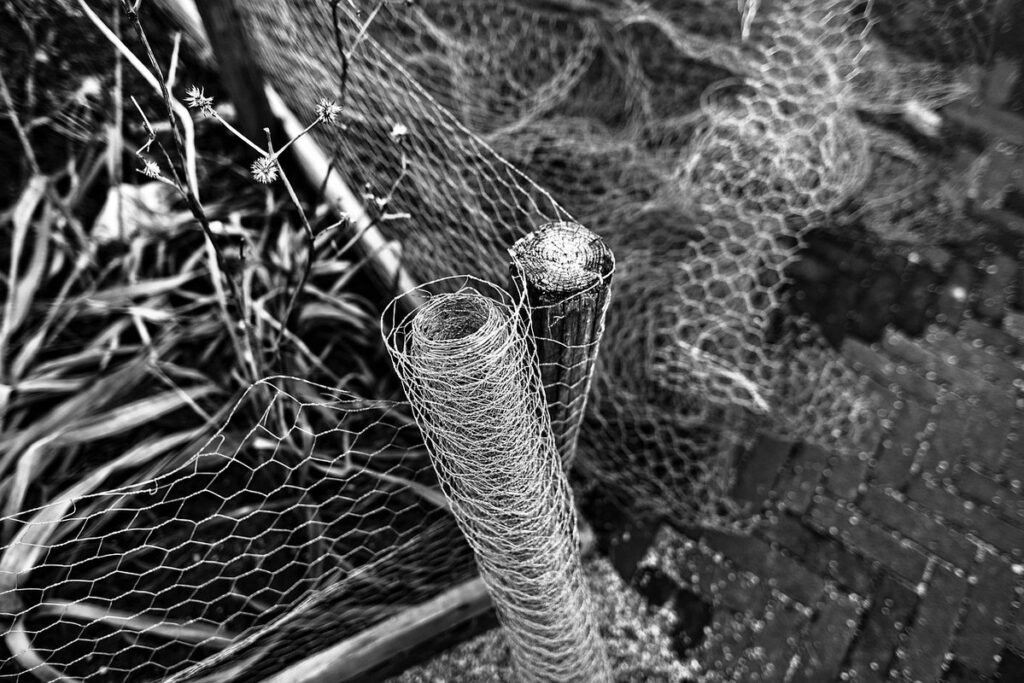
Metal mesh is a popular choice due to its durability and effectiveness at keeping out larger predators like coyotes and foxes. However, it can be noisy and may require additional support to prevent sagging. Hardware cloth is another option that offers similar benefits but has the added advantage of being more flexible than metal mesh. This makes it easier to shape around curves or corners.
Plastic netting, on the other hand, is a lighter-weight alternative that’s often used in combination with other materials. It provides excellent airflow and visibility while keeping out smaller predators like raccoons and birds. However, it may not be as effective against larger threats and can become brittle over time. When choosing your material, consider the specific needs of your flock and the local wildlife to ensure you select an apron that’s both effective and practical.
Installing and Maintaining a Predator Apron System
When it comes to installing and maintaining your predator apron system, proper setup is crucial for effective protection of your flock. Follow these steps to ensure a secure and safe environment for your geese.
Step-by-Step Instructions for Installing a Predator Apron
To install a predator apron system, start by measuring the length and width of your goose coop. This will help you determine the correct size of materials needed for the apron. Typically, an apron should be at least 6 inches wider than the coop’s exterior dimensions to allow for secure fastening.
Cut the metal or plastic apron material according to your measurements, using a saw or utility knife. Ensure straight cuts by measuring twice and cutting once. For corner pieces, you may need to miter-cut the edges for a smooth fit. Before installing the apron, inspect it for any damage or defects that could compromise its effectiveness.
Secure the apron in place using durable fasteners like screws or brackets, making sure they’re spaced evenly apart for added strength. Start at one end and work your way around the coop, ensuring the apron is tight and even. Finally, inspect the installation to ensure all fasteners are secure and the apron is properly aligned with the coop’s exterior. This will help protect your flock from predators like foxes, coyotes, and raccoons that may attempt to dig or climb under the coop’s walls.
Tips for Regular Maintenance and Repair of Your Predator Apron
To keep your predator apron system running smoothly and effectively protecting your flock, regular maintenance is essential. Start by cleaning the apron at least once a month with mild soap and water, paying extra attention to areas around the edges and corners where debris tends to accumulate. Regular inspections are also crucial – take a walk around the coop every few weeks to check for any signs of damage or wear on the apron’s components.
Some common issues you might encounter include frayed wires, loose screws, or damaged mesh panels. If you notice any of these problems, address them promptly by tightening loose fasteners, replacing worn-out parts, or re-tightening any sagging sections. It’s also a good idea to replace the entire apron every 2-3 years, depending on usage and environmental conditions.
Don’t forget to schedule regular checks with your local hardware supplier to ensure you have all necessary replacement parts readily available. By staying on top of maintenance and repairs, you’ll be able to enjoy worry-free protection for your flock – and avoid costly replacements or repairs down the line.
Additional Measures to Enhance Goose Coop Security
You’ve taken steps to protect your flock, but a goose coop is only as secure as its weakest link. Let’s look at some extra measures you can take to enhance overall security and peace of mind.
Other Ways to Deter Predators from Your Gooses
While predator aprons are an effective measure to protect your geese, it’s essential to consider additional methods to enhance coop security. Using guard animals is a popular and natural way to deter predators. Certain breeds of dogs, such as Maremmas or Komondors, have been used for centuries to guard livestock from predators. These breeds are naturally suspicious of intruders and will sound the alarm if they sense danger.
Another effective deterrent is motion-activated lights or sprinklers. These devices can be installed around the coop to startle potential predators, giving your geese time to escape or alert you to the situation. Motion-activated sprinkler systems can also help irrigate the surrounding area, reducing dust and providing a healthy water source for your geese.
Reinforcing your coop structure is another crucial aspect of predator deterrence. Consider using hardware cloth, chicken wire, or netting to cover any openings, including vents and windows. Make sure all doors and gates are secure and consider installing a lock to prevent unauthorized access. Regularly inspecting your coop for weaknesses will help ensure the safety of your flock.
The Importance of Regular Monitoring and Inspection for Predator Activity
Regular monitoring and inspection of your goose coop’s surroundings are crucial in preventing predator activity. Early detection is key to responding effectively and minimizing damage. You should inspect the coop’s perimeter daily, paying attention to signs like scratched or chewed areas on wood or wire fencing.
Keep an eye out for droppings, tracks, or other evidence of predators lurking nearby. Be aware that some predators, such as raccoons, can squeeze through surprisingly small openings. If you notice any unusual activity or damage, address the issue promptly to avoid attracting more predators.
Create a routine inspection schedule and make it a habit to check for signs of predator activity at the same time every day. Consider using trail cameras or motion-sensitive lights to monitor your coop’s surroundings even when you’re not present. By staying vigilant and taking swift action, you can protect your flock from harm and reduce the likelihood of costly losses due to predator attacks.
Budgeting and Planning for Your Goose Coop Predator Apron
When budgeting for your goose coop predator apron, it’s essential to consider both the upfront cost and long-term value of protecting your flock. Let’s break down some practical planning tips to help you make informed decisions.
Estimated Costs for a Complete Predator Apron System
When it comes to budgeting for a complete predator apron system, it’s essential to consider both the materials and labor costs. On average, you can expect to pay between $1,500 to $3,000 for a high-quality predator apron system that covers an area of 10×20 feet. However, prices may vary depending on the size of your coop, the type of materials used, and the complexity of the installation.
To give you a better idea, here are some estimated costs breakdown:
* Materials: $800-$1,500 (this includes the apron panels, posts, hardware, and any additional features such as fencing or netting)
* Labor: $700-$1,200 (this depends on the complexity of the installation and the contractor’s rates)
* Permits and inspections: $100-$300
* Optional features (e.g., electrification, motion sensors): $500-$1,000
Keep in mind that these estimates may vary depending on your location and the specific requirements of your coop. It’s always a good idea to consult with local contractors or suppliers to get more accurate quotes for your specific project.
Tips for Saving Money on Your Goose Coop Predator Apron Project
When building or purchasing a predator apron system for your goose coop, it’s essential to consider ways to save money without compromising on quality and effectiveness. One approach is to repurpose materials you already have on hand or can readily source from local suppliers. For instance, you can use reclaimed wood or old pallets to create the frame of your apron, reducing waste and saving resources.
Another way to cut costs is by seeking DIY tutorials online or consulting with experienced homesteaders who have built their own predator apron systems. Websites like YouTube, Pinterest, and Reddit are treasure troves of DIY knowledge, offering step-by-step guides and expert advice on various aspects of building a predator apron.
When purchasing materials from suppliers, don’t be afraid to negotiate prices or look for bulk discounts. Many suppliers offer custom orders at competitive rates if you’re willing to buy in larger quantities. By being proactive and resourceful, you can save hundreds of dollars on your predator apron project while still achieving the desired level of protection for your flock.
Frequently Asked Questions
What are the ideal materials for building a predator apron system that can withstand harsh weather conditions?
The best materials to use for your predator apron system include durable metals like aluminum or galvanized steel, as well as high-quality plastics and UV-resistant mesh. These materials will provide long-lasting protection for your geese while withstanding the elements.
How often should I inspect my predator apron system for signs of wear and damage?
Regular inspections are crucial to maintaining a secure predator apron system. We recommend checking your system at least once a month, or after severe weather events, to ensure that all components are intact and functioning properly.
Can I customize my predator apron system based on the specific needs of my geese flock?
Yes! Every goose flock is unique, and their needs may vary depending on factors like size, breed, and geographic location. Consider consulting with a professional or conducting your own research to design a custom predator apron system tailored to your geese’s specific requirements.
What are some additional measures I can take to enhance the security of my goose coop and prevent predator attacks?
In addition to installing a predator apron system, consider implementing other security measures such as electrifying fences, using motion-sensitive lighting, or even introducing guard animals like donkeys or llamas. These measures will help deter predators and provide an extra layer of protection for your geese.
Can I DIY my predator apron system, or do I need professional installation?
While some components of a predator apron system can be installed DIY-style, others may require professional expertise to ensure proper installation and effectiveness. If you’re unsure about any aspect of the installation process, consider consulting with a professional or seeking guidance from online resources.