
Marans eggs are a true delight for any chicken enthusiast or foodie. Their unique blue-green to dark chocolate color is not only stunning, but also a sign of their exceptional quality and rich flavor profile. But what makes Marans eggs so special? And how can you get your hands on these coveted eggs from reputable breeders? In this article, we’ll dive into the characteristics, uses, and benefits of Marans eggs, including their nutritional value and high hatching rates. We’ll also provide tips on where to find these amazing eggs and how to ensure successful hatching. Whether you’re a seasoned chicken owner or just starting out, get ready to discover the joys of Marans eggs and why they’re a must-have for any egg lover.
What Are Marans Eggs?
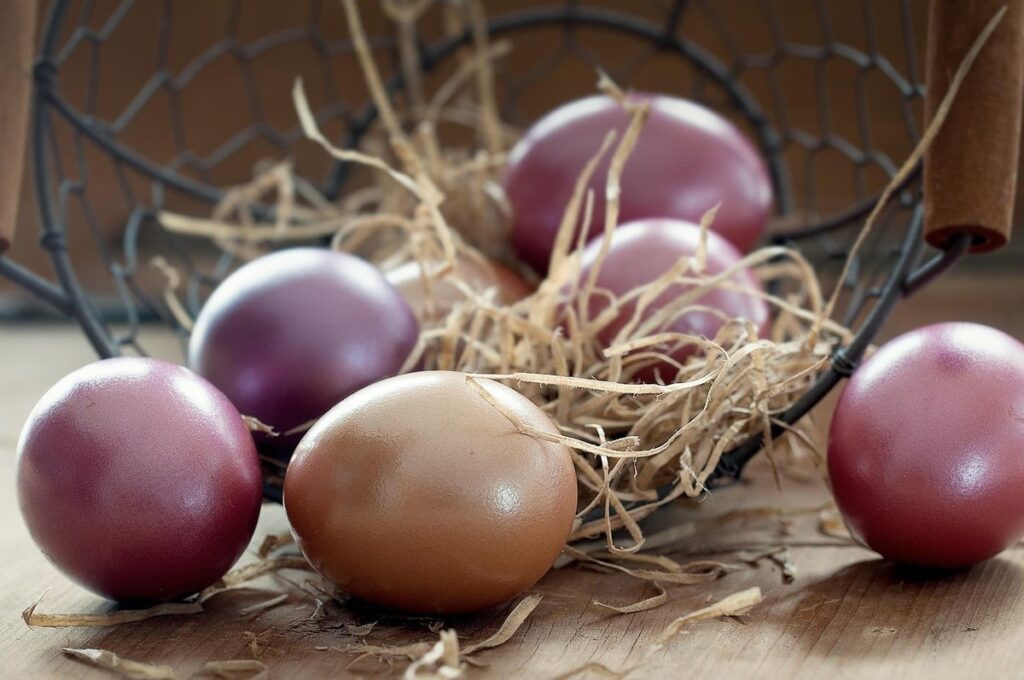
Marans eggs are prized for their unique, dark chocolate brown color and rich texture, making them a favorite among backyard chicken keepers and chefs alike. Let’s dive into what makes these eggs so special.
Origin of the Marans Breed
The Marans breed has its roots in France, where it originated in the 17th century. This breed is believed to have descended from chickens brought over by Spanish and Italian traders, who introduced new breeds and genetic material to the region. The result was a hardy, dark-feathered chicken that excelled at foraging and egg-laying.
The Marans’ unique characteristics include their dark, shiny feathers, which are a result of a specific genetic trait known as “dilution.” This trait causes the pigmentation in their feathers to be reduced, resulting in a darker, more muted appearance. The breed’s eggs are also distinctive, with a rich, dark brown color that ranges from chocolate-brown to nearly black.
One of the key traits that make Marans chickens so successful as egg-layers is their ability to thrive in challenging environments. They’re well-suited to small farms and backyard flocks, where they can forage for food and scratch out a living with ease. This adaptability has made them a popular choice among chicken keepers looking for a low-maintenance breed that still produces high-quality eggs.
Physical Characteristics of Marans Chickens
Marans chickens are known for their rich, dark eggs, but what about the birds themselves? Let’s take a closer look at their physical characteristics. These dual-purpose birds have a distinctive appearance that sets them apart from other breeds.
In terms of size and weight, Marans chickens are medium-sized birds. They typically weigh between 5-6 pounds (2.3-2.7 kg), with hens reaching around 20-22 inches (51-56 cm) in height. Roosters tend to be slightly larger, weighing up to 8 pounds (3.6 kg). Their plumage is a deep, dark brown color, often described as “chocolate” or “mocha”. This beautiful coat helps to camouflage them from predators, making them well-suited for free-ranging.
One of the most notable features of Marans chickens is their feathering. They have a soft, fluffy undercoat and a longer outer layer that gives them a slightly ruffled appearance. Their beak color is also worth noting – it’s typically a bright orange-yellow hue. Overall, Marans chickens are a stunning breed with a unique look that’s hard to ignore.
Eggshell Color Variations
Marans eggs come in a stunning array of colors, each with its unique characteristics and appearances. Let’s dive into the various eggshell color variations that you might find from this breed.
Blue-Green Eggs: The Most Common Marans Shell Color
One of the most distinctive characteristics of Marans eggs is their blue-green shell color. This unique hue is due to a combination of factors, including genetics and environmental influences. The blue-green coloration is caused by the presence of pigments such as biliverdin and biliverdin-oxidase in the eggshell. These pigments are produced by the hen’s metabolism and are more pronounced in Marans hens.
The blue-green shell color can vary from a light sky blue to a deep teal or even turquoise hue, depending on individual bird characteristics and environmental factors such as diet and exposure to sunlight. Some breeders have developed lines of Marans that exhibit this distinctive blue-green coloration, which has become highly prized among backyard chicken enthusiasts.
If you’re raising Marans for their eggs, you can expect a high percentage of your flock to produce blue-green eggs, although the exact shade may vary from bird to bird. This unique characteristic makes Marans eggs stand out from other breeds and adds to their charm as a hobby breed or show bird.
Light Brown to Dark Chocolate Eggs: Other Color Possibilities
While dark chocolate eggs are the most iconic Marans color variation, they can also display other rich and beautiful shades. Light brown to dark chocolate eggs, as well as olive green and blue-green tinted eggs, are not uncommon among Marans hens. In fact, some breeds may lay eggs with a predominantly light brown or buff color, while others might produce darker, more muted tones.
The key factor influencing eggshell color is the hen’s genetics, diet, and overall health. A well-balanced diet rich in omega-3 fatty acids, for example, can enhance eggshell color and strength. Some breeders also experiment with adding specific supplements to their flock’s feed to promote unique eggshell colors.
If you’re a Marans keeper aiming to encourage your hens to produce eggs with these lovely shades, consider the following tips: provide a balanced diet that includes plenty of fruits, vegetables, and whole grains; ensure access to fresh water and a stress-free environment; and don’t be afraid to experiment with supplements or other variables to see what works best for your flock.
Factors Affecting Eggshell Color
The color of Marans eggs is influenced by several key factors, including genetics, nutrition, and environmental conditions that play a crucial role in determining their distinctive appearance. Let’s explore these contributing elements together.
Genetics: The Primary Influencer of Marans Eggshell Color
When it comes to Marans eggs, their unique dark, chocolate-brown color is largely determined by genetics. The genetics of eggshell color are complex and influenced by multiple genes, but research has shown that the Marans breed’s distinctive coloration is primarily due to a specific genetic combination.
In simple terms, each chicken inherits two sets of genetic information from its parents – one set for eggshell color and another for other traits like feather color or beak shape. The interaction between these two sets determines the final eggshell color. For Marans chickens, this means that their genes are optimized to produce a specific amount of porphyrins, which are responsible for creating the brown pigment in eggshells.
This genetic predisposition is why Marans eggs often have varying shades of dark brown and chocolate colors. While individual genetics can play a role in subtle variations within these colors, overall, genetics remain the primary influencer of Marans eggshell color.
Nutrition and Environmental Factors: Secondary Influencers
While genetics play the primary role in determining eggshell color, nutrition and environmental factors can also have an impact on the final hue. Think of them as secondary influencers that can either amplify or mute the genetic predisposition.
For instance, a Marans hen’s diet rich in beta-carotene, a pigment found in yellow and orange vegetables, may result in slightly lighter or more uniform eggshell colors. On the other hand, a lack of adequate calcium or an imbalance of certain minerals can weaken eggshell quality and color intensity.
Environmental conditions also come into play, as temperature fluctuations, humidity levels, and exposure to sunlight can affect the shell’s pigmentation. For example, hens that live in areas with intense sunlight may develop more vibrant, darker colors due to increased melanin production.
To fine-tune your Marans flock’s eggshell color, consider providing a balanced diet rich in fruits, vegetables, and whole grains. Ensure adequate access to fresh water and a clean living environment that maintains optimal temperature and humidity levels.
Uses and Benefits of Marans Eggs
Marans eggs are a prized commodity among chefs, home cooks, and egg enthusiasts due to their rich flavor and versatility. Let’s explore some creative ways to use these beautiful brown eggs in your kitchen.
Unique Flavor Profile
When it comes to Marans eggs, one of the standout features is their unique flavor profile. The rich, buttery taste that sets them apart from other egg varieties is due in part to the breed’s specific diet and foraging habits. As Marans chickens are known to forage for a wide variety of insects, worms, and plants, this diverse diet contributes to the complexity of flavors present in their eggs.
This distinct flavor profile is often described as being more robust and savory compared to other egg varieties. The buttery taste is particularly noticeable when cooked sunny-side up or poached, allowing the full richness of the yolk to shine through. For those looking to elevate their breakfast game or impress dinner guests, incorporating Marans eggs into your recipes can add an extra layer of depth and sophistication.
To experience the unique flavor profile of Marans eggs for yourself, try pairing them with delicate herbs like chives or parsley, which complement their rich taste without overpowering it. This subtle yet flavorful combination is sure to delight even the most discerning palates.
Nutritional Value: High in Protein and Rich in Vitamins and Minerals
When it comes to nutritional value, Marans eggs truly stand out from the crowd. Not only do they boast an impressive protein content, but they’re also rich in vitamins and minerals that can have a significant impact on our overall health.
One of the most notable benefits of Marans eggs is their high protein content. In fact, studies have shown that Marans eggs contain around 7-8 grams of protein per large egg, making them an excellent choice for those looking to boost their protein intake. This is particularly beneficial for athletes and bodybuilders who require a significant amount of protein to build and repair muscle tissue.
In addition to their high protein content, Marans eggs are also rich in various vitamins and minerals such as vitamin D, B12, and iron. Vitamin D is essential for maintaining strong bones and immune function, while vitamin B12 plays a crucial role in the production of red blood cells. Iron, on the other hand, helps transport oxygen throughout the body.
To incorporate Marans eggs into your diet and reap their nutritional benefits, try adding them to your breakfast plate or using them as an omelette filling. You can also use them as a substitute for regular eggs in baked goods, pasta dishes, or as a topping for salads.
How to Get Marans Eggs
If you’re eager to start collecting these gorgeous eggs, you’ll want to know how to get your hands on some – and that starts by raising a few happy hens. We’ll walk through the process step-by-step.
Breeder Selection: Choosing a Reputable Hatchery or Breeder
When it comes to purchasing Marans eggs, finding a reputable hatchery or breeder is crucial. A good breeder can ensure that you receive healthy, fertile eggs from a purebred lineage. To avoid scams and mediocre breeders, do your research before making a purchase.
Start by asking for referrals from fellow chicken keepers, breed associations, or online forums. Look for breeders who are members of reputable organizations such as the American Poultry Association (APA) or the Marans Club. These groups often have strict standards for breeding and can provide guidance on finding responsible breeders.
Once you’ve found potential breeders, research their reputation online. Check reviews, ratings, and testimonials from other customers to gauge their satisfaction with the breeder’s service. Be wary of breeders who seem overly aggressive in their marketing or make unrealistic claims about egg production. Look for breeders who provide detailed information on their breeding program, including health clearances, pedigree documentation, and egg color guarantee.
Ultimately, choose a breeder that prioritizes chicken welfare, provides transparent communication, and stands behind the quality of their eggs. With a little research and due diligence, you can find a reputable hatchery or breeder to supply your Marans eggs needs.
Incubation and Hatching: Tips and Tricks for Success
When it comes to incubating and hatching Marans eggs, success requires attention to detail and proper technique. One of the most critical factors is maintaining a consistent temperature between 99-100°F (37-38°C) during the first 24 hours after setting, followed by a gradual decrease in temperature over the next week.
It’s essential to handle Marans eggs with care, as excessive handling can lead to damage and reduced hatch rates. A humidity level of around 50-60% is also crucial for healthy incubation. You can increase the humidity levels during the last week of incubation to prevent dehydration.
Another critical aspect is monitoring the turning of the eggs. Most incubators come with an automatic turner, but if not, you’ll need to manually turn them 3-4 times a day to ensure even development. Keep in mind that over-handling can cause stress and reduce hatch rates.
A successful hatching rate requires patience and attention to detail. Regularly check the eggs for any signs of cracking or damage, and make adjustments to your incubation conditions as needed.
Conclusion
Now that you’ve learned all about Marans eggs, let’s wrap up by summarizing the key takeaways from our exploration of their unique characteristics and uses.
Recap of Key Takeaways
As you’ve reached the end of this comprehensive guide, let’s recap the key takeaways about Marans eggs color. We’ve explored their unique characteristics, uses, and benefits, so you can make informed decisions when choosing these eggs for cooking or baking.
Marans eggs are known for their beautiful, dark chocolate-brown color due to the breed’s genetic makeup. Their thick, hard shells and moderate egg size make them a popular choice among backyard chicken keepers. However, it’s essential to note that Marans eggs have a higher fat content than other breeds, which can affect cooking times and methods.
When using Marans eggs in recipes, you’ll want to consider their richer flavor profile and slightly denser texture. This is due to the breed’s ability to convert more of its feed into egg yolk, resulting in a deeper yellow color and more robust taste. To take advantage of these characteristics, we recommend substituting Marans eggs for other breeds in recipes where a stronger flavor is desired.
In terms of uses, Marans eggs are ideal for baking, particularly when making cakes, cookies, or pastries that require a rich, moist texture. Their darker color also makes them a great choice for decorating eggs during Easter or as a natural food coloring substitute in cooking and baking.
To get the most out of your Marans eggs, consider the following tips:
* Store eggs in the refrigerator at 40°F (4°C) to preserve their quality and flavor
* Use fresh eggs for best results, as they’ll have a more vibrant color and richer taste
* Be prepared for slightly longer cooking times due to the higher fat content
By incorporating these key takeaways into your daily life, you can appreciate the unique characteristics of Marans eggs and enjoy their rich flavors in all your favorite recipes.
Frequently Asked Questions
How can I ensure the nutritional quality of Marans eggs from my backyard flock?
To maintain high nutritional standards, provide your Marans hens with a balanced diet rich in protein, calcium, and essential vitamins and minerals. Consider supplementing their feed with fresh fruits, vegetables, and whole grains to enhance the flavor and nutritional profile of their eggs.
Can I expect Marans eggs to have consistent color variations?
While Marans eggs are known for their unique dark chocolate brown colors, it’s not uncommon for individual hens to produce eggs with varying shades or even different shell colors. This variation is a natural result of genetics and can be influenced by factors such as nutrition, lighting, and breed lineage.
How do I handle incubation and hatching challenges when breeding Marans?
Yes, incubation and hatching can be challenging, especially for inexperienced chicken owners. To minimize risks, ensure proper temperature control, humidity levels, and turning of eggs during the incubation period. Research reputable breeder sources for tips on successful hatching rates and attend workshops or online forums to stay updated on best practices.
Can I mix Marans with other breeds to create a unique flock?
Yes, you can breed Marans with other chicken breeds to create hybrid offspring with desirable traits. However, it’s essential to consider the genetic diversity and potential impact on fertility, eggshell quality, and overall health of your flock when cross-breeding.
How do I store Marans eggs safely for extended periods before hatching?
To preserve egg viability, store Marans eggs in a cool, dry place with consistent temperatures between 55°F and 60°F (13°C to 15°C). Keep the eggs pointed end down and use breathable materials like paper towels or cardboard boxes to maintain air circulation. Avoid storing eggs near strong-smelling substances, as these can transfer odors to the eggs.