
Are you tired of poor hatch rates and worrying about the well-being of your incubated eggs? You’re not alone! Many backyard chicken keepers and commercial farmers face hatching problems, which can be caused by a variety of factors including improper incubator maintenance, incorrect handling of eggs, and inadequate breed-specific care. In this article, we’ll delve into the common causes and effects of hatching problems, as well as share expert tips on troubleshooting techniques and advanced methods for improved hatch rates.
Whether you’re just starting out or have years of experience under your belt, understanding how to overcome hatching problems is crucial for successful poultry breeding. From maintaining optimal incubator temperatures to optimizing breed-specific care, we’ll cover it all. By the end of this article, you’ll be equipped with the knowledge and skills needed to boost your hatch rates and raise healthy, thriving chicks.
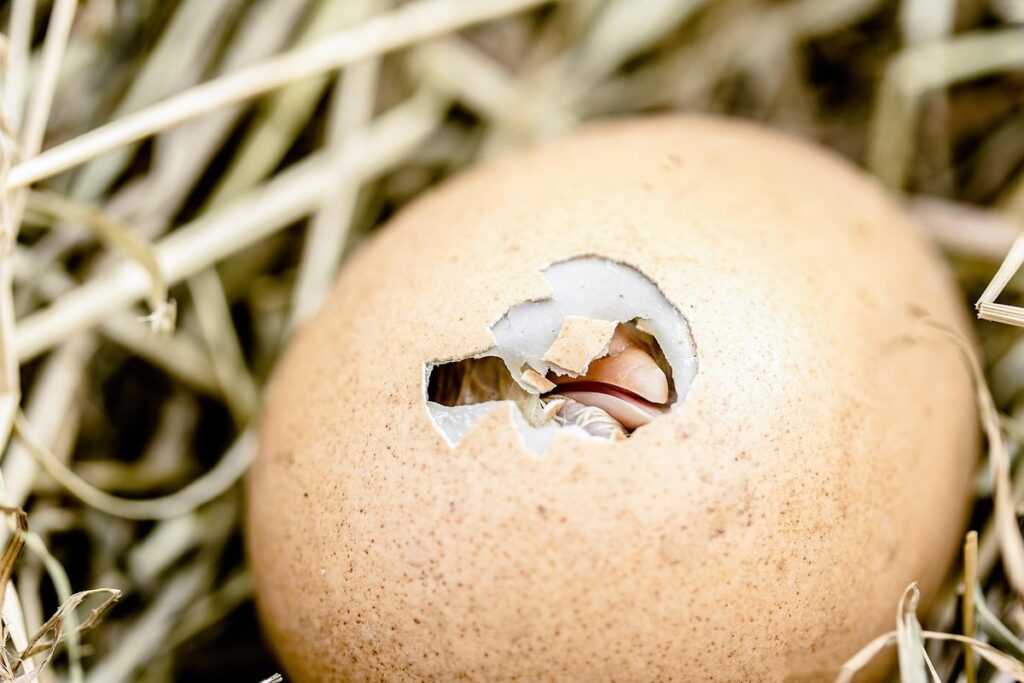
Understanding Hatching Issues in Poultry
When it comes to hatching problems, one of the most frustrating issues is recognizing when something’s gone wrong early on. Let’s dive into common signs and symptoms of hatching issues to identify potential problems before they escalate.
Causes of Hatching Problems
There are several common causes of hatching problems that can affect the success rate of your poultry hatchery. One major issue is eggshell thickness. Thin-shelled eggs can crack during handling, incubation, or even while being transferred to a new environment, leading to embryo death and ultimately failed hatch rates. On the other hand, excessively thick shells can cause difficulties in gas exchange between the embryo and the outside environment, resulting in poor development and reduced hatchability.
Incubator temperature fluctuations are another critical factor contributing to hatching issues. Even minor deviations from optimal temperatures can significantly impact embryonic development. A consistent temperature range of 99-100°F (37-38°C) is crucial for proper growth and development. However, if the incubator’s temperature drops or rises by even a few degrees, it may cause problems during the critical stages of embryogenesis.
Embryo development issues are also common causes of hatching problems. Factors such as nutritional deficiencies, genetic predispositions, and environmental stressors can all impact embryonic growth and lead to poor hatch rates. Identifying these underlying factors is key to implementing corrective measures and improving overall hatch success.
Effects on Brood Quality
When hatching difficulties arise, they can have far-reaching consequences that extend beyond the immediate issue at hand. One of the most critical areas affected is brood quality – a term that encompasses everything from fertility rates to chick mortality and egg quality.
Chick mortality is often a direct result of poor incubation practices or inadequate environment conditions during hatching. This can lead to weakened chicks that are more susceptible to disease, thereby reducing overall survival rates. Furthermore, repeated instances of hatching difficulties may lead to decreased fertility in the breeding flock as stress and fatigue take their toll on egg-laying birds.
Egg quality is also compromised when hatching issues persist. As eggs spend extended periods under incubation, they become increasingly prone to bacterial contamination or moisture-related defects that can render them unsuitable for hatching. Maintaining a consistent level of brood quality is essential to ensure the long-term health and productivity of your poultry operation.
Regular monitoring of fertility rates, chick mortality, and egg quality will help you identify potential issues early on. By addressing these problems proactively, you can mitigate their impact on overall brood quality and work towards achieving healthier, more resilient flocks.
Identifying Hatching Issues
When tackling hatching problems, it’s essential to identify the root cause of issues early on. Let’s break down common signs and symptoms that indicate a hatching issue may be present.
Symptoms of Hatching Problems
When it comes to hatching problems, identifying the symptoms early on is crucial. One of the most common signs of a potential issue is delayed or incomplete hatching. This can be caused by various factors such as inadequate temperature regulation, insufficient humidity, or incorrect egg position in the incubator.
Delayed hatching can manifest in different ways, including an extended hatch time beyond the expected 21-24 days for chickens and 28 days for ducks. Chicks may also appear lethargic, failing to pip or emerge from their shells within a reasonable timeframe. In extreme cases, chicks may not hatch at all, resulting in a failed incubation cycle.
Another symptom of hatching problems is abnormal eggshell cracking. This can occur due to stress, nutritional deficiencies, or incorrect incubator settings. If the eggshell cracks excessively, it can lead to moisture loss and reduced fertility rates.
If you notice any of these symptoms during an incubation cycle, it’s essential to intervene promptly to prevent further complications. Monitor temperature and humidity levels closely, ensure proper egg handling, and consider adding supplements to promote healthy chick development.
Signs of Potential Hatching Complications
As you monitor the incubation process, it’s essential to be aware of potential warning signs that may indicate hatching complications. Keep a close eye on the eggs for these early indicators:
* Excessive yolk sacs can be a sign of an impending issue. Normally, the yolk sac should start to disappear as the chick absorbs its nutrients, but if it persists or grows in size, it could indicate a problem with the chick’s development.
* Missing or damaged beaks are another red flag. A healthy chick’s beak is essential for pecking and breaking out of the eggshell. If you notice any deformities or damage to the beak, it may affect the chick’s ability to hatch successfully.
Uneven chick development can also signal potential issues. Chickens grow at different rates, but if one chick appears significantly larger or smaller than its siblings, it could indicate a problem with nutrition or incubation conditions.
If you notice any of these warning signs, don’t hesitate to intervene. This may involve providing additional care and attention to the affected egg, such as adjusting temperature or humidity levels, or seeking guidance from an experienced breeder or veterinarian.
Common Hatching Problems in Poultry Breeds
Some poultry breeds are more prone to hatching issues than others, and understanding these patterns can help you better prepare for incubation and hatching.
These breeds include Silkies, Polish, and Houdans, which often exhibit unique challenges that require special attention from breeders.
Issues with Specific Breed Types
When it comes to hatching poultry eggs, breed-specific characteristics can significantly impact success rates. Let’s examine some common issues associated with specific breeds.
Ducks and geese are notorious for their sensitive membranes, making them more challenging to hatch than chicken eggs. If not handled carefully, the membranes can be damaged during incubation, leading to failed hatchings or soft-shelled chicks. Additionally, duck and goose embryos require a slightly longer incubation period and higher humidity levels compared to chickens.
Game bird eggs pose another set of challenges. These birds often have larger eggs with thicker shells, which can lead to difficulties in cracking them open without damaging the contents. Moreover, game bird embryos are more sensitive to temperature fluctuations and may not tolerate deviations from optimal temperatures as well as other breeds.
When working with these breeds, it’s essential to research specific incubation requirements for each species to minimize hatching issues. For example, some game bird eggs may require a slightly longer pre-incubation period or specialized egg turners to ensure proper development. By being aware of breed-specific characteristics and taking the necessary precautions, you can increase your chances of successful hatchings with these challenging breeds.
Genetic Factors Contributing to Hatching Complications
Genetic factors play a significant role in hatching complications across various poultry breeds. One key area where genetics impact hatchability is eggshell quality. Breeds with thicker or more porous shells may experience higher rates of breakage during incubation, making it essential for breeders to select lines with improved shell integrity. For instance, the Leghorn breed‘s reputation for fragile eggs can lead to a significant increase in cracked eggs during handling and transportation.
Genetic influences also extend to embryo development, affecting hatchability in breeds prone to developmental delays or deformities. The Marans breed, known for its slow-growing embryos, often exhibits delayed pipping and hatching times compared to faster-developing breeds like the Rhode Island Red. To mitigate these genetic challenges, breeders can prioritize selective breeding programs that emphasize traits such as robust shell quality, efficient growth rates, and optimal egg morphology.
Some practical steps breeders can take include:
* Evaluating their flock’s genetic makeup through DNA profiling or pedigree analysis
* Selecting breeding stock with a proven track record of improved hatchability
* Implementing targeted breeding programs to address specific genetic weaknesses
* Monitoring and adjusting incubation conditions to accommodate the unique needs of their flock
Troubleshooting Common Hatching Issues
Sometimes, hatches just don’t go as planned. In this next part of our guide, we’ll walk you through common issues and simple solutions to get your hatchings back on track.
Correcting Temperature Fluctuations
Maintaining stable incubator temperatures is crucial for successful hatching. Temperature fluctuations can be caused by various factors such as faulty thermostats, poor insulation, or even incorrect calibration. It’s essential to identify and correct these issues before they affect the hatching process.
To prevent temperature fluctuations, ensure that your incubator is calibrated regularly. This involves checking the thermometer accuracy and adjusting the thermostat settings accordingly. Additionally, make sure that the incubator is properly ventilated to prevent overheating or overcooling.
Some common temperature fluctuation problems include:
* Gradual temperature drops: These can be caused by a malfunctioning thermostat or poor insulation. To correct this issue, check the thermostat’s accuracy and consider upgrading to a more reliable model.
* Sudden temperature spikes: These can be triggered by faulty heating elements or incorrect calibration. Inspect the heating elements for any signs of wear and tear, and recalibrate the incubator as needed.
Regular monitoring and adjustments will help you maintain stable temperatures and prevent hatching problems.
Monitoring Egg Quality and Handling
Egg quality and handling are crucial aspects to monitor when attempting to hatch eggs successfully. Regular inspections help minimize the risk of contamination and damage during collection, transportation, or storage. To ensure optimal egg health, it’s essential to handle them gently and carefully.
When collecting eggs from your flock, always wash your hands before handling the eggs to prevent any bacteria transfer. Gently pick up the eggs with both hands, making sure not to touch the eggshell excessively as oils from your skin can cause staining. Store eggs in a cool, dry place or in a refrigerator at around 40°F (4°C) to slow down bacterial growth.
When transporting eggs, handle them carefully and keep them upright to prevent any movement that could cause cracking or breakage. If you’re storing eggs for an extended period, ensure the storage area is well-ventilated and clean to maintain egg quality. Regularly inspect your stored eggs for signs of cracks, mold, or other visible damage.
By monitoring egg quality and handling techniques, you can significantly reduce the risk of contamination and damage during collection, transportation, or storage.
Advanced Hatching Techniques and Assists
Now that we’ve covered the basics, let’s dive into some advanced hatching techniques and assists to help you tackle even the toughest eggs. These expert methods will take your skills to the next level.
Artificial Incubation Methods
When it comes to hatching eggs, traditional incubation methods can be time-consuming and labor-intensive. To improve hatching rates and reduce the risk of embryo mortality, many breeders are turning to alternative artificial incubation methods. One such method is using automatic turners.
Automatic turners rotate eggs at regular intervals, ensuring that embryos receive the necessary oxygen and nutrients for healthy development. This can be especially beneficial in large-scale breeding operations where manual turning would be impractical. In fact, studies have shown that automatic turners can increase hatch rates by up to 10%.
Forced-air incubators are another advanced hatching technology that uses a combination of heat, humidity, and air circulation to create an optimal environment for embryonic development. These incubators use sensors to monitor temperature and humidity levels, ensuring that they remain within the ideal range.
When selecting an artificial incubation method, consider your specific needs and resources. If you’re just starting out or have limited space, a simple automatic turner may be sufficient. However, if you’re looking for more advanced features and higher hatch rates, forced-air incubators or hatcher assist technologies may be worth investigating.
Egg Yolk Sac Removal Techniques
When it comes to hatching problems and assists, egg yolk sac removal is a crucial step that requires care and attention. The egg yolk sac provides the embryo with essential nutrients during incubation, but once the chick has piped and started to emerge, its presence can hinder further development.
To remove the egg yolk sac safely, you’ll need a pair of clean, sterile tweezers or an egg yolk sac remover tool specifically designed for this purpose. Gently grasp the edge of the sac with the tweezers, taking care not to touch the surrounding membrane. Slowly and carefully pull the sac away from the chick’s body, working from one end to the other.
It’s essential to be mindful of the potential risks involved in egg yolk sac removal, such as infection or damage to the developing chick. To minimize these risks, make sure your hands are clean and dry before handling the egg, and work gently but firmly when removing the sac.
In general, it’s recommended to remove the egg yolk sac once the chick has fully pipped, usually around 24-48 hours after initial pip. If you’re unsure about the timing or the safety of removal, consult with an experienced breeder or poultry expert for guidance.
To ensure optimal chick development and minimize complications during hatching, it’s also crucial to monitor the egg closely for any signs of distress or unusual behavior. Keep a close eye on temperature fluctuations, humidity levels, and overall incubation conditions to provide the best possible environment for your eggs.
Best Practices for Preventing Hatching Problems
When it comes to hatching problems, prevention is key. In this crucial section, we’ll share expert tips on avoiding common issues that can arise during incubation and beyond.
Regular Cleaning and Maintenance
Regular cleaning, disinfecting, and maintaining your incubators is crucial to prevent contamination and equipment failure. A dirty incubator can harbor bacteria, yeast, and mold that can infect eggs and lead to hatching problems. In fact, a study found that 75% of incubation failures are caused by bacterial or fungal contamination.
To maintain your incubator’s cleanliness, set aside time each week for deep cleaning. Start by removing all eggs and wiping down the incubator’s surfaces with a mixture of equal parts water and white vinegar. Next, use a soft-bristled brush to clean any areas with stubborn debris or buildup. After cleaning, disinfect the incubator with a veterinary-grade disinfectant, following the manufacturer’s instructions.
Remember to also check your incubator’s temperature control unit regularly for signs of wear or malfunction, as this can also lead to hatching problems. Regular maintenance will help ensure that your eggs receive optimal conditions for hatching, reducing the likelihood of contamination and equipment failure.
Health Checks and Record Keeping
Regular health checks on broodstock are essential to identify potential issues that can lead to hatching problems. This involves monitoring their physical condition, behavior, and reproductive performance. For example, inspecting the eggs for cracks, irregular shapes, or abnormal colors can help detect fertility issues.
Record keeping is another crucial aspect of hatchery management. Maintaining accurate records of egg production, incubation temperatures, humidity levels, and hatch rates allows you to identify trends and patterns that may indicate hatching problems. By analyzing this data, you can adjust your procedures to optimize hatch rates.
When tracking broodstock health and performance, consider the following key metrics:
* Fertility rate
* Hatch rate
* Embryo mortality
* Survival rate
Regularly reviewing these metrics will help you pinpoint areas that need improvement, enabling targeted interventions to prevent hatching problems.
Frequently Asked Questions
What’s the first step to take if I notice a sudden drop in hatch rates, even after adjusting incubator temperatures?
After reading about common causes of hatching problems, it’s essential to conduct a thorough examination of your incubation process. Check for any equipment malfunctions or human errors that might have occurred around the time of the drop. Review your maintenance routine and consider consulting with an expert to rule out underlying issues affecting your hatch rates.
Can I use artificial incubation methods as a substitute for natural incubation in all cases?
While advanced hatching techniques like artificial incubation can be effective, they may not work equally well for every breed or scenario. Certain breeds require specific handling and care during incubation, so it’s crucial to research the unique needs of your poultry before switching to artificial methods.
How often should I monitor egg quality and handling in my hatchery?
Regular checks on egg quality are vital to maintaining high hatch rates. As a general rule, inspect eggs daily for any signs of damage or abnormal development. This can be particularly important during periods of high stress or environmental changes that might affect the well-being of your flock.
What should I do if I encounter hatching issues in multiple consecutive flocks?
If you’re experiencing persistent hatching problems across multiple flocks, it’s likely due to an underlying issue affecting your hatchery. Investigate any possible causes such as equipment failure, environmental fluctuations, or breed-specific care issues. Consider consulting with a poultry expert to identify and address the root cause.
How can I troubleshoot temperature fluctuations in my incubator?
Temperature control is critical for successful hatching. To troubleshoot temperature fluctuations, carefully monitor your incubator’s temperature logs and identify any patterns of deviations from optimal temperatures. Consult your manufacturer’s guidelines or seek advice from an expert to adjust settings and prevent further complications.
Can genetic factors contributing to hatching complications be avoided through selective breeding?
Genetic factors are a major contributor to hatching problems in many poultry breeds. While selective breeding can help mitigate some issues, it may not completely eliminate the problem. It’s essential to understand that some breeds naturally have higher incidence rates of certain health issues or developmental problems and adjust your approach accordingly.