
Are you thinking of bringing some charm to your backyard with Rhode Island Red chickens? These stunning birds are not only a treat for the eyes, but they’re also incredibly friendly and hardy. One of the most beloved breeds among chicken enthusiasts, Rhode Island Reds are known for their gentle nature, making them perfect for families or first-time chicken owners.
But before you bring these lovelies home, it’s essential to understand their temperament and what makes them thrive in a backyard setting. In this article, we’ll delve into the world of Rhode Island Red chickens and explore how to provide the best care for these beloved birds. From their friendly demeanor to their hardiness in harsh weather conditions, we’ll cover everything you need to know to give your Rhode Island Reds a happy and healthy life.
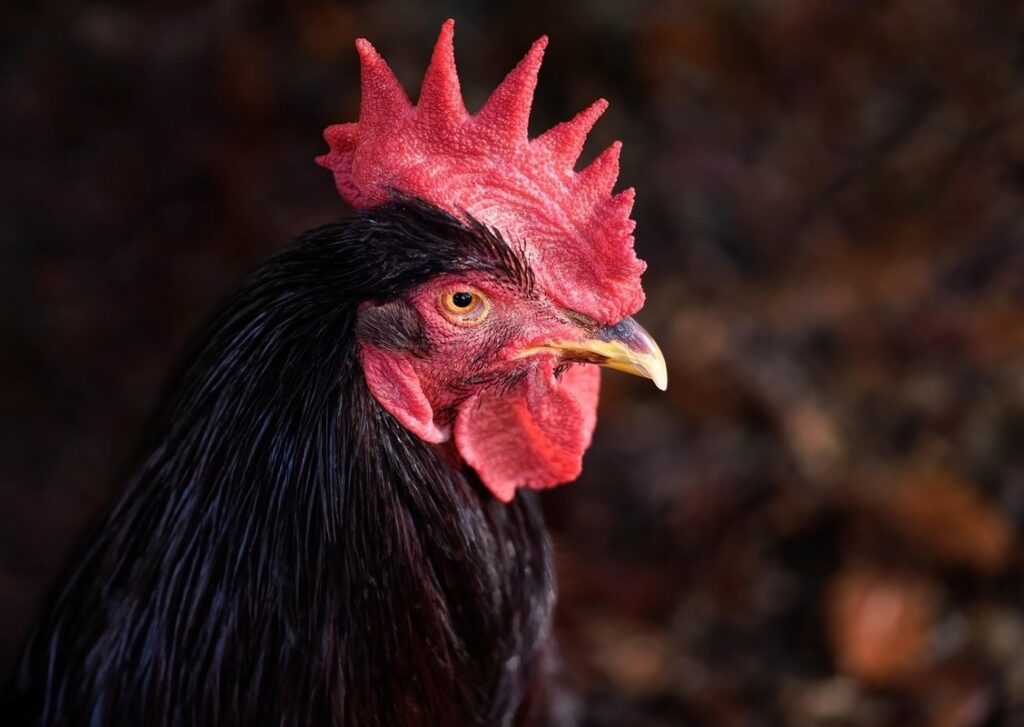
Introduction to the Breed
Let’s get started on understanding what makes Rhode Island Reds so unique, and how their temperament and personality traits have made them a popular choice among backyard chicken keepers.
Brief History of Rhode Island Reds
The Rhode Island Red breed has a fascinating history that spans over two centuries. It all began in the early 19th century when farmers and poultry enthusiasts started breeding chickens specifically for their egg-laying abilities. The result was a hardy, friendly, and prolific layer that quickly gained popularity among backyard flock owners.
One of the key factors contributing to their success was their ability to adapt to different climates and living conditions. Rhode Island Reds were originally bred in New England, where they had to contend with harsh winters and limited resources. As a result, they developed a robust constitution that allowed them to thrive even in challenging environments.
Their friendly nature also made them an instant hit among backyard flock owners. They are known for being docile, curious, and affectionate birds that love human interaction. This characteristic has made them a favorite among families with children, as they are easy to handle and enjoy being around people. If you’re considering adding Rhode Island Reds to your flock, be prepared for their outgoing personalities and the joy they bring to your backyard!
Key Characteristics of Rhode Island Reds
Rhode Island Reds are renowned for their stunning red plumage, but it’s their warm and affectionate nature that truly sets them apart. These birds have a unique ability to connect with their owners, making them an ideal choice for families or individuals who want to raise chickens as pets.
One of the most distinctive characteristics of Rhode Island Reds is their friendly demeanor. They are known to be docile, curious, and gentle, which makes them an excellent choice for children to interact with. In fact, many backyard chicken keepers swear by the Rhode Island Red’s ability to bond with their owners, often following them around the yard in search of treats or attention.
Their friendly nature also extends to other chickens in the flock, making them a great addition to any multi-bird household. With proper socialization and care, Rhode Island Reds can thrive in a variety of settings, from small backyards to larger farms. Their adaptability and gentle disposition make them an excellent choice for anyone looking to raise chickens as pets or for eggs.
Temperament Traits: Friendliness and Affection
When it comes to Rhode Island Red chickens, their friendly and affectionate nature is one of the most notable aspects of their temperament. Let’s take a closer look at these warm and loving traits.
Social Nature and Interaction with Humans
If you’re looking for a chicken breed that will get along famously with your family, including little ones, then the Rhode Island Red is an excellent choice. These birds are known for their gentle and docile nature, making them an ideal addition to homes with children or as pets in backyards.
One of the key reasons why Rhode Island Reds are so well-suited for families is that they’re incredibly social animals. They thrive on interaction with humans and will happily follow you around the yard, eager to see what’s happening. This affectionate nature makes them perfect for children who want to learn about chickens and care for them.
To foster a strong bond between your Rhode Island Reds and your family, spend time with them daily. Let them get used to your presence by sitting near their coop or enclosure. As they become more comfortable, you can start feeding them treats from your hand, which will help establish trust. With patience and consistency, your Rhode Island Reds will soon be coming up to greet you every time you enter the yard.
Trust Building and Bonding
Building trust with Rhode Island Reds requires patience, consistency, and positive reinforcement. When introducing new birds to the flock, it’s essential to do so gradually to prevent stress and potential aggression. Start by keeping the new bird separate from the existing flock for a few days, allowing them to get used to each other’s sounds and smells.
Once you’ve introduced the new bird, supervise interactions closely and reward calm behavior with treats. Rhode Island Reds are social birds and thrive on attention, so make time for individual interaction with your feathered friends. Regular handling from an early age will help them become confident and friendly adults.
To establish a strong bond between you and your Rhode Island Red, engage in activities that stimulate their natural foraging behavior, such as offering puzzles or hiding treats around the coop. This will challenge their problem-solving skills and provide mental stimulation, making them more responsive to your presence. With consistent effort and positive reinforcement, you can develop a lifelong friendship with your Rhode Island Red chicken.
Temperament Traits: Energy Levels and Activity
When it comes to energy levels, Rhode Island Red chickens are known for being a lively bunch. They require regular exercise and mental stimulation to prevent boredom and destructive behavior.
Exercise Needs and Outdoor Activities
When it comes to providing for your Rhode Island Reds’ exercise needs, remember that these birds are built for activity. With their high energy levels, they require regular outdoor time to stay happy and healthy. A minimum of 8-10 hours of sunlight per day is essential, but this can be achieved even in smaller backyards by dedicating a specific area for your birds.
Consider investing in a secure, fenced enclosure that provides enough space for your Rhode Island Reds to roam around, stretch their wings, and engage in natural behaviors like scratching and pecking. Aim for at least 2-3 square feet of space per bird inside the coop, and an additional 8-10 square feet per bird outside.
To keep your Rhode Island Reds entertained, try incorporating fun outdoor activities into their daily routine. Some ideas include:
• Setting up a dust bath area filled with soft, dry soil or sand
• Creating a foraging station with hidden treats or scratch grains to encourage natural foraging behavior
• Installing a rope ladder or perches for climbing and exercise
Managing Energy Levels in Confined Spaces
When it comes to managing energy levels in confined spaces, it’s essential to provide your Rhode Island Red chickens with mental and physical stimulation. Small backyards or indoor coops can quickly become dull for these active birds if not properly equipped. A lack of space doesn’t mean you have to sacrifice their well-being.
To combat boredom and keep your flock entertained, try implementing enrichment activities such as hiding treats or toys around the coop or yard. Rotate new items regularly to maintain interest. Another option is providing vertical space, like a tall roosting pole or shelves for perching and exercising. This will encourage your Rhode Island Reds to move around and stretch their wings.
Additionally, consider allocating specific time for exercise each day, whether it’s letting them out into the yard or engaging in playtime indoors with toys. Remember, a balanced routine that includes mental stimulation, physical activity, and adequate rest is key to maintaining healthy energy levels.
Temperament Traits: Noisiness and Communication
When it comes to noise levels, Rhode Island Reds tend to be relatively vocal birds, but is their chatter a sign of friendliness or frustration? Let’s explore how this trait affects their communication style.
Vocalization and Noise Levels
One of the most distinctive characteristics of Rhode Island Reds is their vocalization. These chickens are known for their loud crowing sounds, which can be a challenge for backyard chicken keepers living in residential areas with noise restrictions. But why do they crow so much? The answer lies in their natural behavior and instincts.
In the wild, roosters use crowing to establish dominance, attract mates, and warn other birds of potential threats. Even though your Rhode Island Red rooster may not be competing for dominance or mating opportunities, he still feels an innate urge to crow loudly. This vocalization is a sign that your rooster is healthy and happy.
If you live in an area with noise restrictions, managing your Rhode Island Red’s vocalization is crucial. Here are a few tips: provide plenty of space for exercise and mental stimulation, reduce stress by offering a balanced diet and regular veterinary check-ups, and consider using noise-reducing materials around the coop to minimize sound transmission.
By understanding and addressing the underlying reasons behind your rooster’s crowing, you can create a harmonious living situation with minimal disruption to your neighbors.
Communication Methods and Body Language
When it comes to communication methods and body language, Rhode Island Red chickens are quite expressive. They use a variety of visual displays to convey their mood and needs. For example, they’ll often spread their wings and tail feathers when feeling threatened or defensive. On the other hand, they may flap their wings and make soft clucking noises to signal friendliness.
It’s essential to recognize these body language cues to understand your Rhode Island Red’s personality and respond accordingly. A dominant bird may assert its dominance by standing taller, fanning its tail, and making loud, sharp calls. Meanwhile, a submissive bird may lower its head, avoiding eye contact, or even attempting to hide.
To foster better communication with your flock, pay attention to these visual displays and adjust your approach. For instance, if you notice one of your birds is displaying aggressive behavior, try separating it from the rest for a while to give everyone some space. By recognizing and responding to their nonverbal cues, you can build trust and strengthen your bond with your Rhode Island Reds.
Temperament Traits: Flightiness and Escape Artists
Some Rhode Island Red owners might be surprised by their chicken’s tendency to take flight at unexpected moments, while others may find themselves chasing after an escape artist. This section explores these fascinating traits in more detail.
Preventing Escapes and Reducing Stress
If you’ve ever had a Rhode Island Red make a break for it, you know just how stressful and frustrating escapes can be. Not only do they pose a risk to the bird’s safety, but they also create work for you to round them up and prevent future escape attempts. To prevent your Rhode Island Reds from taking flight, start by ensuring their coop and run are escape-proof. Use sturdy fencing that extends at least 3 feet underground to prevent digging, and cover any gaps or holes with hardware cloth.
In addition to securing the physical space, it’s also essential to address potential stressors within the flock. Introduce new birds gradually, provide plenty of perches and dust baths for scratching and preening, and maintain a balanced diet that meets their nutritional needs. Regular flock observations will help you identify any underlying issues before they lead to escape attempts. For instance, if you notice a bird consistently trying to escape during peak molting periods or when temperatures are extreme, consider providing additional enrichment activities or adjusting the coop environment to mitigate stress.
When managing a backyard flock of Rhode Island Reds, anticipate that some birds may exhibit flighty tendencies due to individual temperament traits. By taking proactive steps to address potential escapes and reduce stress within the group, you can create a more harmonious and safe living situation for both your birds and yourself.
Creating a Safe and Secure Environment
When it comes to creating a safe and secure environment for your Rhode Island Reds, it’s essential to consider their natural instincts as flighty birds. To prevent them from escaping or getting injured, you’ll want to design your coop with escape-proofing in mind.
Start by choosing a sturdy material for the coop walls and roof, such as wood or metal. Ensure that all openings are securely covered with hardware cloth or chicken wire, making sure there are no gaps or weaknesses. Consider installing a roof overhang or awning to protect them from predators and harsh weather conditions.
Fencing is another crucial aspect of creating a secure environment for your Rhode Island Reds. Choose a sturdy fencing material like wood or metal, and ensure it’s at least 3 feet high to prevent flying escape artists from soaring over the top. Consider adding an extension or additional height if you have particularly adventurous birds.
A safe and secure coop will give your Rhode Island Reds peace of mind and keep them happy and healthy. By taking these simple precautions, you’ll be well on your way to creating a stress-free environment for your feathered friends.
Conclusion: Is a Rhode Island Red Right for You?
Now that you’ve learned more about the temperament and personality traits of Rhode Island Reds, let’s discuss whether one of these lovable birds is right for your backyard.
Pros and Cons of Raising Rhode Island Reds
Raising Rhode Island Reds as backyard chickens can be a delightful experience for many poultry enthusiasts. However, it’s essential to weigh the pros and cons before making a decision.
On the plus side, Rhode Island Reds are renowned for their friendly and docile nature, making them an excellent choice for families with children or for beginners in chicken-keeping. They are also relatively easy to care for and can thrive in smaller spaces, such as urban backyards. Additionally, Rhode Island Reds are prolific layers, producing an average of 200 brown eggs per year, which is a significant benefit for households that rely on their own eggs.
Moreover, these chickens are intelligent and curious birds, known to be entertaining to watch. They require regular social interaction and mental stimulation, which can be easily achieved through providing them with toys, scratching posts, and plenty of fresh air. This can lead to a more harmonious and engaging relationship between the chicken and their owner.
However, there are some potential drawbacks to consider. Rhode Island Reds can be loud, especially during mating season or when they’re competing for dominance within the flock. They also require regular exercise and may become restless if confined to small spaces for extended periods. Furthermore, these birds are prone to obesity, so it’s crucial to monitor their diet and ensure they get enough physical activity.
Ultimately, whether or not a Rhode Island Red is right for you depends on your individual circumstances and preferences. With proper care, attention, and management, the benefits of owning one of these charming birds far outweigh the drawbacks.
Frequently Asked Questions
How do I ensure my Rhode Island Reds get enough social interaction with other chickens?
Rhode Island Reds are known for their friendly nature, but they still require adequate social interaction to prevent boredom and stress. Ensure you have a flock of at least 3-4 chickens to provide them with enough companionship. Introduce new birds gradually to prevent conflicts. Also, consider building a large coop or run where your Rhode Island Reds can move around freely.
Can I keep Rhode Island Reds in small backyards if I don’t have much space?
Yes, Rhode Island Reds are adaptable to small spaces and can thrive in confined areas with proper management. However, it’s essential to provide enough room for them to exercise and stretch their wings. Consider a coop-to-run ratio of at least 2-3 square feet per bird. Also, make sure to offer plenty of toys and enrichment activities to keep them engaged.
How do I manage noise levels in my backyard if I live in close proximity to neighbors?
Rhode Island Reds are vocal birds and can be quite loud, especially in the morning and evening. To minimize noise disturbances, consider building a coop or run with sound-absorbing materials like wood or straw bales. Also, establish a routine of providing treats during quiet hours to help reduce their vocalization.
Can I mix Rhode Island Reds with other breeds, or should I stick to a single breed flock?
Mixing different breeds can be beneficial in creating a diverse and dynamic flock. However, it’s essential to introduce birds gradually and under close supervision to prevent conflicts. Choose breeds that are compatible in terms of size, temperament, and energy levels.
How do I prevent Rhode Island Reds from escaping or getting injured while foraging outdoors?
Yes, it’s crucial to create a safe and secure environment for your Rhode Island Reds when introducing them to outdoor areas. Make sure the coop and run are escape-proof, with sturdy fencing and covering any gaps or openings. Also, supervise their foraging activities closely, especially in areas with potential hazards like predators or toxic plants.