
Teaching your kids the basics of chicken care is more than just an educational experience – it’s an opportunity to raise responsible children who understand the importance of animal husbandry and sustainability. As parents, we want our kids to develop a sense of empathy for living creatures and learn valuable life skills that will benefit them in the long run. However, many of us are unsure where to start when it comes to teaching chicken care basics. Don’t worry – with this comprehensive guide, you’ll be able to equip your kids with the knowledge they need to understand anatomy, health, breeding, and safety practices associated with raising chickens. Whether you’re a seasoned homesteader or just starting out, our expert advice will walk you through everything you need to know to raise confident and capable young chicken caretakers.
Why Teach Kids About Chicken Care?
Teaching kids how to care for chickens not only helps them develop important life skills, but also encourages a lifelong appreciation for responsible pet ownership and sustainable living. By learning about chicken care, your child will be empowered to take an active role in the flock’s well-being.
Importance of Raising Responsible Children
Teaching children about chicken care is not just about passing on a skillset; it’s also an opportunity to shape their values and character. By involving kids in the process of caring for chickens, you’re helping them develop empathy and compassion for living creatures. This can have a lasting impact as they grow older and interact with animals in various contexts.
Raising responsible children is essential for their overall development. When given the chance to care for chickens, kids learn valuable life skills like responsibility, self-discipline, and time management. They’ll understand that caring for another being requires commitment and effort, fostering a sense of accountability. Moreover, this experience can also teach them about the importance of daily routines and schedules.
For instance, children can start by assisting with feeding, cleaning the coop, or monitoring water levels. As they take on more responsibilities, they’ll develop problem-solving skills and learn to think critically when faced with challenges like diseases or predator threats.
Benefits for Children in Learning Chicken Care
Learning chicken care basics can have a profound impact on children’s development, and it’s not just about feeding them scraps from the coop. By involving kids in chicken care, you’re giving them a chance to develop essential skills that will benefit them throughout their lives.
For one, learning chicken care requires problem-solving skills – whether it’s figuring out why the chickens are refusing to go back into their coop or dealing with an unexpected health issue. As they troubleshoot and find solutions, kids build confidence in their ability to tackle challenges. This is a critical life skill that will serve them well beyond the backyard.
Additionally, caring for chickens teaches children about hard work and responsibility. Caring for another living creature requires dedication and attention to detail – chores need to be done daily, and health checks are crucial to prevent disease. By participating in these tasks, kids develop a strong work ethic and understand that their actions have consequences.
As they gain experience, kids will start to appreciate the rewards of chicken care too – like collecting fresh eggs from the coop each morning or watching the chickens grow and thrive under their care.
Understanding Chicken Anatomy and Behavior
Let’s dive into the fascinating world of chickens, starting with understanding their unique anatomy and behavior. By grasping these basics, kids will be better equipped to care for our feathered friends.
Chicken Body Parts and Their Functions
When it comes to understanding chicken anatomy, kids need to know that every part of their body has an important function. Let’s start with the beak, which is used for eating and preening. Chickens also have wings, but they’re not just for flying – they’re also used for balance and steering while in motion.
Feathers play a crucial role too. They provide insulation against cold temperatures and help to keep the chicken dry by repelling water. Some chickens will even use their feathers to communicate with each other! Legs are another vital part of a chicken’s body, as they support the bird’s weight and enable it to move around.
Internally, chickens have a complex system made up of organs like the heart, lungs, liver, and digestive tract. These work together to help the bird digest food, breathe air, and circulate blood throughout its body. Understanding how these parts function can help kids appreciate just how remarkable – and delicate – chicken anatomy is.
Normal Chicken Behavior and Signs of Stress
When it comes to understanding chicken behavior, kids can develop a deeper appreciation for these amazing animals and learn valuable skills about caring for them. Typically, chickens engage in natural behaviors like pecking at the ground to search for food or water, scratching with their powerful legs to loosen soil and uncover insects, and roosting on high perches to rest and feel secure.
However, if you notice your chickens exhibiting abnormal behavior, it may be a sign of stress. Excessive feather plucking is a common indicator of anxiety, often caused by changes in their environment or lack of suitable nesting materials. You might also see increased aggression among flock members, which can lead to serious problems if left unchecked.
Understanding these behaviors is crucial for providing proper care. By recognizing the signs of stress and taking steps to alleviate them, you can create a healthier and happier living space for your chickens. Encourage kids to observe their birds regularly, noting any unusual behavior or changes in appetite. This hands-on learning experience will not only help kids develop empathy but also equip them with essential skills for responsible chicken care.
Setting Up a Safe and Healthy Environment
Creating a safe and healthy environment for your kids to learn about chicken care is crucial, starting with setting up their space wisely. This means separating chickens from pets and ensuring cleanliness.
Creating a Suitable Coop and Run
When it comes to creating a suitable coop and run for your backyard chickens, there are several essential features to consider. As you’re teaching kids chicken care basics, it’s crucial to involve them in the decision-making process and ensure they understand why these features are important.
First and foremost, ventilation is key. Chickens produce a significant amount of waste, so proper airflow helps maintain good air quality inside the coop. Make sure there are windows or vents that allow for cross-ventilation to prevent ammonia buildup. Consider installing a fan to circulate air during hot weather.
Lighting is another essential feature. Chickens need natural light to stay healthy, but it’s also necessary to provide supplemental lighting during winter months when daylight hours are shorter. Install chicken-friendly lighting fixtures such as LED lights that mimic natural sunlight.
Insulation helps regulate the coop’s temperature and protects against harsh weather conditions. Use a combination of insulation materials like straw or wood shavings to line the coop floor and walls. Don’t forget about predator protection – install hardware cloth or chicken wire around the run to prevent foxes, coyotes, or other predators from getting in.
When building or selecting a coop, involve your kids in the decision-making process to teach them about the importance of these features. Encourage them to help with tasks like cleaning and maintenance, which will not only make them more responsible but also help them develop a deeper appreciation for the welfare of their feathered friends.
Choosing the Right Feed and Watering Systems
Providing fresh water and nutritious feed is crucial for the health and well-being of chickens. Just like humans, chickens need a balanced diet to stay healthy and thrive. When it comes to feeding our feathered friends, we have several options to choose from.
Layer feed is specifically designed for adult hens that are producing eggs, and it’s usually formulated with calcium to support strong eggshell production. Starter feed, on the other hand, is perfect for young chicks that need extra protein to grow and develop. Scratch grains, such as oats or barley, can also be a great addition to their diet as a treat.
When setting up a watering system, remember that chickens love to splash and play in water, so it’s essential to make it easy to clean and maintain. Consider using a automatic poultry drinker or a simple nipple waterer that hangs from the coop’s ceiling. This way, you’ll avoid messy water spills and ensure your flock stays hydrated at all times.
Remember to always follow the manufacturer’s instructions for any new equipment, and encourage kids to help with regular cleaning and maintenance tasks.
Chicken Health and First Aid
When it comes to caring for chickens, knowing how to spot signs of illness and injury is crucial. Let’s cover some essential first aid tips to keep your flock healthy.
Common Health Issues in Chickens
Chickens can be prone to various health issues if not properly cared for. It’s essential for kids to understand these potential problems and know what to do when they arise. Let’s start with some common health issues in backyard chickens.
Mites and Lice: These external parasites are the most common problem in chicken flocks. Mites burrow into the feathers, causing discomfort and stress, while lice feed on the chicken’s skin and feathers. Check for these pests by gently parting your chicken’s feathers with your fingers or a flea comb. If you find mites or lice, use a medicated powder or spray specifically designed to treat these parasites.
Respiratory Infections: These infections can be caused by bacteria, viruses, or fungi and are often spread through droppings and contaminated food and water. Symptoms include coughing, sneezing, and labored breathing. Keep your chicken’s living space clean, provide fresh air, and ensure access to plenty of water to prevent respiratory issues.
Parasites: Intestinal worms like roundworms, tapeworms, and cecal worms can cause weight loss, diarrhea, and lethargy in chickens. Use a deworming medication according to the manufacturer’s instructions to treat these parasites.
When teaching kids about chicken care, it’s crucial to emphasize the importance of maintaining clean living conditions, monitoring their flock regularly for signs of illness or pests, and knowing how to address any health issues promptly.
Basic First Aid Techniques for Chickens
When it comes to caring for chickens, knowing basic first aid techniques is essential. Kids can learn these skills to help tend to their feathered friends and even save a life if needed. Start by understanding common injuries and ailments that affect chickens, such as cuts, broken wings, or respiratory issues.
To handle minor injuries like cuts, wash the wound with gentle soap and water, then apply antibiotic ointment and cover with a bandage. Be cautious not to push on any open wounds or apply too much pressure, which can lead to further complications.
Administering medications is another crucial aspect of first aid for chickens. If your flock requires supplements or antibiotics, follow the instructions carefully and ensure you’re giving the correct dosage. Keep in mind that overmedicating can be detrimental to a chicken’s health.
Preventing further complications involves monitoring your birds’ behavior and taking prompt action if you notice any unusual signs. Regularly inspect their living space for cleanliness and safety hazards, such as sharp objects or toxic materials. By being proactive and equipped with basic first aid knowledge, kids can help keep their chickens happy and healthy.
Introduction to Breeding and Genetics
Understanding breeding and genetics is crucial for kids who want to care for chickens, as it helps them produce healthy and robust birds. Let’s dive into the basics of chicken breeding and genetics.
Understanding Chicken Sexing and Breeding Basics
When it comes to raising chickens, understanding chicken sexing and breeding basics is crucial for maintaining a healthy and thriving flock. Chicken sexing refers to the process of determining a chick’s sex, usually done by examining its genital area or by using specialized equipment. This technique may seem old-fashioned, but it’s an essential part of managing your flock.
There are two main breeding techniques used in backyard flocks: Linebreeding and Crossbreeding. Linebreeding involves breeding chickens that have similar ancestry to maintain desirable traits, while Crossbreeding involves mixing different breeds to create more robust offspring. Both methods have their advantages and disadvantages. For example, linebreeding can help preserve specific characteristics but may also lead to inbreeding problems.
Genetic diversity is vital for a healthy flock. It ensures that your chickens are better equipped to fight off diseases and adapt to changing environments. When breeding, it’s essential to introduce new bloodlines or breeds to maintain genetic diversity. This practice helps prevent the spread of diseases within the flock and promotes overall well-being. As you teach kids about chicken care, emphasize the importance of genetic diversity in maintaining a robust and resilient flock.
Choosing the Right Breed for Your Family
When it comes to introducing chickens to your family, selecting the right breed is crucial. With so many breeds to choose from, it can be overwhelming, especially for families with kids. To ensure a harmonious and stress-free experience, consider the following factors when choosing a breed that suits your needs.
Egg production is an essential aspect to think about, especially if you’re planning to use eggs frequently in your household. Some popular breeds like Leghorns and Rhode Island Reds are prolific layers, producing around 280-300 eggs per year. However, they can be quite loud and require regular cleaning of their coop. On the other hand, quieter breeds like Orpingtons and Plymouth Rocks produce fewer eggs but are easier to manage.
Consider your family’s temperament as well. If you have young children, a calm and gentle breed is best. Some breeds, such as Silkie chickens, are known for their friendly and docile nature, making them perfect for families with kids.
Climate hardiness is also crucial, especially if you live in areas prone to extreme temperatures. Choose breeds that can adapt well to your local climate. For instance, some breeds like Australorps and Barred Rocks are suitable for cold climates, while others like Polish and Campine thrive in warmer conditions.
Ultimately, the key is to find a balance between egg production, noise level, temperament, and climate hardiness. Research different breeds, read reviews from other chicken keepers, and visit local breeders to get a hands-on experience before making a decision.
Handling Chickens Safely
When working with chickens, it’s crucial that kids learn how to handle them safely and humanely, starting from a young age, to avoid any potential harm to themselves or the birds.
Tips for Handling Chicks and Young Chickens
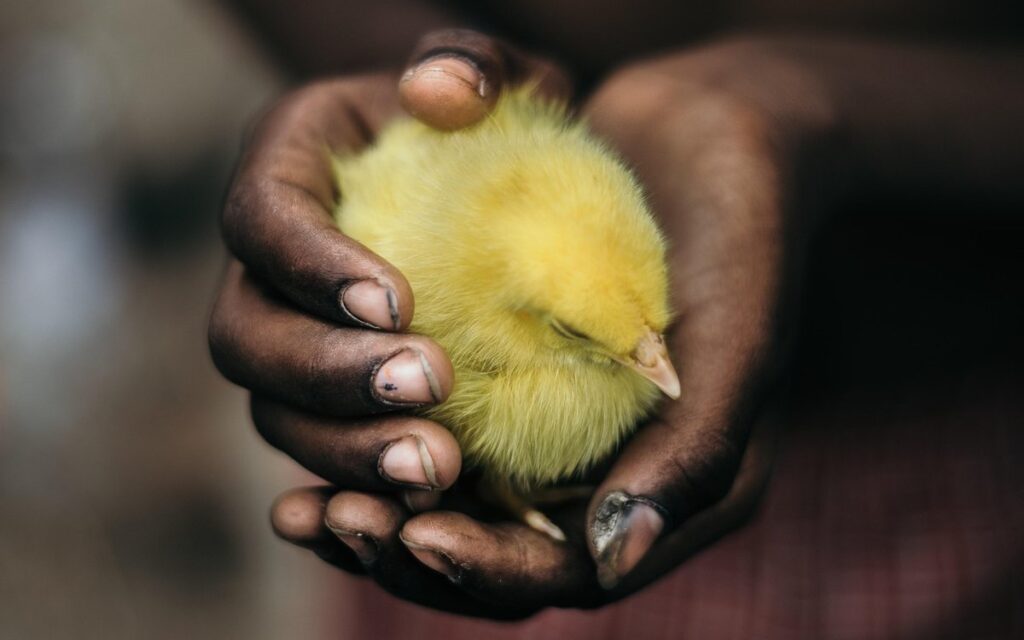
When it comes to handling chicks and young chickens, it’s essential to remember that they are delicate creatures that require gentle care. To minimize stress and prevent injury to both humans and animals, make sure to handle them with caution.
Start by making sure you’re wearing the right attire – a pair of gloves will help protect your hands from those sharp little beaks and claws. Next, support their body and wings when picking them up, rather than just grabbing them by the legs or tail. Imagine holding a fragile egg; this is similar to how you should cradle chicks.
For young chickens, it’s best to let them come to you, rather than trying to catch them. Move slowly and calmly, speaking softly to reassure them that everything is okay. When picking up a young chicken, support their body from underneath, making sure not to pick them up by the wings or tail.
Remember, handling chicks and young chickens is all about being gentle and patient. By taking your time and following these simple tips, you’ll be well on your way to teaching kids the basics of chicken care.
How to Catch and Handle Adult Chickens
When it’s time to catch and handle adult chickens, it’s essential to do so with care to avoid stressing them out. Start by preparing a catching basket or net with soft walls to prevent injury to the chicken. Hold the basket or net gently but firmly over the bird, making sure not to trap its wings.
To minimize stress, move slowly and calmly around the coop or enclosure. Avoid sudden movements that might startle the chicken. Encourage your child to observe from a safe distance before attempting to catch or handle the bird. This will help them develop patience and understanding of the chicken’s behavior.
When catching the chicken, gently slide one hand under its body and hold it securely but not too tightly. Keep the other hand guiding the wings to prevent flapping. If using a net, carefully place it over the chicken’s head and neck before scooping up. This way, both you and your child can handle adult chickens with ease and confidence.
Conclusion
As we wrap up our journey through teaching kids chicken care basics, let’s summarize what you’ve learned and take a final look at how to encourage ongoing responsibility.
Recap of Key Takeaways
As we conclude our discussion on teaching kids chicken care basics, let’s recap the essential points covered. Teaching children about responsible chicken care is crucial for their development and can create a lifelong appreciation for animals and sustainability. Key takeaways from this article include understanding basic chicken needs such as nutrition, shelter, health checks, and egg collection.
Parents should remember that involving kids in daily chicken care tasks helps them develop important life skills like responsibility and empathy. By starting early, children can learn to respect and appreciate the importance of caring for animals.
For kids, it’s essential to understand that chickens require regular feeding, access to fresh water, and a clean living space. This includes removing soiled bedding, monitoring temperature and humidity levels, and keeping an eye out for signs of illness or stress.
By incorporating these simple yet vital tasks into daily routines, parents can help their children develop a strong foundation in chicken care basics, setting them up for future success as young animal enthusiasts and responsible caregivers.
Encouraging Ongoing Learning and Responsibility
As you’ve learned the basics of chicken care with your kids, it’s essential to encourage ongoing learning and responsibility. Chicken keeping is a lifelong journey, and there’s always more to discover about the fascinating world of poultry.
To foster a continued interest in backyard poultry keeping, suggest that your kids explore local 4-H clubs or online forums where they can connect with other young chicken enthusiasts. They might even discover new breeds or learn innovative tips from fellow flock owners.
For further reading and exploration, recommend some kid-friendly books on chicken care, such as “The Backyard Homestead” by Carleen Madigan or “Raising Chickens for Dummies”. These resources will help your kids dive deeper into the world of chicken keeping and stay updated on best practices.
Remember to also involve your kids in planning and implementing changes in their flock’s care. This not only reinforces their learning but also teaches them valuable skills like problem-solving, critical thinking, and responsibility. By continuing to learn together, you’ll both enjoy a rewarding backyard poultry-keeping experience.
Frequently Asked Questions
Can I teach my kids to care for chickens if we live in a small apartment or have limited space?
Yes, with some creative planning, you can still involve your kids in chicken care even on a small scale, such as keeping a few hens in a backyard coop or raising chicks indoors. Consider starting with a small flock and gradually expanding as your children gain experience and confidence.
What’s the best age to start teaching my child about chicken care?
Children as young as 4-5 years old can begin learning basic chicken care concepts, such as feeding, watering, and observing chickens’ behavior. As they grow older (6-8+), you can gradually introduce more complex topics like health checks, breeding, and coop maintenance.
How do I handle common health issues in my backyard flock?
When dealing with a sick or injured chicken, always follow basic first aid techniques, such as isolating the bird, providing a balanced diet, and offering fresh water. Consult a veterinarian for professional advice on treating specific health issues, like mites, respiratory problems, or egg binding.
Can I breed chickens at home if I have limited experience?
Breeding chickens can be challenging, even for experienced backyard farmers. Before attempting to breed your own flock, research local laws and regulations regarding backyard chicken breeding, understand the basics of genetics and sexing, and consider taking a beginner’s course or seeking guidance from an expert.
What are some tips for handling chicks and young chickens safely?
When handling young chickens, be gentle and supportive, as they can easily get hurt. Wash your hands thoroughly before and after handling them, and make sure to provide a safe environment with adequate ventilation, food, water, and shelter. Supervise interactions between children and young chickens closely to prevent injuries or stress.